Travel guide
Costa Rica holidays: a travel guide for UK visitors
Arenal Volcano, the cloud forest at Monteverde, and sloths and monkeys in the rainforest at Manuel Antonio: a practical guide to Costa Rica holidays and tours, with the best time to visit Costa Rica month by month.
Why visit Costa Rica
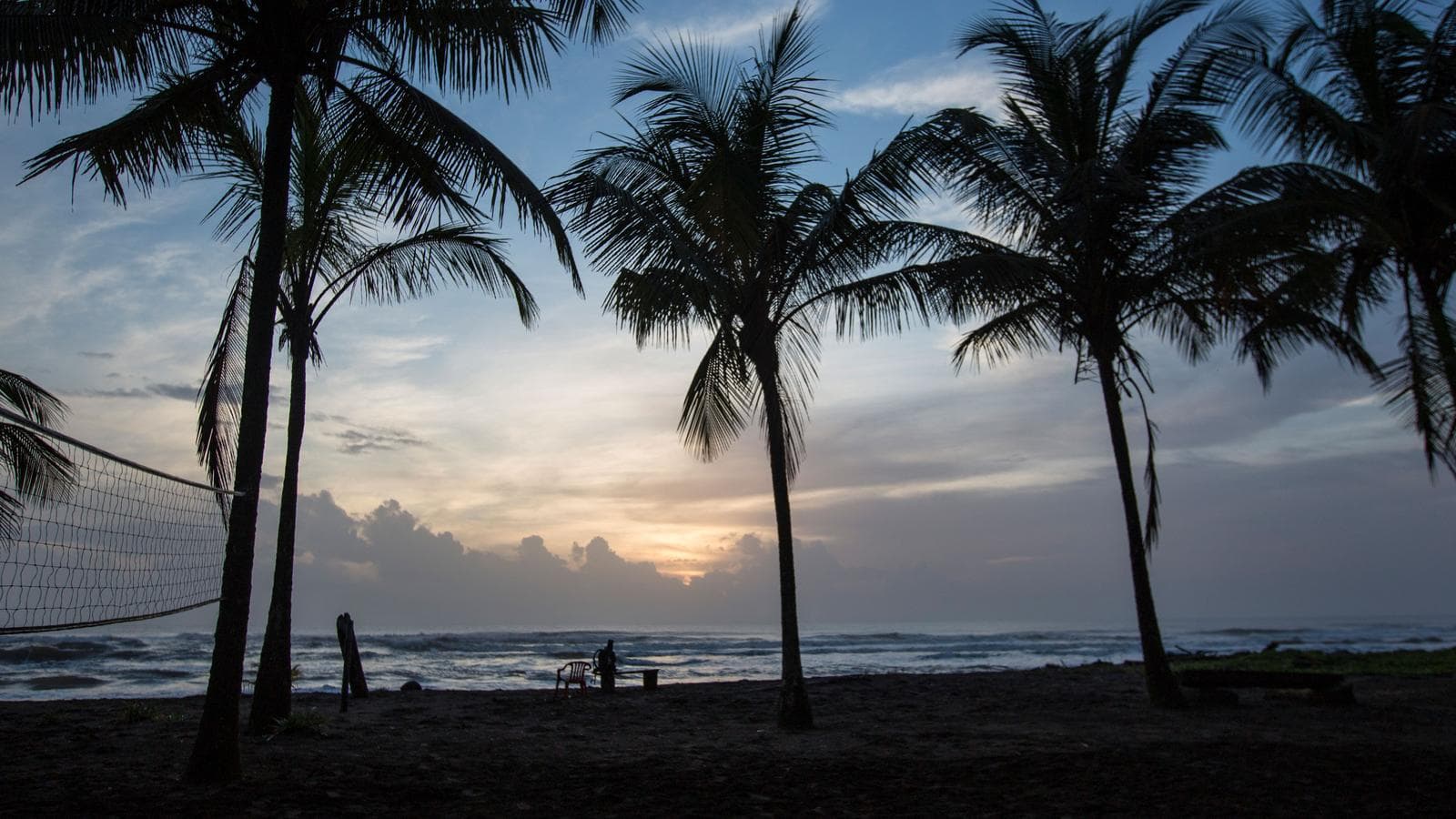
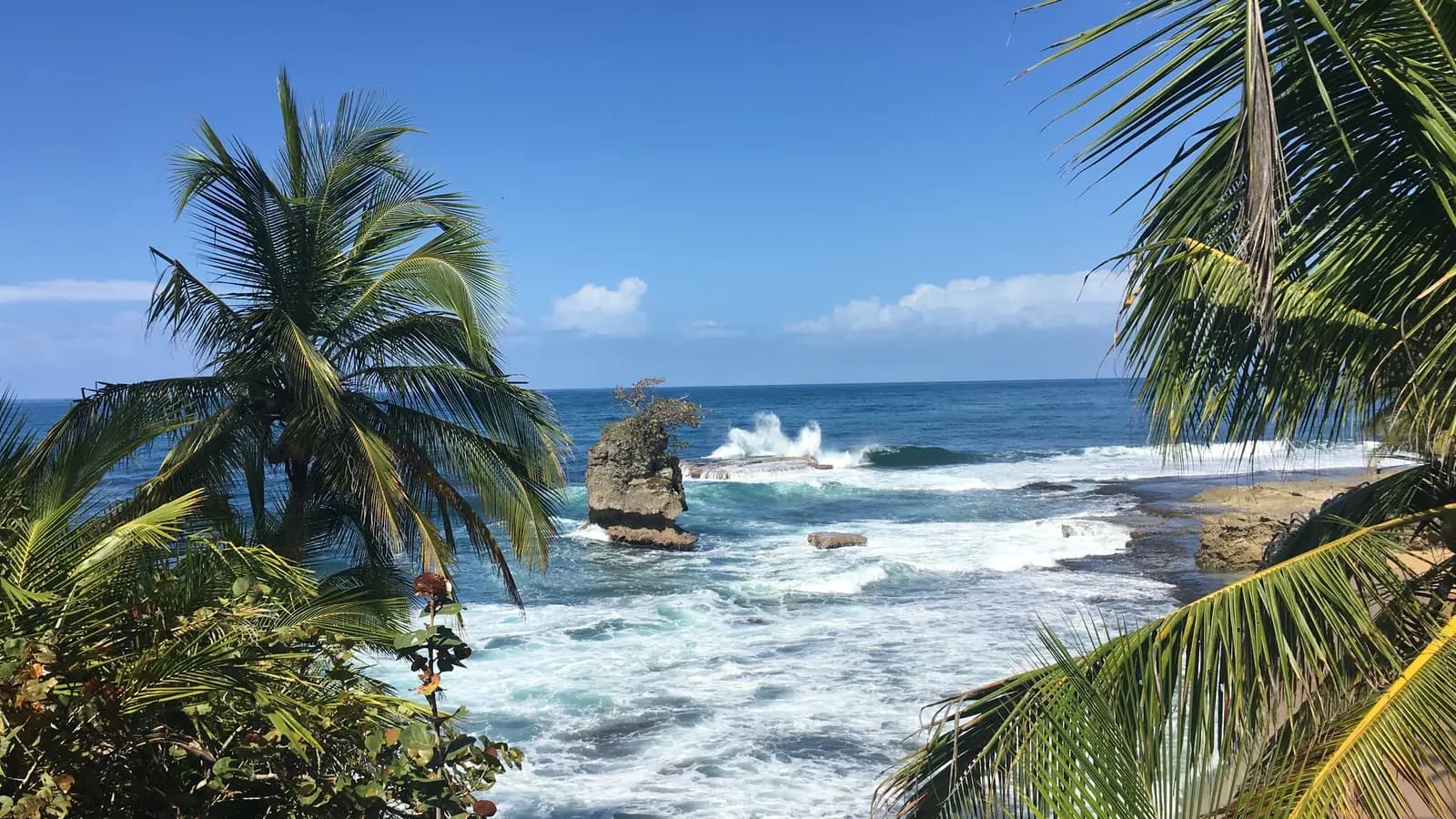
People go to Costa Rica for the wildlife, and it rarely disappoints: a good deal of the country is protected as national park or reserve, so animals that would be a lucky sighting elsewhere are part of an ordinary day. Sloths hang in the trees above the beach paths at Manuel Antonio, scarlet macaws fly over the forest at Carara, howler monkeys wake you before dawn, and at Tortuguero, on the Caribbean coast, turtles come ashore to nest along a beach reached only by boat or small plane. The landscape changes quickly for a country this small. Arenal Volcano rises over the town of La Fortuna, with hot springs at its foot; a few hours away, Monteverde’s cloud forest is cool, damp and full of mist, crossed by hanging bridges at canopy height. Then there is the coast, Pacific on one side and Caribbean on the other. A guide makes a real difference here, because much of the wildlife is very good at not being seen, and on a tour the naturalist finds it for you.
Best time to visit Costa Rica
The best time to visit Costa Rica is the dry season, from December to April, when the Pacific side and the centre of the country are sunny and settled, the roads are easiest, and Arenal is most often out of its cloud. January to March are the most reliable months, and the busiest. From May to November is the green season: mornings are often bright, with rain building in the afternoon, the forest is at its greenest, and there are far fewer visitors. September and October are the wettest months on the Pacific side and in the centre, when some roads and lodges are affected, but they are often the driest months on the Caribbean coast, so a trip to Tortuguero and the Caribbean can work well then. July often has a short drier spell. Monteverde and the cloud forests are cool and misty in any month, so pack a warm layer and waterproofs whenever you go.
Costa Rica month by month
- JanuaryBest
- The dry season proper across most of the country: sunny, settled and popular with visitors.
- FebruaryBest
- Still firmly dry, with clear skies over Arenal and the cloud forests at their most visible.
- MarchBest
- The dry season continues; warm and reliably sunny across the Pacific side of the country.
- AprilGood
- The dry season begins to soften toward its end, with the first showers returning by late April.
- MayQuiet
- The green season begins; afternoon rain becomes a regular feature, especially inland.
- JuneQuiet
- Warm and increasingly wet, though mornings are often still clear before afternoon showers build.
- JulyQuiet
- Rain continues, though a brief drier spell sometimes interrupts the pattern mid-month.
- AugustQuiet
- Firmly within the green season, with regular afternoon and evening downpours.
- SeptemberAvoid
- Among the wettest months on the Pacific side, though the Caribbean coast often turns briefly drier.
- OctoberAvoid
- Statistically the wettest month across most of the country, with heavy, sustained rainfall.
- NovemberQuiet
- The rains begin to ease as the dry season approaches, though showers remain common.
- DecemberBest
- The dry season returns for Christmas, with sunshine replacing the wetter months before it.
Top things to do in Costa Rica
- 1
See Arenal Volcano from La Fortuna
The near-perfect cone of Arenal stands over the small town of La Fortuna and the lake beside it, and many of our Costa Rica tours stop here. There are trails through the old lava fields and the forest around the volcano, a waterfall to walk down to, and hot springs to finish the day in. The summit is often in cloud, so early mornings give the best chance of seeing it.
- 2
Walk the cloud forest at Monteverde
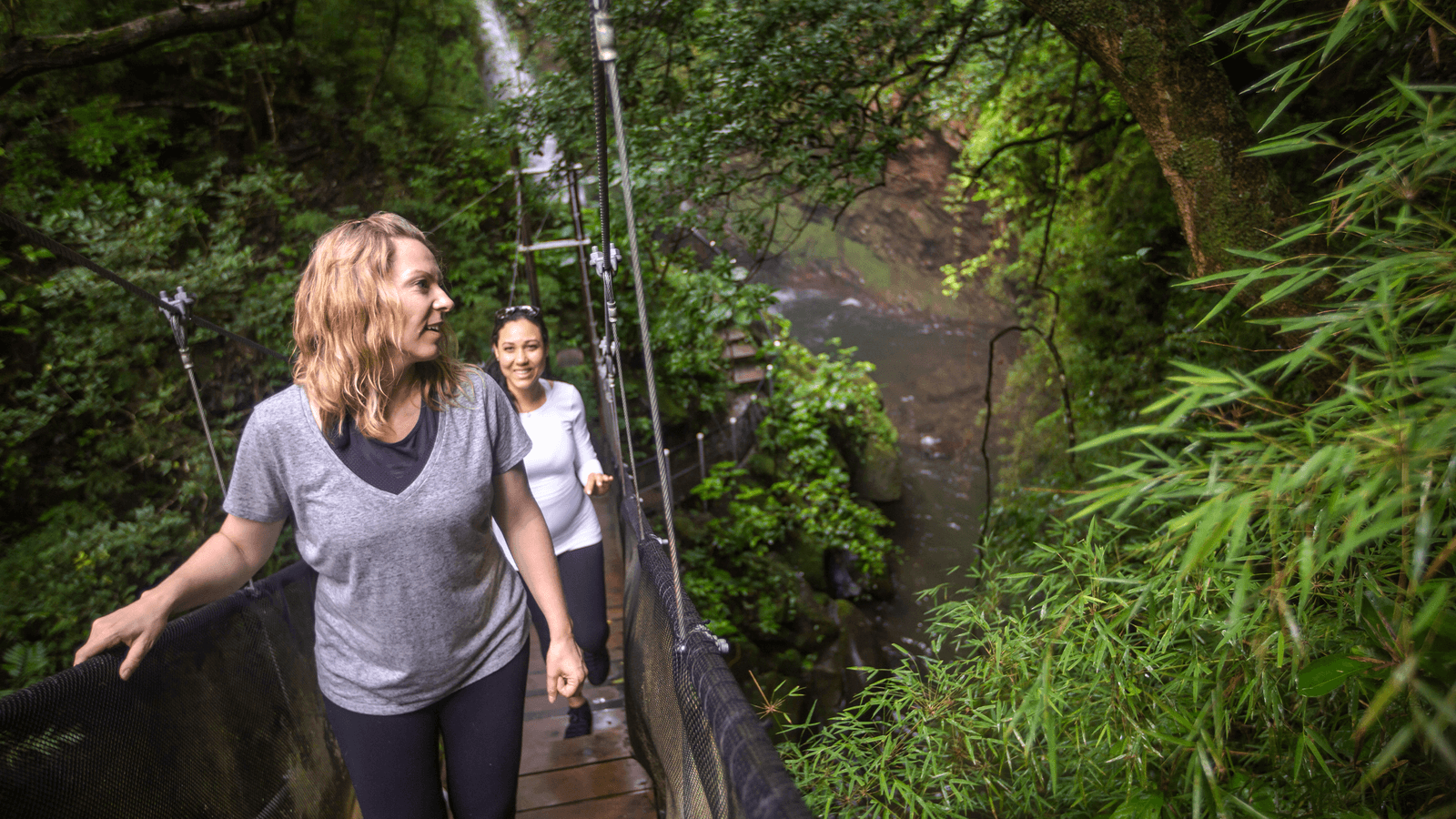
High on the Tilarán mountains, Monteverde’s forest lives in the clouds: cool, damp, hung with moss and orchids, and home to the quetzal among hundreds of other birds. Hanging bridges carry you through the canopy, and night walks find frogs, insects and sleeping birds. The road up is winding, and it is cooler than the lowlands, so take a jumper.
- 3
Look for sloths and monkeys at Manuel Antonio
A small national park on the Pacific coast where rainforest runs down to white beaches, and one of the easiest places in the country to see sloths, capuchin and squirrel monkeys, and iguanas. Entry is limited and the park closes one day a week, so tours plan their visit, usually early, with a naturalist and a telescope to find what the eye would miss.
The cheapest Costa Rica holidays right now
Lowest lead-in prices first, from live availability. Open one for its dates, and book directly with its operator.
Costa Rica travel questions
- When is the best time to visit Costa Rica?
- December to April, the dry season, for sunshine on the Pacific side and in the centre; January to March are the most settled. The green season, May to November, has bright mornings and afternoon rain, fewer visitors and the greenest forest. September and October are the wettest months, except on the Caribbean coast.
- What is the best time to visit Costa Rica for wildlife?
- There is wildlife all year: sloths and monkeys do not keep seasons. The dry season makes walking easier and animals gather near water, while the green season brings frogs, lush forest and, from about July to October, turtle nesting at Tortuguero. Pick the season for the weather and the route, and the wildlife will be there.
- Will I really see sloths, toucans and monkeys?
- On a tour with a naturalist guide, very likely. Sloths are hard to spot alone because they barely move, which is where a guide with a telescope earns their keep. Monkeys are usually heard before they are seen, and toucans and macaws are common in the lowland forests.
- How long do I need in Costa Rica?
- A week covers Arenal, Monteverde and one other region. Ten days to two weeks lets you add the Pacific coast, Tortuguero or a few days on a beach. Our Costa Rica tours run from five nights to about two weeks, and a few carry on into Panama or start further north in Central America.
- What is a good first-time Costa Rica itinerary?
- The classic loop starts in San José, goes north to Arenal and La Fortuna, across to the Monteverde cloud forest, and down to Manuel Antonio on the Pacific coast, often with Tortuguero or the Caribbean added at the beginning or end. It is the route most of our tours follow in some form.
- Should I book a tour or hire a car in Costa Rica?
- Many people drive themselves, but the mountain roads are slow and winding, signposting is patchy, and the rainy season brings landslides and flooding. A tour takes care of the driving and the boat and park connections, and its naturalist guides find far more wildlife than most people manage alone.
- Is Costa Rica safe to visit?
- Most visits are trouble-free, but theft is common, especially on the Caribbean coast, and you should never leave bags in a parked car. Rip currents are frequent and many beaches have no lifeguards, and crocodiles are seen near some Pacific beaches. Read the UK government’s advice before you go.
- Is Costa Rica good for solo travellers?
- Yes. Many people travel alone on a group tour, which takes care of transport and makes the evenings sociable. One of our tours, Solo-ish Costa Rica, is designed for people travelling alone, and Just You’s tours are for solo travellers.
- How fit do I need to be? Are the hanging bridges scary?
- Most of the walking is on trails and boardwalks at a gentle pace, though some are muddy and uneven. The hanging bridges are sturdy and have high sides, but they are high above the forest floor and move a little underfoot, so they are not for everyone; ask whether there is a ground-level trail too. Tour pages describe how active each trip is.
- Is a cruise call at Puerto Limón or Puntarenas enough to see Costa Rica?
- It gives you a day: enough for a rainforest walk, a river trip or a visit to a banana or coffee farm from the port, and a first look at the wildlife. For Arenal, Monteverde and the national parks, you need a tour on land. Some of our cruises call at Costa Rican ports on longer voyages around the Caribbean and Central America.
- Is Costa Rica expensive?
- More than many people expect: prices in tourist areas are closer to the UK’s than to the rest of Central America, and many are quoted in US dollars. A tour that includes transport, guides and park entry helps keep the spending predictable.
- Should I take US dollars or colones?
- Both work. US dollars are accepted in most tourist areas, and cards are taken in hotels, restaurants and larger shops. Carry some colones for small purchases, local buses and roadside sodas, where change is often given in colones anyway.
- Do I need vaccinations or malaria tablets for Costa Rica?
- See your GP or a travel clinic at least eight weeks before you go; TravelHealthPro publishes the current advice for Costa Rica, including on malaria. Dengue and Zika are spread by mosquitoes, so pack repellent and cover up at dusk. Healthcare is good but costly after initial emergency treatment, so take full travel insurance.
- Can I take my prescription medicines to Costa Rica?
- UK prescriptions cannot be used in Costa Rican pharmacies, so take enough for the whole trip. Check the UK government’s advice and TravelHealthPro, and ask the Costa Rican embassy in London if you take anything stronger than everyday medicines. Carry them in their original packaging with a copy of your prescription.