Travel guide
Germany holidays: a travel guide for UK visitors
Storybook castles, great rivers and characterful cities — Germany spans Baltic ports, Rhine cruises and Alpine south, with something for every kind of traveller.
Why visit Germany
Germany is a country of satisfying contrasts. The north meets the Baltic at the historic ports of Hamburg, Kiel and Rostock, gateways to the wider region, while the romantic Rhine winds south past vineyard-clad slopes and clifftop castles — classic river-cruise country. Berlin pulses with art, history and nightlife; Bavaria offers fairy-tale Neuschwanstein, beer halls and the Alps. Between them lie half-timbered medieval towns, world-class museums and forests made for walking. Whether you arrive by ocean ship on a Baltic itinerary or glide down the Rhine, Germany delivers depth, efficiency and a warm welcome.
Best time to visit
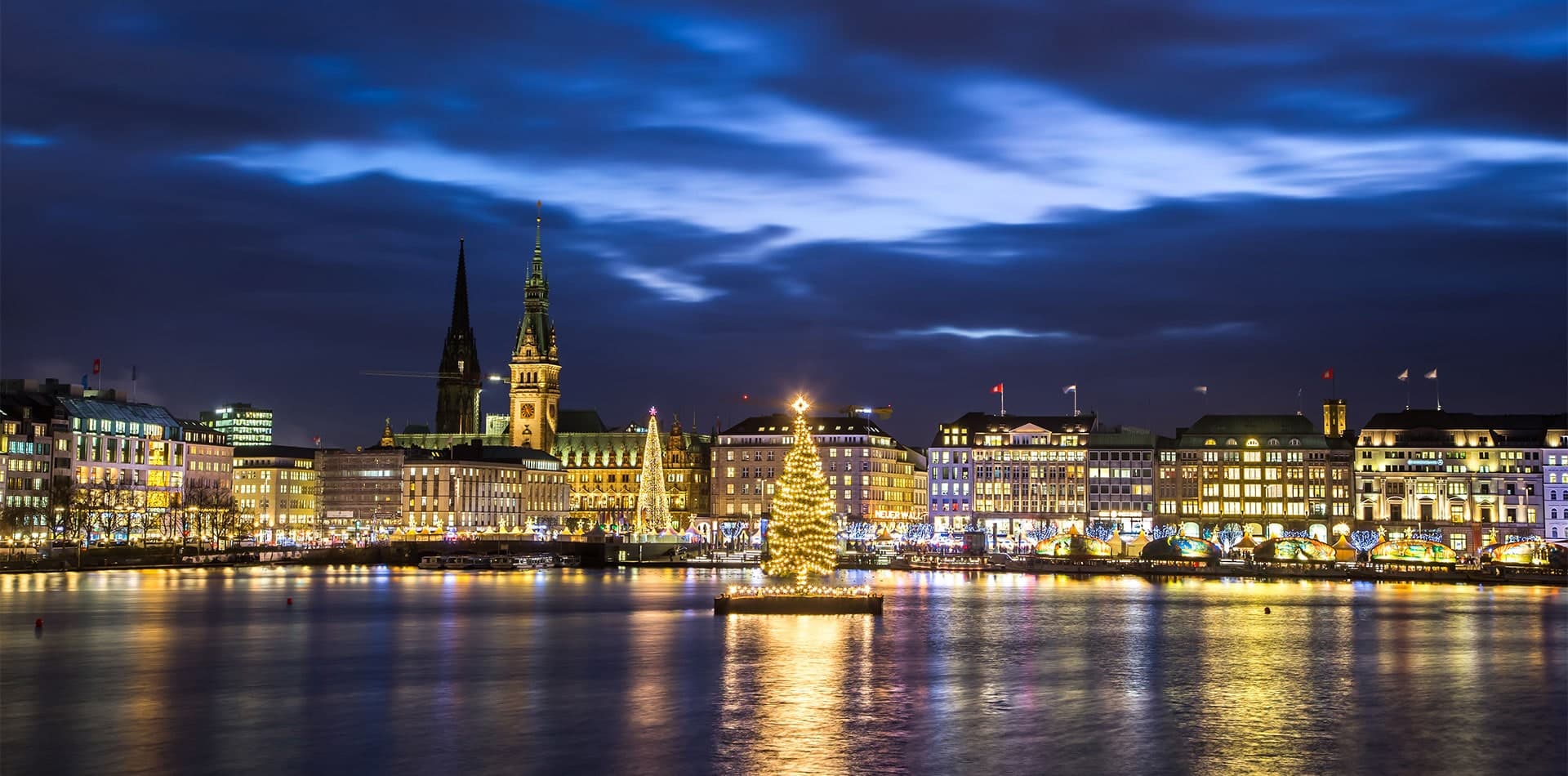
May to September brings the warmest, brightest weather, ideal for the cities, the coast and Rhine cruising. Spring and early autumn are comfortable and quieter, while late November and December turn German towns festive with some of Europe’s finest Christmas markets, if you can brave the cold.
Top things to do in Germany
- 1
Cruise the romantic Rhine
The middle Rhine between Rüdesheim and Koblenz is a UNESCO landscape of terraced vineyards, riverside villages and hilltop castles — the heart of Germany’s river-cruise country and one of Europe’s most scenic stretches of water.
- 2
Explore Hamburg and the Baltic ports
Hamburg’s vast harbour, warehouse district and concert hall make it a compelling northern city, while Baltic ports such as Kiel and Rostock (the gateway to Berlin) feature prominently on Northern European cruises.
- 3
Discover Bavaria and its castles
Fairy-tale Neuschwanstein, the Alpine scenery around the Zugspitze and Munich’s beer gardens give southern Germany its storybook appeal, an easy add-on to a wider European trip.
The cheapest Germany holidays right now
Lowest lead-in prices first, from live availability. Open one for its dates, and book directly with its operator.


Germany travel questions
- When is the best time to visit Germany?
- May to September offers the warmest weather for the cities, coast and Rhine cruising. Spring and early autumn are comfortable and quieter, while December brings Germany’s celebrated Christmas markets, at the cost of cold weather.
- Do UK citizens need a visa for Germany?
- No. UK passport holders can visit Germany without a visa for tourism and stay in the Schengen Area for up to 90 days in any 180-day period.
- What currency does Germany use?
- Germany uses the Euro (EUR). Cards are widely accepted in cities, but Germany remains relatively cash-friendly, so it is worth carrying some euros for smaller shops, cafés and markets.
- Is Germany expensive to visit?
- Germany offers fair value for Western Europe. Eating and drinking are reasonable, especially in beer halls and bakeries, and excellent public transport keeps day-to-day costs sensible in the major cities.
- Do they speak English in Germany?
- English is widely spoken in cities, tourist areas and the cruise and river trade, particularly among younger people. A few words of German are appreciated, but English will get most visitors by.
- How many hours ahead is Germany compared with the UK?
- Germany is one hour ahead of the UK on Central European Time, and adjusts for daylight saving on the same dates, so the one-hour difference applies all year round.
- Is Germany safe for tourists?
- Germany is a safe and welcoming destination with low crime. Ordinary care with valuables in busy stations and tourist areas is all that is needed for a relaxed visit.
- Do I need a travel adaptor for Germany?
- Yes. Germany uses Type F sockets at 230V, so a standard European travel adaptor will fit your UK three-pin plugs. UK devices run happily on the local voltage.
- What is a Rhine river cruise like?
- A Rhine cruise glides past vineyards, riverside towns and clifftop castles, with daily stops to explore on foot. The romantic middle Rhine is the scenic highlight, often combined with Cologne, the Moselle or the Black Forest.
- Which German ports do Baltic cruises visit?
- Hamburg, Kiel and Rostock (the port for Berlin) are the main German calls on Baltic and Northern European ocean cruises, often used as departure cities for the region.
Related travel guides
Belgium
Medieval canal cities, grand squares and the world’s best chocolate and beer — compact Belgium delivers outsized charm within easy reach of the UK.
France
From the lavender hills of Provence to the Atlantic ports of Brittany, France pairs world-class food, wine and art with a coastline made for cruising.