Travel guide
South Africa holidays: a travel guide for UK visitors
Cape Town beneath Table Mountain, safari in the Kruger and the coast of the Garden Route: a practical guide to South Africa tours and holidays, with the best time to visit South Africa for safari and for the Cape, month by month.
Why visit South Africa
South Africa fits a great deal into one trip, which is why so many first safaris begin here. Cape Town sits between Table Mountain and the sea, with the winelands of Stellenbosch an hour inland and the Cape Peninsula running south to the Cape of Good Hope, where penguins nest on the beach at Boulders. The Garden Route follows the southern coast east, past lagoons, forests and the ostrich country around Oudtshoorn. In the north-east, the Kruger National Park and the private reserves along its edge are among the best places in Africa to see the Big Five, from open vehicles with a ranger who knows the ground. History is close to the surface everywhere, from Robben Island, where Nelson Mandela spent eighteen years in prison, to the townships and museums of Johannesburg. Many of our holidays also cross the border to Victoria Falls, Botswana or Namibia. A tour makes the long distances, the transfers and the game drives straightforward, and puts a guide beside you in the cities.
Best time to visit South Africa
The best time to visit South Africa depends on whether the trip is mainly safari or mainly the Cape, because the two regions have opposite weather. For safari in the Kruger, the best time is the dry winter, from about June to September: the bush thins, animals gather at water and are easier to see, and there is less malaria risk, though early-morning game drives are cold. From November to March the Kruger is hot, green and stormy, with newborn animals and migrant birds. Cape Town has a Mediterranean climate, so it is the reverse: dry, warm and sunny from November to March, cooler, wetter and windier from June to August. April, May, September and October are good compromises for a trip that combines the two. Southern right whales come to the Cape coast from about June to November, and Hermanus is the best-known place to see them.
South Africa month by month
- JanuaryGood
- High summer: hot and dry in Cape Town, warm and thundery inland, with the bush lush after the early rains.
- FebruaryGood
- Still full summer; Cape Town stays reliably dry and sunny while Kruger sees regular afternoon storms.
- MarchGood
- Late summer, cooling gradually, with the Cape's dry season beginning to give way to its first autumn rain.
- AprilGood
- Autumn: mild and settled almost everywhere, a comfortable shoulder month before the dry season proper.
- MayGood
- Cooling further inland as the bush thins out; Cape Town turns wetter as its winter rains set in.
- JuneBest
- The dry season begins in earnest: thin bush and concentrated waterholes make this one of the best months for game viewing, and the first southern right whales reach the coast.
- JulyBest
- Cold, clear winter mornings inland are ideal for safari; Cape Town is at its wettest but still touring-friendly between showers.
- AugustBest
- Dry-season game viewing continues at its peak, and whale numbers build steadily off the southern Cape coast.
- SeptemberBest
- Spring: excellent wildlife viewing inland, whales at their most visible, and Cape Town's weather beginning to turn.
- OctoberGood
- Warming and greening up as the first rains return inland; whales remain off the coast into early in the month.
- NovemberGood
- Early summer, with rain becoming more frequent inland and the bush filling back out.
- DecemberGood
- Summer proper, hot and dry in Cape Town, warm and increasingly green inland, and the busiest month for local travel.
Top things to do in South Africa
- 1
Go on safari in the Kruger
The Kruger National Park and the private reserves on its western edge hold lions, leopards, elephants, buffalo and rhino, and about half of our South Africa holidays include them. Game drives go out early in the morning and in the late afternoon, when animals are most active. Nobody can promise a sighting; more drives mean better odds. The Kruger is in a malaria area, so ask your GP for advice.
- 2
See Cape Town and the Cape Peninsula
More than half of our South Africa tours begin or end in Cape Town. The cable car climbs Table Mountain when the weather allows, and the peninsula drive runs south past Chapman’s Peak to the Cape of Good Hope and the penguins at Boulders Beach. Ferries to Robben Island leave from the V&A Waterfront and sell out, so book ahead if your tour does not include it.
- 3
Follow the Garden Route
The Garden Route runs east along the southern coast between Mossel Bay and the Tsitsikamma forests, past Knysna’s lagoon and the beaches of Plettenberg Bay, with Oudtshoorn and its ostrich farms inland over the mountains. Many of our tours drive it between Cape Town and Port Elizabeth (Gqeberha), and some link it with the Kruger.
The cheapest South Africa holidays right now
Lowest lead-in prices first, from live availability. Open one for its dates, and book directly with its operator.
- Tour · 7 nightsVictoria Falls to South Africa Overland Safari & Participation Camping
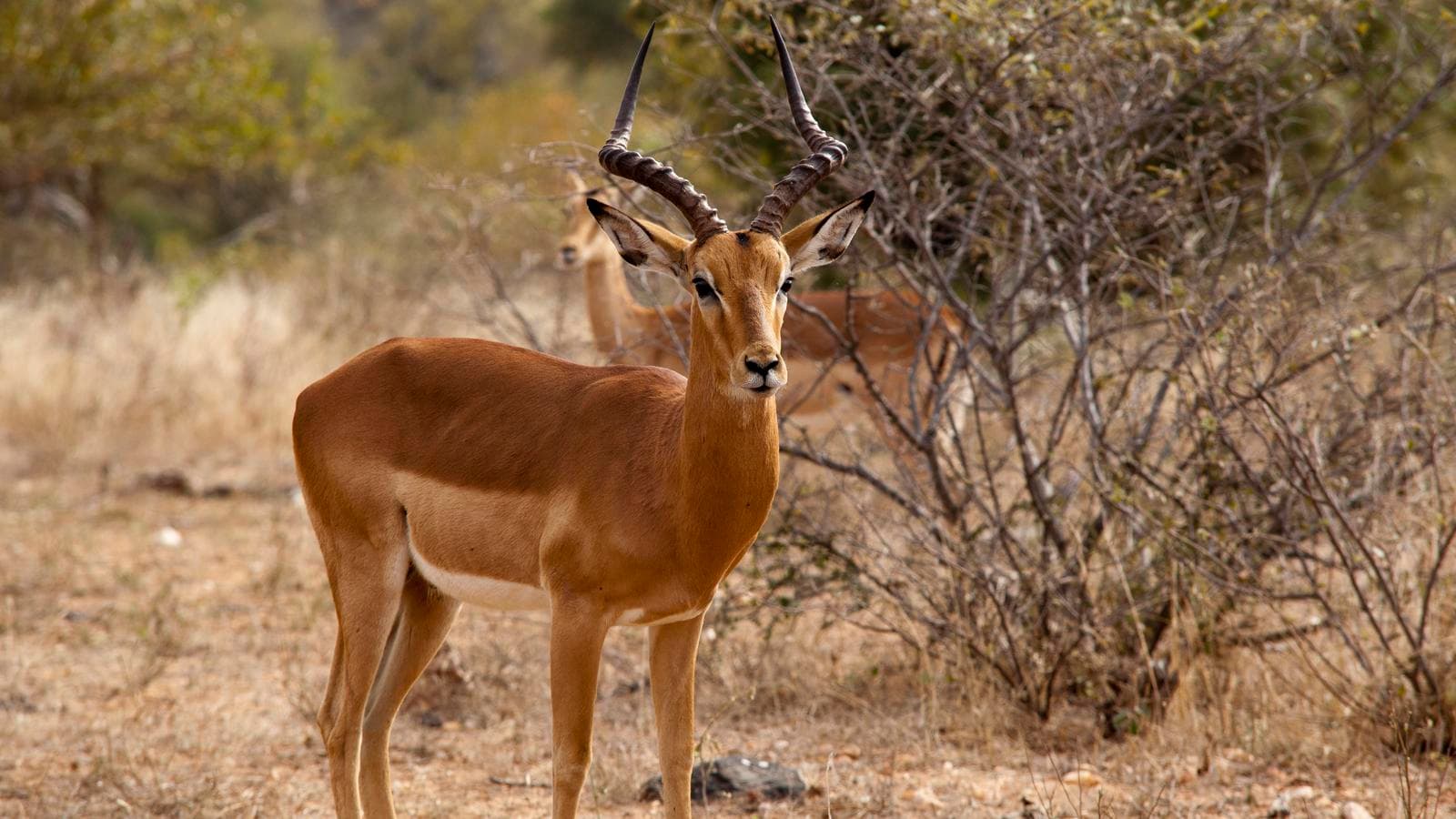
from£599.25per person
- Tour · 7 nightsKruger, Falls & Botswana: Wildlife Walks & National Parks
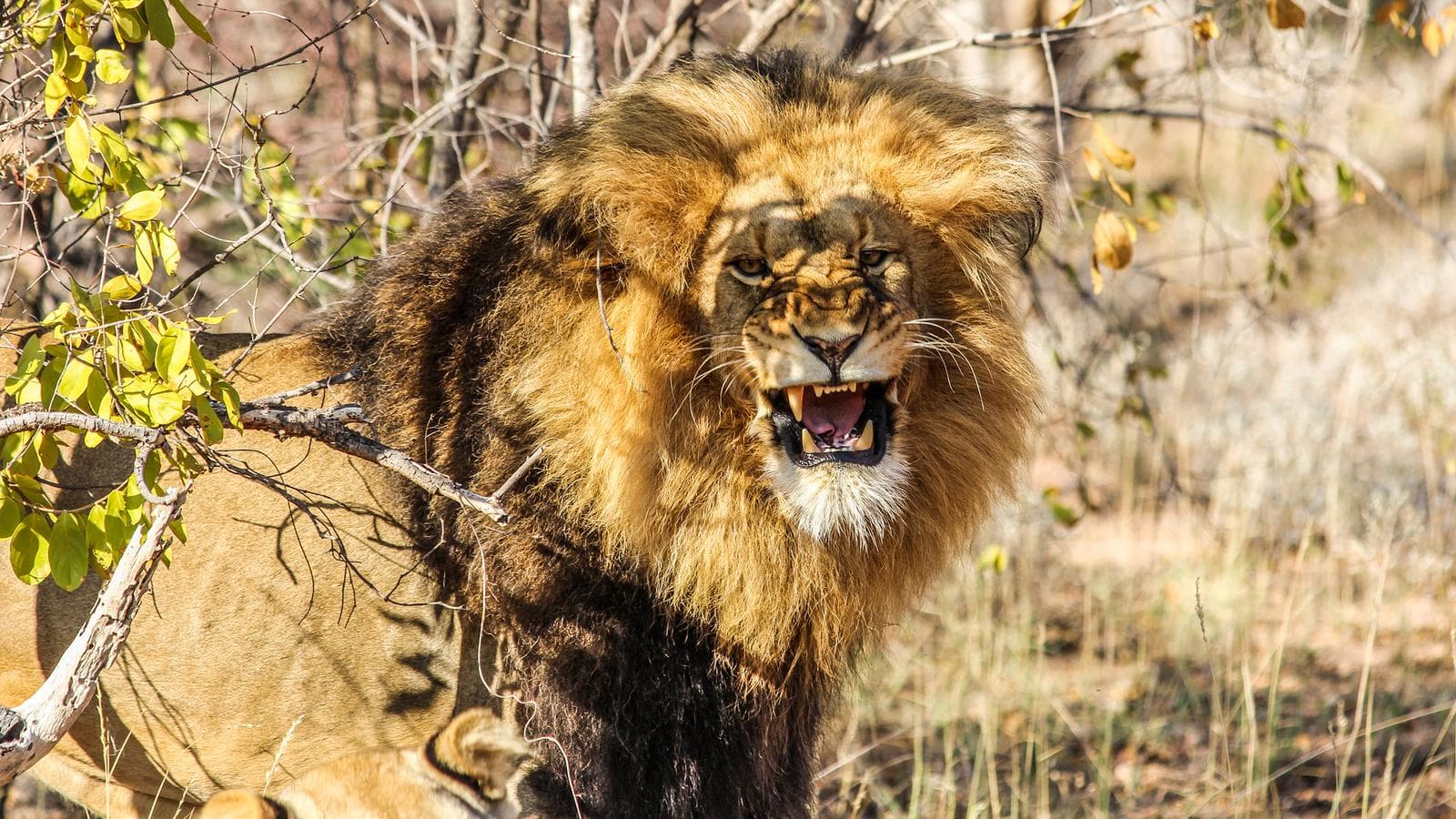
from£636.75per person
- Tour · 7 nightsJohannesburg to Victoria Falls Overland Safari & Participation Camping
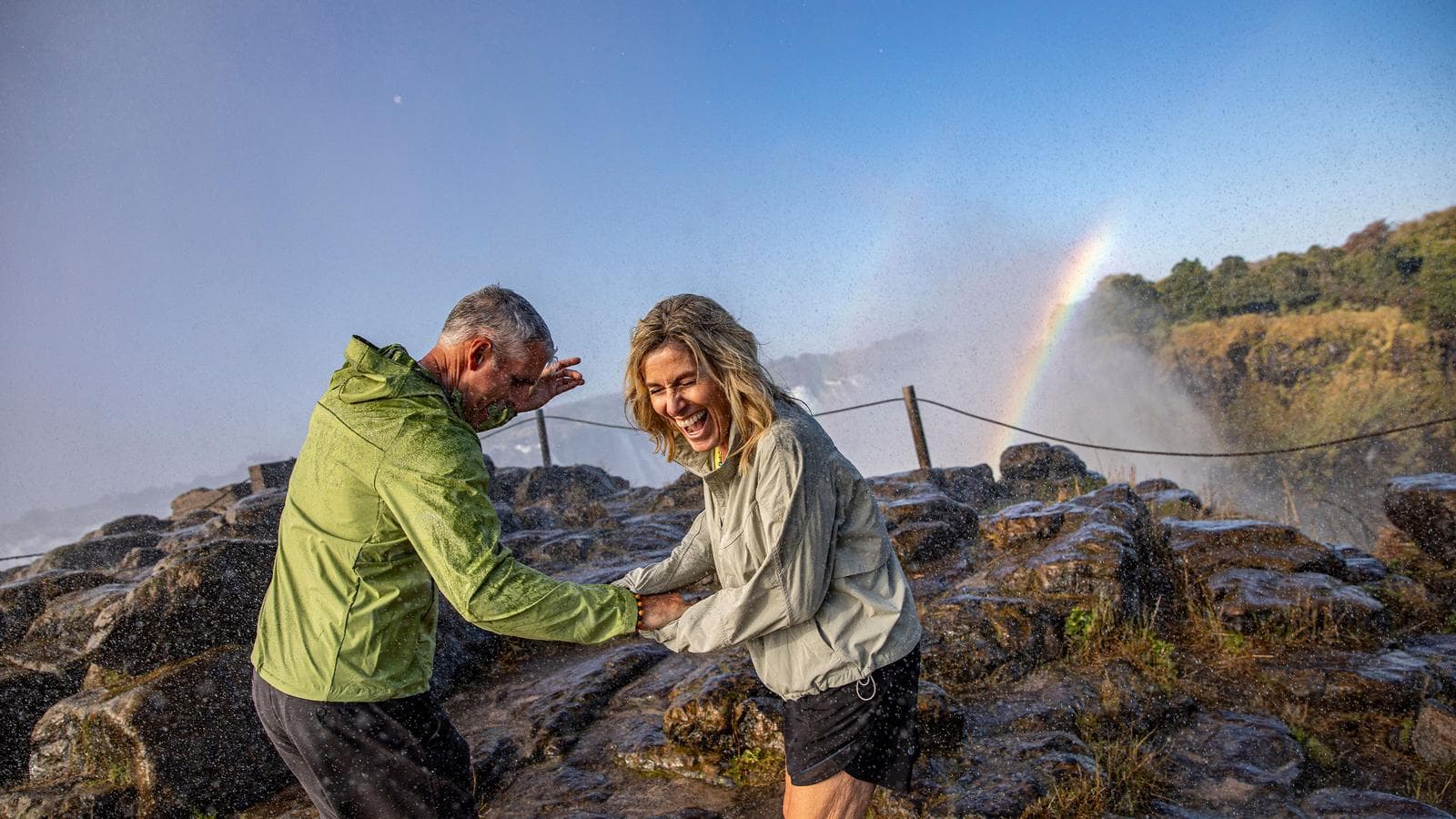
from£704.25per person
South Africa travel questions
- When is the best time to visit South Africa?
- For safari, June to September, when the bush is dry and animals are easiest to see. For Cape Town and the Garden Route, November to March, when the Cape is dry and sunny. April, May, September and October suit a trip that combines both.
- What is the best time for a safari in South Africa?
- The dry season, from about June to September. Vegetation is thin, animals gather at waterholes, and there are fewer mosquitoes. Early mornings are cold in an open vehicle, so take a warm layer. From November the rains bring green landscapes, newborn animals and migrant birds, but thicker cover.
- What is the best month to visit Cape Town?
- February and March are warm, dry and less busy than December and January, when South Africans are on holiday. Cape Town’s winter, June to August, is cooler, with rain and wind, but it is green and quiet and good for the winelands.
- Is South Africa safe for tourists?
- South Africa has high levels of crime, and it is right to take it seriously, but most visits are trouble-free. Crime is concentrated away from the places tourists go. On a tour, transfers, drivers and hotels are arranged for you. Don’t walk around after dark, keep phones and jewellery out of sight, and read the UK government’s advice before you travel.
- Do I need malaria tablets for the Kruger?
- The Kruger and the reserves around it are in a malaria area, and the risk is higher in the wet summer months. Some reserves, such as Madikwe and Pilanesberg, are malaria-free. Ask your GP or a travel clinic, and check TravelHealthPro, well before you go.
- Can I combine a safari with Cape Town?
- Yes, and most of our tours do. The usual pattern is a few days in Cape Town and the winelands, then a flight to the Kruger, sometimes with the Garden Route in between. Some continue to Victoria Falls or Botswana.
- How long should a South Africa tour be?
- Ten days to two weeks covers Cape Town, the Garden Route and the Kruger at a comfortable pace. A week is enough for Cape Town and a safari. Longer overland trips continue into Namibia, Botswana and Zimbabwe.
- Do UK citizens need a visa for South Africa?
- No. UK tourists can stay for up to 90 days without a visa. Your passport must be valid for at least 30 days after you leave, with at least two blank pages, and you must submit an online traveller declaration before you travel. Families with children should read the special rules. Check the UK government’s travel advice before you go.
- Can children go on game drives?
- Yes, but rules vary. Some private lodges set minimum ages for open-vehicle drives, and game drives last several hours and need quiet. Family tours plan shorter drives and other activities. Ask your operator what applies to your trip.
- How cold does it get on safari?
- Colder than many people expect. Winter mornings in the Kruger, from June to August, can be close to freezing before sunrise, though days warm up quickly. Pack a warm fleece, a hat and gloves for early drives, and layers you can take off.
- Is tipping expected in South Africa?
- Yes. Tipping is usual in restaurants, and for guides, rangers, trackers, drivers and porters. Many tours suggest an amount or collect a shared tip for the group, so ask your operator what is usual before you travel.
- What vaccinations do I need for South Africa?
- See your GP or a travel clinic at least six weeks before you go. They will check your routine vaccinations and advise on malaria if you are going to the Kruger. You need a yellow fever certificate only if you are arriving from a country with a risk of yellow fever. TravelHealthPro publishes the current advice.
- Do I need a travel adaptor for South Africa?
- Yes. Most sockets are Type M, with three large round pins, and UK plugs do not fit. The voltage is 230V, as in the UK, so you need only an adaptor, not a converter.