Travel guide
United States holidays: a travel guide for UK visitors
The Grand Canyon and the national parks of the West, Yosemite, Yellowstone, Alaska and the historic East Coast: a practical guide to USA tours and escorted holidays, with the best time to visit the United States region by region.
Why visit United States
The United States is less one destination than a dozen, and the first question is which. The West is the land of the national parks: the Grand Canyon, the red-rock canyons of Zion and Bryce, Monument Valley, the granite walls of Yosemite, and Yellowstone, with its geysers, bison and wolves. The East holds the country’s history, from the first English settlement at Jamestown through the colonial capital of Williamsburg and Philadelphia, where independence was declared, to Washington and New York, with New England’s autumn colour to the north. The Deep South has the music of Nashville, Memphis and New Orleans, and Alaska has glaciers, mountains and bears. Many people wonder whether an escorted tour of so large a country will feel rushed, or whether to drive themselves. A tour takes the driving off your hands on very long roads, arranges the park lodges that book up a year ahead, and puts a guide beside you who knows what you are looking at, which most people find is worth a great deal.
Best time to visit United States
The best time to visit the United States depends on the region, but for most touring holidays spring and autumn are best, roughly April to June and September to October, when it is warm without the summer heat and the crowds. The national parks of the Southwest, around the Grand Canyon, Zion and Bryce, are most comfortable in May, September and October; summer there is very hot, and the North Rim of the Grand Canyon closes for winter. Yellowstone and the Rockies are best from June to September, as snow closes many park roads from about November to May. New England’s autumn colour peaks from late September to mid-October, and those departures fill early. The Deep South and the big East Coast cities are hot and humid in July and August, so spring and autumn suit them best. Alaska’s season is short, from about May to September. Hurricane season on the Atlantic and Gulf coasts runs from June to November, and is most active from August to October.
United States month by month
- JanuaryQuiet
- Deep winter across most of the country; many national park roads at altitude are closed by snow.
- FebruaryQuiet
- Still cold and often snowbound inland, though the Deep South warms enough for early touring.
- MarchGood
- Spring arrives in the East and South; the Rockies and high desert parks remain cold.
- AprilGood
- A pleasant month in the mid-Atlantic and Deep South, though high mountain roads may still be closed.
- MayBest
- National park roads reopen at altitude and much of the country turns genuinely comfortable.
- JuneGood
- Warm and increasingly busy; the Atlantic hurricane season opens, a factor for Gulf and Atlantic coast stops.
- JulyGood
- Peak summer, with national parks fully open but at their most crowded and the South at its hottest.
- AugustQuiet
- Hot and humid across much of the South and East, with hurricane risk rising on the Gulf and Atlantic coasts.
- SeptemberBest
- Crowds ease, days stay warm, and New England foliage begins in earnest by late month.
- OctoberBest
- Peak foliage season in New England and pleasant conditions nationally, though hurricane season is not yet over on the coasts.
- NovemberQuiet
- Cooling fast; high mountain routes begin closing again and the Atlantic hurricane season ends on the 30th.
- DecemberQuiet
- Cold across most of the country, mild in the Deep South, and busy around the holidays.
Top things to do in United States
- 1
Tour the canyons and national parks of the Southwest
Many of our USA tours loop through the canyon country of Utah and Arizona, often from Las Vegas: Zion’s sheer red cliffs, the hoodoos of Bryce Canyon, Monument Valley, Horseshoe Bend and the South Rim of the Grand Canyon, best seen at sunrise or sunset. Days involve long drives between parks, and some walking on uneven trails at altitude.
- 2
See Yosemite and California
Yosemite Valley, with El Capitan, Half Dome and its waterfalls, is at the heart of several of our California tours, often with the giant sequoias, Death Valley, San Francisco and the coast. The waterfalls are fullest in late spring, with the snowmelt, and some high roads in the park close in winter.
- 3
Follow the history of the East Coast
Several of our holidays trace American history from Jamestown and Colonial Williamsburg in Virginia, through Charlottesville and Philadelphia, to Washington’s monuments and museums and New York. Some autumn departures continue to New England and across to Canada for the colours of the fall.
The cheapest United States holidays right now
Lowest lead-in prices first, from live availability. Open one for its dates, and book directly with its operator.
- Tour · 6 nightsSouthwest Road Trip: Zion, the Grand Canyon & Santa Monica Sunsets
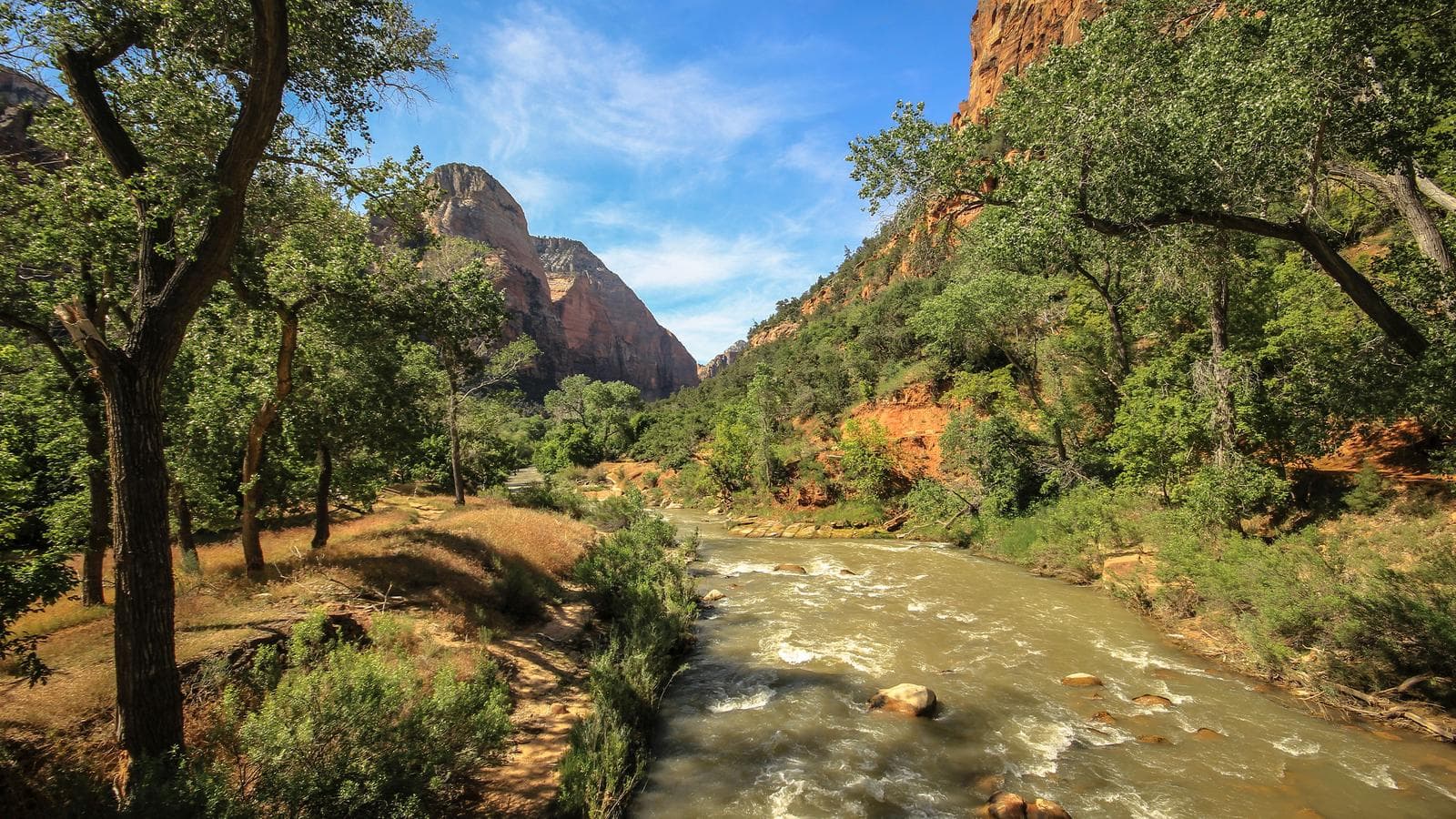
from£849per person
- Tour · 6 nightsCalifornia Dreaming: Yosemite, Death Valley & Coastal Camping
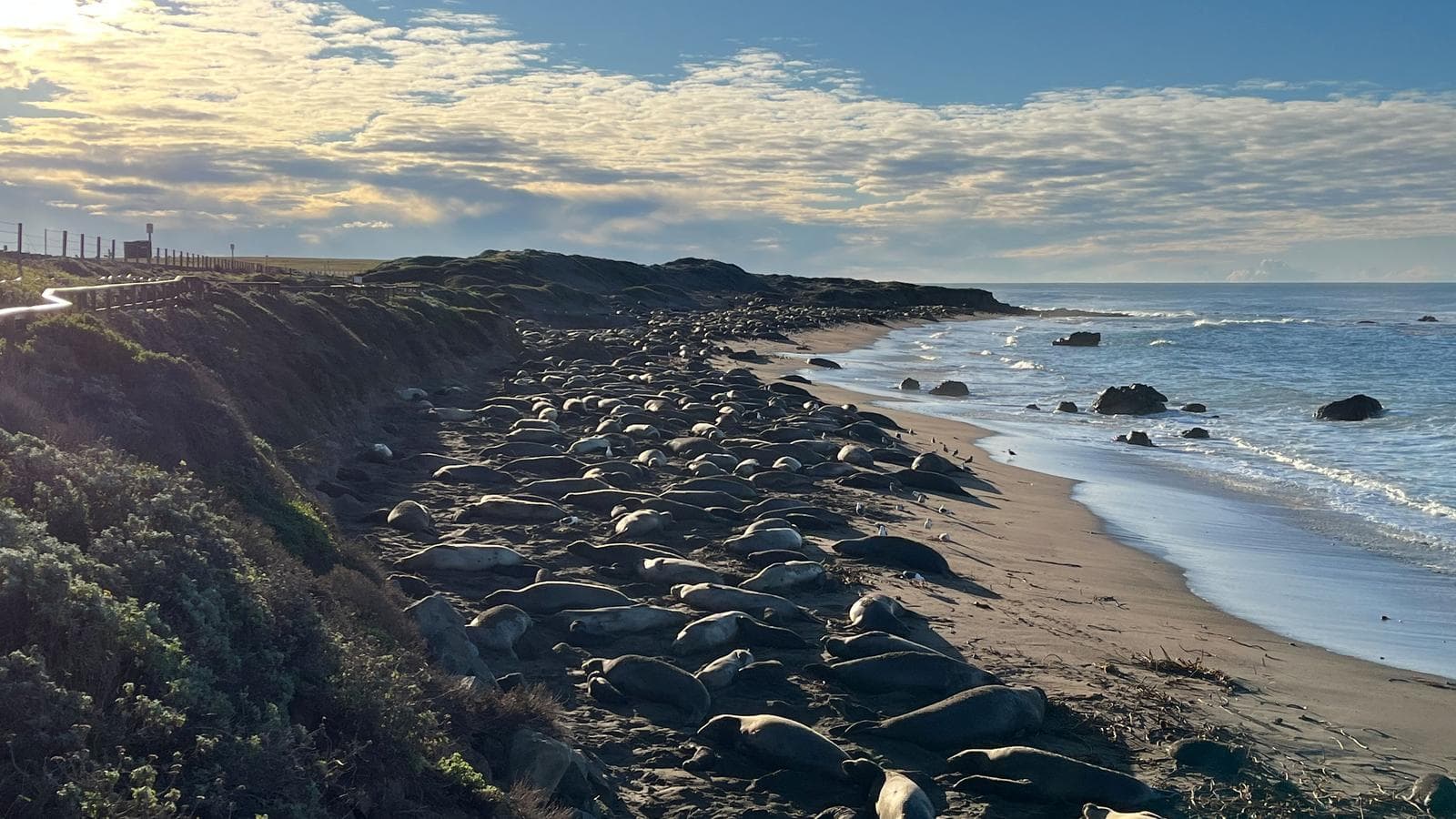
from£849per person
- Tour · 7 nightsHiking Sequoia, Kings Canyon, and Yosemite
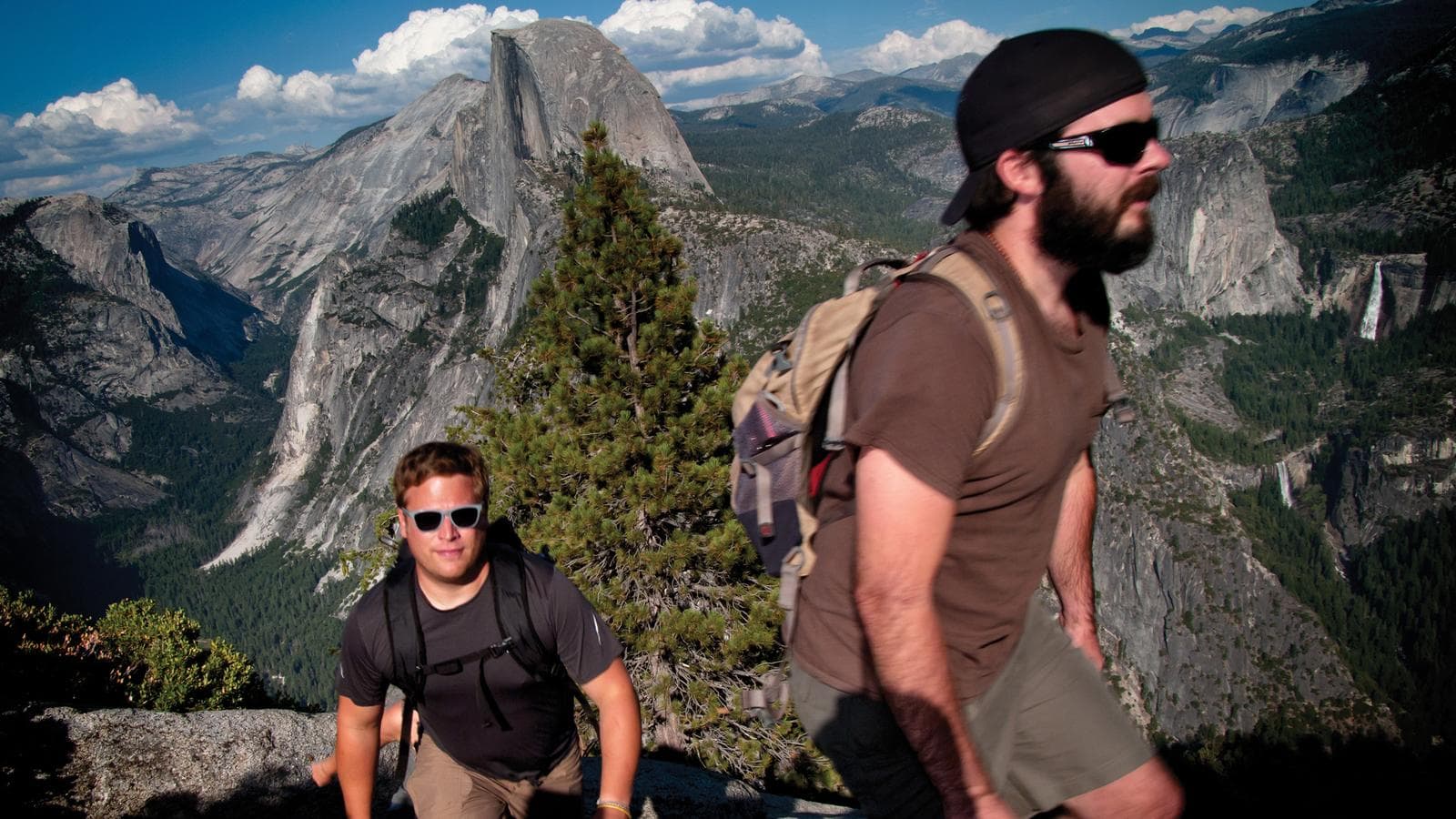
from£1,349per person
United States travel questions
- When is the best time to visit the United States?
- For most tours, spring and autumn: roughly April to June and September to October. The national parks of the Southwest are best in May, September and October, Yellowstone from June to September, and New England for autumn colour from late September to mid-October. July and August are hot and busy in many places.
- When is the best time for New England’s autumn colours?
- Usually from late September to mid-October, starting in the north and in the hills and moving south. The exact timing changes from year to year with the weather. Autumn departures are popular, so book early.
- Is an escorted tour of the USA too rushed?
- It depends on the tour. The distances are real, and some days are mostly driving. Look at how many nights each holiday spends in each place: itineraries with two or three nights in key spots, such as Las Vegas, Yosemite or Yellowstone, feel far less hurried.
- Is it better to drive myself or take a tour?
- A fly-drive gives freedom, but means long days at the wheel, on the right, and booking park lodges that sell out far ahead. A tour handles the driving, the bookings and the park entry, and a guide explains what you are seeing. For a first trip to the national parks, many people find a tour easier.
- Can I see the Grand Canyon, Yosemite and Las Vegas in one trip?
- Yes. Several of our West Coast tours combine them, usually with Zion, Bryce, Death Valley and San Francisco, in about two weeks. Expect some long days on the road between them.
- Do UK citizens need a visa or ESTA for the USA?
- Most UK tourists travel on an ESTA, applied for online before you go, rather than a visa. Apply only through the US government’s official website, as other sites charge extra. The rules have changed recently, so check the UK government’s travel advice before you book and again before you fly.
- How much should I tip in the USA?
- Tipping is expected. In restaurants, about 15 to 20 per cent of the bill is usual, and hotel porters and housekeeping expect a small tip. On tours, guides and drivers are usually tipped too; many operators suggest an amount or include some tips, so ask before you travel.
- Do I need travel insurance for the USA?
- Yes, with generous medical cover. Healthcare in the US is very expensive, and there is no reciprocal arrangement with the NHS. Make sure your policy covers everything you plan to do, and declare any medical conditions.
- Is the heat too much in summer?
- It can be. The deserts of the Southwest regularly pass forty degrees in July and August, and the Deep South and East Coast cities are hot and humid. If you go in summer, choose the mountains, Yellowstone or Alaska, and plan sightseeing for early morning.
- What should I pack for a national parks tour?
- Layers: in the canyons and mountains, mornings can be cold and afternoons hot, and much of the Southwest is at altitude. Comfortable walking shoes, a hat, sun cream and a refillable water bottle. A warm jacket for Yellowstone, the Grand Canyon’s rim at sunrise or Alaska.
- Can I take my prescription medicines to the USA?
- Usually, for your own use. Carry them in their original packaging, with a copy of your prescription or a letter from your doctor, and declare them if you are unsure. Some medicines are controlled differently in the US, so check the UK government’s travel advice and ask the US Embassy about anything strong.
- Do I need a travel adaptor for the USA?
- Yes. The US uses two-pin Type A and Type B sockets at 120V. Most phone and laptop chargers work on both voltages (check for 100–240V on the label), but UK hairdryers and straighteners often do not.