Travel guide
Argentina holidays: a travel guide for UK visitors
Buenos Aires, the Iguazú Falls and the glaciers and peaks of Patagonia: a practical guide to Argentina holidays and tours, often with Chile or Brazil, with the best time to visit Argentina month by month.
Why visit Argentina
Argentina is the eighth-largest country in the world, and a first trip has to choose. Most people start in Buenos Aires, a grand, slightly faded city of boulevards, cafés and late dinners, with tango in the old port district of La Boca and the great tombs of Recoleta cemetery, where Eva Perón is buried. From there, a flight north reaches the Iguazú Falls in the subtropical forest on the border with Brazil, and a flight south reaches Patagonia: the Perito Moreno glacier near El Calafate, the granite spires of Fitz Roy above El Chaltén and, at the end of the continent, Ushuaia on the Beagle Channel. Mendoza, beneath the Andes, makes Malbec, and the north-west around Salta has red-rock canyons and colonial towns. People ask whether Argentina is too big to see in a fortnight. It is, but two or three regions fit well, and many of our holidays combine it with Chile’s Torres del Paine, Rio de Janeiro or Antarctica. A tour handles the internal flights, which are the main way to cover the distances.
Best time to visit Argentina
The best time to visit Argentina depends on how far south you are going. Patagonia’s season runs from about October to April, and the best months are November to March, with long days for walking; it is windy in every season, and December to February is busiest. Buenos Aires, Iguazú and the north are most comfortable in spring and autumn, from about September to November and March to May, as summer, December to February, is hot and humid, with heavy storms. Iguazú carries the most water in the rainier summer months, but is impressive in any season. In winter, June to August, Patagonia is cold, with snow and fewer services, while Buenos Aires, Mendoza and the north-west are cool, dry and quiet. For a trip combining Buenos Aires, Iguazú and Patagonia, October, November and March are the best compromise. Chile and Argentina together, or Brazil and Argentina, suit the same spring and autumn months.
Argentina month by month
- JanuaryBest
- High summer in Patagonia, the peak trekking season around El Calafate and El Chalten; hot and humid further north.
- FebruaryBest
- Still full summer in the south, with long days for walking; Buenos Aires and Iguazu run warm and sticky.
- MarchBest
- Patagonia's trekking season continues in cooling, often calmer conditions, while the north grows more comfortable as summer humidity eases.
- AprilGood
- Autumn: Patagonia's season is winding down as the weather turns, while Buenos Aires, Iguazu and the northwest are at their most pleasant.
- MayGood
- Patagonia grows cold and quiet, with some trails and services closing for the season; the north stays mild and dry.
- JuneQuiet
- Winter in Patagonia, cold and often closed for serious trekking; Buenos Aires and Iguazu remain cool but touring-friendly.
- JulyQuiet
- Deep winter in the south, with snow closing many high routes; the north and the wine country further inland stay comfortable.
- AugustQuiet
- Patagonia is at its coldest and quietest; the rest of the country continues largely unaffected.
- SeptemberGood
- Spring returns to Patagonia as trails begin reopening, and the north warms further after its cooler winter months.
- OctoberBest
- Patagonia's trekking season is properly under way again, with wildflowers on the steppe and reliable, if often windy, conditions.
- NovemberBest
- Excellent conditions across most of the country: Patagonia before the summer crowds, and the north settling into its own warm season.
- DecemberBest
- Early summer in Patagonia and the start of its busiest months, with Buenos Aires and the north turning hot.
Top things to do in Argentina
- 1
Spend time in Buenos Aires
Most of our Argentina holidays spend time in Buenos Aires. The Plaza de Mayo and the Casa Rosada, the painted houses of La Boca, the antiques market of San Telmo on Sundays and the cemetery of Recoleta are the usual sights; the evenings are for steak, wine and, if you like, a tango show. Argentines dine late, often after nine.
- 2
See the Iguazú Falls
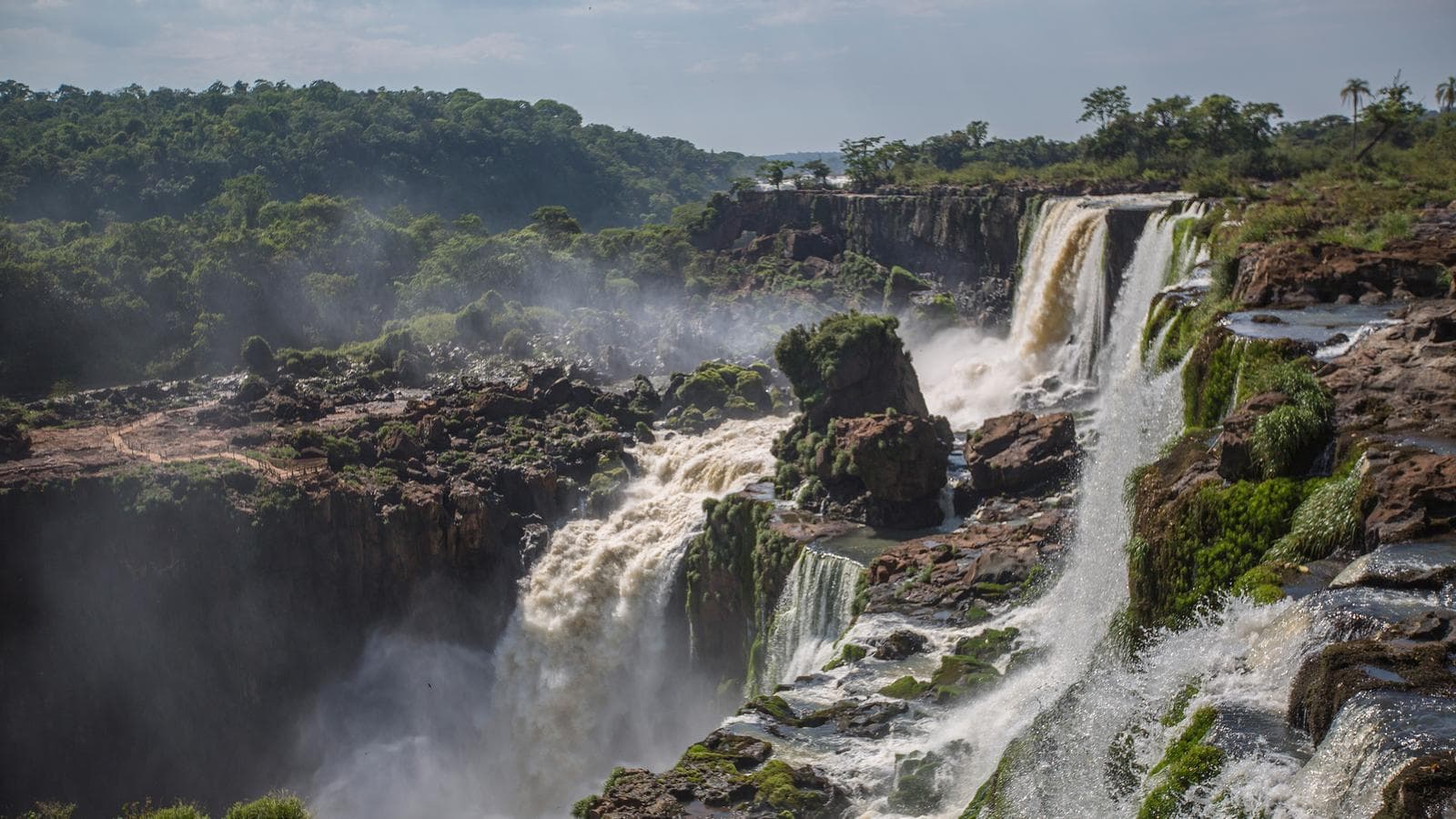
On the border with Brazil, the Iguazú river drops over a curved line of cliffs in some 275 separate falls. The Argentine side has trails and walkways above and among them, out to the Devil’s Throat, where the largest volume of water plunges into a narrow gorge. Several of our holidays fly here from Buenos Aires, and many also cross to the Brazilian side for the panorama.
- 3
Walk among the glaciers and peaks of Patagonia
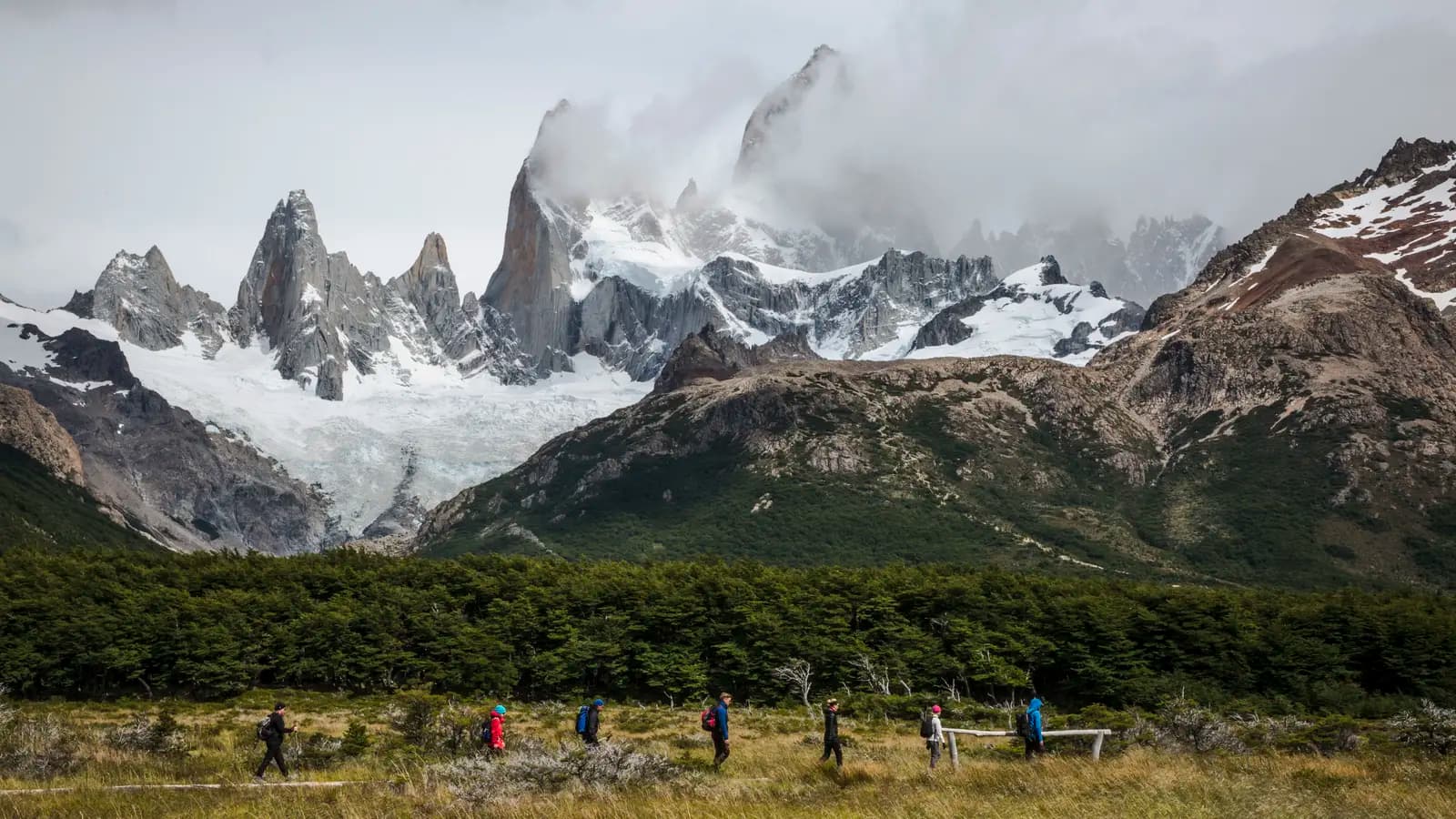
Near El Calafate, walkways face the front of the Perito Moreno glacier, where towers of ice break away into the lake with a noise like thunder. Further north, El Chaltén is the base for walks towards Fitz Roy, and in the far south Ushuaia looks out on the Beagle Channel. Several of our tours combine Argentine Patagonia with Torres del Paine in Chile, and some sail on from Ushuaia to Antarctica.
The cheapest Argentina holidays right now
Lowest lead-in prices first, from live availability. Open one for its dates, and book directly with its operator.
Argentina travel questions
- When is the best time to visit Argentina?
- For Patagonia, November to March. For Buenos Aires, Iguazú and the north, spring and autumn, roughly September to November and March to May, when it is warm rather than hot. October, November and March suit a trip that combines the whole country.
- What is the best time to visit Patagonia?
- November to March, the southern summer, with long days and the most services open. December to February is busiest. October and April are quieter and cooler. Patagonia is windy in every season, so pack for it. In winter, June to August, many trails and services close.
- What is the best time to visit Buenos Aires?
- Spring, September to November, when the jacaranda trees flower in purple across the city, and autumn, March to May. Summer, December to February, is hot and humid, and winter is cool but mild.
- Is Argentina too big to see in two weeks?
- Too big to see all of it, but two weeks covers Buenos Aires, Iguazú and one part of Patagonia comfortably, using internal flights. Many of our holidays take two to three weeks and add Chile or Brazil.
- Can I combine Argentina with Chile or Brazil?
- Yes, and many of our holidays do. Common routes link Buenos Aires and Iguazú with Rio de Janeiro, or cross the Andes between Mendoza and Santiago, or combine Argentine Patagonia with Torres del Paine in Chile.
- Which side of the Iguazú Falls is better?
- Both are worth seeing. The Argentine side has more trails, close to and above the falls, and the walk to the Devil’s Throat, and needs most of a day. The Brazilian side gives the panoramic view and takes a few hours.
- Will I see penguins in Patagonia?
- Possibly, depending on where and when you go. Magellanic penguins nest on the Atlantic coast and around the Beagle Channel from about September to March, and boat trips from Ushuaia visit colonies in season. Check whether your itinerary includes one.
- Do UK citizens need a visa for Argentina?
- No. UK tourists can stay for up to 90 days without a visa, and your passport must be valid for the length of your stay. Check the UK government’s travel advice before you go.
- Should I take cash or use cards in Argentina?
- Argentina has had high inflation and frequently changing exchange rules, and the best way to pay can change from one year to the next. Cards are widely accepted. Ask your operator for the current advice shortly before you travel, and take some cash for tips and small purchases.
- Is Buenos Aires safe for tourists?
- Mostly, with normal city care. Bag snatching and pickpocketing happen in busy areas and on public transport, so keep phones and valuables out of sight. Use registered taxis or transport arranged by your hotel or tour. Read the UK government’s travel advice before you go.
- What should I pack for Argentina?
- For a trip that includes Patagonia and the north, pack for both: a windproof and waterproof jacket, warm layers, hat and gloves for the south, and light clothes for the heat of Buenos Aires and Iguazú. Good walking shoes and strong sun cream for both.
- Is tipping expected in Argentina?
- Yes. About ten per cent is usual in restaurants, and tips for guides and drivers are customary on tours. Many operators suggest an amount, so ask before you travel.
- Do I need a travel adaptor for Argentina?
- Yes. Argentina mainly uses Type I sockets with angled flat pins, the same shape as Australia’s, and some two-pin round sockets. The voltage is 220V, so most UK chargers need only an adaptor.
Related travel guides
Brazil
Rio de Janeiro beneath Sugarloaf and Christ the Redeemer, the Iguaçu Falls and the colonial coast at Paraty: a practical guide to Brazil holidays and tours, often with Argentina, and the best time to visit Brazil month by month.
Peru
Machu Picchu, Cusco and the Sacred Valley, Lake Titicaca and the Amazon: a practical guide to Peru holidays and tours, with the best time to visit Peru and Machu Picchu month by month, and plain advice on altitude.