Travel guide
Japan holidays: a travel guide for UK visitors
Kyoto’s temples, Tokyo’s neon, Hiroshima and the snows of Hokkaido: a practical guide to Japan holidays and tours, with the best time to visit Japan month by month.
Why visit Japan
Japan is the country where a thousand-year-old temple and a station busier than most British towns sit a short train ride apart, and a first visit is mostly about seeing how the two belong together. Almost every Japan tour follows the same spine: Tokyo, Mount Fuji or Hakone, Kyoto and Osaka, linked by the bullet train, with Hiroshima and the island of Miyajima a day further west. Longer and more active trips add the Japanese Alps, the northern island of Hokkaido or the old pilgrim trails of the Kumano Kodo. It is an easy country to be a visitor in, safe, clean and punctual, but a hard one to read: the signs, the etiquette and the size of the stations are where a guide earns their place, and a tour takes care of the trains, the tickets and the luggage.
Best time to visit Japan
The best time to visit Japan is spring or autumn. April is cherry blossom season in Tokyo and Kyoto: mild, often sunny, beautiful and the busiest weeks of the year, so it books up early. May is as pleasant once Golden Week, the national holidays at the start of the month, is over. October and November are the other high point: dry, clear days that are comfortable for walking, and autumn colour that peaks in Kyoto and Tokyo in November. June is the rainy season, and July and August are hot and humid in the cities, often above 35 degrees, with typhoons possible from late summer into the autumn; Hokkaido, in the north, stays cooler and drier. Winter, from December to February, is cold, clear and quiet in the cities, and the season for Hokkaido’s snow and the Sapporo Snow Festival.
Japan month by month
- JanuaryGood
- Cold, dry and clear in Tokyo and Kyoto, with the year’s smallest crowds; Hokkaido is deep in snow.
- FebruaryGood
- Still cold and quiet in the cities; the Sapporo Snow Festival fills Hokkaido early in the month.
- MarchGood
- Warming through the month, with the first cherry blossom in the south and crowds building towards April.
- AprilBest
- Cherry blossom season across Tokyo and Kyoto: mild, often sunny, and the busiest weeks of the year.
- MayBest
- Warm and settled after Golden Week, the national holidays at the start of the month, when Japan itself travels.
- JuneQuiet
- The rainy season, tsuyu, brings frequent downpours and rising humidity everywhere except Hokkaido.
- JulyQuiet
- The rain ends mid-month and the heat and humidity arrive; Kyoto holds the Gion Matsuri festival.
- AugustAvoid
- The hottest month, often above 35 degrees in the cities, and typhoons begin; Hokkaido stays cooler.
- SeptemberQuiet
- Heat lingers and typhoon season peaks, though the international crowds thin out.
- OctoberBest
- Clear, dry and comfortable for walking, with autumn colour starting in the north and the mountains.
- NovemberBest
- Autumn colour at its height in Kyoto and Tokyo, crisp days, and clear views of Mount Fuji.
- DecemberGood
- Cold and bright, quiet before the New Year holidays, with winter illuminations in the cities.
Top things to do in Japan
- 1
Walk the temples and gardens of Kyoto
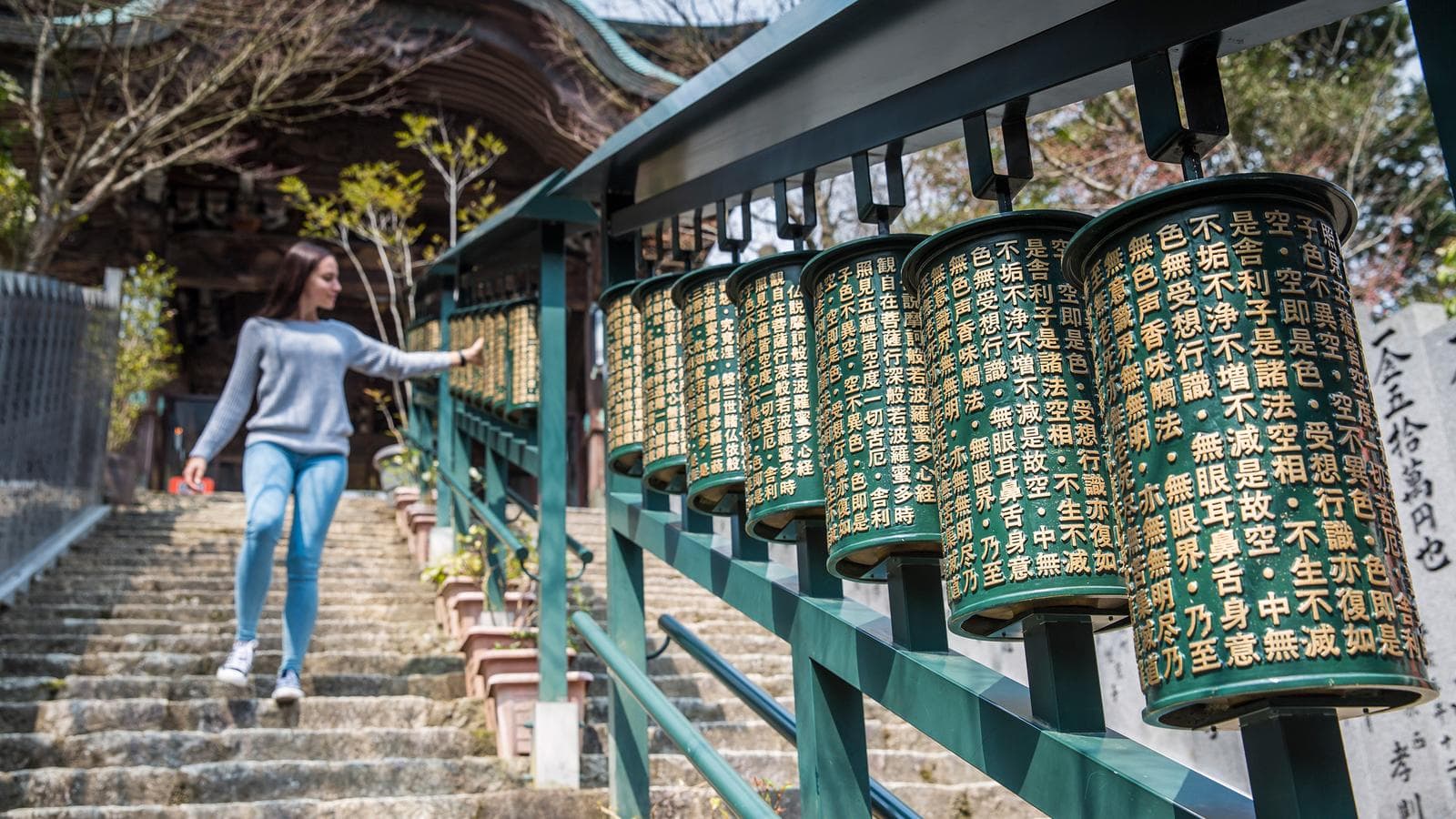
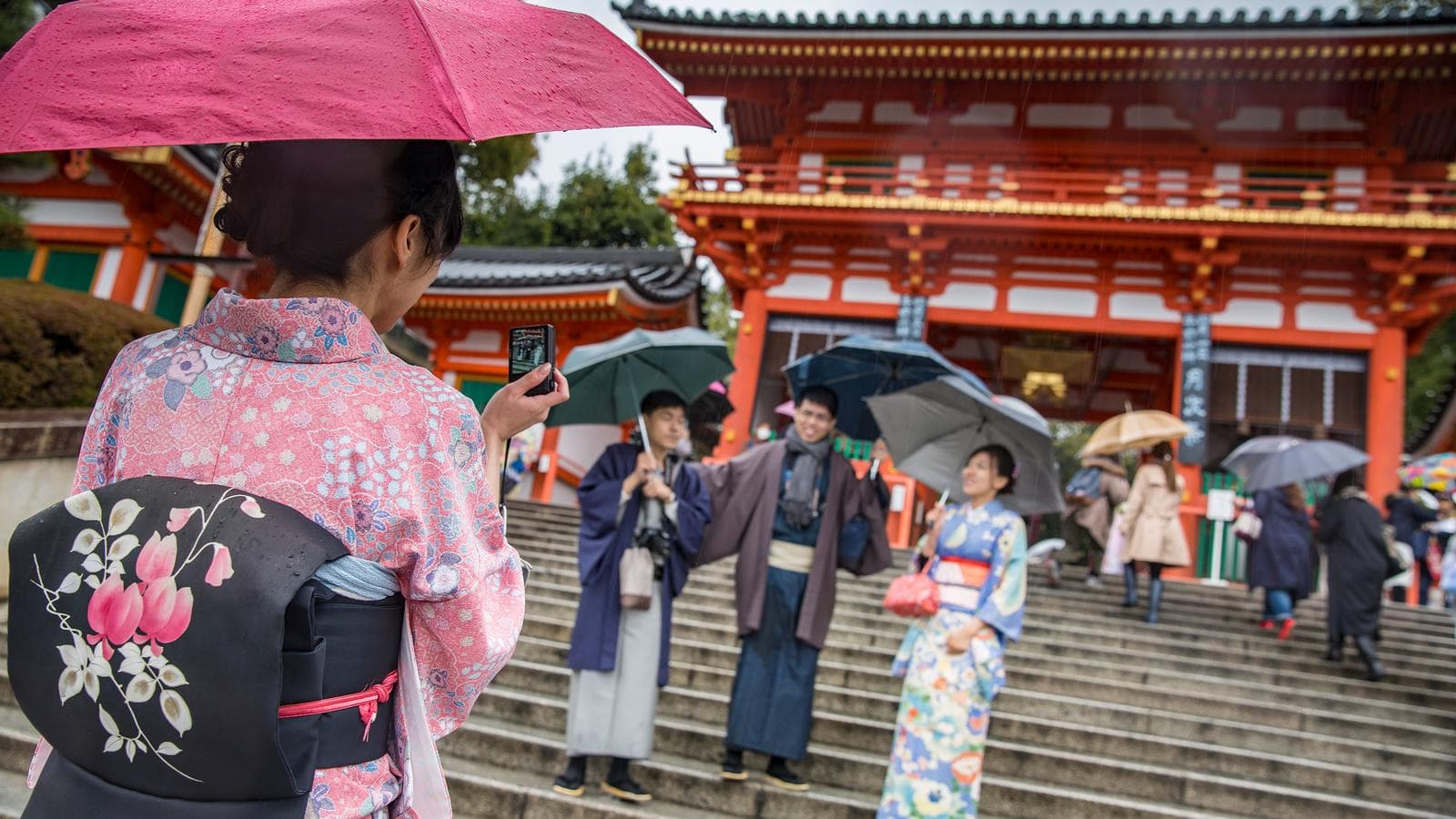
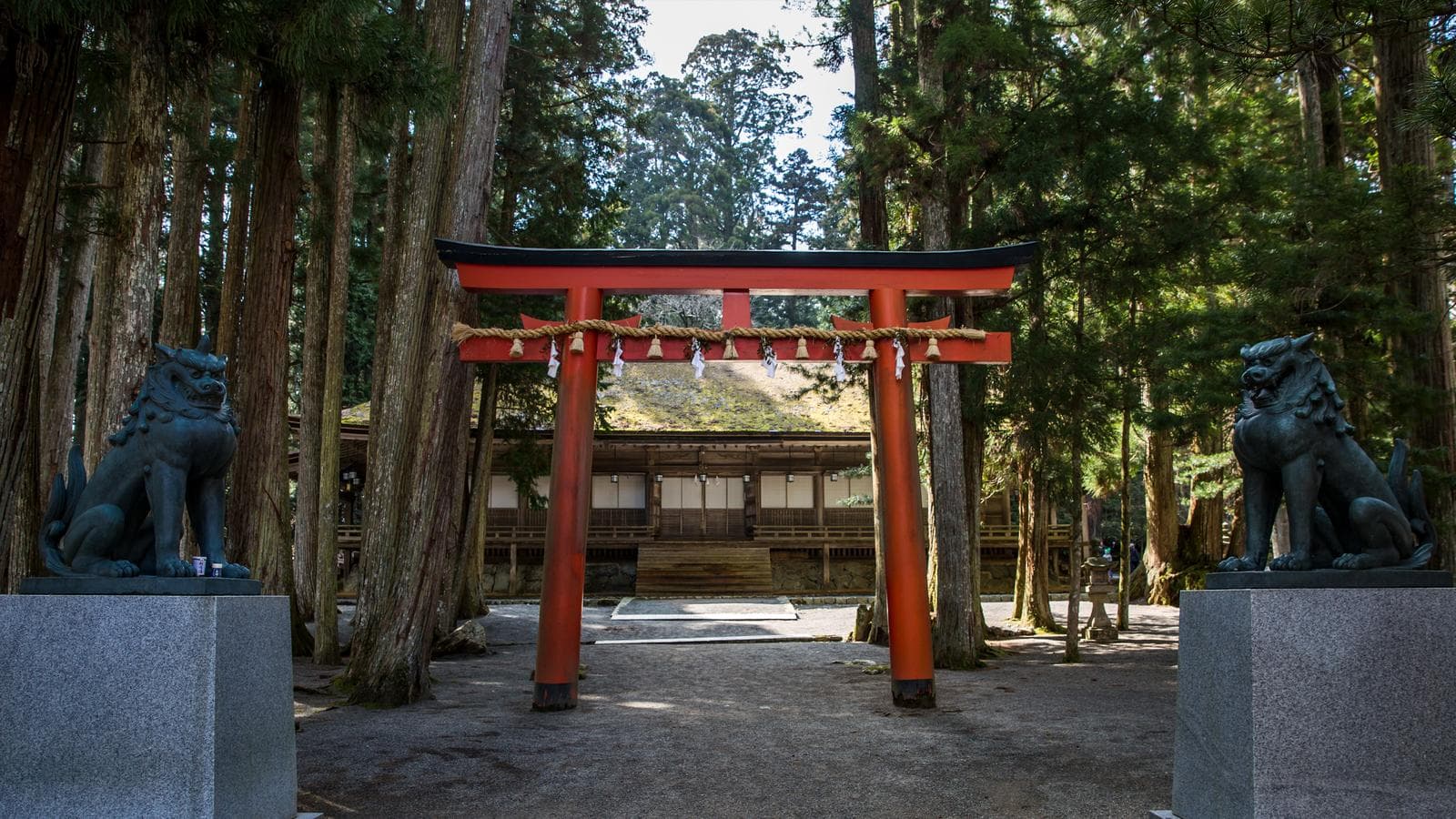
Japan’s old imperial capital has more than a thousand temples and shrines, from the gold pavilion of Kinkaku-ji to the thousands of red gates climbing the hill at Fushimi Inari. Most tours spend two or three nights here, and early mornings are the quietest time at the best-known sites.
- 2
Visit Hiroshima and the island of Miyajima
The Peace Memorial Park and its museum tell the story of 6 August 1945 plainly and powerfully; most visitors find it the most affecting day of the trip. A short ferry ride away, the island of Miyajima has the great torii gate that stands in the sea at high tide.
- 3
See Hokkaido, the northern island
Volcanic lakes, hot springs and wide national parks make Hokkaido feel like a different country from Tokyo. It is cooler in summer and deep in snow in winter, when Sapporo holds its Snow Festival, and several tours are built entirely around it.
The cheapest Japan holidays right now
Lowest lead-in prices first, from live availability. Open one for its dates, and book directly with its operator.
Japan travel questions
- When is the best time to visit Japan?
- Spring and autumn. April brings cherry blossom to Tokyo and Kyoto, and May is as pleasant once Golden Week is over. October and November are dry and clear, with autumn colour at its best in November. June is the rainy season, and July and August are very hot and humid in the cities.
- When is cherry blossom season in Japan?
- It moves north through the country, starting in the south in late March and reaching Tokyo and Kyoto in late March or early April. The exact week changes each year and the blossom lasts only a week or so, so tours built around it are dated for the usual peak. These are the busiest weeks of the year, and they book up early.
- Is two weeks enough for Japan?
- Two weeks covers the classic route comfortably: Tokyo, Mount Fuji or Hakone, Kyoto, Osaka, Hiroshima and Miyajima. Shorter tours of a week or so concentrate on Tokyo and Kyoto. Longer trips add the Japanese Alps, Hokkaido or the Kumano Kodo walking trails.
- Do UK citizens need a visa for Japan?
- Not in advance for a holiday. British tourists are given permission to stay for up to 90 days on arrival. Your passport must be valid for the whole of your stay, and you must carry it with you while you are there. Check the UK government’s travel advice before you book, as rules can change.
- Can I take my usual medicines to Japan?
- Check before you pack. Some common UK medicines are illegal in Japan, including Vicks inhalers, cold and flu remedies containing pseudoephedrine, and some painkillers containing codeine, and visitors have been detained for carrying them. The UK government’s travel advice lists them; ask the Japanese Embassy in London about anything you take regularly, well before you travel.
- Is August too hot to visit Japan?
- It is hot and humid in Tokyo, Kyoto and Osaka, often above 35 degrees, which makes long days of sightseeing tiring. Hokkaido, in the north, is cooler, and tours there are a good summer choice. If you can only travel in the school holidays, plan for early starts and a rest in the middle of the day.
- What is Golden Week?
- A run of national holidays at the end of April and start of May, when much of Japan travels at the same time. Trains, hotels and the best-known sights are at their busiest, so many tours avoid those dates.
- Should I take a tour or travel around Japan on my own?
- Japan’s trains make independent travel possible, but the stations are vast, the signs outside the cities are mostly in Japanese, and moving luggage between hotels is hard work. A tour takes care of the tickets, the connections and the bags, and a local guide explains the customs. Tours range from fully guided to small groups with free time in each city.
- Are there Japan tours for solo travellers?
- Yes. Just You runs tours made entirely of solo travellers, and some small-group tours are designed for people travelling alone. Whether you pay a single supplement depends on the operator and the tour, so check the details before you book.
- How does luggage work on a tour of Japan?
- It depends on the tour. Some move your bags by coach; others travel by public train and use Japan’s luggage forwarding services, sending main bags ahead to a later hotel while you carry an overnight bag. Check what your tour includes, and pack a small bag you can manage on the train.
- Is Japan good for vegetarians?
- Manageable, with some care. Fish stock, dashi, is used in many dishes that look vegetarian, including soups, noodles and sauces. Tell your tour operator when you book, so meals included on the tour can be arranged; Buddhist temple cooking, shojin ryori, is entirely vegetarian.
- Do I need cash in Japan?
- Yes. Japan is still largely a cash society, and some shops, restaurants and temples do not take foreign cards. Cash machines in convenience stores and post offices usually accept UK cards. Carry some yen at all times.
- Can I go to a hot spring with a tattoo?
- Many onsen, Japan’s traditional hot springs, still refuse entry to people with visible tattoos, though some allow them or let you cover a small tattoo. Ask your guide or hotel; private baths are an alternative.
- Do you tip in Japan?
- No. Tipping is not part of Japanese culture, and offering money in a restaurant can cause confusion. Tour guides are the exception some operators suggest; check your tour’s guidance.
- Is Japan safe for tourists?
- Japan is generally very safe. Take care in the late-night entertainment districts of the big cities, and know that Japan has earthquakes and, from June to December, typhoons: follow the instructions in your hotel and from local authorities. Read the UK government’s travel advice before you go.
Related travel guides
China
The Great Wall, the Terracotta Army, the pandas of Chengdu and the karst hills of Yangshuo: a practical guide to China holidays and tours. It covers the best time to visit China month by month, how long to go for and how to plan around Golden Week.
South Korea
Seoul’s palaces and markets, the royal tombs of Gyeongju and the harbour at Busan: a practical guide to South Korea holidays and tours, with the best time to visit Korea month by month.