Travel guide
South Korea holidays: a travel guide for UK visitors
Seoul’s palaces and markets, the royal tombs of Gyeongju and the harbour at Busan: a practical guide to South Korea holidays and tours, with the best time to visit Korea month by month.
Why visit South Korea
You do not need to care about K-pop to enjoy South Korea, though plenty of people arrive because of it. What most visitors find is a country that is easy to travel in, unusually safe, and full of history that rarely makes it into British schoolbooks. Seoul has five royal palaces from the Joseon dynasty, lanes of tiled hanok houses on the hill between two of them, and covered markets where much of the city eats. Gyeongju, in the south-east, was the capital of the Silla kingdom for a thousand years and still has its royal burial mounds in the middle of town. Busan, on the south coast, is a harbour city of fish markets, beaches and steep hillside villages. Beyond them are green-tea terraces, Buddhist temples in the mountains and, offshore, the volcanic island of Jeju. Compared with Japan, it is smaller, a little less polished and generally less crowded, and the two make a good pairing: several of our tours cover both.
Best time to visit South Korea
The best time to visit South Korea is spring, from April to May, or autumn, from late September to early November. The cherry blossom opens in the far south in late March and reaches Seoul in early April, and the weeks it lasts are the busiest of the spring; May is warmer, greener and calmer, and many think it the better month for touring. Spring can also bring days of hazy yellow dust blown in from the deserts to the west. October is the favourite month of the year: dry, clear and cool, with the leaves turning first in the mountains and later, into November, in the south. Summer is the hardest season: the rainy season, changma, usually arrives in late June and lasts about a month, and August that follows is hot and humid, with typhoons possible from summer into autumn. Winter, from December to February, is dry and sunny but very cold, especially in Seoul. Two national holidays, Seollal (the Lunar New Year, in January or February) and Chuseok (the autumn harvest festival, usually in September), fill the roads and trains and close many shops for a few days.
South Korea month by month
- JanuaryQuiet
- The coldest month, dry and often well below freezing in Seoul, with snow in the mountains.
- FebruaryQuiet
- Still cold; the Lunar New Year holiday fills trains and closes many shops for a few days.
- MarchGood
- Cool and dry, warming through the month, with the first blossom in the far south by the end of it.
- AprilBest
- Cherry blossom season, reaching Seoul early in the month; mild, busy, and sometimes hazy with spring dust.
- MayBest
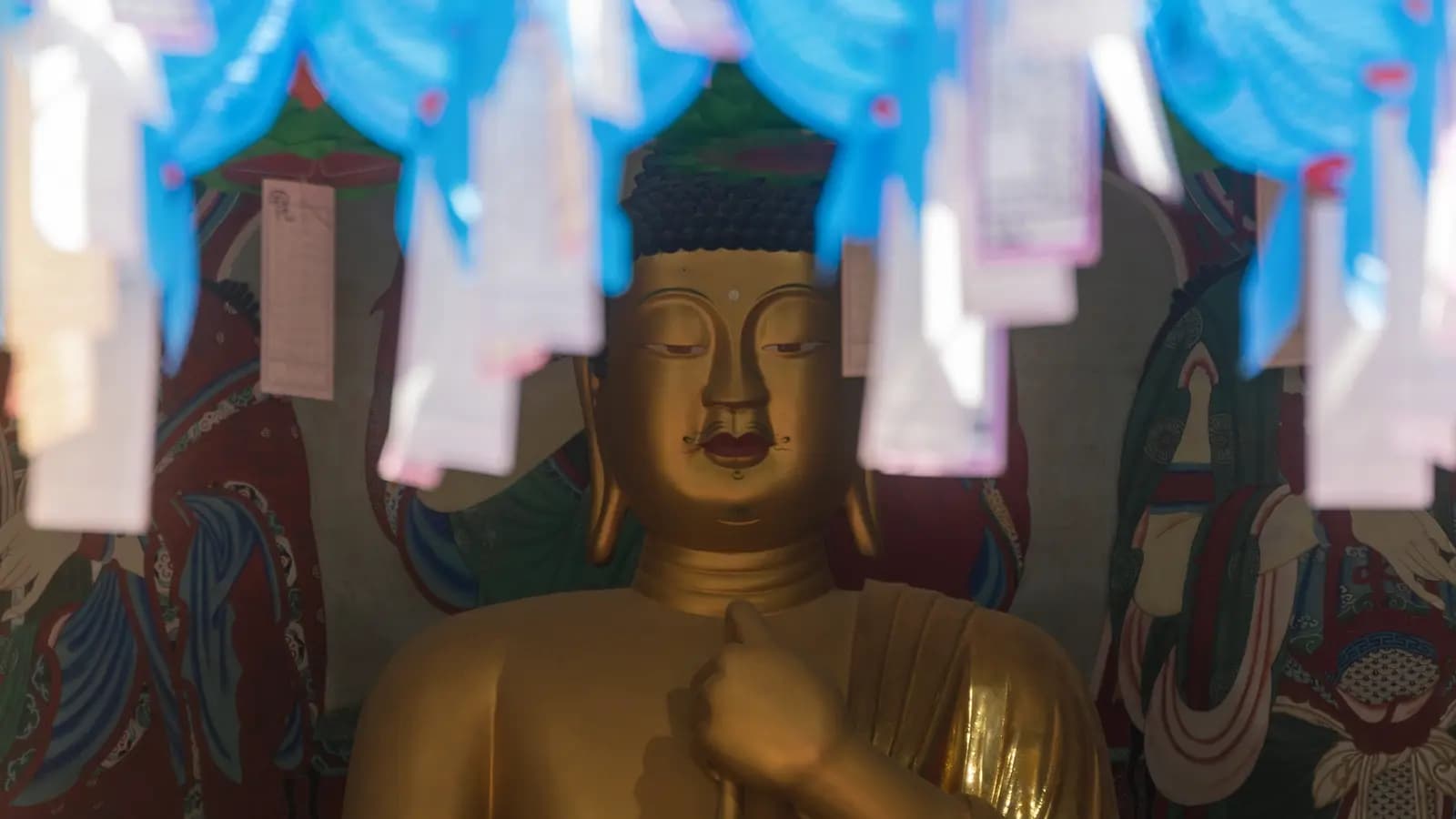
- Warm, sunny and green, with lanterns hung for the Buddha’s birthday; one of the best months for touring.
- JuneGood
- Pleasant early in the month, growing humid towards the start of the summer rainy season.
- JulyAvoid
- The rainy season, changma, brings heavy downpours and sticky heat across the mainland.
- AugustAvoid
- The hottest month, humid and close, with school-holiday crowds and the chance of typhoons.
- SeptemberGood
- The heat breaks and the air clears; the Chuseok harvest holiday brings busy roads and closures.
- OctoberBest
- Clear, dry autumn weather and the leaves turning in the mountains; the best month of the year for many.
- NovemberGood
- Cool and bright, with autumn colour lingering in the south and Busan into the early part of the month.
- DecemberQuiet
- Cold, dry and clear, with winter setting in; city sightseeing carries on, wrapped up.
Top things to do in South Korea
- 1
Walk Seoul’s palaces and hanok lanes
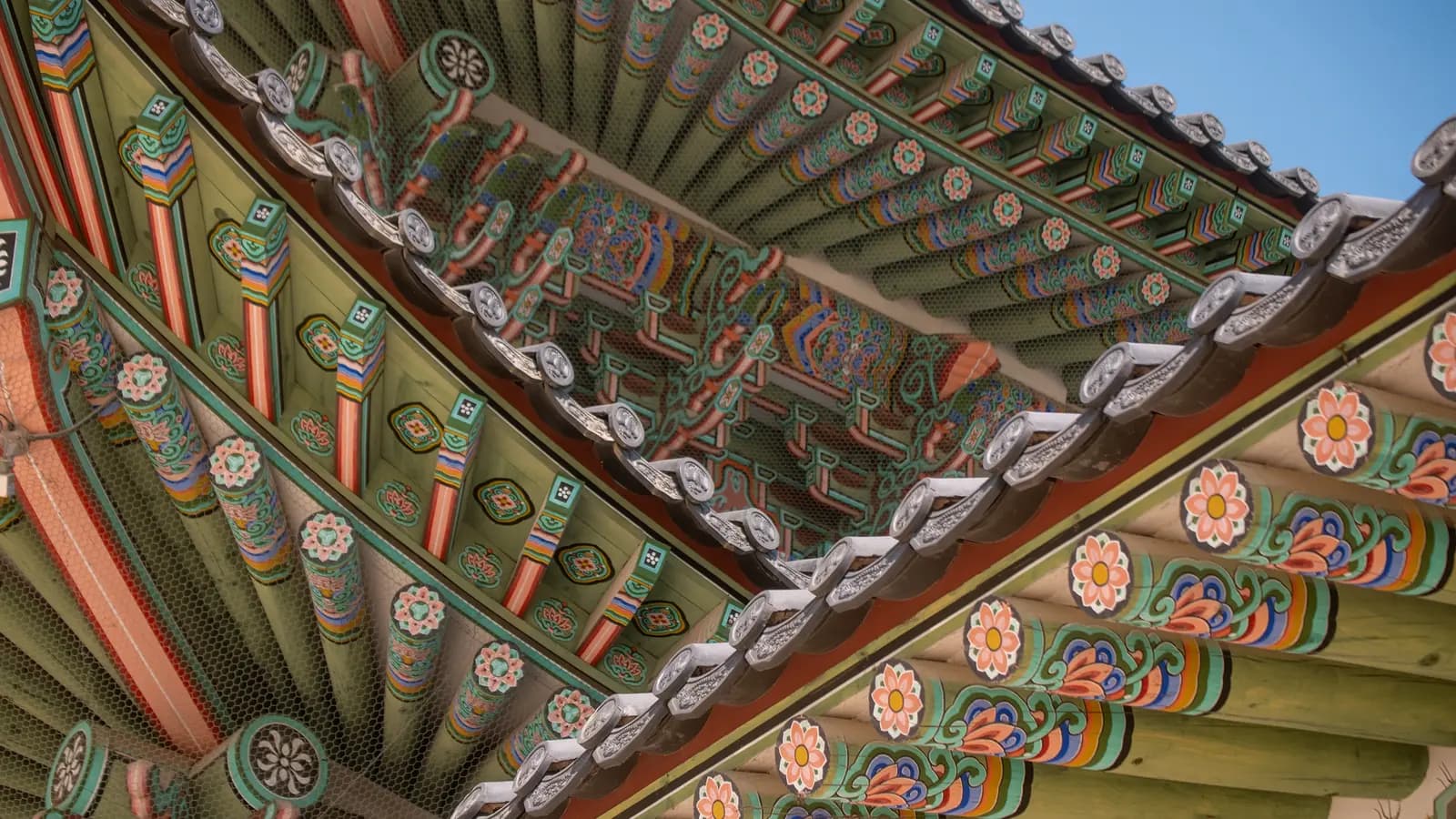
Every South Korea tour starts here. Gyeongbokgung, the largest of the Joseon palaces, has its throne hall and its changing of the guard; on the hill beside it, the old tiled houses of Bukchon still have people living in them, so keep your voice down. In the evenings, the covered markets are the place to eat.
- 2
See the Silla capital at Gyeongju
For a thousand years the capital of the Silla kingdom, and now a quiet town built around its past: grassy royal burial mounds in the town centre, a seventh-century stone observatory, and in the hills outside, Bulguksa temple and the stone Buddha of Seokguram. Both are World Heritage sites, and the temple involves a good deal of walking on slopes and steps.
- 3
Go down to Busan and the south coast
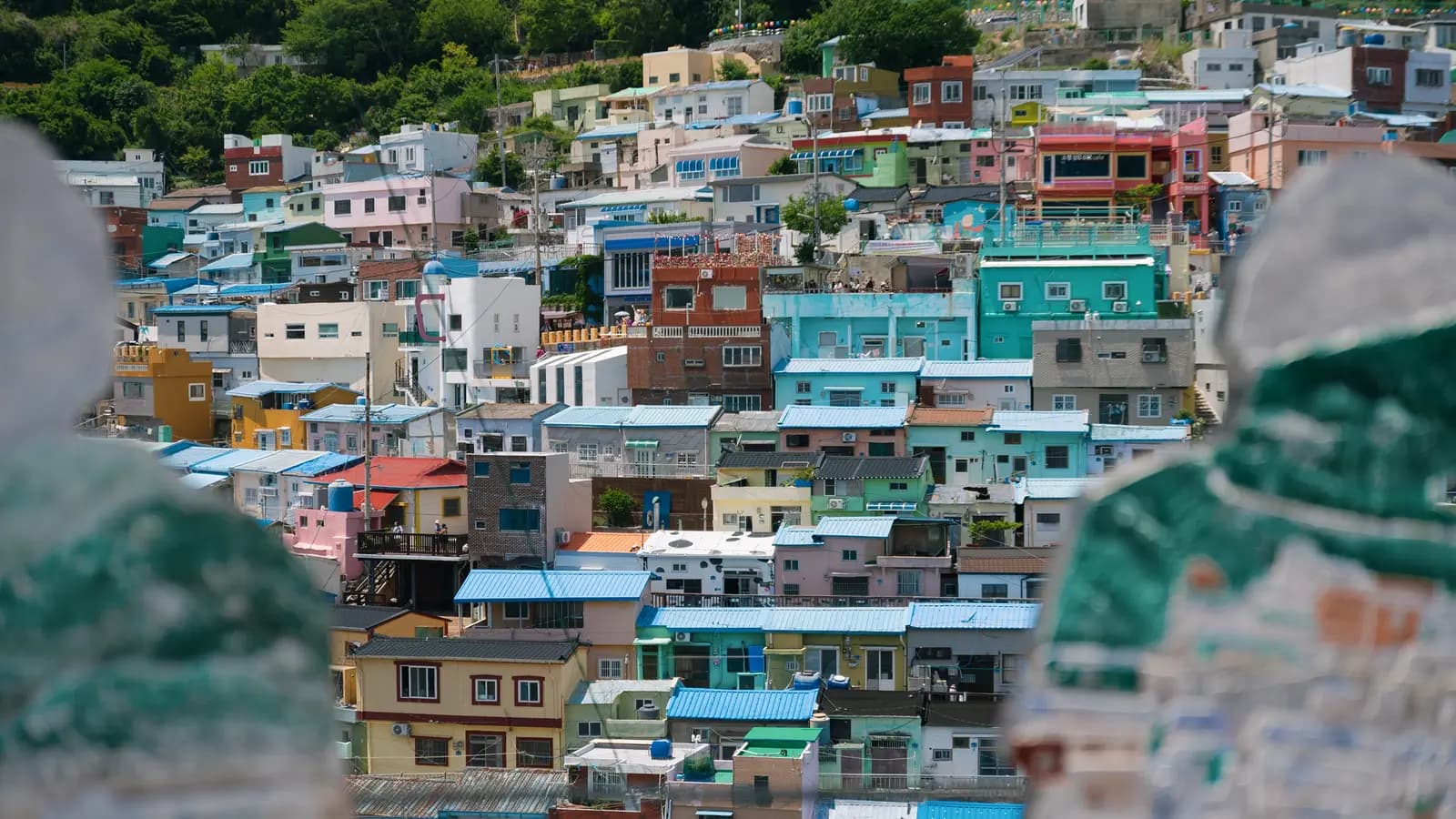
Busan is South Korea’s second city and its great port: a fish market on the harbour, city beaches, and Gamcheon’s pastel houses stacked up a hillside. Longer tours carry on west along the coast, to the green-tea terraces of Boseong and the harbour town of Yeosu.
The cheapest South Korea holidays right now
Lowest lead-in prices first, from live availability. Open one for its dates, and book directly with its operator.
South Korea travel questions
- When is the best time to visit South Korea?
- April and May, or late September to early November. Early April brings the cherry blossom to Seoul; October is dry and clear, with autumn colour in the mountains. July and August are hot, wet and humid, and winter is very cold.
- Is South Korea safe to visit, with North Korea so close?
- Daily life in South Korea is calm and crime against visitors is rare. Tension on the peninsula can rise quickly, after missile tests or during military exercises, so read the UK government’s latest advice for South Korea before you book and again before you go, and follow local advice near the border.
- How many days do you need in South Korea?
- Ten days to two weeks covers Seoul, Gyeongju and Busan without rushing, and a fortnight leaves time for the south coast or Jeju. Most of our South Korea tours run between eight and fourteen nights; the ones that carry on into Japan or China are longer.
- Is it worth adding Jeju Island?
- Jeju is a volcanic island of craters, lava caves and coastal walks, quite different from the mainland. Getting there means a flight from Seoul or Busan, so it suits a longer trip better than a short one. A few of our tours include it.
- Should I visit South Korea or Japan first, or both?
- They pair well: Korea is smaller and generally less crowded, with a different history and food, and the two are close. Several of our tours start in Seoul and finish in Japan. If you have two weeks or less, one country at a time lets you see more of it.
- Can you visit the DMZ?
- Yes, but only on an organised visit from Seoul, under military control, and visits can be cancelled at short notice when tension rises. Check whether your tour includes it, and follow the guides’ instructions closely.
- Is South Korea hilly? How fit do I need to be?
- The palaces and temples involve a lot of walking, often on slopes, uneven stone and steps, and the mountain temples are reached on foot. Many days add up to several hours on your feet, and you take your shoes off often in temples, guesthouses and traditional restaurants. Tour pages describe how active each trip is.
- Is South Korea a good place to travel solo?
- Yes. It is safe and well organised, and a group tour takes care of the language and the transport. One of our tours, Solo-ish South Korea, is designed for people travelling alone, and other group tours take single travellers too.
- Can vegetarians eat well in South Korea?
- It takes care. Many vegetable dishes, soups and most kimchi are made with fish or seafood stock or sauce, so asking for no meat is not enough. Tell your operator when you book, and a tour leader can explain to restaurants. Buddhist temple food is fully vegetarian.
- Do I need cash in South Korea, and should I tip?
- Cards are accepted almost everywhere, including small shops, but carry some won for markets, small purchases and topping up a transit card. Tipping is not a custom in restaurants or taxis. Ask your operator whether tips for the tour leader and driver are expected.
- Does Google Maps work in South Korea?
- Only partly: it has long given poor walking and driving directions there. Most visitors use Naver Map or KakaoMap instead, which both have English versions; download one before you go for your free time.
- Will my phone work in South Korea?
- Yes, if your plan includes roaming in South Korea; check with your provider before you go, as charges vary. Mobile coverage and wifi are very good in the cities.
- Do I need vaccinations for South Korea?
- See your GP or a travel clinic at least eight weeks before you go. They will check your routine vaccinations and advise on any others. TravelHealthPro publishes the current advice for South Korea.
- Can I take my prescription medicines to South Korea?
- Be careful: South Korea’s drug laws are strict, and some medicines that are legal in the UK, including some for ADHD and some strong painkillers, are controlled there and may need permission in advance. Check the UK government’s advice and the Ministry of Food and Drug Safety’s website, and ask the South Korean embassy in London if you are unsure. Carry an English prescription and keep medicines in their original packaging.
Related travel guides
China
The Great Wall, the Terracotta Army, the pandas of Chengdu and the karst hills of Yangshuo: a practical guide to China holidays and tours. It covers the best time to visit China month by month, how long to go for and how to plan around Golden Week.
Japan
Kyoto’s temples, Tokyo’s neon, Hiroshima and the snows of Hokkaido: a practical guide to Japan holidays and tours, with the best time to visit Japan month by month.