Caribbean
Antigua and Barbuda
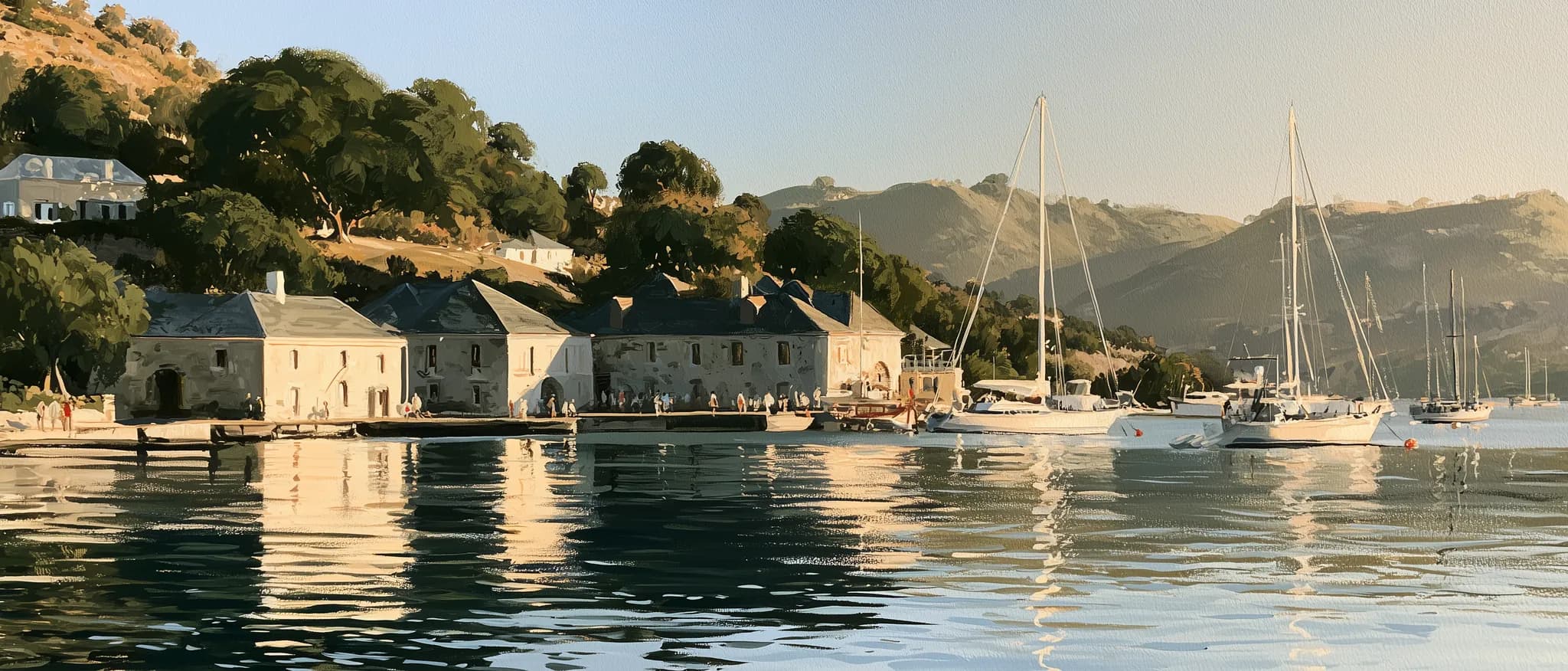
A twin-island nation built around one of the finest natural harbours in the Eastern Caribbean, still shaped by the Georgian naval dockyard that made it strategically valuable in the first place.
47 holidays go to Antigua and Barbuda
from £1,179 per person
Antigua and Barbuda
When to go
January
The dry season proper: warm, sunny days and the lowest rainfall of the year.
Travelling in Antigua and Barbuda
Antigua and Barbuda takes its dual name from its two main islands, though almost all its visitors see only the larger, more developed Antigua; low-lying Barbuda, quieter and more sparsely populated, sits some fifty kilometres to the north. Both are low, dry islands by Caribbean standards, without the volcanic peaks of Saint Lucia or Martinique, and both have a coastline shaped generously by natural harbours and reef-sheltered bays.
It was one of those harbours, English Harbour on Antigua's south coast, that gave the island its strategic importance to Britain from the late seventeenth century onward: a deep, hurricane-sheltered anchorage large enough and secure enough to base a naval fleet. The Georgian dockyard built there, restored and now known as Nelson's Dockyard after the young captain who was posted there in the 1780s, remains the clearest physical trace of that history and a UNESCO World Heritage Site in its own right.
As elsewhere in the British Caribbean, the colonial economy that funded this fortification ran on sugar and the labour of enslaved Africans, and the island's plantation ruins, less visited than the dockyard, are part of the same story. Antigua gained independence, together with Barbuda, in 1981, and today the islands are known above all for sailing, still drawing yachts to the same sheltered waters the Royal Navy once relied on.
Journeys
Reading about Antigua and Barbuda
Finding holidays


