Caribbean
Saint Lucia
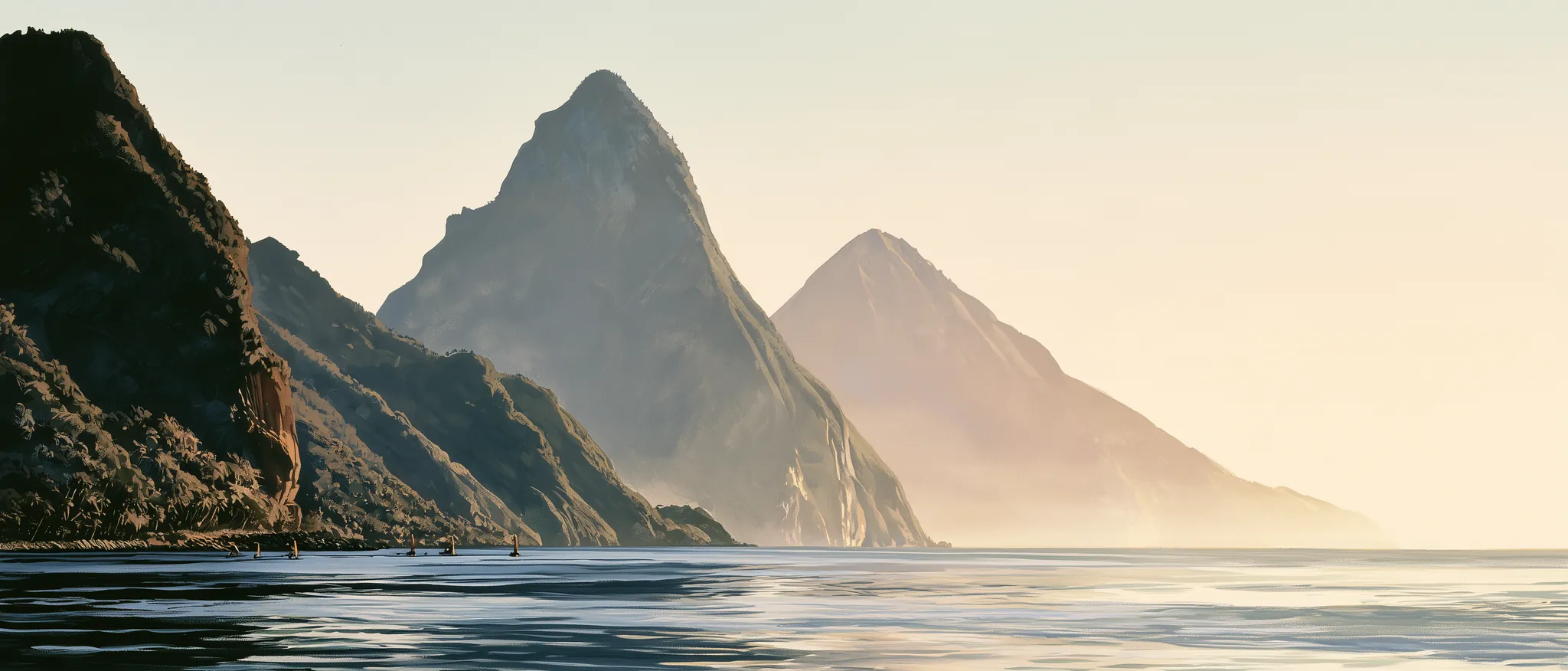
A small, mountainous island best known for the twin volcanic peaks of the Pitons, and for a colonial history so contested that the French and British are said to have fought over it more than a dozen times.
49 holidays go to Saint Lucia
from £999 per person
Saint Lucia
When to go
January
The dry season proper: warm, sunny days and the lowest rainfall of the year.
Travelling in Saint Lucia
Saint Lucia is small enough to cross by road in a couple of hours, and mountainous enough that the crossing rarely feels quick. Its interior is rainforest, its coast is volcanic, and its most recognisable feature, the twin peaks of Gros Piton and Petit Piton rising straight from the sea near Soufrière, has been a UNESCO World Heritage Site since 2004.
Its history is unusually contested even by Caribbean standards. The French and British fought over the island repeatedly through the seventeenth and eighteenth centuries, and it changed European hands so often that it earned the nickname "the Helen of the West Indies," after the Helen of Troy fought over by Greeks and Trojans. Britain held it from 1814 until independence in 1979, but French place names, Creole patois and a strong French-Caribbean culture survive alongside the English administrative legacy.
Sugar, and the enslaved labour that produced it, shaped the island's economy for two centuries before emancipation in the 1830s; the plantation past is visible in the old estate buildings that now house rum distilleries and gardens open to visitors. Today the island's volcanic geology, once simply an obstacle to plantation agriculture, is one of its main draws in its own right.
Journeys
Reading about Saint Lucia
Finding holidays


