Cruise
Cádiz, the city the sea nearly surrounds
Three thousand years of sailors have tied up at Cádiz, among them Phoenicians, Romans, treasure fleets and Francis Drake. A cruise ship is merely the latest, and it docks almost in the old town.
By Arthur Penhallow26 September 20265 min read
Look at Cádiz on a map and it seems barely attached to Spain. The old city sits at the end of a long, thin spit of sand, with the Atlantic on one side and the Bay of Cádiz on the other, so that from the air it looks like a stone ship moored off the coast. It is the sort of place that could only have been founded by sailors, and it was. By tradition, the Phoenicians established a trading post here around 1100 BC and called it Gadir. Archaeologists are more cautious about the date, but even their figures make Cádiz one of the oldest cities in western Europe, and it has been looking out to sea ever since.
For cruise passengers it has one great practical advantage. The ships tie up right beside the old town, and you can walk off the gangway and into three thousand years of history without troubling a coach.
Phoenicians, Romans and a jealous young man
The Phoenicians came for the metals of the Spanish interior, and they built a temple to their god Melqart, whom the Greeks and Romans later identified with Hercules. The Romans called the city Gades and made it rich. Suetonius tells the story of a young Julius Caesar, serving in Spain, who saw a statue of Alexander the Great in the temple here and was upset to reflect that at his age Alexander had conquered the world, while he himself had done nothing much. It is one of the first recorded cases of a visitor to Cádiz going home with ideas.
Very little of that ancient city is visible now, though a Roman theatre was uncovered in the old quarter in the 1980s. What you see today is mostly eighteenth century, and there is a reason for that.
The golden century, and some unwelcome British visitors
After Columbus, the trade with the Americas made Seville the richest city in Spain, but Seville is a river port, and as ships grew larger the river silted up. In 1717 the royal monopoly on trade with the Americas moved to Cádiz, and for most of the century the city handled a vast share of Spain's colonial commerce. Its merchants built tall, flat-roofed houses, and on many of them they built towers, from which they could watch for their ships coming in. Well over a hundred of these watchtowers survive, giving the skyline its odd, bristling look. One of them, the Torre Tavira, now has a camera obscura that projects a live image of the city onto a white dish in a darkened room, which is as good an introduction to Cádiz as any guidebook.
The British were rather less welcome. In 1587 Francis Drake sailed into the bay and destroyed a large part of the fleet being prepared for the Armada, a raid he described as singeing the King of Spain's beard, and which delayed the invasion by a year. Nine years later an English force under the Earl of Essex sacked the city outright. And in 1805 the combined French and Spanish fleet sailed out of Cádiz to meet Nelson off Cape Trafalgar, a short way down the coast. The battered survivors limped back into the bay afterwards.
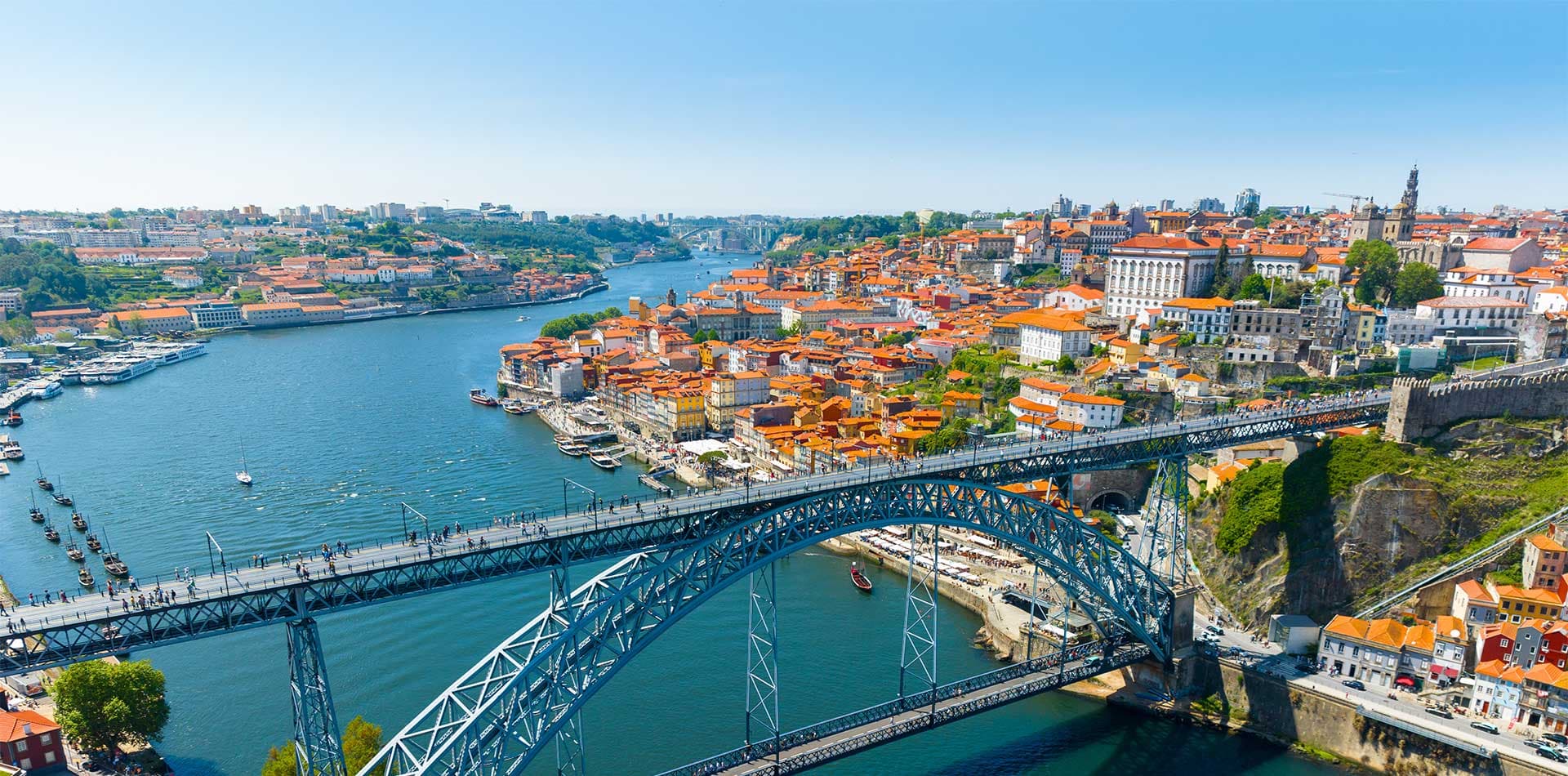
From the air, Cádiz looks like a stone ship moored off the coast.
A constitution under siege
Cádiz has a good claim to being where modern Spain began. During the Napoleonic wars, with most of the country occupied by the French, the city held out under siege, protected by its narrow spit of land and by the British navy. Behind its walls, a parliament of deputies from across Spain and its empire met and, on 19 March 1812, proclaimed one of the most liberal constitutions of its age. Because 19 March is the feast of St Joseph, the document became known affectionately as La Pepa. It did not last long, but its ideas did, and Cádiz is proud of it.
The city is also proud of its carnival, held in February, which is famous across Spain for its satirical songs. Groups spend the year writing verses about politicians and current events, and the results are sung in the streets. Very little is sacred, and quite a lot is very funny, if your Spanish is good enough to follow it.
Sherry, fried shrimp and a sunset
Cádiz is the capital of a province that produces sherry, and the three sherry towns, Jerez de la Frontera, El Puerto de Santa María and Sanlúcar de Barrameda, are all within reach on a day in port. Sherry is a fortified wine matured in a system of stacked barrels called a solera, in which younger wine is gradually blended into older, and each town has its own style; Sanlúcar, by the sea, makes manzanilla, which is said to take on a faint salt tang from the air. Many British names are attached to the trade, a reminder that for centuries the English were its best customers.
In the city itself, the local dish is tortillitas de camarones, thin, crisp fritters of tiny shrimp, eaten standing up. And at the end of the day, the little beach of La Caleta, between two old forts, faces west across the Atlantic and gets the sunset, which is one of the pleasures of being at the very end of Europe.
Cádiz is a winter city as much as a summer one. The Atlantic keeps it mild in January, when much of Spain is chilly, and many sailings from Britain call here between autumn and spring, often with Lisbon, Vigo or Gibraltar on the same itinerary. Summer is hot and busy on the beaches. The best time of all is probably spring, when the city is bright and the sherry towns are gearing up for their fairs.
By Arthur Penhallow, the name Atlas & Passage’s editorial team writes under. Prices and dates in the trips below come from the operators and can change.