First time
Málaga, the port Picasso left and the city that came back
Picasso was born within sight of Málaga's harbour and barely returned once he had left it. The city he grew up in has spent the last two decades building itself into somewhere he might have stayed for, had the timing been different.
By Arthur Penhallow26 September 20263 min read
Pablo Picasso was born in a flat overlooking the Plaza de la Merced in 1881 and left Málaga for good as a boy of around ten, when his father took a teaching post in A Coruña, on the other side of the country. He went on to live in Barcelona, then mostly in France, and by most accounts never set foot in his home city again after leaving it. For most of the twentieth century, that was a fair summary of Málaga's relationship with the wider world too: a place people passed through, usually on their way to somewhere else along the Costa del Sol, rather than a destination in its own right.
That has changed, deliberately and fairly recently, and it makes Málaga one of the more satisfying first-time stops in southern Spain: a working port city that has spent public money on culture rather than only on beaches, and has the museums to show for it.
Two and a half thousand years under one hill
The Alcazaba, the Moorish fortress that climbs the hill above the old town, was built mainly in the eleventh century on the foundations of earlier defences, and its lower slopes conceal a Roman theatre that lay buried and forgotten until it was rediscovered in 1951, during work to build a cultural centre that would, ironically, have sat directly on top of it. The theatre has since been fully excavated and is visible, free to look into, at the foot of the fortress walls it long predates, a stack of Phoenician, Roman, Moorish and Christian Málaga in a single hillside.
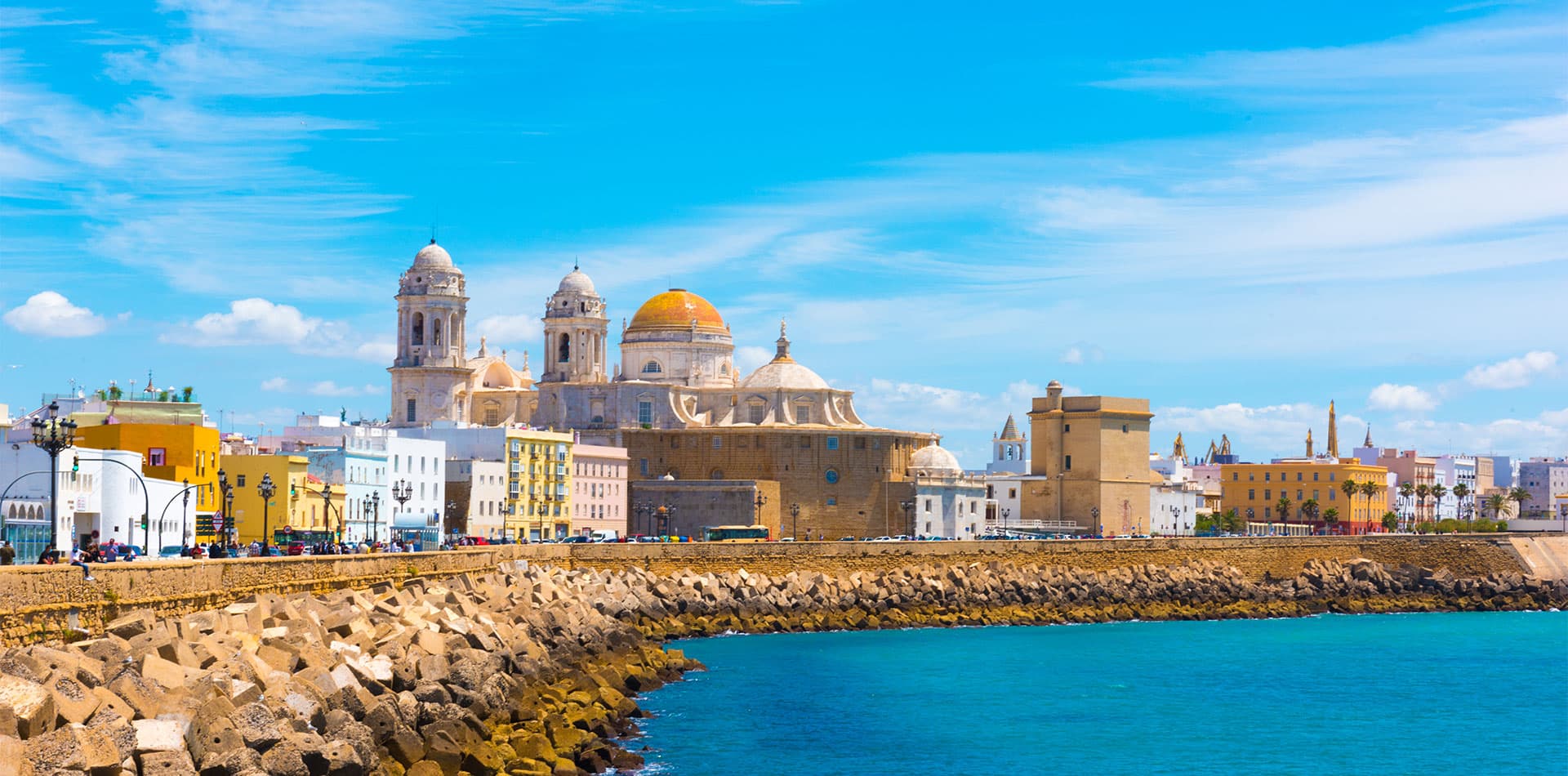
Above the Alcazaba stands the Gibralfaro castle, connected to it by a defensive corridor, and below both sits Málaga Cathedral, known locally as "La Manquita", the one-armed lady, because its second tower was never completed. Building work stopped in the eighteenth century for reasons that are still argued over, and the missing tower has become one of the city's more affectionate landmarks rather than an embarrassment.
The gallery city
Málaga's more recent transformation is easier to date precisely. The Museo Picasso Málaga opened in 2003 in a restored sixteenth-century palace, holding works donated and loaned by the painter's own family, a homecoming of sorts even if the artist himself never managed one. Twelve years later, the Centre Pompidou opened a branch on the harbourfront, its distinctive glass cube, known locally simply as El Cubo, the first outpost the Paris institution had opened anywhere outside France. Between them, and a scatter of smaller galleries that have followed, Málaga now has a plausible claim to being one of the more museum-dense cities of its size in Spain.
A working port city that has spent public money on culture rather than only on beaches.
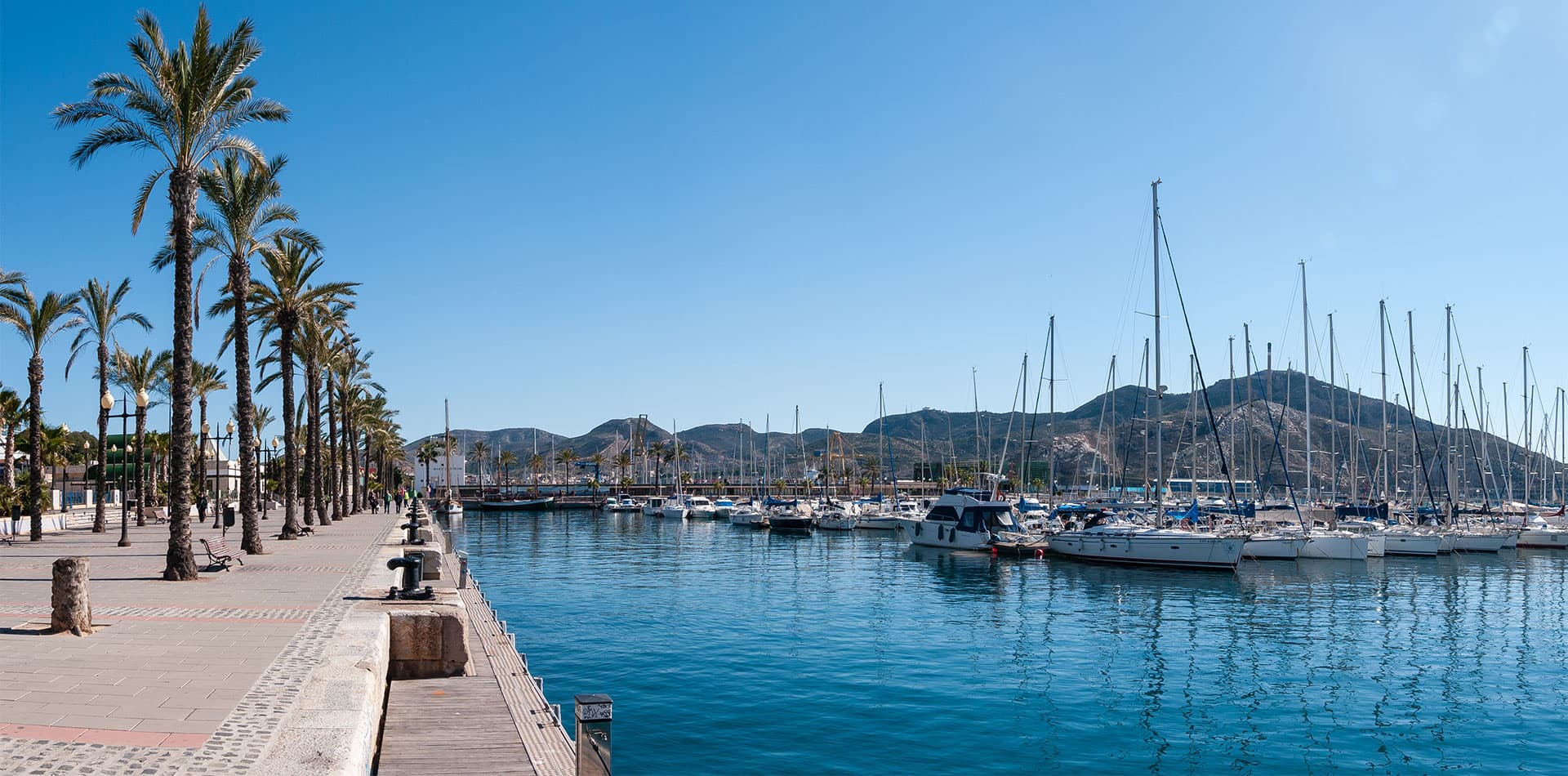
The harbourfront itself, Muelle Uno, was pedestrianised and redeveloped in the same period, turning what had been working dockside into a promenade that runs directly from the cruise berths into the old town, an unusually short walk for a Mediterranean port of this size.
A base, or a day, depending on how you arrive
Málaga works two ways for Atlas & Passage travellers. Several Fred. Olsen sailings use it as a home port, including a Christmas and New Year voyage that runs out to the Canary Islands and Madeira and back, useful for anyone who would rather start and end their holiday close to the sights than spend a day either side travelling to a different port. Others call at Málaga for a single day as part of a longer round-Iberia itinerary, which is enough time for the Alcazaba, the Roman theatre and one of the two big galleries, though probably not both.
Either way, it is worth treating Málaga as more than the airport for the Costa del Sol. Picasso left as a child and never really came back to see what the city did with his name; the least visitors can do is stay longer than an afternoon.
By Arthur Penhallow, the name Atlas & Passage’s editorial team writes under. Prices and dates in the trips below come from the operators and can change.