Travel guide
Croatia holidays: a travel guide for UK visitors
A jagged Adriatic coast studded with walled cities and pine-clad islands — Croatia is one of the Mediterranean’s most photogenic cruising grounds.
Why visit Croatia
Croatia’s long, indented coastline is made for the water. Over a thousand islands lie scattered off the Dalmatian shore, their harbours sheltering Venetian bell towers and Roman remains. Dubrovnik’s honey-coloured walls rise straight from the sea, Split is built inside a Roman emperor’s palace, and the lavender island of Hvar glitters offshore. Inland, the waterfalls and turquoise lakes of Plitvice are among Europe’s natural wonders. With warm, clear seas, excellent seafood and a relaxed pace, Croatia rewards both grand-ship cruises and small-boat sailing alike.
Best time to visit
Late spring (May and June) and early autumn (September) are ideal: warm, settled weather, swimmable seas and the coastal cities at their most pleasant before and after the peak-summer rush. July and August are hot and busy, especially in Dubrovnik, while spring brings green hills and wildflowers.
Top things to do in Croatia
- 1
Walk the walls of Dubrovnik
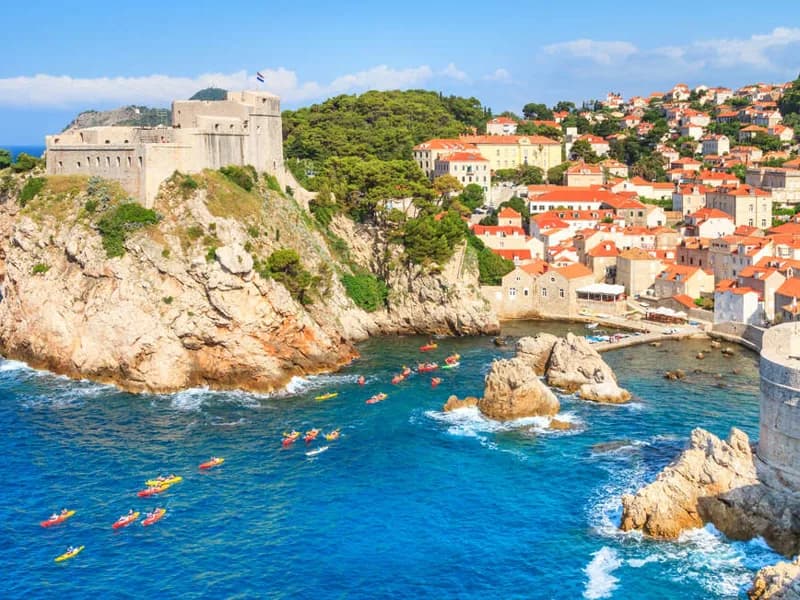
The complete circuit of Dubrovnik’s medieval city walls, with views over terracotta rooftops and the blue Adriatic, is one of Europe’s great short walks. The old town is a regular and rightly popular cruise call.
- 2
Explore Split’s Diocletian’s Palace
Split’s old town occupies a living Roman palace, its ancient halls now home to cafés, shops and homes. A characterful port and a gateway to the Dalmatian islands of Hvar and Brač.
- 3
Sail the Dalmatian islands
Hvar’s lavender fields, the quiet coves of Vis and the wine villages of Korčula make Croatia’s islands a highlight of any Adriatic sailing, with clear water for swimming at almost every stop.
The cheapest Croatia holidays right now
Lowest lead-in prices first, from live availability. Open one for its dates, and book directly with its operator.
Croatia travel questions
- When is the best time to visit Croatia?
- Late spring and early autumn are ideal, with warm, swimmable seas and pleasant temperatures but fewer crowds than midsummer. May, June and September are the sweet spots for cruising the Dalmatian coast.
- Do UK citizens need a visa for Croatia?
- No. UK passport holders can visit Croatia without a visa for tourism. Croatia is in the Schengen Area, so the 90-days-in-180 limit applies across all Schengen countries combined.
- What currency does Croatia use?
- Croatia uses the Euro (EUR), having adopted it in 2023. Cards are widely accepted along the coast, though carrying a little cash is useful for smaller cafés, markets and island shops.
- Is Croatia expensive to visit?
- Croatia is moderately priced — better value than much of Western Europe, though Dubrovnik in peak season is pricier. Seafood, local wine and ferries are reasonable, and a cruise bundles the main costs together.
- How many hours ahead is Croatia compared with the UK?
- Croatia is one hour ahead of the UK, on Central European Time. The clocks change on the same dates, so the one-hour difference holds throughout the year.
- What is the best way to see the Croatian islands?
- A cruise is the natural way to explore Croatia’s coast, calling at Dubrovnik, Split and the Dalmatian islands such as Hvar and Korčula without the ferry changes of independent travel. Smaller ships can reach quieter harbours.
- Is Croatia safe for tourists?
- Croatia is a safe and welcoming destination with low crime. Ordinary care with valuables in busy spots such as Dubrovnik’s old town is all that is needed, and the coast is well set up for visitors.
- Do I need a travel adaptor for Croatia?
- Yes. Croatia uses Type F sockets at 230V, so you will need a European travel adaptor for your UK three-pin plugs. UK devices work happily on the local voltage.
- Do they speak English in Croatia?
- Yes, English is widely spoken in tourist areas and along the coast, so visitors get by easily. A few words of Croatian, such as hvala for thank you, are always appreciated.
- Which Croatian ports do cruises visit?
- Dubrovnik and Split are the headline calls, with Zadar, Šibenik and the islands of Hvar and Korčula also featuring on Adriatic itineraries, often alongside ports in Italy, Montenegro and Greece.
Related travel guides
Greece
Whitewashed islands, ancient ruins and impossibly blue seas — Greece is the quintessential Mediterranean cruise destination, where every port has a story.
Montenegro
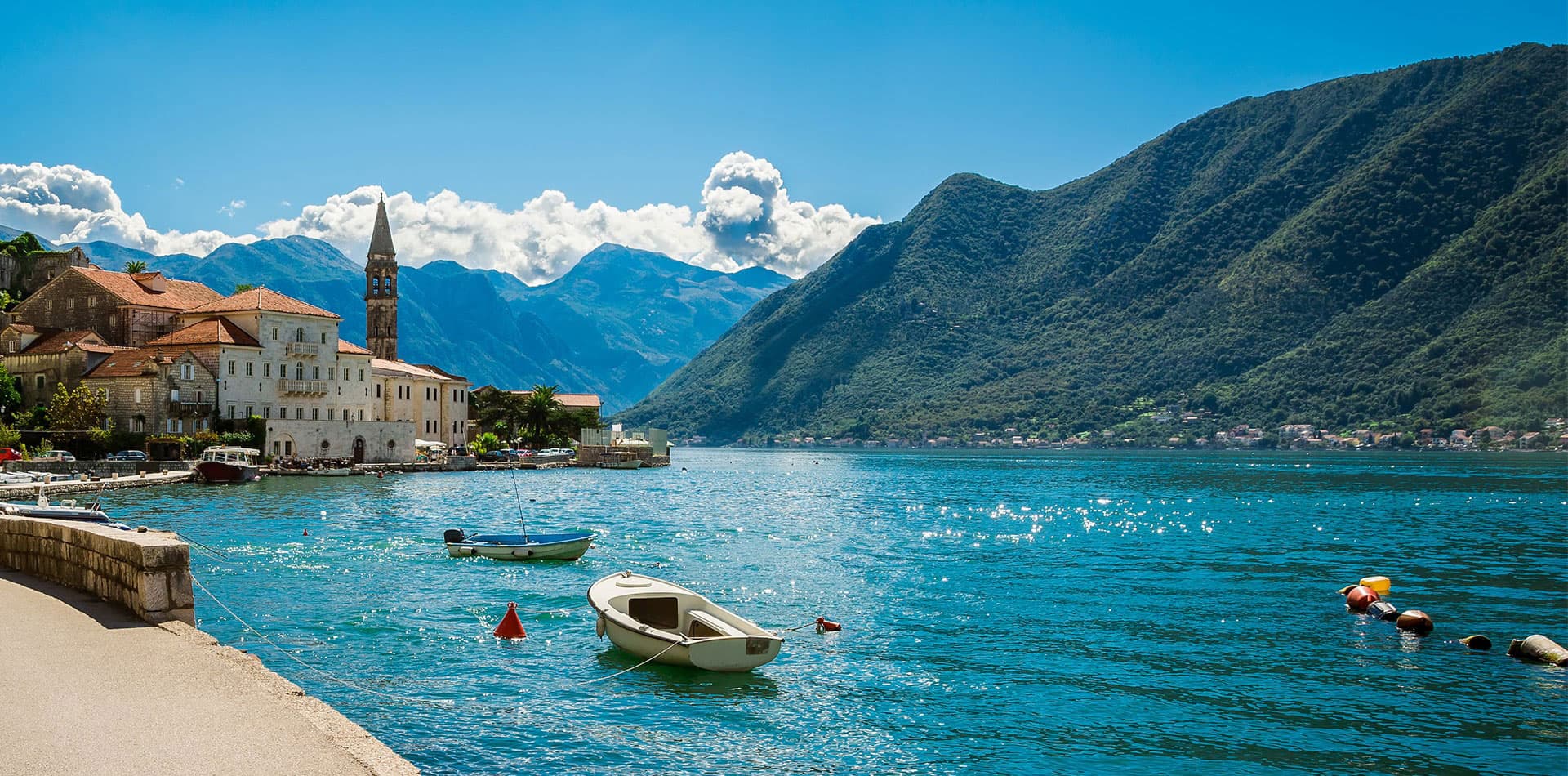
A fjord-like bay, walled medieval towns and mountains plunging into the Adriatic — tiny Montenegro punches far above its weight on Mediterranean cruises.
Turkey
Where Europe meets Asia — Istanbul’s minarets, ancient Ephesus and the turquoise coast make Turkey a richly rewarding cruise and tour destination.