Travel guide
Greece holidays: a travel guide for UK visitors
Whitewashed islands, ancient ruins and impossibly blue seas — Greece is the quintessential Mediterranean cruise destination, where every port has a story.
Why visit Greece
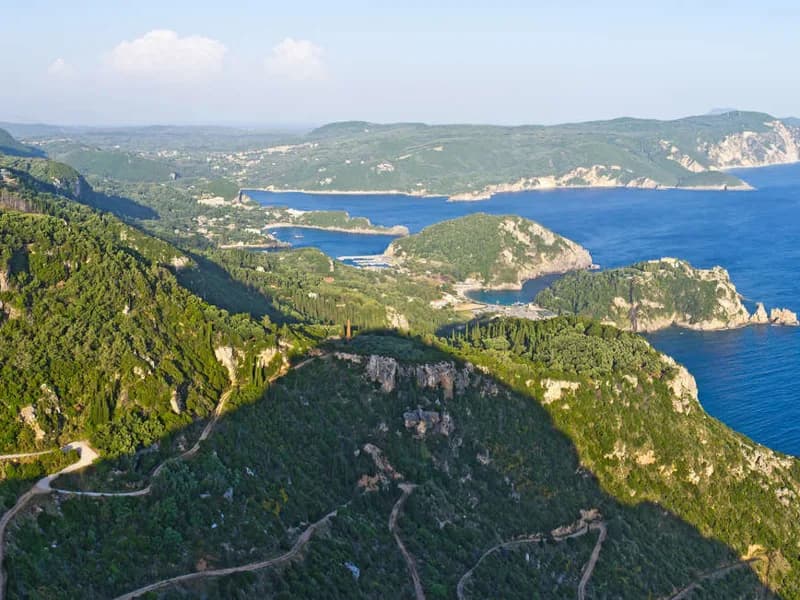
Greece is where the cruise was practically invented, and it is easy to see why. Thousands of islands scatter across the Aegean and Ionian seas, each with its own character — the volcanic caldera of Santorini, the windmills and beaches of Mykonos, the medieval old town of Rhodes. On the mainland, Athens sets the Acropolis above a buzzing modern city, while quieter corners like the Peloponnese hide temples and olive groves. Add warm seas, generous tavernas and some of the friendliest welcomes in Europe, and Greece becomes a place travellers return to again and again.
Best time to visit
Late spring (May and June) and early autumn (September and October) are the sweet spots: warm seas, settled weather and the islands at their most relaxed, before and after the peak-summer crowds. July and August are hot and busy, while winter is mild but many island businesses close.
Top things to do in Greece
- 1
Stand beneath the Acropolis in Athens
The Parthenon, the Acropolis Museum and the lively Plaka district make Athens a rewarding day ashore, layering classical history over a vibrant modern capital. A common start or finish point for Aegean cruises.
- 2
Sail the Cyclades to Santorini and Mykonos
The blue-domed churches and caldera sunsets of Santorini and the whitewashed lanes and beaches of Mykonos are the postcard images of Greece, and a highlight of nearly every Aegean sailing.
- 3
Explore medieval Rhodes and the Dodecanese
The walled old town of Rhodes, one of the best preserved in Europe, along with the islands of Kos and Patmos, brings together Crusader history, Greek antiquity and easy beach days in the eastern Aegean.
The cheapest Greece holidays right now
Lowest lead-in prices first, from live availability. Open one for its dates, and book directly with its operator.


Greece travel questions
- When is the best time to visit Greece?
- Late spring and early autumn are ideal, with warm seas and pleasant weather but fewer crowds than midsummer. May, June, September and October suit island-hopping and cruising best; July and August are hot and busy.
- Do UK citizens need a visa for Greece?
- No. UK passport holders can visit Greece without a visa for tourism and stay in the Schengen Area for up to 90 days in any 180-day period.
- What currency does Greece use?
- Greece uses the Euro (EUR). Cards are widely accepted in towns and resorts, but it is worth carrying cash for smaller islands, tavernas and markets where card facilities can be limited.
- Is Greece expensive to visit?
- Greece offers good value, especially for food and drink, with generous tavernas and reasonable transport. Santorini and Mykonos are pricier in peak season, but quieter islands and the mainland remain affordable.
- How many hours ahead is Greece compared with the UK?
- Greece is two hours ahead of the UK, on Eastern European Time. The clocks change on the same dates as the UK, so the two-hour difference holds throughout the year.
- What is the best way to see the Greek islands?
- A cruise is one of the easiest ways to see several Greek islands in one trip, calling at the likes of Santorini, Mykonos, Rhodes and Crete without the ferry connections and hotel changes of independent island-hopping.
- Is Greece safe for tourists?
- Greece is a safe and welcoming destination. Crime against visitors is low; ordinary care with valuables in busy Athens areas and on ferries is all that is needed. The summer heat and sun are the main things to plan around.
- Do I need a travel adaptor for Greece?
- Yes. Greece uses Type F sockets at 230V, so you will need a European travel adaptor for your UK three-pin plugs. UK devices work happily on the local voltage.
- Which Greek islands do cruises usually visit?
- Santorini and Mykonos in the Cyclades are the most popular calls, along with Rhodes and Kos in the Dodecanese, Crete to the south and Corfu in the Ionian. Many sailings pair them with Athens on the mainland.
- Do they speak English in Greece?
- Yes, English is widely spoken in tourist areas, hotels and on the islands, so you will have little trouble getting around. Learning a few Greek words such as efcharistó (thank you) is warmly received.
Related travel guides
Croatia
A jagged Adriatic coast studded with walled cities and pine-clad islands — Croatia is one of the Mediterranean’s most photogenic cruising grounds.
Montenegro
A fjord-like bay, walled medieval towns and mountains plunging into the Adriatic — tiny Montenegro punches far above its weight on Mediterranean cruises.
Turkey
Where Europe meets Asia — Istanbul’s minarets, ancient Ephesus and the turquoise coast make Turkey a richly rewarding cruise and tour destination.