Southern Europe
Greece
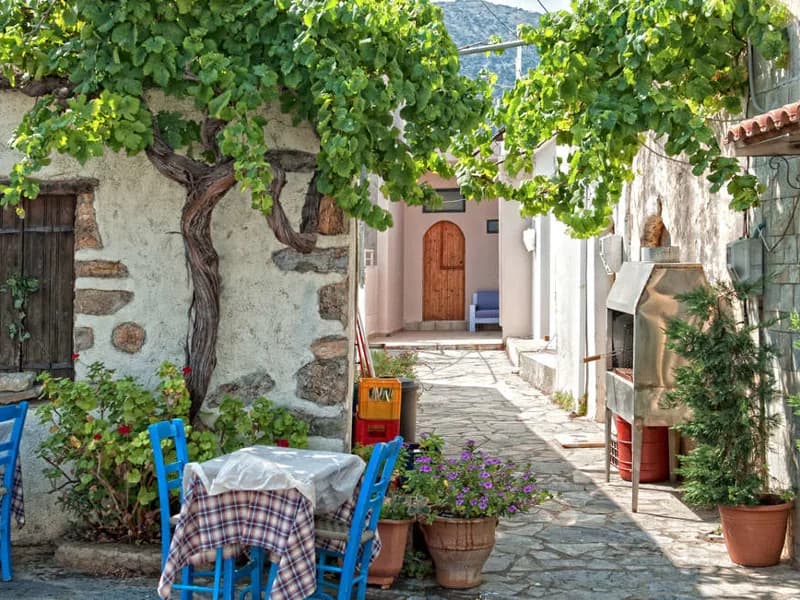
A mainland of mountains and a scatter of more than two hundred inhabited islands, where the ruins are not fenced off from daily life but stand at the end of the street, still being walked past on the way to work.
82 holidays go to Greece
from £699 per person
Greece
When to go
April
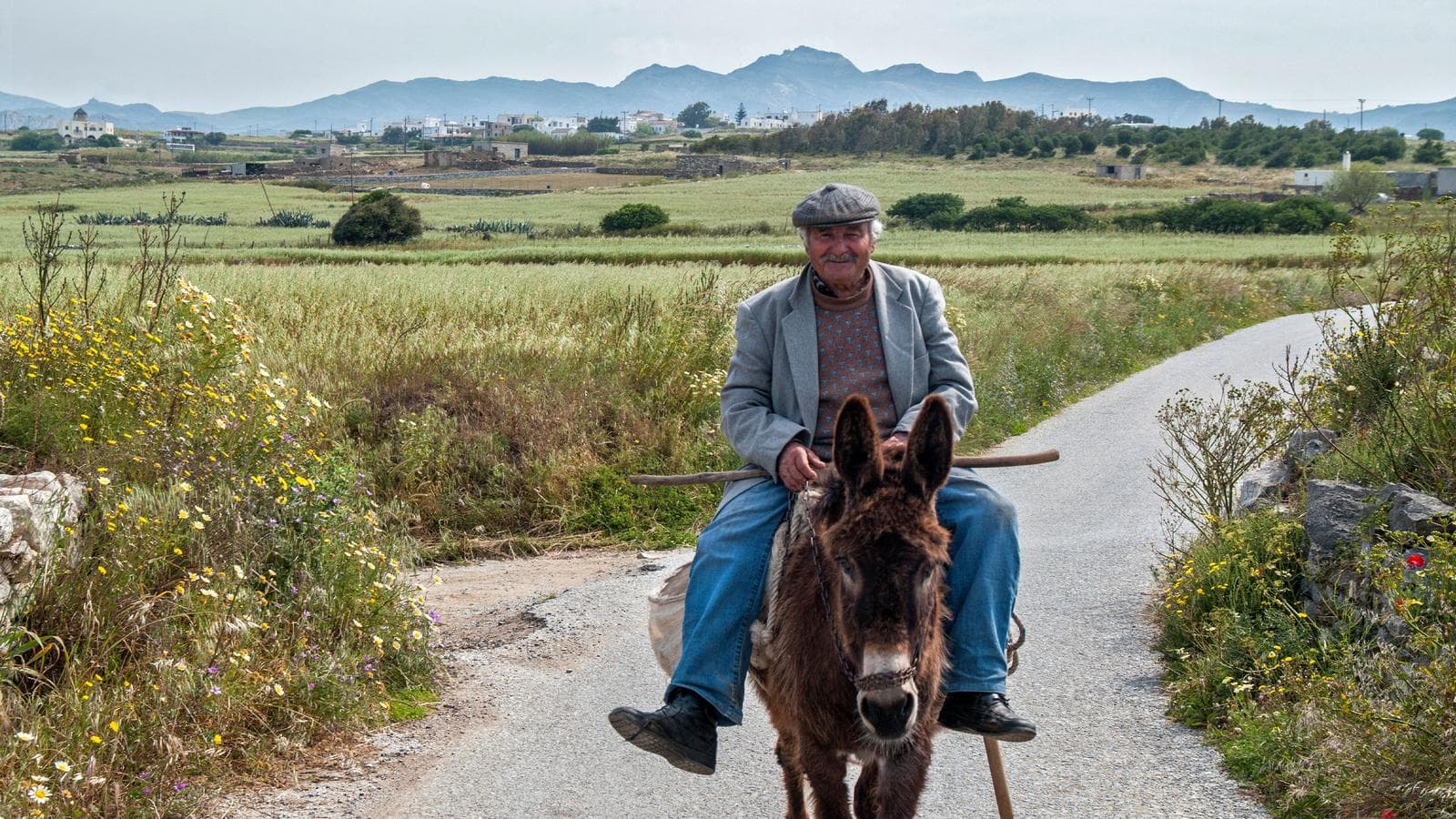
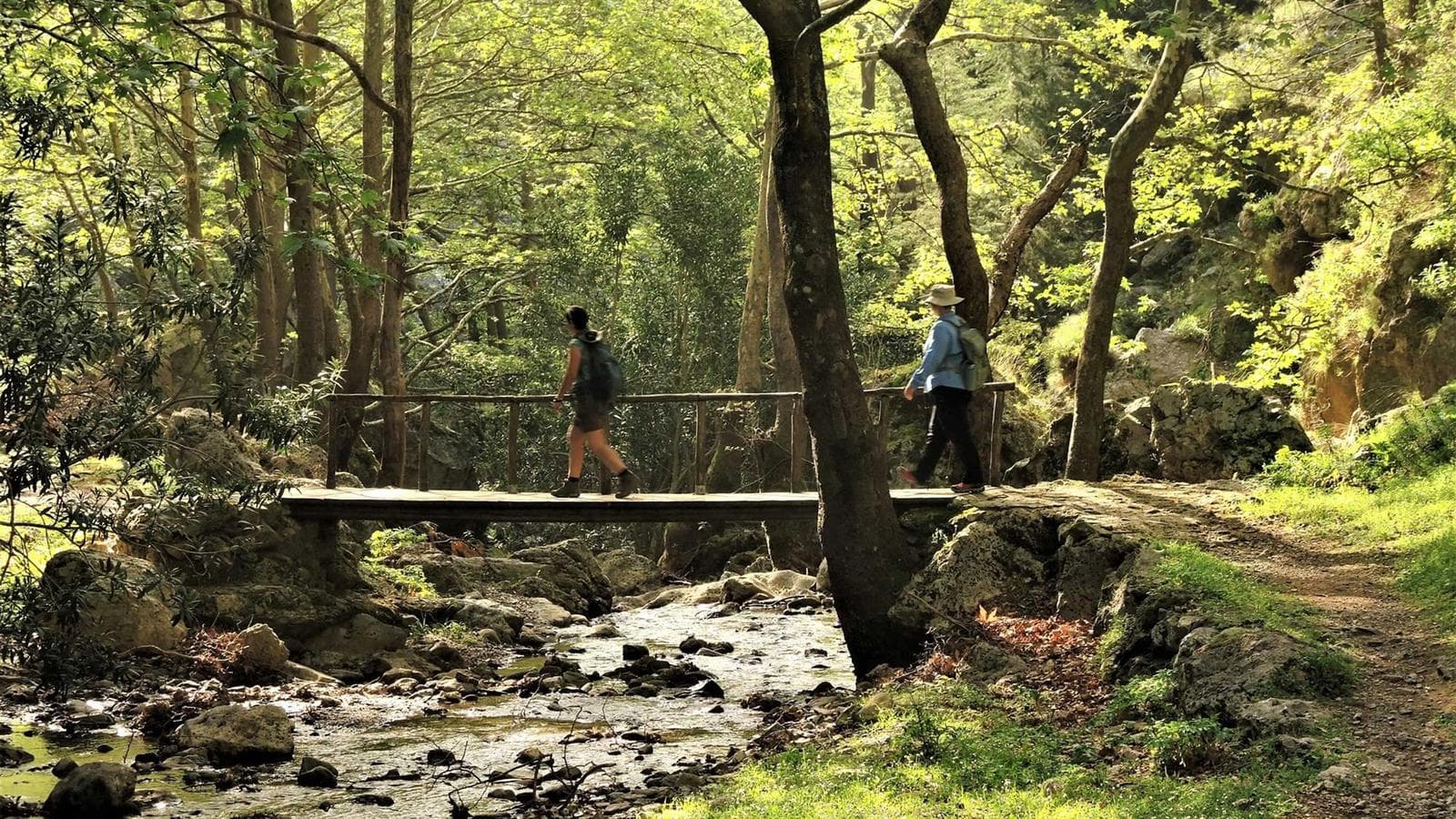
Wildflowers on the hillsides, comfortable walking temperatures and the first island ferries returning to full schedules.
Travelling in Greece
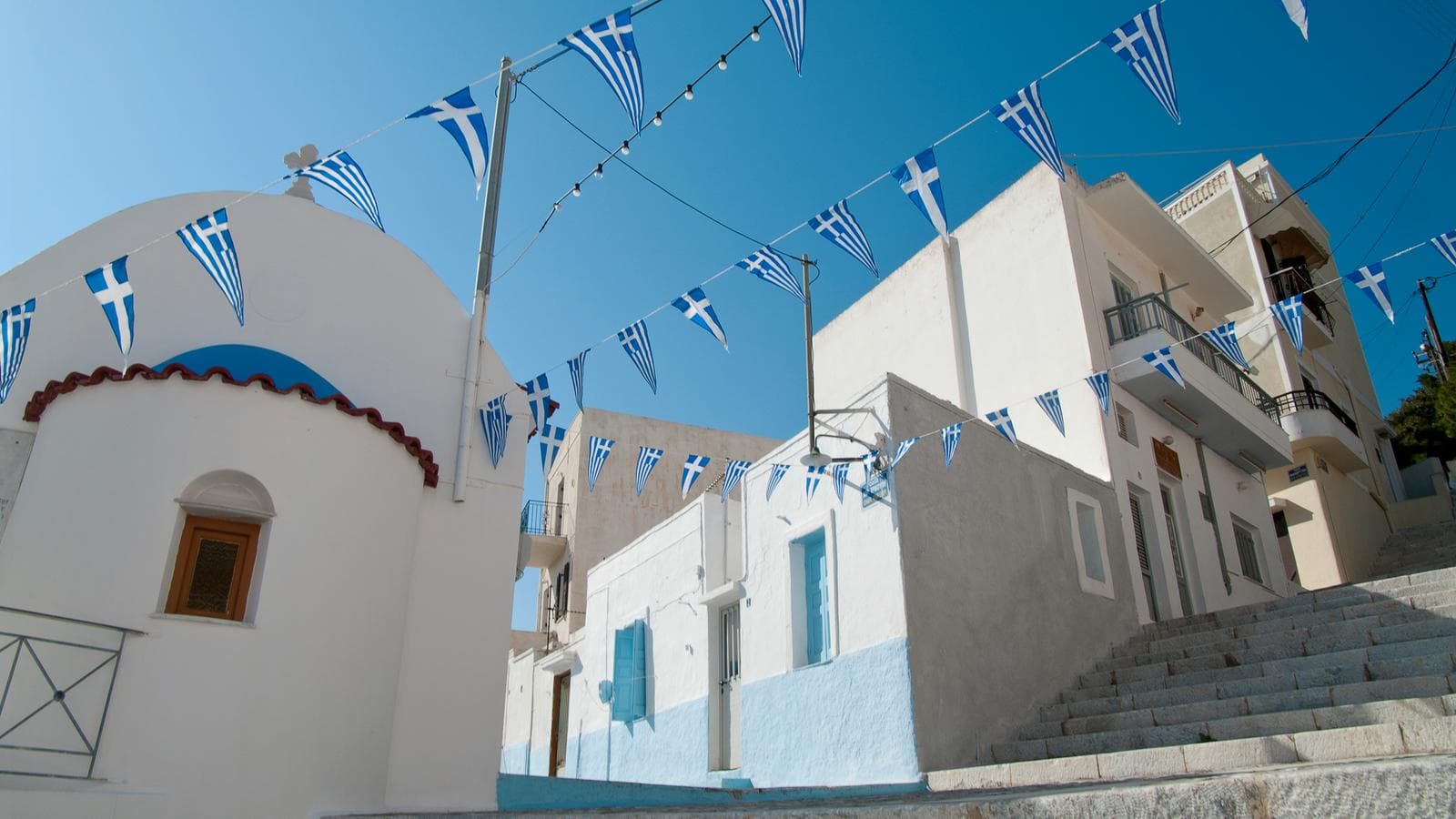
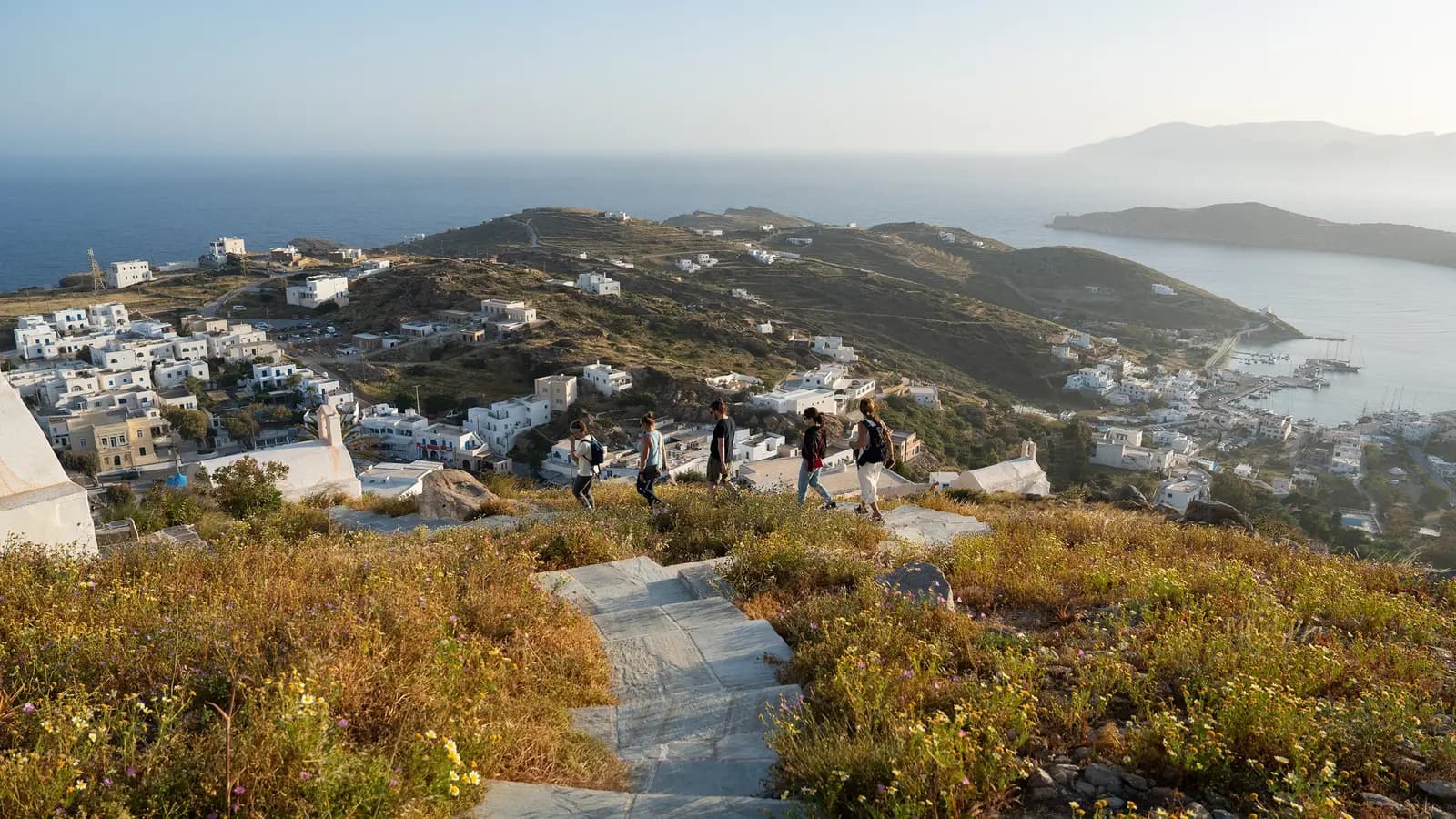
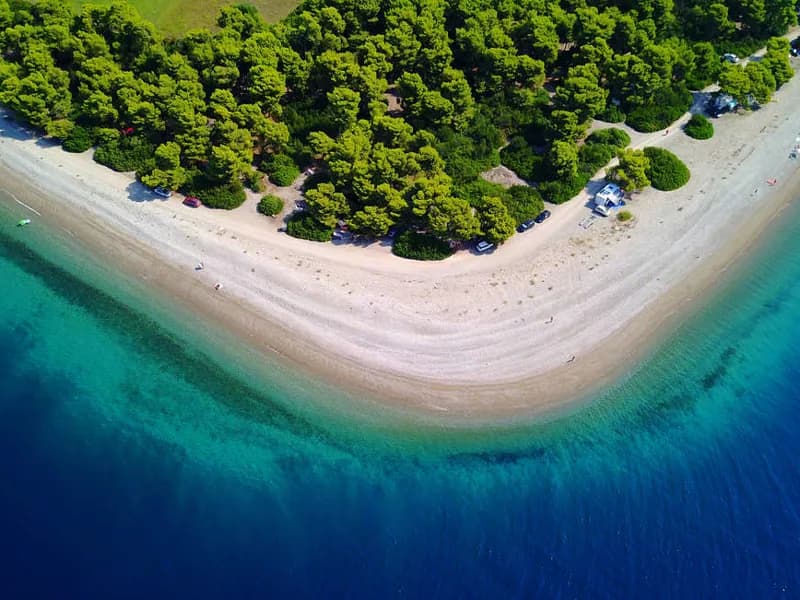
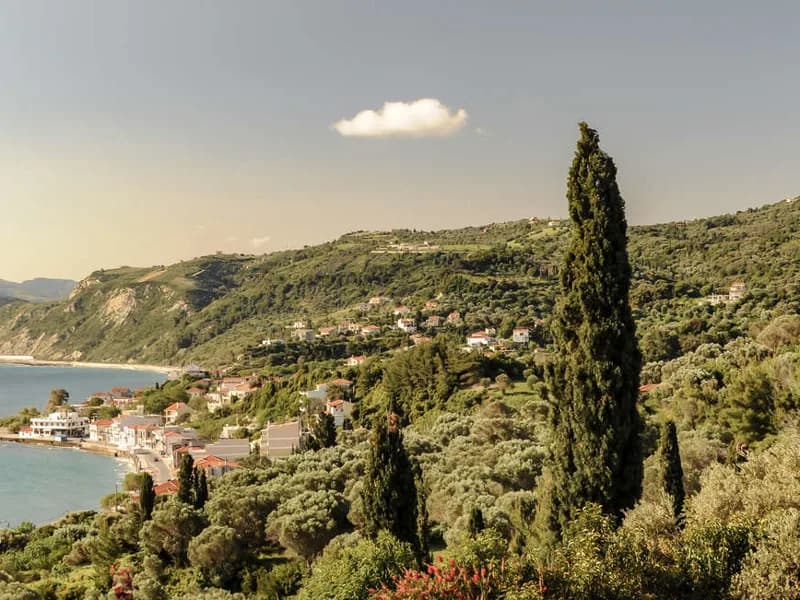
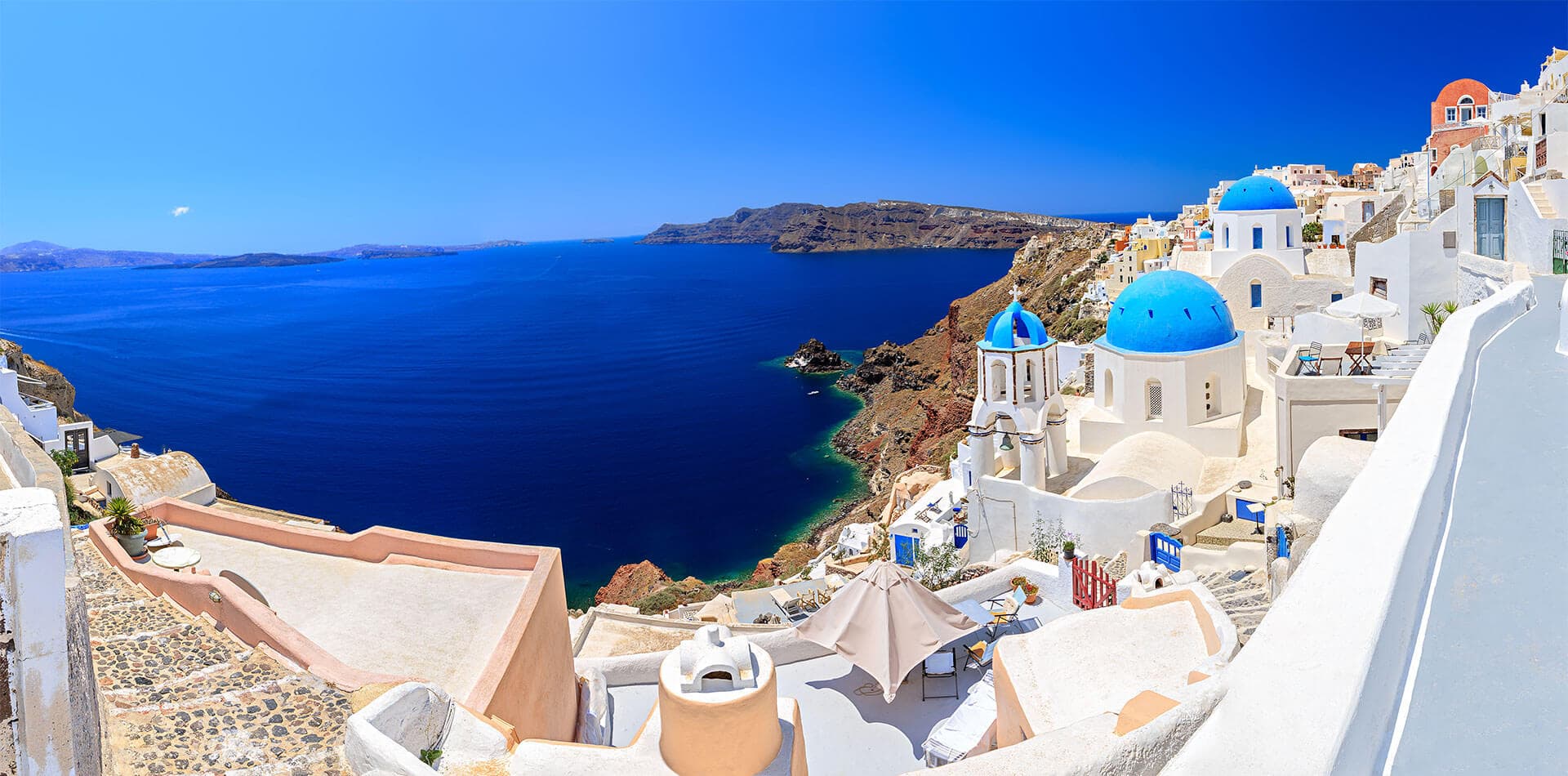
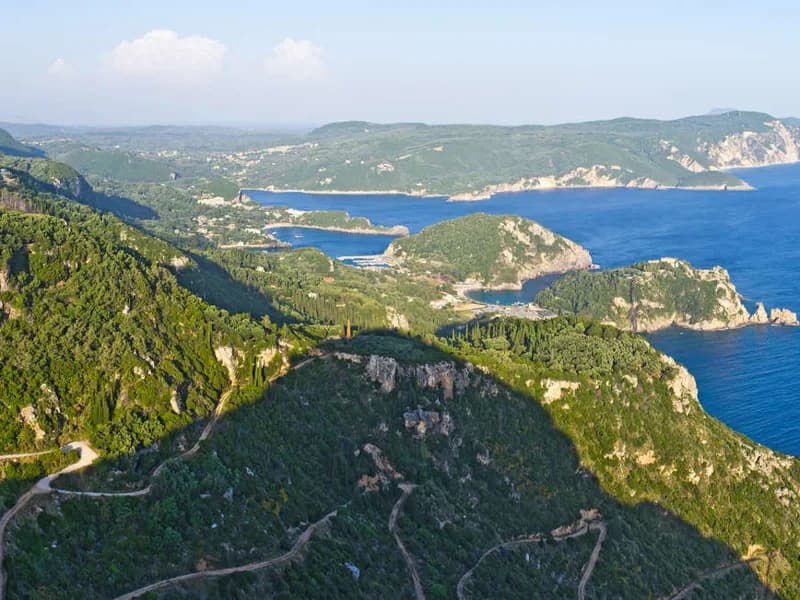
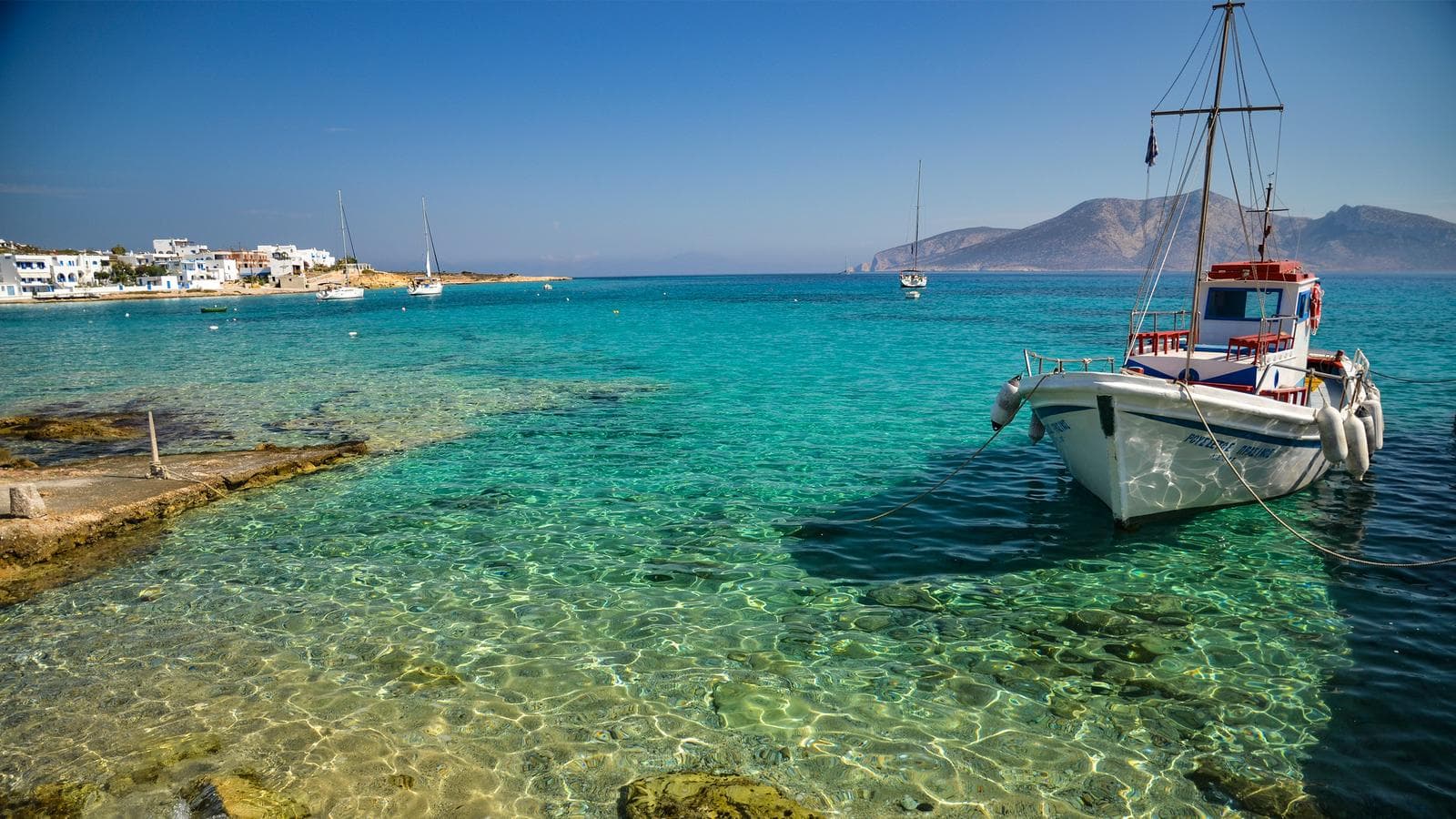
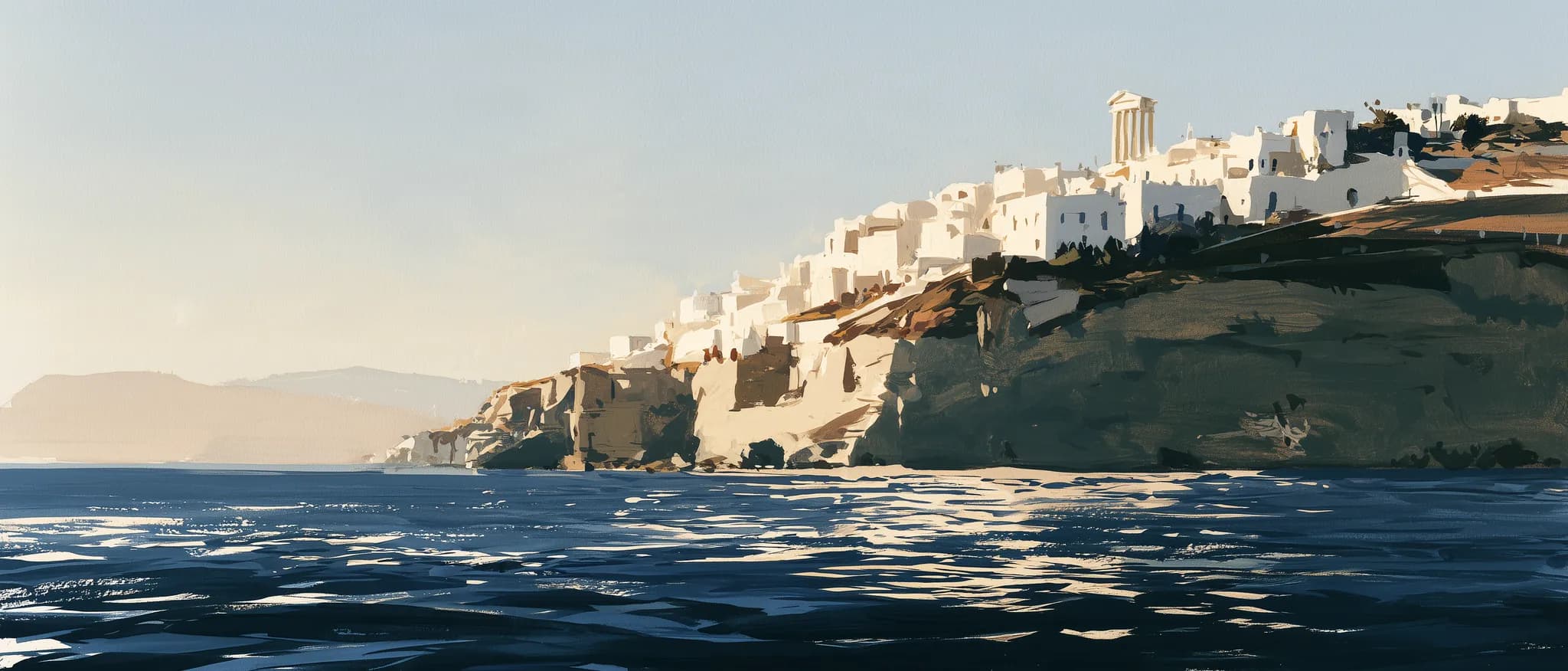
Greece is really two countries stitched together: a mountainous mainland that runs from the Balkans down to the Peloponnese, and an archipelago in the Aegean and Ionian seas large enough that no two islands need resemble each other. The Cyclades are dry and bright, whitewashed against blue; the Ionian islands are greener and face Italy; Crete is nearly a small country in itself, with its own mountains, gorges and cuisine.
What holds it together is roughly three thousand years of continuous habitation, which means the ruins are not curated so much as accumulated. Athens has the Parthenon on its hill and a metro station beneath it built, in places, around the antiquities the diggers found. Delphi and Olympia sit where ancient Greeks put them, in landscapes dramatic enough to explain why they thought the gods lived nearby.
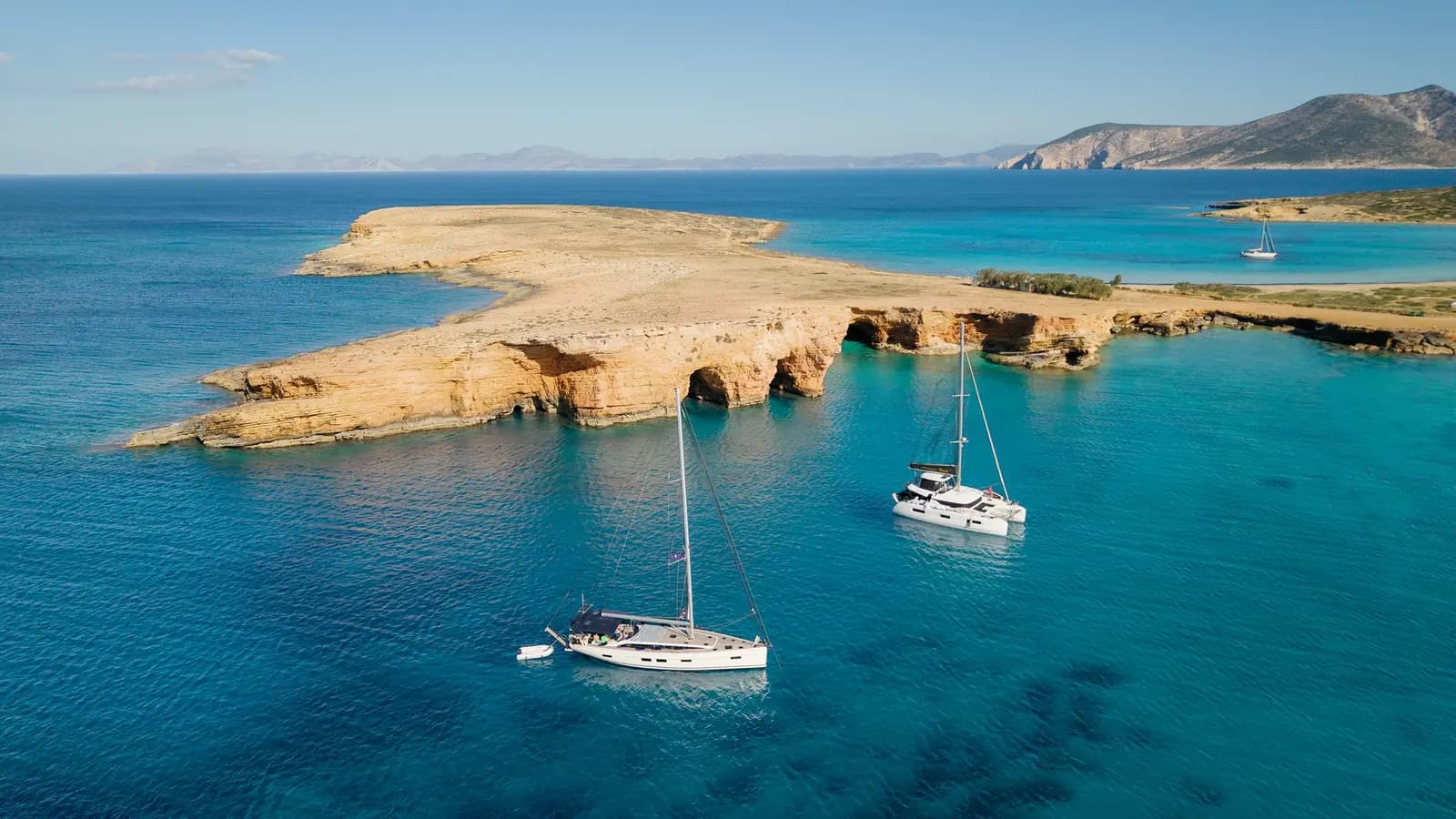
Getting between places usually means either a flight, a ferry or a ship, since the mountains that make the mainland beautiful also make the roads slow. Cruises calling at several islands in a week, or tours that combine Athens with the Peloponnese, are both common ways to see more than one corner of the country without spending the whole trip on a coach.
Journeys
Reading about Greece
Finding holidays