Cruise
Sarandë from the sea, the Albanian stop on an Adriatic cruise
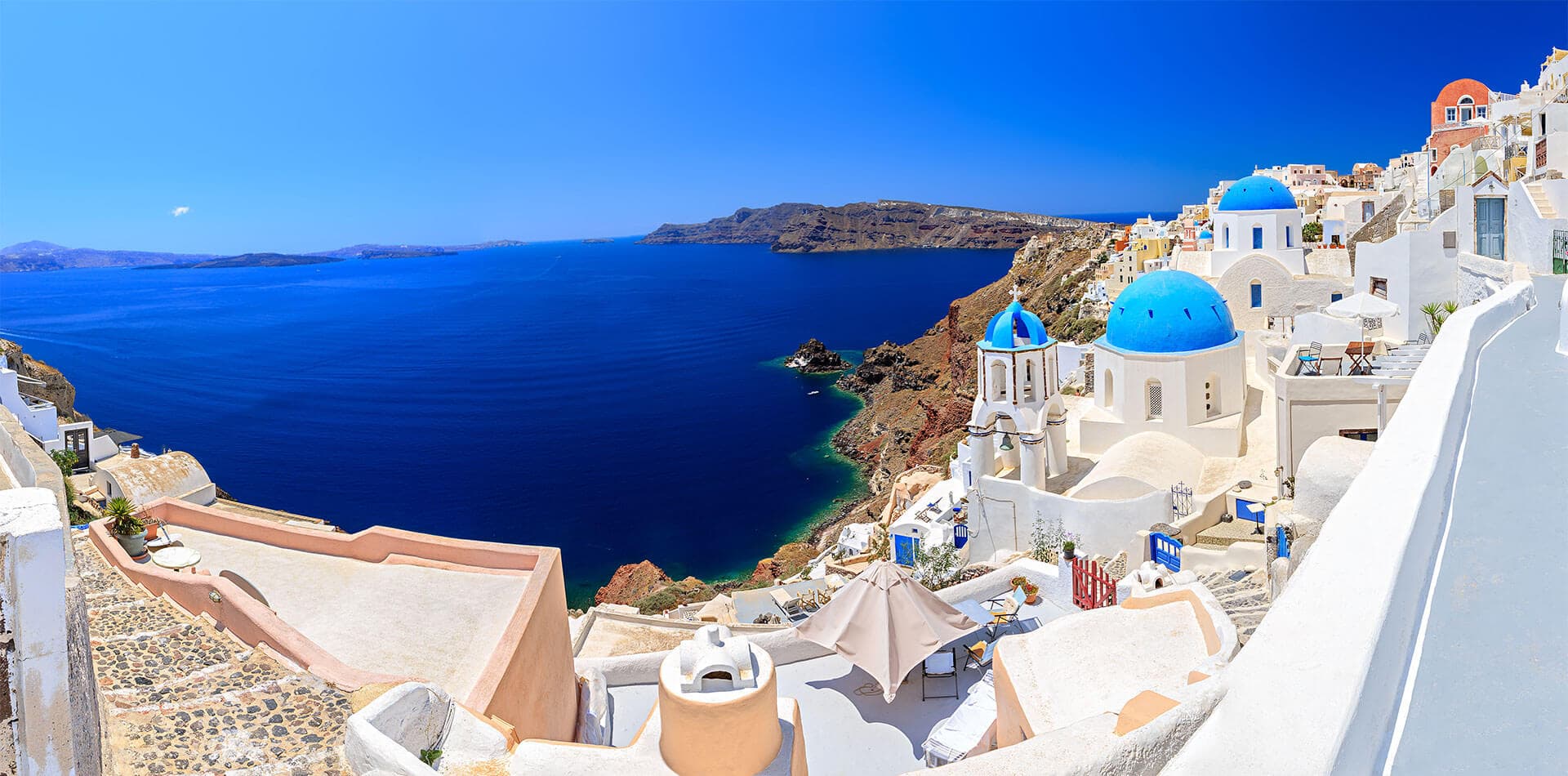
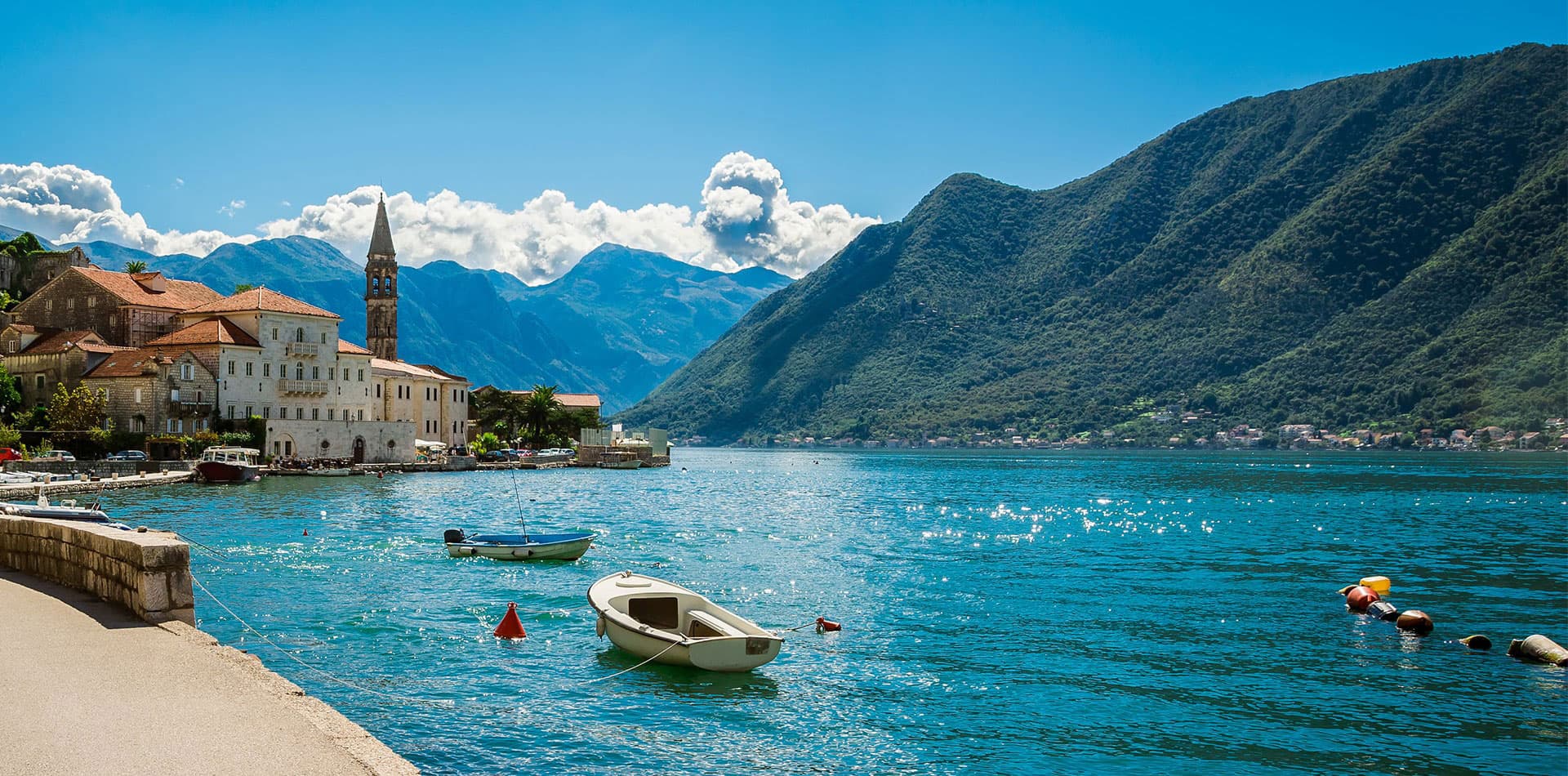
Sailing north from Greece into the Adriatic, a few cruise ships call at Sarandë, a small Albanian port in a bay facing Corfu. For many passengers it is their first sight of a country that was closed to the world for half a century, and Butrint is just down the road.
By Walter Pellow20 October 20264 min read
The Adriatic is one of the great cruising seas of Europe, with a coast of walled cities, islands, fjord-like bays and mountains rising straight from the water. Most cruises concentrate on Croatia, Montenegro and Italy, and Albania, at the southern entrance to the sea, is often passed by. That is changing. For ships sailing north from Greece, Sarandë, on Albania's southern coast, makes a natural first call, and it gives passengers a day in a country few of them have visited.
Sarandë
Sarandë curves around a horseshoe bay facing the Greek island of Corfu, a few miles across the strait. In antiquity it was the port of Onchesmos. Under communism it was a modest fishing town. Since the 1990s it has grown rapidly into a busy resort, with apartment blocks climbing the hills behind a long seafront promenade lined with palm trees, cafés and restaurants. It is not a pretty town in the conventional sense, but it is lively, and its setting, with the mountains behind and Corfu across the water, is lovely.
In the town itself, the remains of an early Christian complex, once thought to be a synagogue, with mosaic floors, lie in the centre. Above the town, the castle of Lëkurësi, on a hill to the south, gives a wide view over the bay, the town and the strait to Corfu, and on a clear day the lagoon of Butrint to the south.
For many passengers it is their first sight of a country that was closed to the world for half a century.
A day ashore
The obvious excursion is Butrint, about half an hour's drive south. It is one of the most important archaeological sites in the Mediterranean, an ancient city on a wooded peninsula in a lagoon. Its layers run from a Greek theatre and sanctuary to a Roman city, a Byzantine baptistery and basilica, and Venetian and Ottoman fortresses. The setting, among trees and water, is beautiful, and a morning there is time well spent.
Inland, the Blue Eye, Syri i Kaltër, is a spring of astonishing clarity. Water wells up from a depth of more than fifty metres into a pool of intense blue, ringed by green, before flowing away as a river through the woods. It is about forty minutes' drive from Sarandë, along a road through olive groves and hills.
For those who stay in town, a walk along the promenade, a coffee in a seafront café and a plate of grilled fish at lunch make a pleasant, gentle introduction to Albania. The country's coffee culture is strong, its hospitality warm, and its food, Mediterranean with Ottoman and Greek influences, is generous.
For many passengers, the call at Sarandë is a first encounter with a country they knew little about. Albania was ruled from 1944 to the early 1990s by one of the most isolated and repressive communist regimes in Europe, and for decades almost no Western visitors were allowed in. The thousands of small concrete bunkers that still dot the countryside, built against an invasion that never came, are the most visible reminder. The change since then has been rapid, and the warmth of the welcome is hard to forget.
The cruises that call
All three of the cruises below sail from Piraeus, the port of Athens, and include Sarandë on routes into the Adriatic, with calls in Slovenia, Italy, Croatia and Montenegro.
Fred. Olsen's Greek Islands and Adriatic Coastlines, nineteen nights in October, adds the Greek islands to the Adriatic. Its ports include Ermoupoli on Syros, Kos, Agios Nikolaos on Crete and Santorini, as well as Sarandë, Koper, Ancona, Šibenik, Dubrovnik and Kotor at the end of its great bay.
Fred. Olsen's Adriatic Coastlines and Cultures, twelve nights in November, includes Sarandë, Koper, Ancona, the narrow St Anthony Channel into Šibenik, Dubrovnik and the Bay of Kotor. Fred. Olsen's Adriatic, Greek Islands and Turkish Riviera, twenty-one nights in November, adds Taranto in southern Italy, and Bodrum, Rhodes and Alanya on the Turkish coast.
Late-season sailings like these, in October and November, catch the region after the summer crowds. The weather is usually mild, though autumn storms are possible. In Sarandë, the sea is often still warm enough for a swim.
By Walter Pellow, the name Atlas & Passage’s editorial team writes under. Prices and dates in the trips below come from the operators and can change.