Southeast Europe
Albania
A country closed to almost everyone for much of the twentieth century, which is why its Ottoman stone towns, Greek and Roman ruins and mountain valleys still feel so little visited, a short flight from home.
36 holidays go to Albania
from £854.10 per person
Albania
When to go
May
Warm, settled and in flower: the best month for walking the old towns and the ruins.
Travelling in Albania
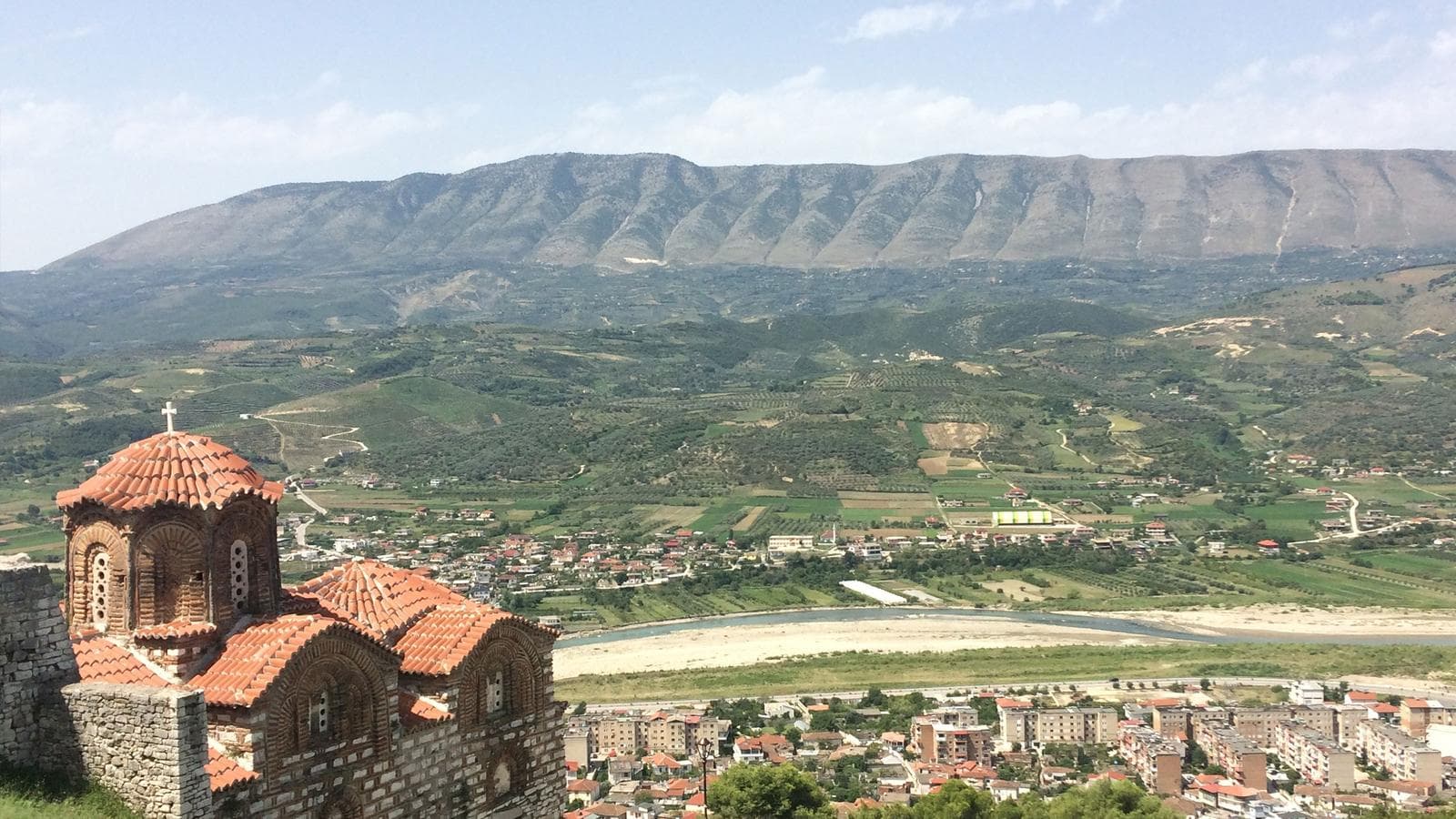
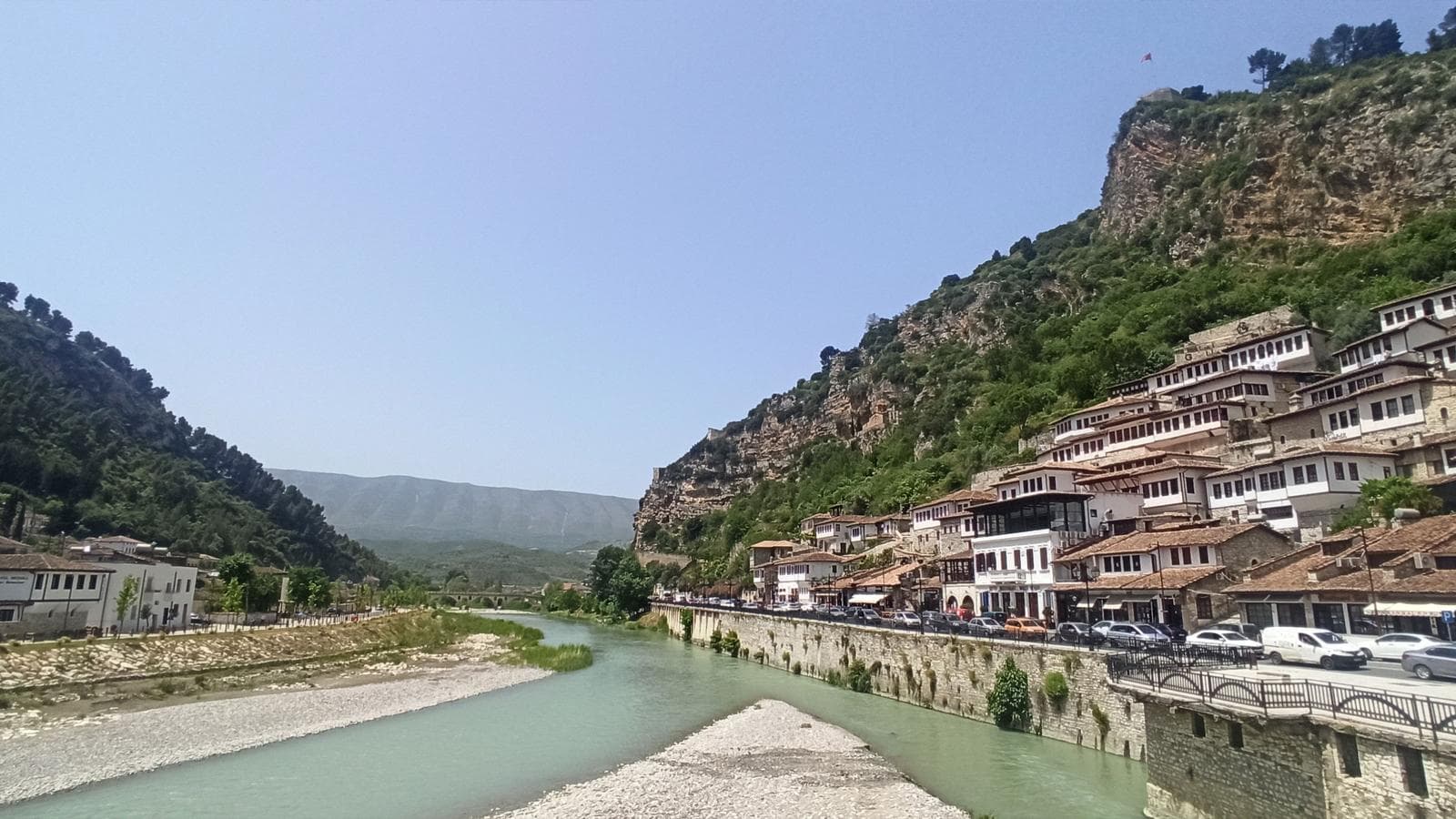
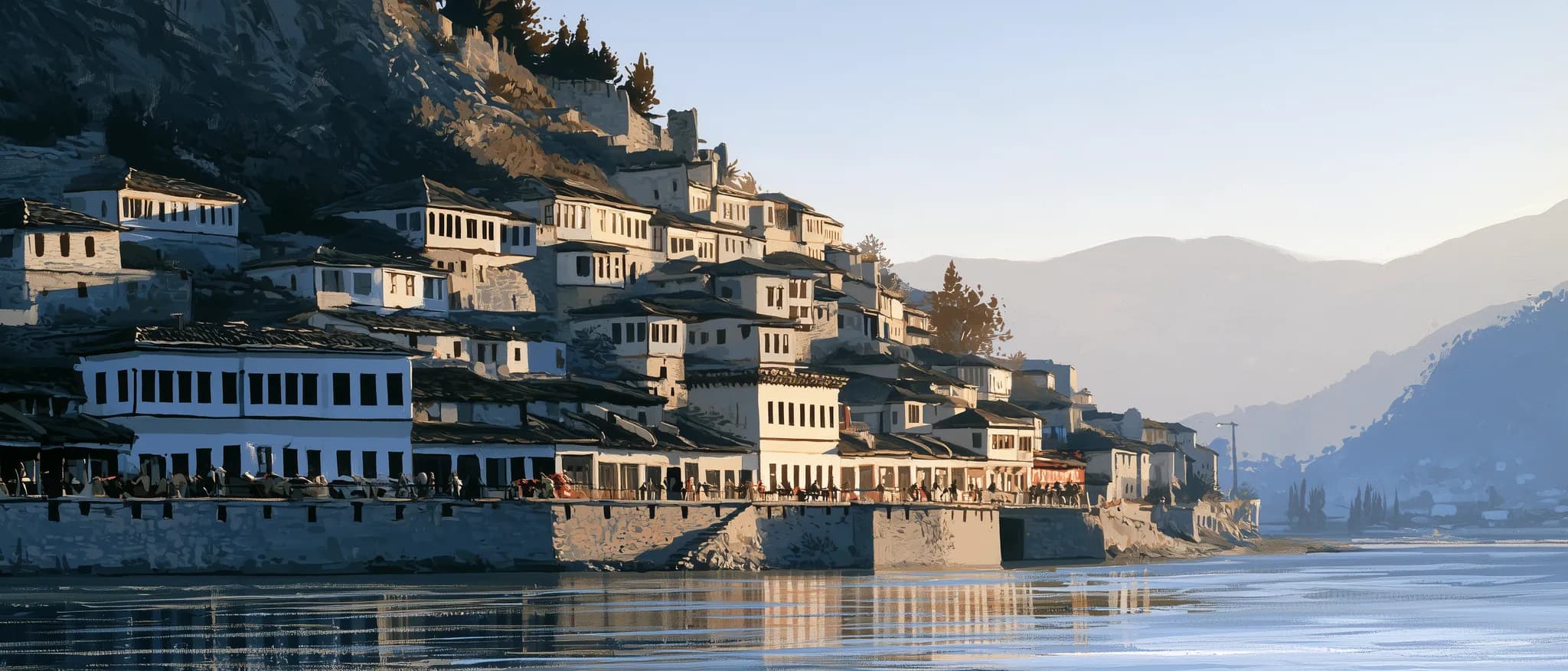
For much of the twentieth century Albania was one of the hardest countries in Europe to visit. More than four centuries of Ottoman rule ended with independence in 1912, and after the Second World War came four decades of communism under Enver Hoxha, a regime that cut the country off from nearly everyone, East and West. It opened up only in the early 1990s. That long isolation is part of why so much of what visitors come for survived more or less untouched: the Ottoman stone towns of Berat and Gjirokastër, listed together as a World Heritage Site; the Greek, Roman and Venetian layers of Butrint; and, less charmingly, the small concrete bunkers that still turn up on hillsides and beaches.
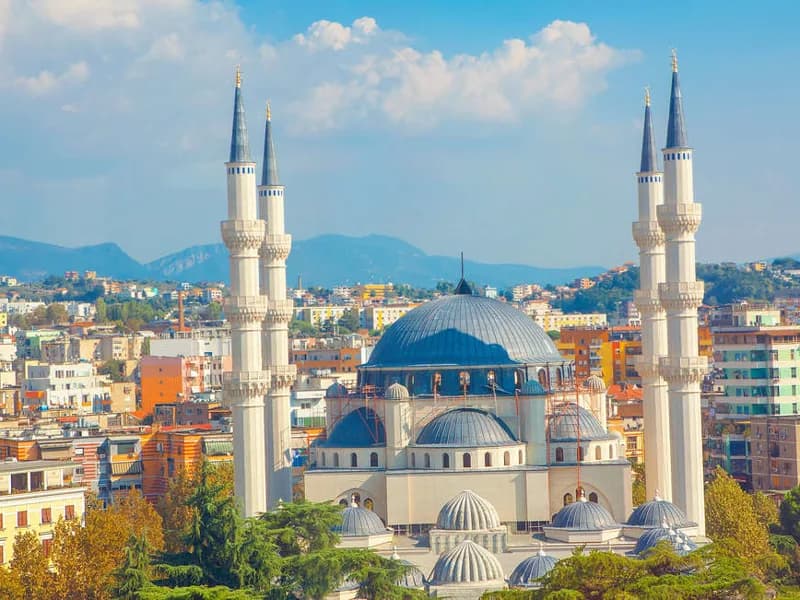
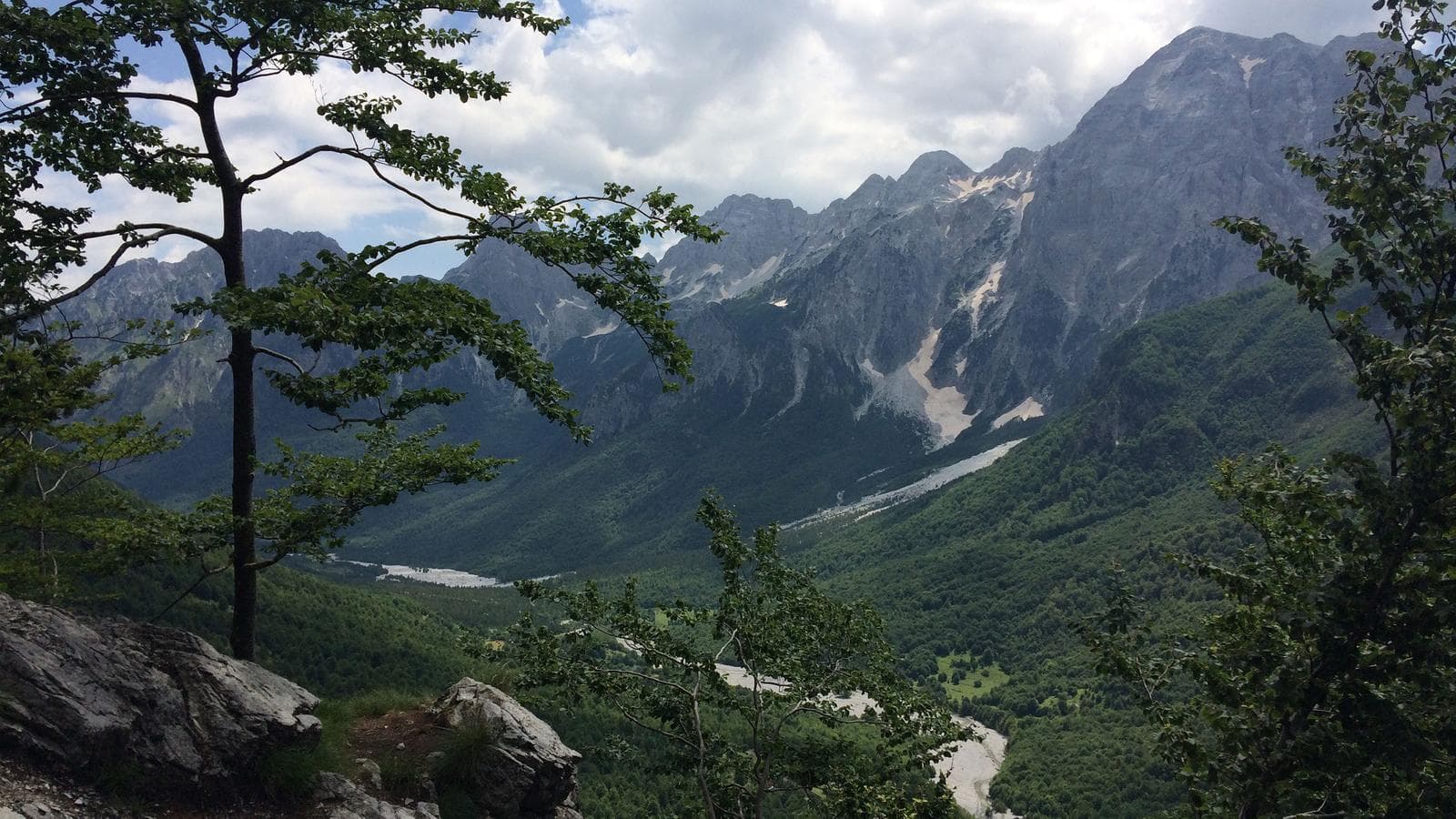
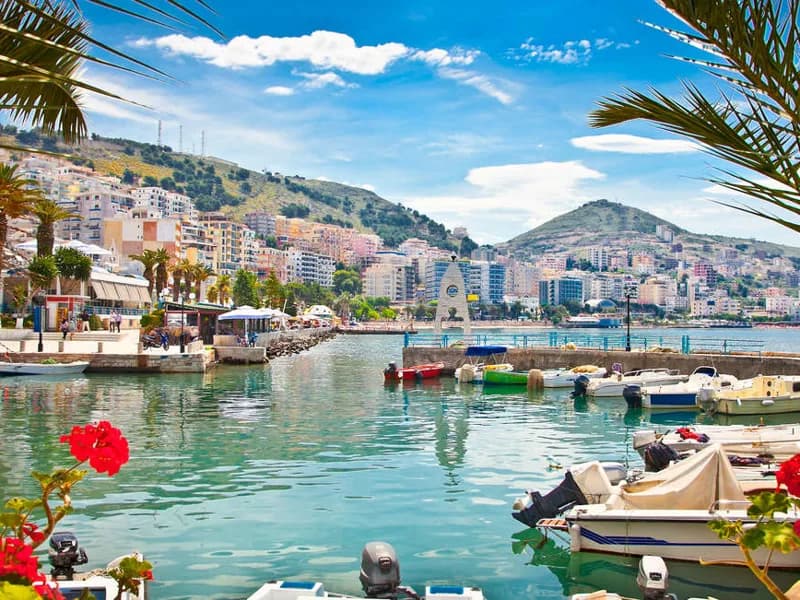
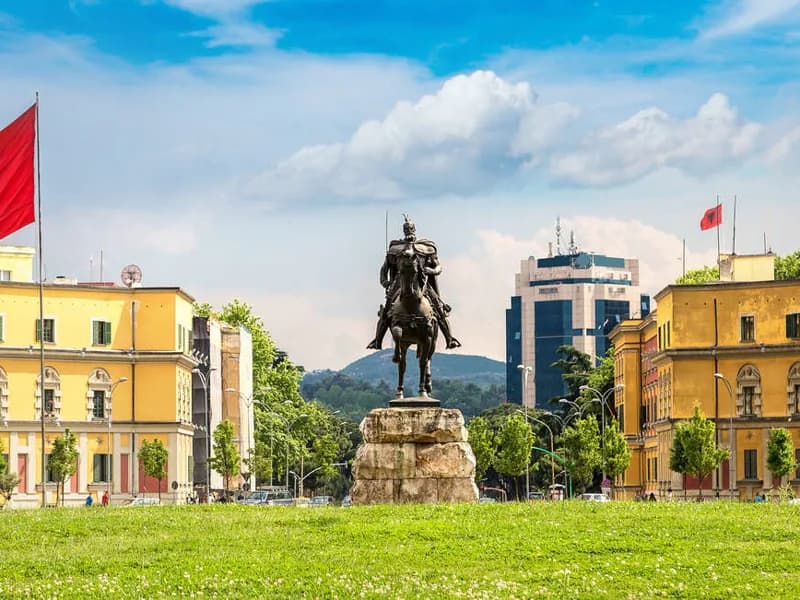
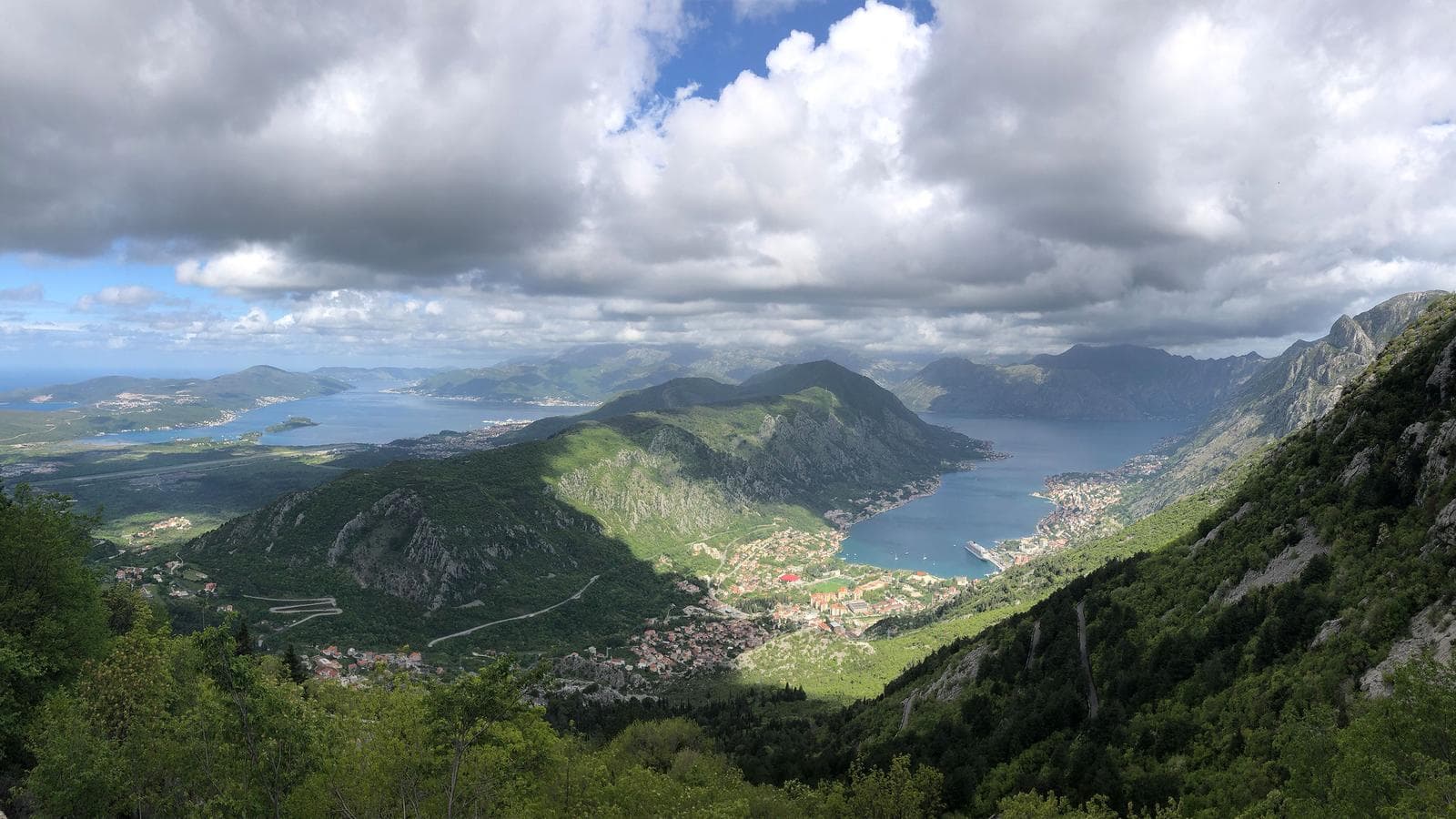
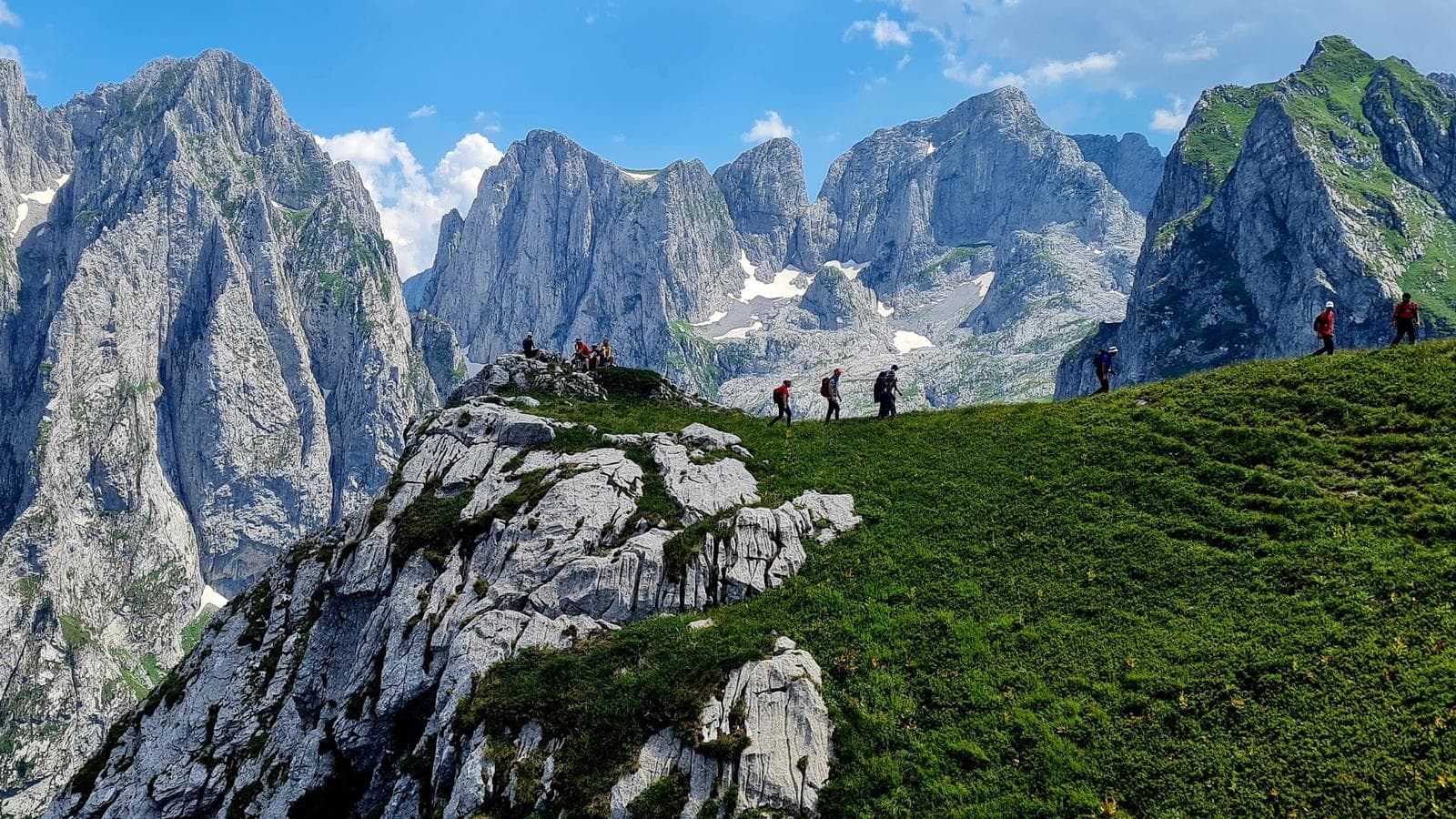
The country is small, a little larger than Wales, but it is mostly mountains, and that shapes every trip. In the south and centre, the classic tour starts in Tirana, a capital that has painted its grey communist blocks in bright colours, and heads to Krujë's castle, Berat and Gjirokastër, the ruins at Apollonia and Butrint, and the Ionian coast around Sarandë and Himarë, with the road over the Llogara Pass between them. The north is a different country: the limestone peaks of the Accursed Mountains, the boat along Lake Koman, and the high valleys of Theth and Valbona, reached for only part of the year.
Most of our Albania holidays are small-group tours of about a week, from classic sightseeing to walking the coastal trails, hiking the Albanian Alps or cycling from the lakes of the south-east down to the sea; one is for solo travellers, one for families, and another goes on into North Macedonia and Kosovo. Distances on the map are short, but the mountain roads are slow, so a guide and a driver who know them make the days far easier. Several of our cruises also call at Sarandë, which gives a day ashore for Butrint or the Blue Eye spring rather than a journey through the country.
The seasons divide the country neatly. Spring and autumn, from April to June and in September and October, suit the old towns and the ruins best, when the days are warm and the coast is quiet. July and August are hot in the lowlands and crowded on the coast, but they are the best months for the northern mountains, whose high passes are blocked by snow until late spring. From November to March it is mild but wet, and few tours run.
Journeys
Reading about Albania
Finding holidays