Travel guide
Vietnam holidays: a travel guide for UK visitors
Hanoi and Halong Bay, the imperial city of Hue, the old port of Hoi An and the Mekong Delta: a practical guide to Vietnam holidays and tours. Vietnam has three climates in one long country, so the guide also gives the best time to visit, region by region and month by month.
Why visit Vietnam
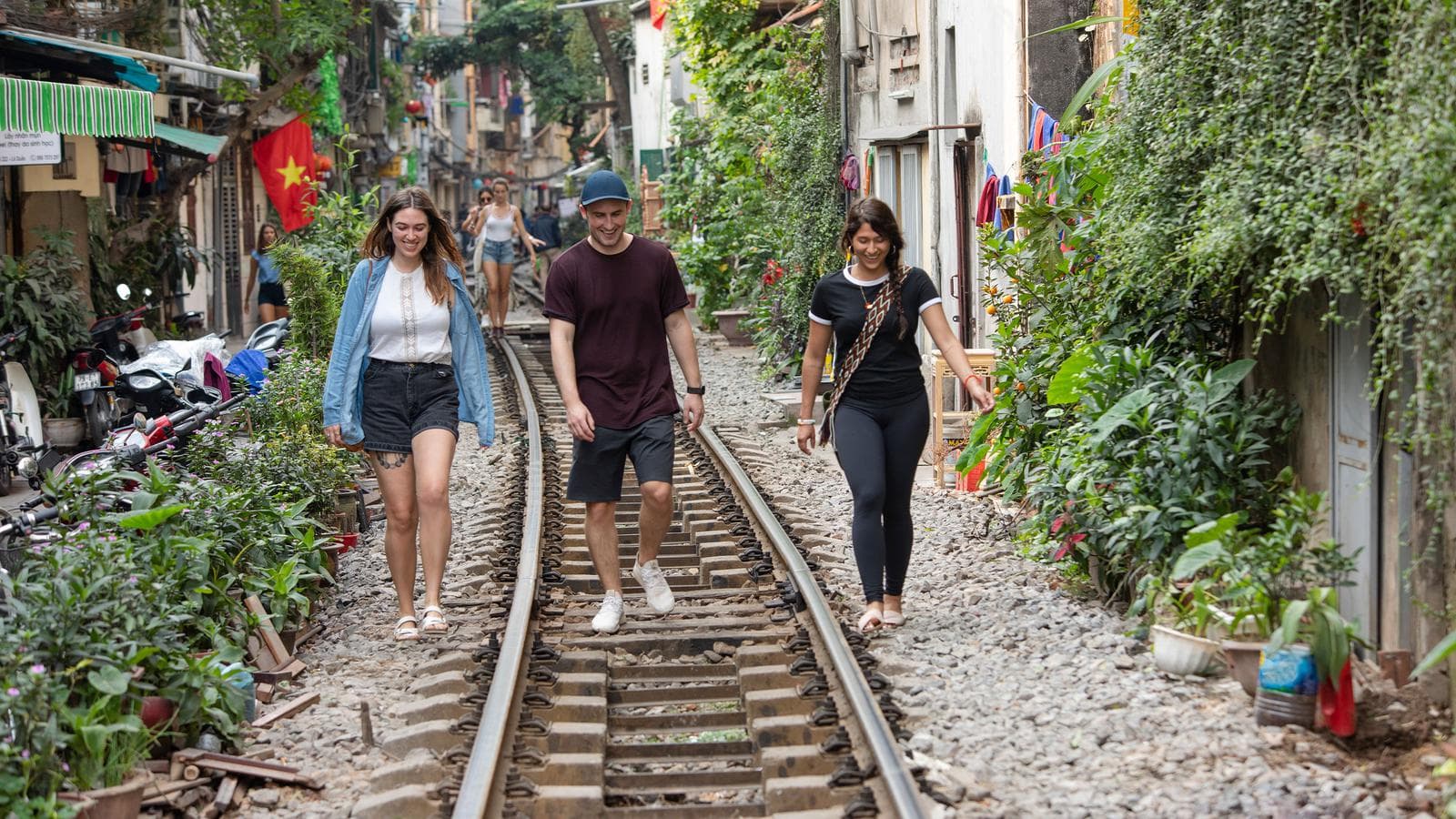
Vietnam is long and narrow, and most tours travel the whole of it, from Hanoi in the north to Ho Chi Minh City in the south, in about two weeks. Hanoi is the place to start: an old quarter of narrow shophouses, lakes and French boulevards, and a few hours from the limestone islands of Halong Bay, where an overnight boat is the usual way to see them. Halfway down the coast are Hue, the walled capital of the Nguyen emperors, and Hoi An, a trading port whose old town of wooden merchants’ houses has survived almost intact. The south is busier and warmer: Ho Chi Minh City, still called Saigon by many who live there, the tunnels at Cu Chi, and the rivers and markets of the Mekong Delta. It is a country of history more than nightlife, and the tours suit people who want culture, food and scenery at a steady pace. Many add a few days in Cambodia for the temples of Angkor, and a guide makes light work of the internal flights, the border and the traffic.
Best time to visit Vietnam
Vietnam has three climates, so the best time to visit depends on where you go. For a tour that runs the length of the country, March and April are the most reliable months, dry from Hanoi to the Mekong Delta and not yet at their hottest; February is good too, though the Lunar New Year, Tet, fills transport and closes some shops for several days. The north, around Hanoi, Halong Bay and Sapa, is cool and often grey from December to February, warm and pleasant in spring and autumn, and hot and humid from May, with the rains heaviest from June to September. The south, around Ho Chi Minh City and the Mekong Delta, is warm all year: dry from about December to April, then wet from about May to October, usually as heavy afternoon showers rather than days of rain. The centre, around Hue, Hoi An and Danang, keeps its own calendar: dry and hot from about February to August, then rainy from about September to December, with floods most likely in October and November. Summer is quieter, and the centre is at its best then, but the north and south are wet.
Vietnam month by month
- JanuaryGood
- Cool and often grey in Hanoi and Halong Bay; dry and warm in the south, with central Vietnam drying out after autumn.
- FebruaryGood
- The Lunar New Year, Tet, usually falls in late January or February, and domestic travel and transport get busy around it.
- MarchBest
- A reliable month everywhere: dry in the north before the summer heat, dry in the centre, dry in the south.
- AprilBest
- Still dry and settled across the country, ahead of the north and south's wet, humid summer.
- MayGood
- Heat and humidity build in the north; the wet season begins in the south.
- JuneGood
- Hot and humid in Hanoi and Halong Bay; the southern wet season is under way, with heavy but often brief afternoon rain.
- JulyGood
- Hot throughout; the south is well into its wet season, the centre still largely dry.
- AugustQuiet
- Peak heat and humidity in the north and centre, and typhoon season on the central and northern coast.
- SeptemberQuiet
- Typhoon risk continues on the central and northern coast; the Mekong Delta is at its highest, floodwater season.
- OctoberQuiet
- Typhoon risk persists in the centre and north; the south moves out of its wet season.
- NovemberGood
- The north turns cool and clear and the south settles into its dry season; the centre can still see heavy rain and flooding.
- DecemberGood
- Dry and cool in the north, dry and warm in the south; showers linger in the centre around Hue and Hoi An.
Top things to do in Vietnam
- 1
Sail among the karst islands of Halong Bay
Well over a thousand limestone islands rise from the Gulf of Tonkin, two and a half to three hours by road from Hanoi. Most tours spend a night on board a boat, with time to kayak or visit a cave. Some sail in Lan Ha Bay, off Cat Ba Island, which has the same scenery and fewer boats, so it is worth checking which bay an itinerary names.
- 2
See Hue and Hoi An
Hue was the capital of the Nguyen emperors, and its walled citadel, Perfume River and royal tombs take a full day. Hoi An, a few hours south over the Hai Van Pass, is an old trading port of wooden houses, tailors and lanterns, best walked in the early morning or the evening. Some tours add the ruined Cham temples at My Son.
- 3
Take to the water in the Mekong Delta
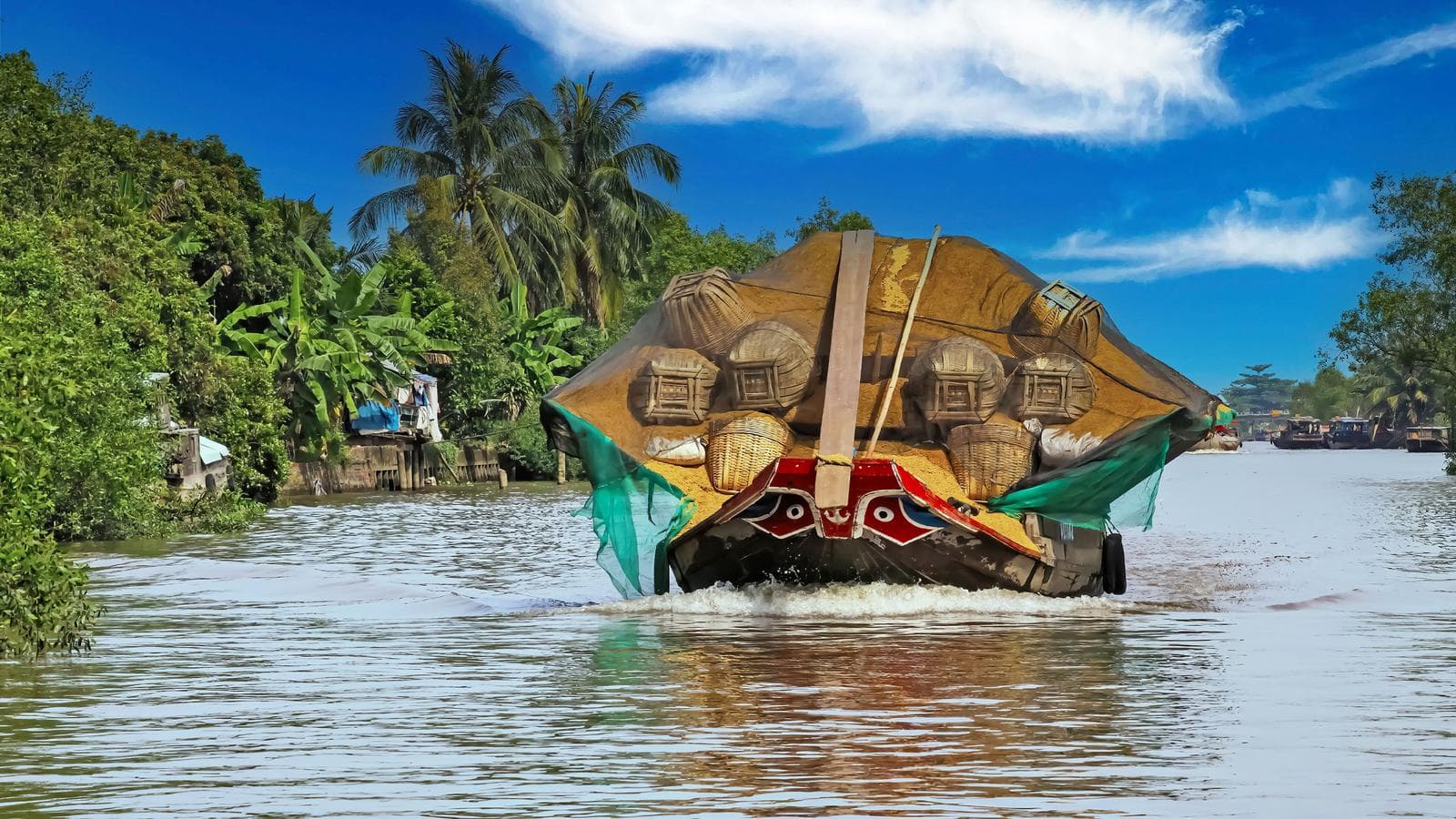
South of Ho Chi Minh City, the Mekong splits into a maze of rivers and canals lined with orchards, rice fields and floating markets. Tours usually travel by boat, often with a night near Can Tho, and many stop at the Cu Chi tunnels, the wartime network north-west of the city.
The cheapest Vietnam holidays right now
Lowest lead-in prices first, from live availability. Open one for its dates, and book directly with its operator.
Vietnam travel questions
- When is the best time to visit Vietnam?
- For a tour of the whole country, March and April are the most reliable months: dry in the north, the centre and the south. November to February are also good, though the north is cool and grey in winter and central Vietnam can be wet until December. Summer is hot and wet in Hanoi and Ho Chi Minh City but dry on the central coast.
- What is the weather like in Vietnam in October?
- It varies by region. The north is pleasant, warm and drying out, and the south is leaving its wet season behind. The centre, around Hue and Hoi An, is in its wettest weeks, and the UK government warns of seasonal flooding there in October and November. Tours can still run, but plans may change at short notice.
- What is the weather like in Vietnam in April?
- Warm and mostly dry throughout, which makes April one of the best months for a tour of the whole country. Hanoi is warm and getting humid, the central coast is sunny, and the south is at its hottest just before the rains arrive in May.
- When is the rainy season in Vietnam?
- In the north and the south, the rains are heaviest from June to September; in the south the wet season runs from about May to October, usually as short afternoon downpours. The centre is different: its rains come from about September to December, and the UK government warns of seasonal flooding there in October and November.
- What is the best time to visit Vietnam and Cambodia?
- November to April suits both. Cambodia is dry from about November to April and hottest from March, while Vietnam is driest from about February to April. December to February is the most comfortable compromise for the temples of Angkor, if you do not mind a cooler, greyer Hanoi.
- Is two weeks enough for Vietnam?
- Two weeks is enough to see the main sights from Hanoi to the Mekong Delta, which is what most tours of the whole country cover, with one or two internal flights to save long drives. Ten days can work if you leave something out, often the far south or the north. Tours that add Cambodia give Vietnam less time.
- Is it better to travel Vietnam north to south or south to north?
- There is little to choose between them, and tours run both ways. Starting in Hanoi means beginning somewhere cooler and ending in the warmth of the south; starting in Ho Chi Minh City means finishing with Hanoi and Halong Bay. Pick the dates and the itinerary you like and let the direction follow.
- How do tours get from Hanoi to Halong Bay, and is it worth it?
- By road, two and a half to three hours each way, so most tours stay a night on a boat rather than going there and back in a day. Halong Bay is busy, and its main channels are full of boats; Lan Ha Bay, off Cat Ba Island, has the same limestone scenery with fewer. The itinerary should say which bay the boat sails in.
- Do UK citizens need a visa for Vietnam?
- Not for a visit of up to 45 days. Your passport must be valid for at least six months from arrival, with two blank pages, and undamaged. If your tour leaves Vietnam for Cambodia or Laos and comes back, ask your operator whether you need an e-visa, which allows several entries. Check the UK government’s travel advice before you book.
- Can I take my prescription medicines to Vietnam?
- Yes. Carry them in your hand luggage with a copy of the prescription, and declare them at customs if they are worth more than 100 US dollars in total. Check the UK government’s travel advice, and ask the Vietnamese Embassy if you are unsure about a particular medicine.
- What vaccinations do I need for Vietnam?
- See your GP or a travel clinic at least six weeks before you go. They will check your routine vaccinations and advise on any others, and on malaria, which depends on where your tour goes. TravelHealthPro publishes the current advice for Vietnam.
- Do tours in Vietnam use sleeper trains or flights?
- It depends on the tour. Most itineraries that cover the whole country take one or two internal flights for the longest distances, and some use the overnight train, which is an experience but not a comfortable night’s sleep. Each tour’s itinerary says how you travel between regions, so check before you book.
- Is Vietnam good for solo travellers?
- Yes. Small-group tours are a good way to see it alone, and Just You’s tours are only for solo travellers, with a room of your own. Other operators may offer to pair you with another solo traveller to share a room; ask about this and any single supplement before you book.
- Should I avoid travelling at Tet?
- Tet, the Lunar New Year, falls in late January or February and is the biggest holiday of the year. Trains, flights and roads are full in the days around it, and some shops and restaurants close for several days. Tours still run, and the decorations and flower markets beforehand are worth seeing, but expect a quieter few days.
- Is Vietnam safe for tourists?
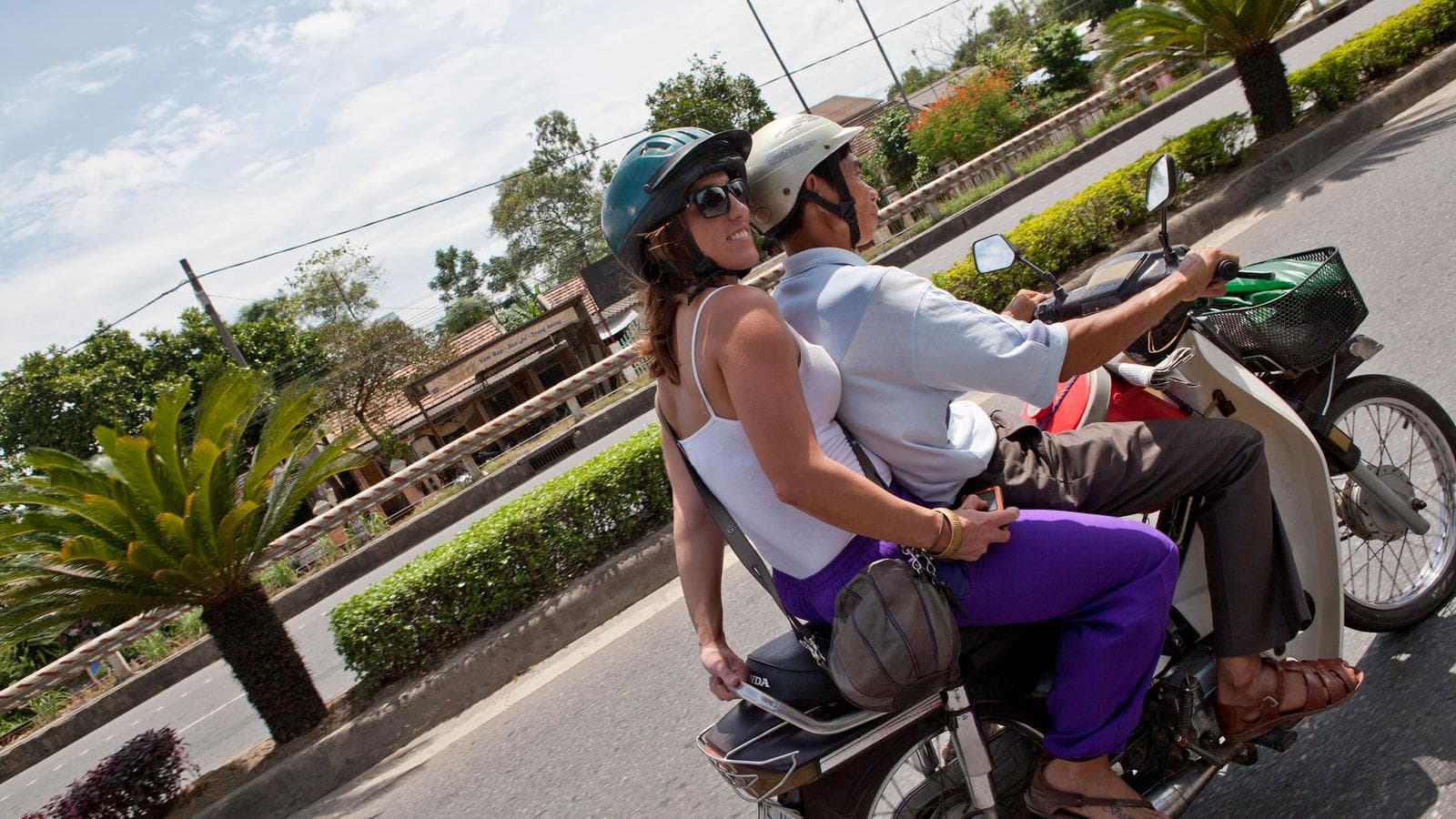
- Most visits are trouble-free. The greatest everyday risk is traffic: cross the road at a slow, steady pace so that motorbikes can steer round you, and keep bags on the side away from the road. Read the UK government’s travel advice before you go.
Related travel guides
Indonesia
Bali’s rice terraces and temples, the volcanoes and Borobudur on Java, and the dragons of Komodo: a practical guide to Indonesia holidays and tours, with the best time to visit Bali and the islands month by month.
Thailand
Bangkok’s temples and canals, the old capitals, the hills around Chiang Mai and two coasts with opposite seasons: a practical guide to Thailand holidays and tours, with the best time to visit Thailand month by month.