Southeast Asia
Vietnam
A single country stretching some sixteen hundred kilometres from north to south, with three distinct climates inside it: the cool north, the storm-prone centre and the reliably warm south rarely agree on what season it is.
75 holidays go to Vietnam
from £278.85 per person
Vietnam
When to go
March
A reliable month everywhere: dry in the north before the summer heat, dry in the centre, dry in the south.
Travelling in Vietnam
Vietnam runs the length of the South China Sea coast, and its weather runs with it rather than as one system. Hanoi, in the north, has something close to four seasons, with a genuinely cool winter and a hot, sticky summer; Ho Chi Minh City and the Mekong Delta, in the south, stay warm year-round and simply swap a wet season for a dry one; and the centre, around Hue, Hoi An and Danang, sits between the two and takes the brunt of the typhoons that spin in from the South China Sea between roughly August and November. An itinerary that runs the country end to end, as most escorted tours here do, will cross all three in a fortnight.
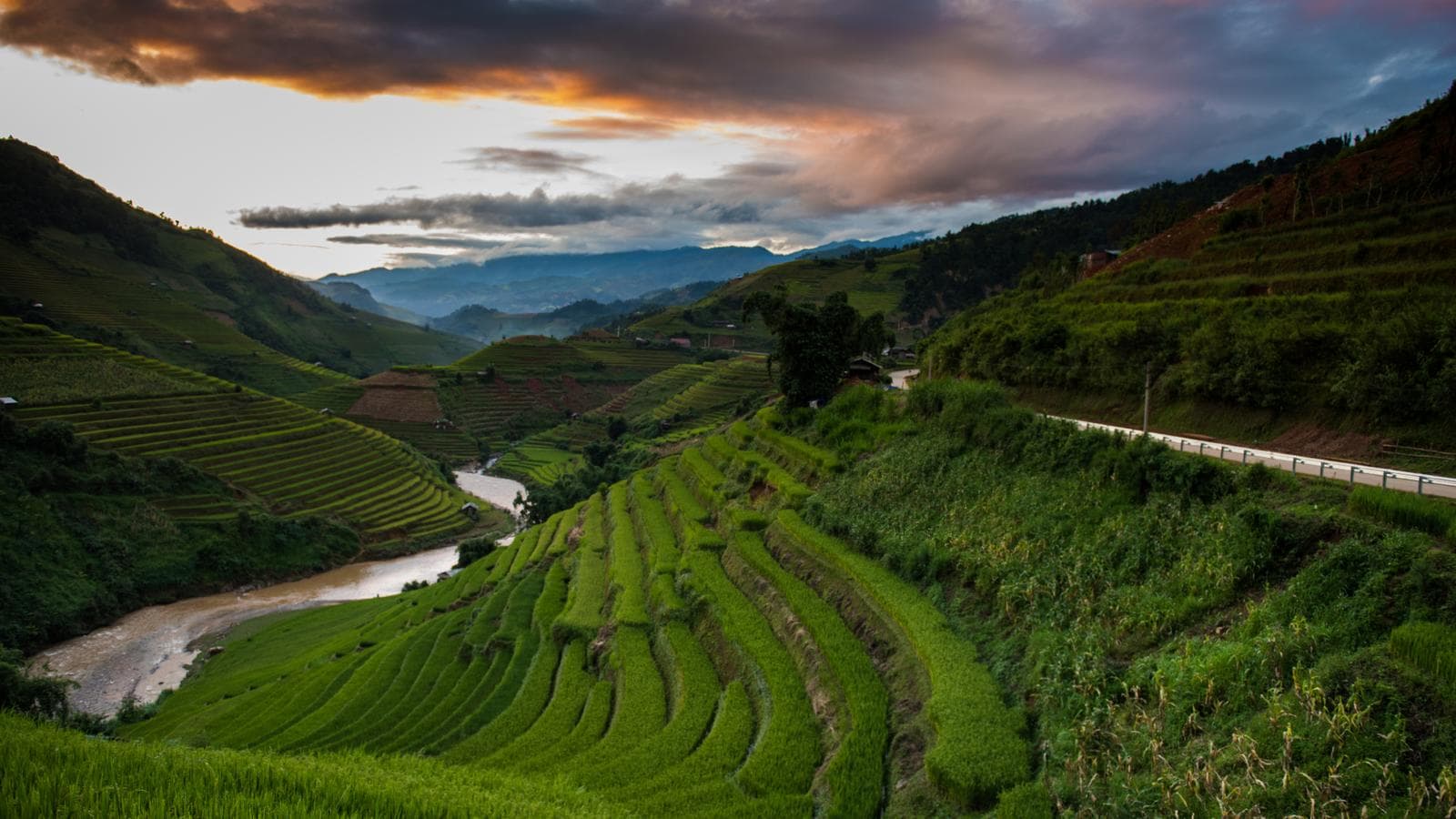
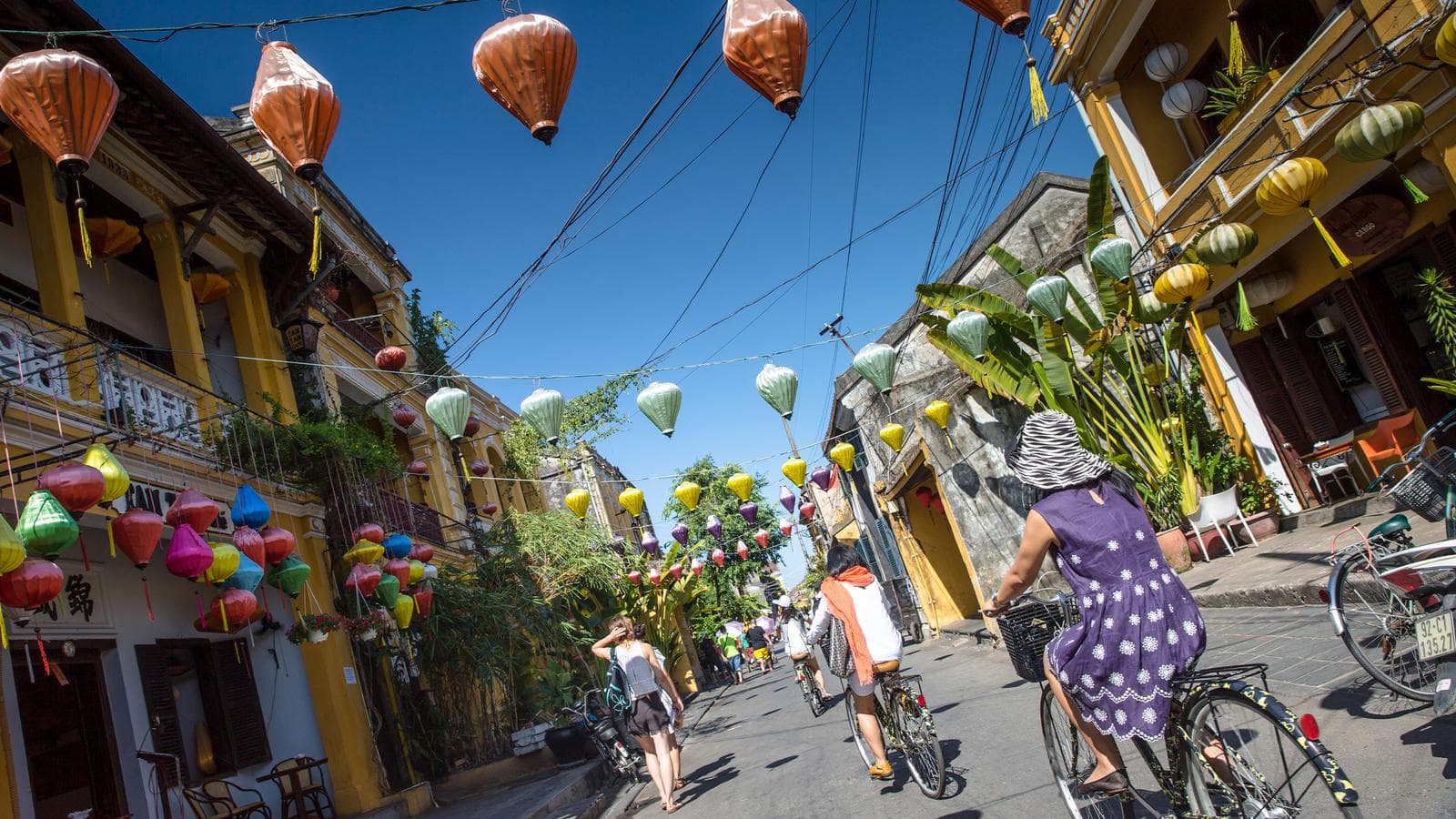
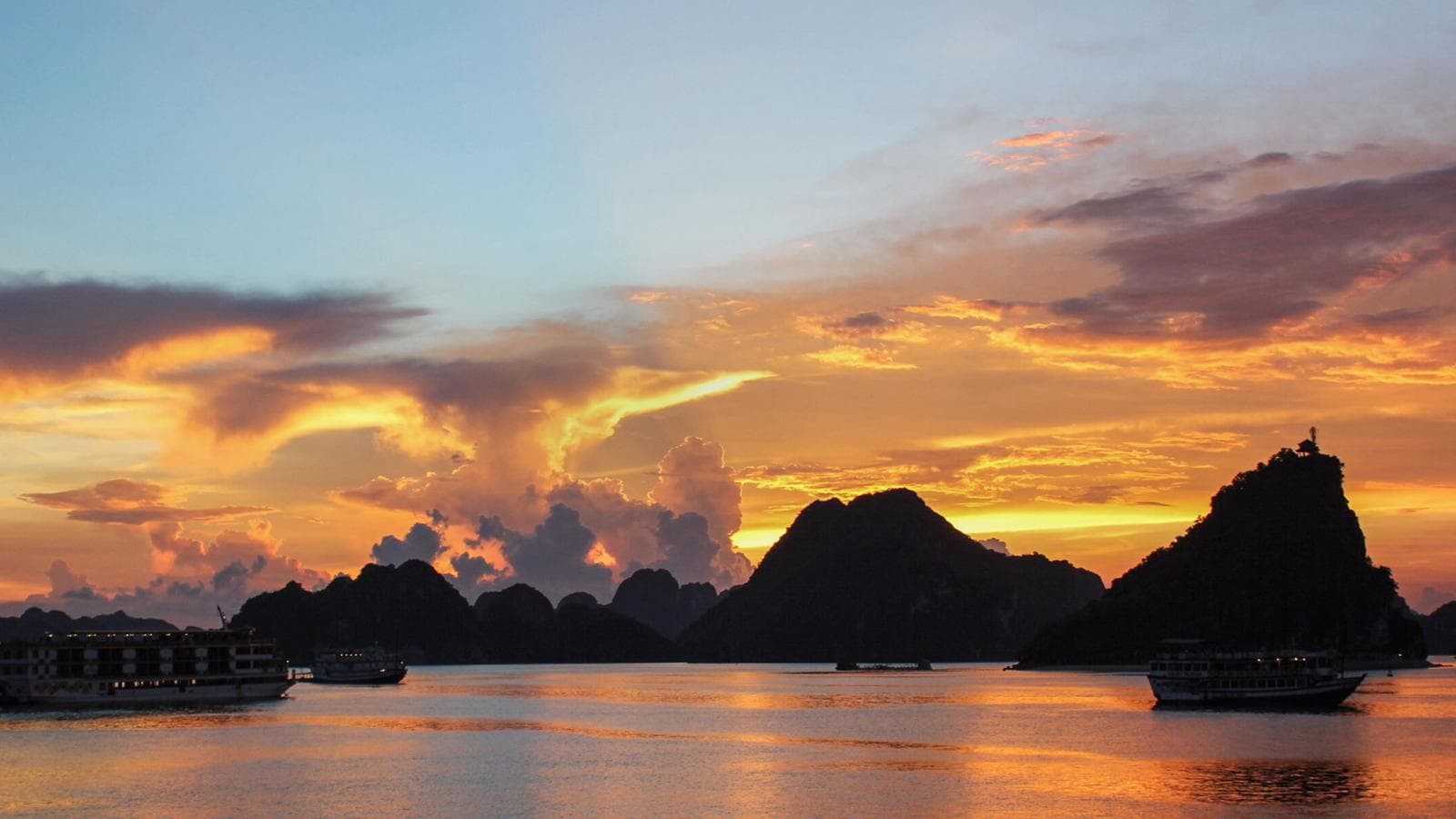
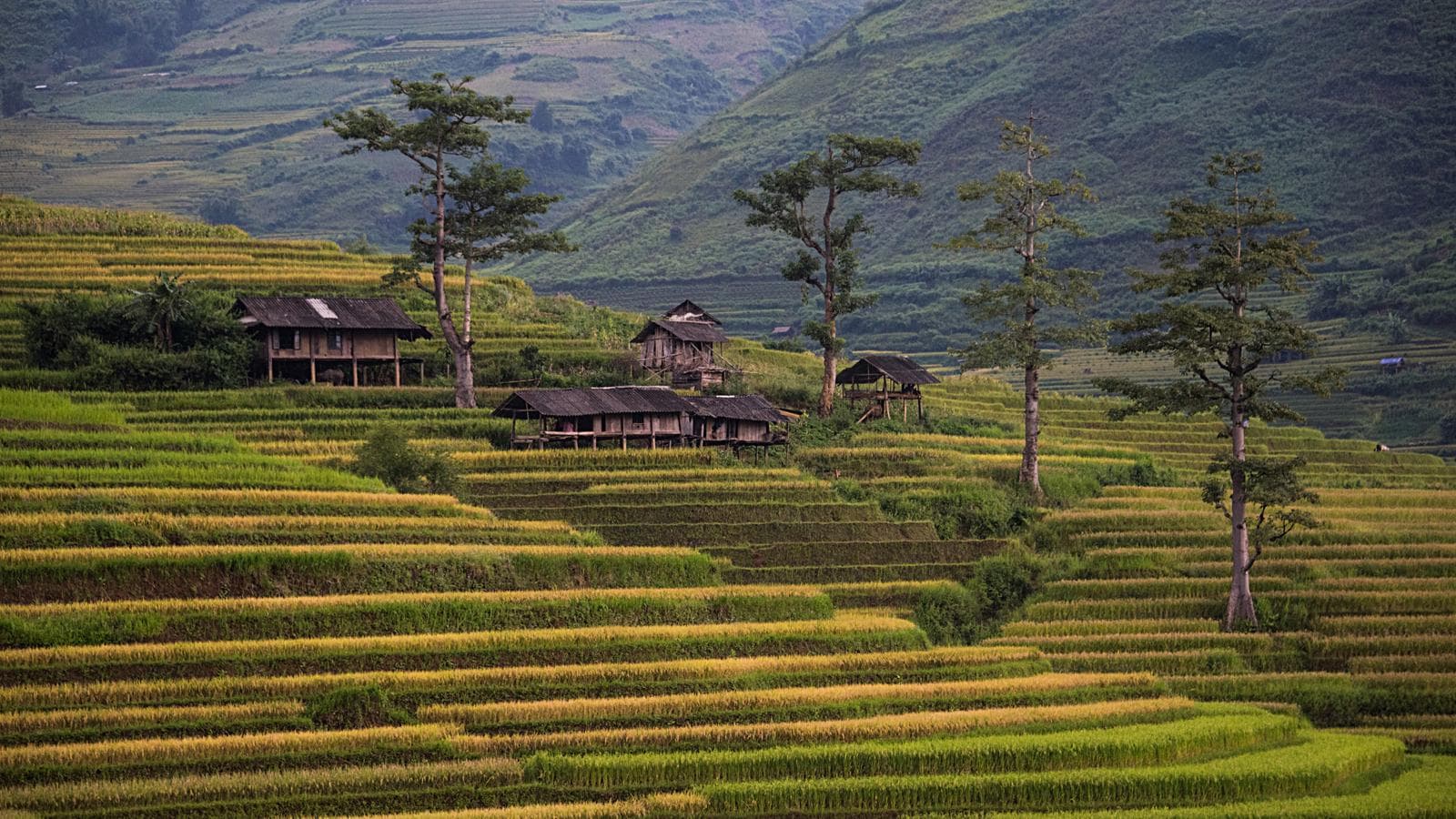
That length is also what makes Vietnam interesting to travel through rather than simply arrive at. The imperial capital at Hue, the trading port at Hoi An, the karst islands of Halong Bay and the rice country of the Mekong Delta are separated by a full day's drive or more, and the tours built here tend to move steadily south (or north) rather than basing themselves in one place.
Recent history sits close to the surface almost everywhere: French colonial buildings in Hanoi and Ho Chi Minh City, the citadel and tombs of the Nguyen emperors at Hue, and the physical traces of the war that divided the country until 1975. None of it is hidden from visitors, and it is worth reading a little before you go.
Journeys
Reading about Vietnam
Finding holidays