Journeys
Vang Vieng, after the party moved on
For a few years, a small town in the limestone hills of Laos was notorious as a riverside party. Then the bars were closed down. What remains is the reason people came in the first place: a river, caves and some of the most beautiful karst scenery in South-east Asia.
By Walter Pellow20 October 20264 min read
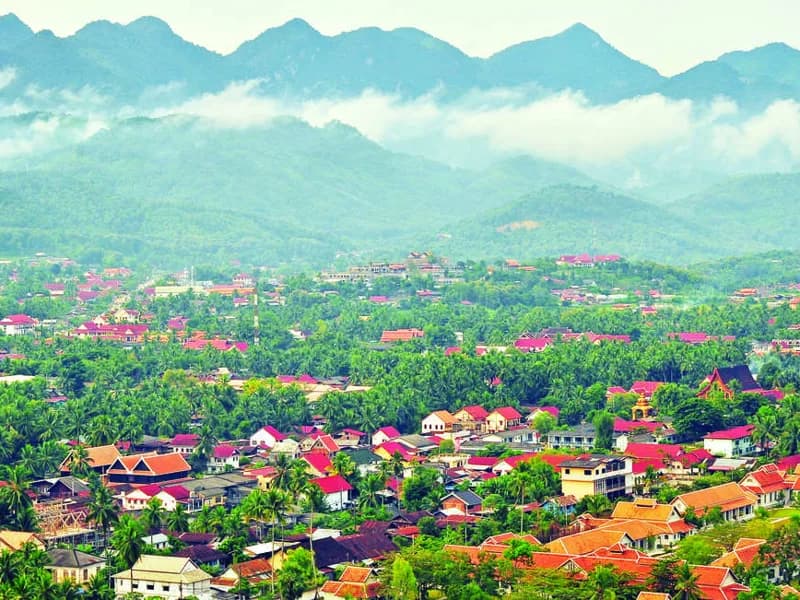
Vang Vieng lies on the Nam Song river in central Laos, between Vientiane and Luang Prabang, at the foot of a range of sheer limestone peaks. The river is wide and shallow, the peaks rise straight from the rice fields, and caves riddle the hills. It is one of the most beautiful landscapes in Laos.
For a time, though, it was known for something else. In the 2000s, Vang Vieng became a fixture on the backpacker trail through South-east Asia, and a notorious one. The draw was tubing: floating down the river on the inner tube of a tractor tyre, stopping at a string of riverside bars that sold cheap drink and other substances, with rope swings, zip lines and slides into the water. The town filled with bars showing television sitcoms on a loop. It was loud, chaotic and often dangerous. A number of young travellers died in the river, drowned or injured on the swings and slides, and the local community, and the Lao government, grew increasingly unhappy.
In 2012 the authorities shut down most of the riverside bars. The party moved on, and Vang Vieng had to reinvent itself.
What remains
What was always there remains: the river, the caves and the mountains. Today Vang Vieng is a centre for outdoor activities in a spectacular setting, popular with a wider range of visitors, including families and older travellers, and with many visitors from elsewhere in Asia.
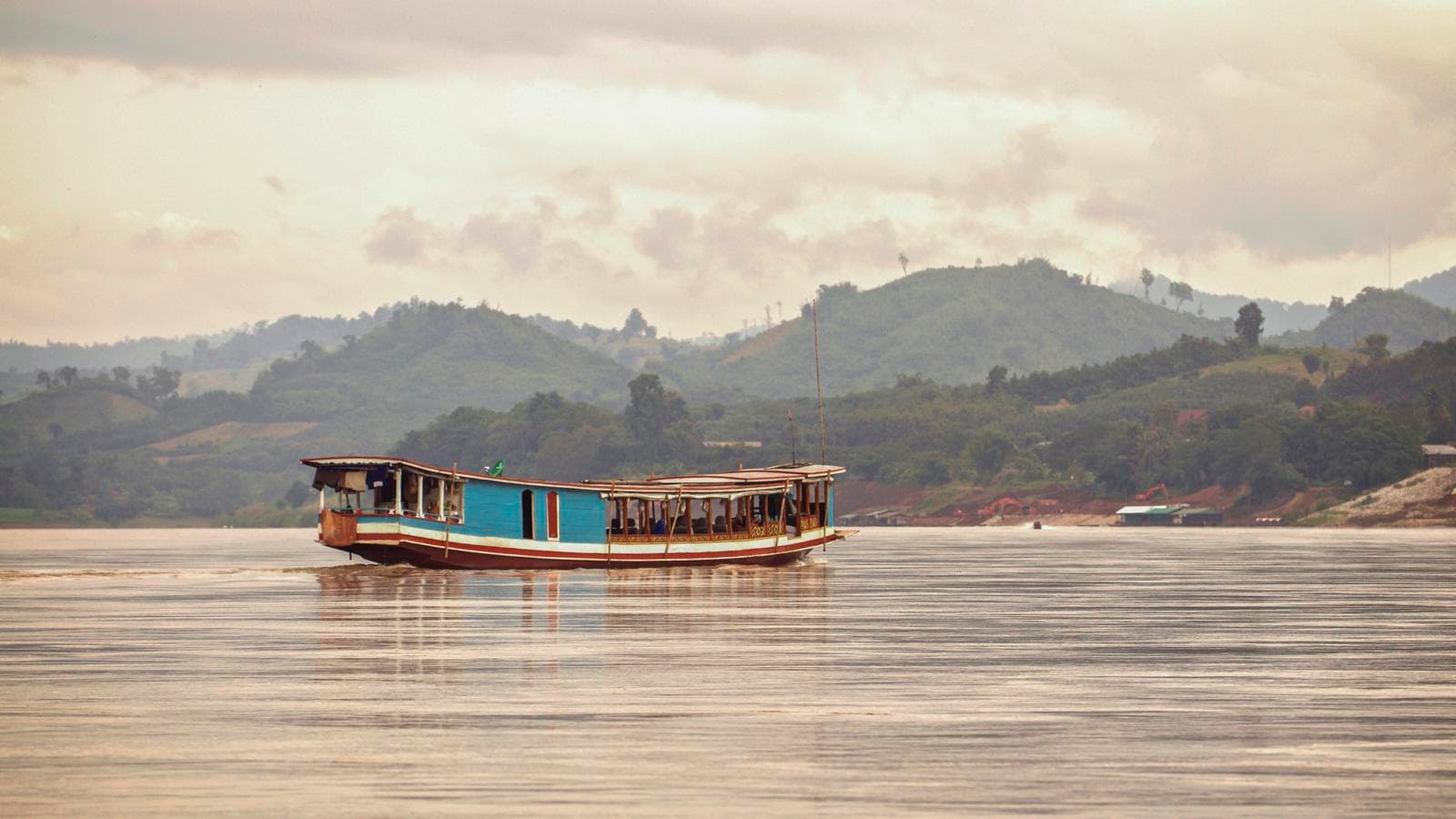
Kayaking on the Nam Song is the best way to see the karst, drifting past the peaks and villages on a gentle current. Tubing still exists in a more sedate form. The caves in the surrounding hills include Tham Chang, near the town, and Tham Phu Kham, a large cave with a reclining Buddha inside and a pool of turquoise water, known as the Blue Lagoon, at its entrance. Some caves have underground rivers that can be explored on a tube with a head torch, with a guide. Rock climbing on the limestone cliffs, paragliding and hot-air balloon flights at dawn over the peaks have all become popular. The view of the mist-filled valley from the air at sunrise is remarkable.
The countryside around the town is worth exploring on foot or by bicycle. Beyond the river, dirt roads lead through rice fields and small villages of the Hmong and Lao peoples to the foot of the limestone cliffs. Water buffalo graze in the paddies, children play in the streams and farmers work the fields in conical hats, much as they have for generations. A bicycle, a map and a free afternoon are enough to discover a quieter Vang Vieng, and the views of the karst from the fields, with the light changing on the cliffs, are among the finest in Laos.
The new railway
Vang Vieng's latest change came with the railway. In 2021 a new railway line, built with Chinese investment, opened through Laos from the Chinese border to Vientiane, with a station at Vang Vieng. The journey that once took several hours on winding roads now takes about an hour by train from the capital, and around the same again to Luang Prabang. It has brought more visitors, and the town continues to grow, with new hotels, restaurants and cafés.
The tours that stop there
Explore Worldwide's Highlights of Laos, seven nights, includes Vang Vieng with Vientiane, Luang Prabang, the Kuang Si falls and the villages of Ban Xieng Mene and Ban Chan.
G Adventures' Laos: Sunrises and Street Food, eight nights in October and November, includes Vang Vieng with Vientiane, Luang Prabang, Muang Pakbèng and Chiang Khong. For a longer journey, Explore Worldwide's Jewels of Indochina, twenty-six nights, includes Vang Vieng with Vientiane and Luang Prabang in Laos. It continues to Vietnam, with Hanoi, Cat Ba, Hue, Hoi An and My Son, Ho Chi Minh City and the Mekong Delta, and to Cambodia, with Phnom Penh and Siem Reap.
The cool, dry season, from about November to February, is the best time for walking and climbing, with clear mornings. The rainy season, from about May to October, brings high water to the river and greens the rice fields, and the karst is often wrapped in dramatic cloud.
By Walter Pellow, the name Atlas & Passage’s editorial team writes under. Prices and dates in the trips below come from the operators and can change.