Culture
Luang Prabang at dawn, and the monks' alms round
Every morning before sunrise, lines of monks in saffron robes walk barefoot through the streets of Luang Prabang, collecting sticky rice from kneeling townspeople. It is a living ritual, not a show, and seeing it well means knowing how to behave.
By Walter Pellow20 October 20264 min read
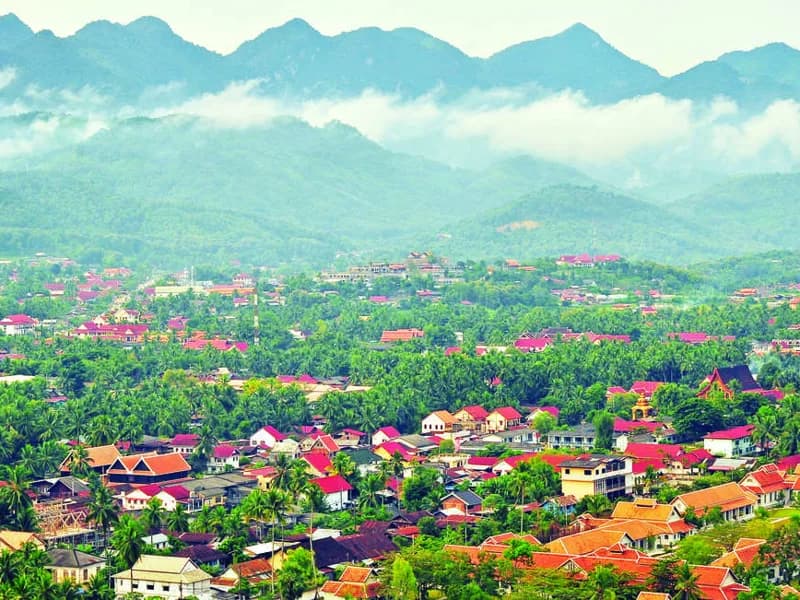
Luang Prabang sits on a narrow peninsula where the Nam Khan river flows into the Mekong, surrounded by green hills. For centuries it was a royal city. It was the first capital of the kingdom of Lan Xang, the "kingdom of a million elephants", founded in the fourteenth century. The kings of Laos continued to live here even after the capital moved to Vientiane, until the monarchy was abolished in 1975. The town takes its name from the Phra Bang, a revered golden Buddha image that is the palladium of the kingdom.
Today it is a small, unhurried town of golden temples, saffron-robed monks and French colonial houses with shuttered windows, set among coconut palms and frangipani trees. The whole town is a World Heritage Site, one of the best preserved traditional towns in South-east Asia, and it is quieter and gentler than almost anywhere else in the region.
The alms round
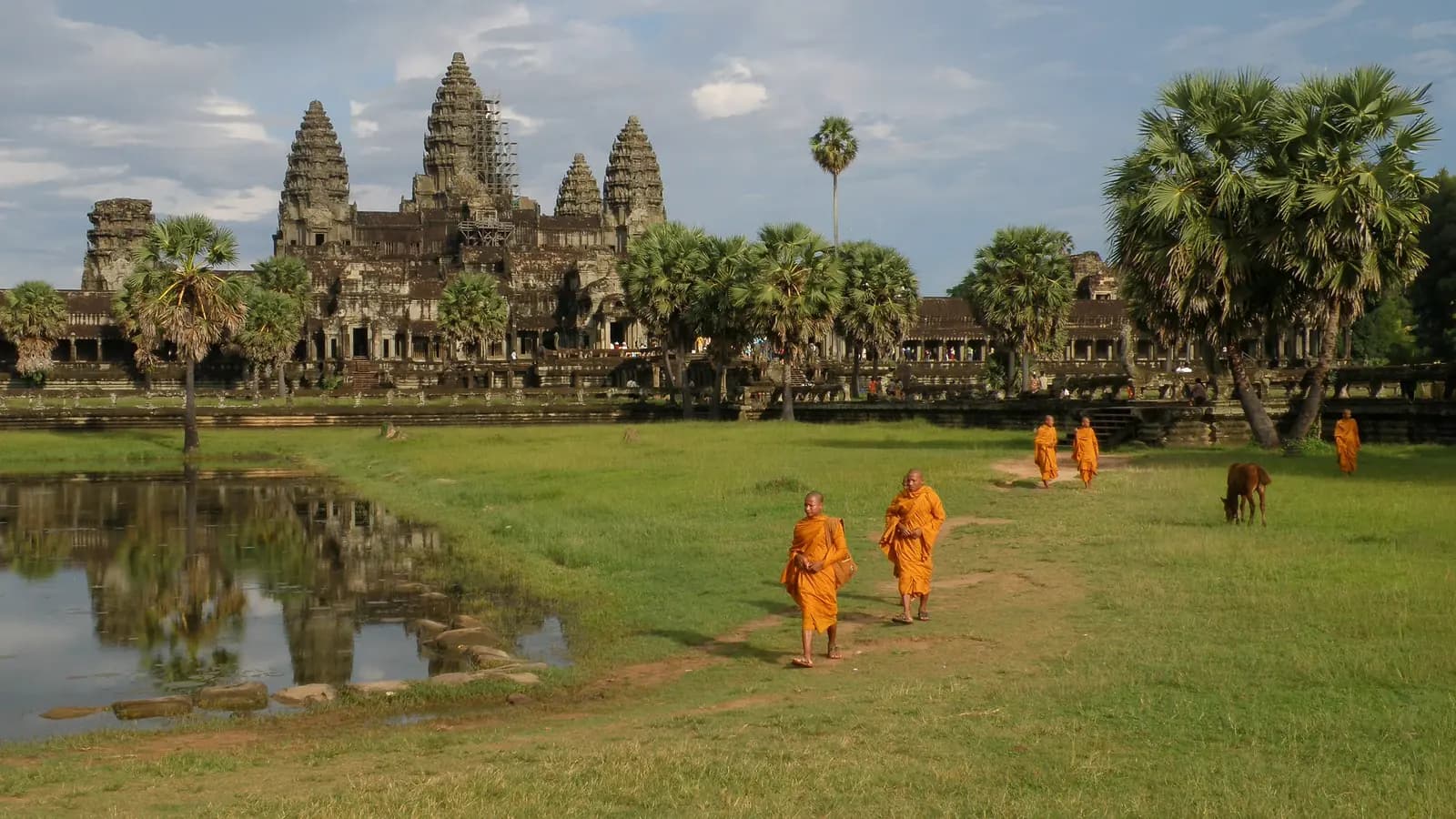
Every morning around dawn, the monks and novices of Luang Prabang's many monasteries leave their temples and walk in single file through the streets, barefoot, carrying lidded bowls. Along the way, townspeople kneel or sit on low stools by the roadside and place a small handful of sticky rice, and sometimes other food, into each bowl. The monks receive it in silence. The ritual is called tak bat, and it is a daily act of devotion and merit-making for the givers and the monks' source of food for the day. It happens all over Laos and in other Buddhist countries, but in Luang Prabang, with so many monasteries, the processions are long and the sight of saffron robes in the grey dawn light is especially beautiful.
It is a living ritual, not a show, and seeing it well means knowing how to behave.
How to watch it
The alms round has become a famous sight, and that has brought problems. In the busiest streets, visitors have crowded the monks, blocked their path, used flash photography in their faces and treated the ceremony as a performance. Some have bought rice of doubtful quality from street sellers to give, without understanding the ritual. Local people and the monks themselves have asked visitors to behave with more respect.
The guidance is simple. Watch from a distance, on the opposite side of the street, quietly and without getting in the way. Don't use flash, and don't stand in front of the monks to photograph them. Dress modestly, covering shoulders and knees. If you want to take part, do so only if it is meaningful to you, with rice from a reliable source, and kneel or sit lower than the monks, as the local people do. Don't touch the monks, and women should take particular care not to. Choosing a quieter street, away from the main road, makes for a better experience for everyone.
The rest of the town
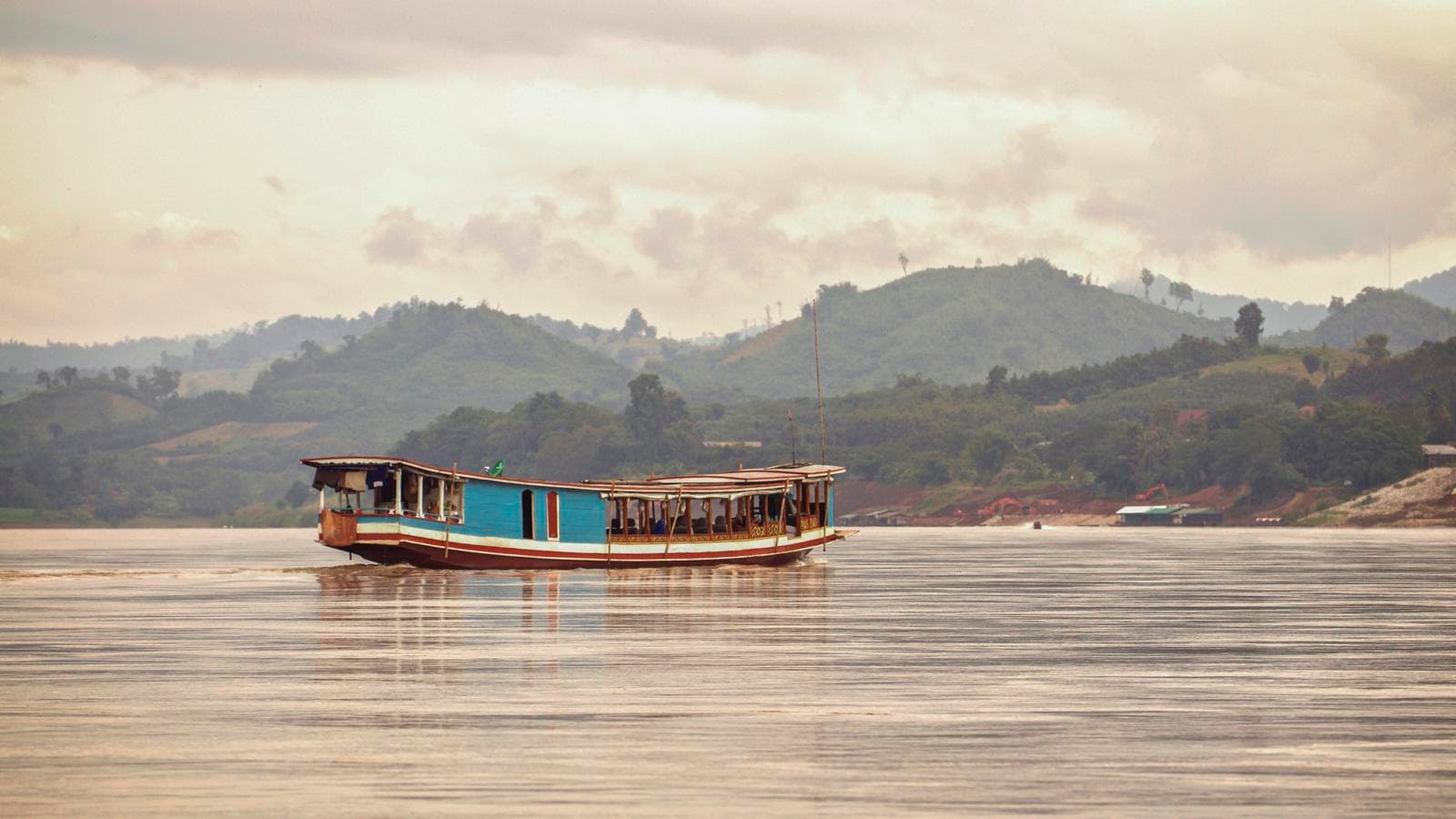
Luang Prabang has dozens of temples. Wat Xieng Thong, near the tip of the peninsula, built in the sixteenth century, with sweeping tiered roofs and walls decorated with glass mosaics, is the finest. The Royal Palace, now a museum, houses the Phra Bang. Climbing the steps of Mount Phousi, the hill in the centre of town, at sunset gives a view over the rooftops and the rivers. Each evening a night market of textiles and crafts fills the main street. Across the Mekong, quiet villages such as Ban Chan, known for its pottery, can be reached by small boat. Out of town, the Kuang Si waterfalls tumble over limestone terraces into a series of turquoise pools.
Explore Worldwide's Highlights of Laos, seven nights, includes Luang Prabang and the Kuang Si falls, the villages of Ban Xieng Mene and Ban Chan, Vientiane and Vang Vieng.
G Adventures' Signature: Laos and Cambodia's Ancient Traditions, six nights from January to March, pairs Luang Prabang with Siem Reap and the temples of Angkor, including Angkor Wat, the Bayon and Ta Prohm, along with the villages of Kampong Kleang and Ban Nongkham. G Adventures' Laos: Sunrises and Street Food, eight nights, includes Luang Prabang on a route along the Mekong.
The cool, dry season, from about November to February, is the most pleasant time to visit. Get up early at least once. The dawn in Luang Prabang is worth it.
By Walter Pellow, the name Atlas & Passage’s editorial team writes under. Prices and dates in the trips below come from the operators and can change.