Seasons
Tết, the new year that empties Vietnam's cities
At Tết, the lunar new year, Vietnam goes home. City workers leave for their family villages, shops close for days, and the streets of Hanoi and Ho Chi Minh City fall quiet. In 2027 it falls on 6 February, and it changes what a visitor sees.
By Walter Pellow2 November 20263 min read
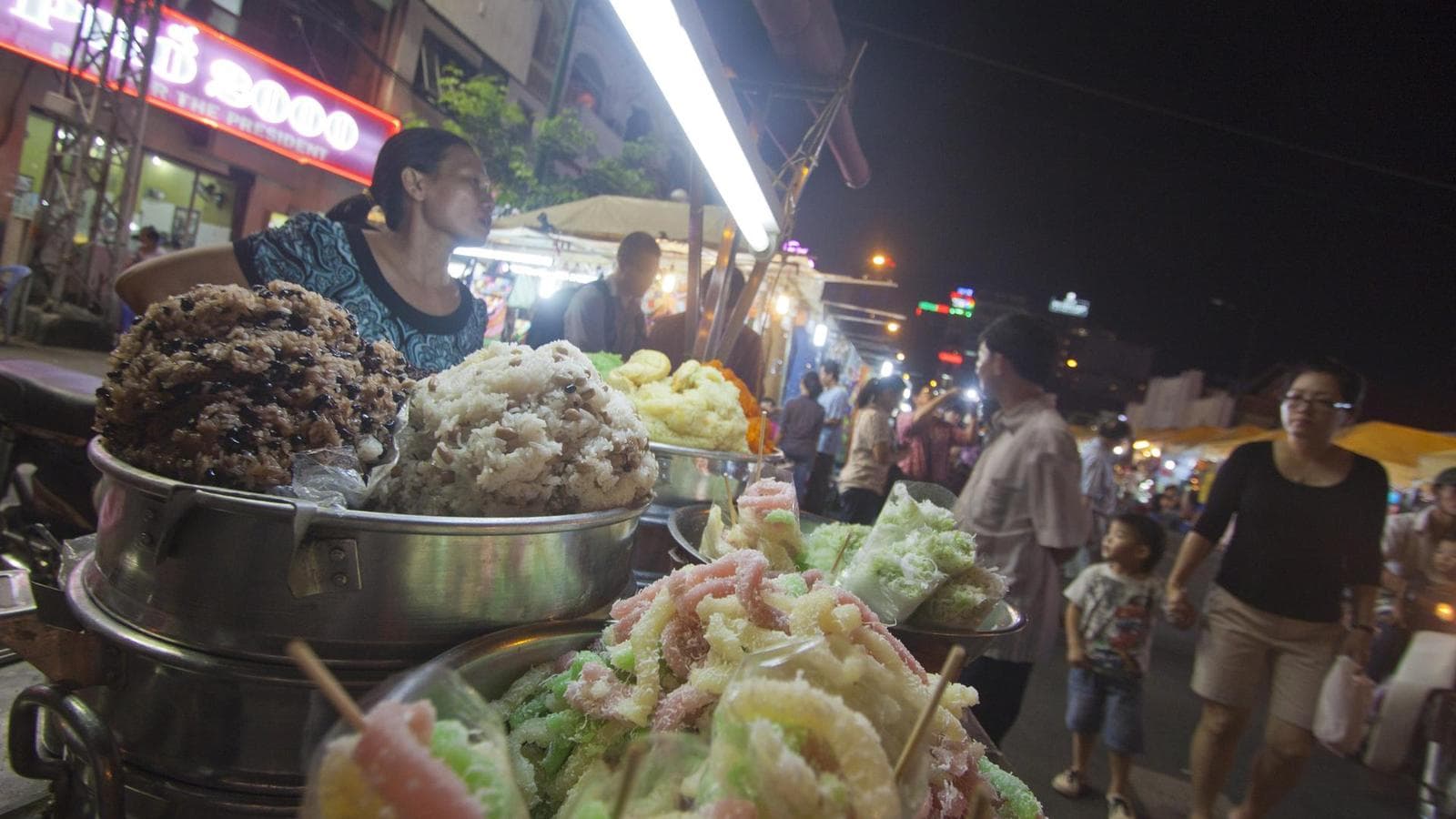
For most of the year, the streets of Hanoi and Ho Chi Minh City are a river of motorbikes, a noise that never quite stops. Then, for a few days each year, they fall almost silent. Shutters come down, the pavement food stalls disappear, and the traffic thins to a trickle. The cities have not been abandoned; their people have gone home. This is Tết Nguyên Đán, the festival of the first morning of the year, Vietnam's lunar new year and the great holiday of the Vietnamese year.
For a visitor it is a strange, sometimes frustrating and often rather lovely time to be in the country. It helps to know what to expect.
When it falls
Tết follows the lunar calendar, and it falls in late January or in February. In 2027 the first day of the new year is Saturday 6 February, the start of the Year of the Goat. Vietnam's Ministry of Home Affairs has proposed a public holiday from 4 to 10 February 2027, but the festival spreads well beyond the official days: the build-up begins a week or two before, and many businesses take time to reopen fully afterwards.
The build-up
The weeks before Tết are the busiest of the year. Markets fill with flowers and fruit, and the streets are lined with stalls selling them: branches of pink peach blossom in the north, yellow apricot blossom in the south, and kumquat trees in pots, heavy with small orange fruit, carried home on the backs of motorbikes. People clean and decorate their houses, pay off debts, buy new clothes, and prepare food: above all bánh chưng, a square cake of sticky rice, mung beans and pork wrapped in leaves and boiled for hours.
Then, in the last days before the new year, the great migration begins. Workers who have come to the cities from all over the country head home to their families, and trains, buses and flights are packed and expensive.
The festival
The first days of the year are spent with family. On the eve, families honour their ancestors at the household altar, and at midnight there may be fireworks in the big cities. The first visitor to a house in the new year is thought to bring its luck, so the choice of who crosses the threshold first is made with some care. Children and elders are given money in red envelopes, lì xì, for good fortune. The days that follow are for visiting: first the family, then teachers and friends, and for going to the pagoda to pray for the year ahead.
What it means for a visitor
The practical effect is simple: during the main days of the holiday, many shops, restaurants and family businesses close, some for a few days, some for a week. Museums and sights may close or keep shorter hours. Transport is crowded before and after, and prices for hotels and services usually rise.
What stays open is mostly what is aimed at visitors: hotels, many restaurants in tourist areas, and the big sights, which can be very busy with Vietnamese families on their own holiday outings. In the countryside and in the old towns the atmosphere can be wonderful, with flowers everywhere, temples full and people in their best clothes.
If you have fixed dates and a list of things to see, the week of Tết itself is the one to avoid. If you are flexible and travelling with a group whose arrangements are in place, it can be a fine time to see the country in festive mood. The weeks either side, when the decorations are up and the markets are at their fullest, are perhaps the best of both.
G Adventures' eleven-night Classic Vietnam: Hanoi to the Mekong departs in December and January, and runs from Hanoi and Halong Bay to Hue, Hoi An, the Cu Chi Tunnels, Ho Chi Minh City and the Mekong Delta.
G Adventures' eleven-night Signature: Vietnam from the Mekong Delta to Hanoi runs the other way, from Ho Chi Minh City to Cần Thơ, Tiền Giang, Hội An, Hue, Hanoi, the Van Long Wetlands and Cuc Phuong. It departs in January, February, March and October.
Explore's sixteen-night Simply Bangkok to Hanoi crosses three countries: Bangkok, then Siem Reap, Battambang and Phnom Penh in Cambodia, then Ho Chi Minh City, Danang, Hoi An, Hue, Hanoi, Cat Ba Island and Lan Ha Bay. It departs in February, August, October and November.
Whichever you choose, check the departure against 6 February 2027 and the days either side, and ask what will be open. Then pack something red for luck, and if you are invited into a home for the new year, go.
By Walter Pellow, the name Atlas & Passage’s editorial team writes under. Prices and dates in the trips below come from the operators and can change.