Australasia
New Zealand
Two long islands at the far side of the world: volcanoes, geysers and Māori culture in the north, mountains, glaciers and fiords in the south, and seasons that run opposite to Britain's.
41 holidays go to New Zealand
from £674.25 per person
New Zealand
When to go
February
Often the warmest and most settled month, with the school holidays over and the walking tracks at their best.
Travelling in New Zealand
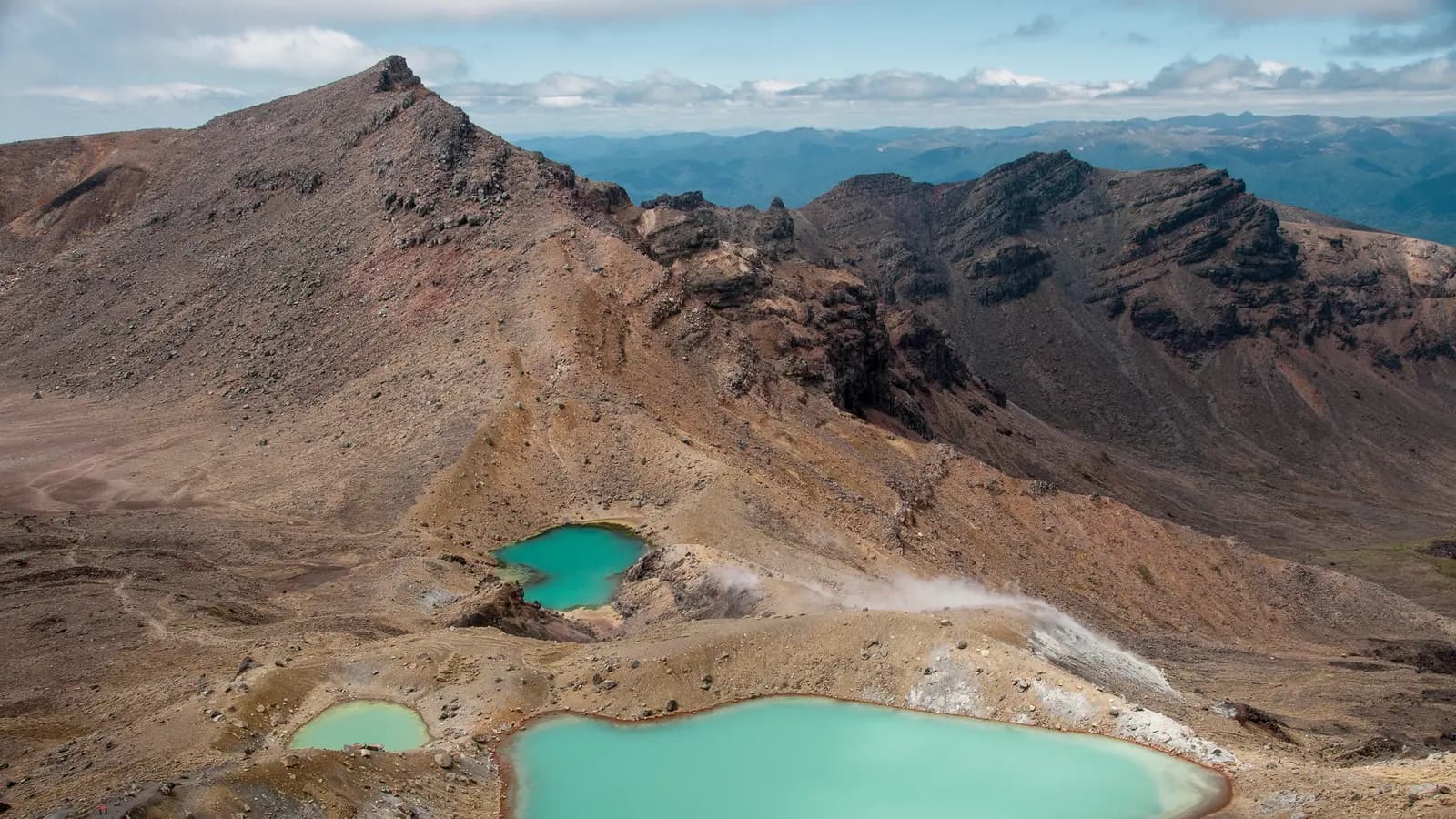
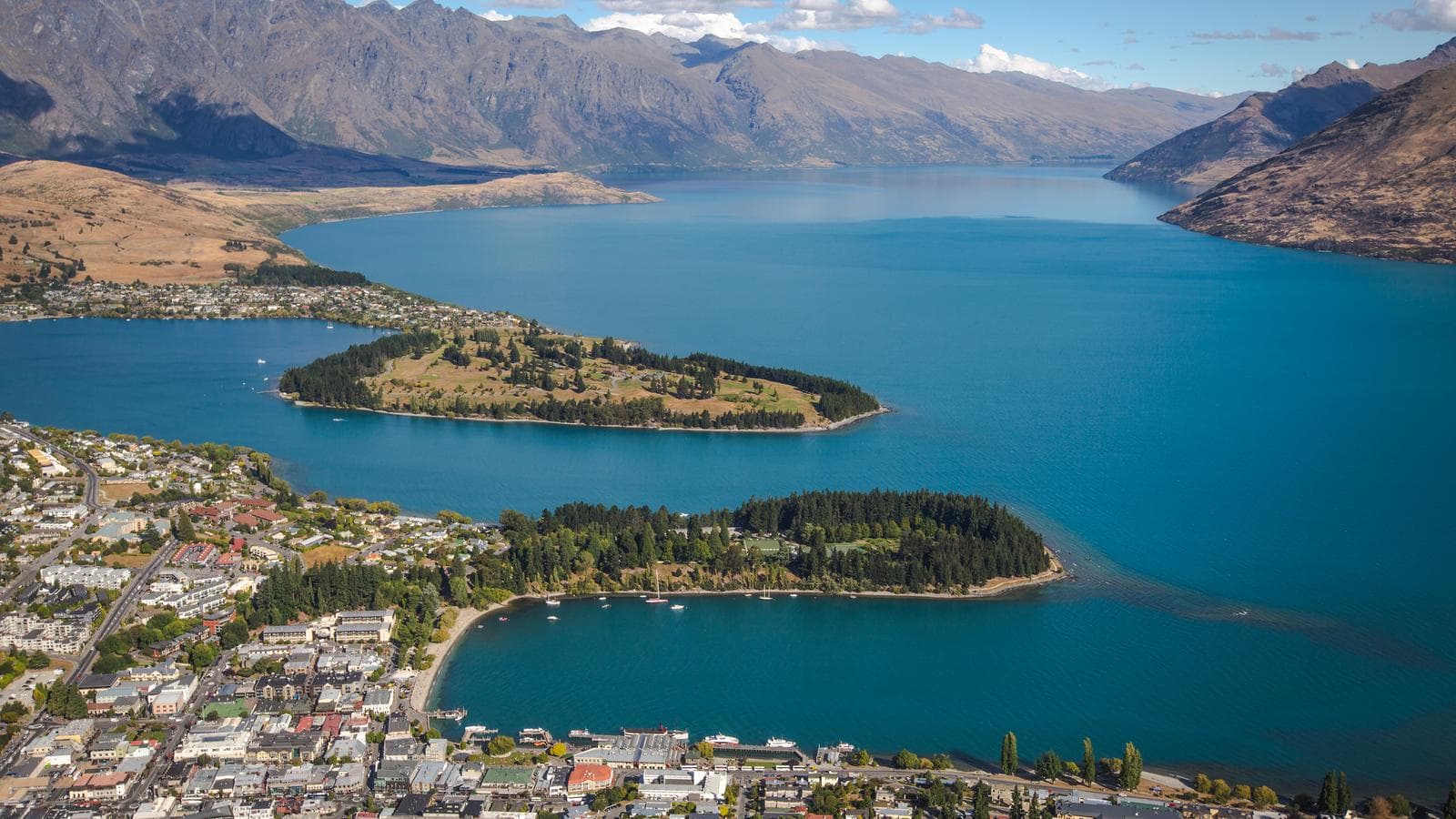
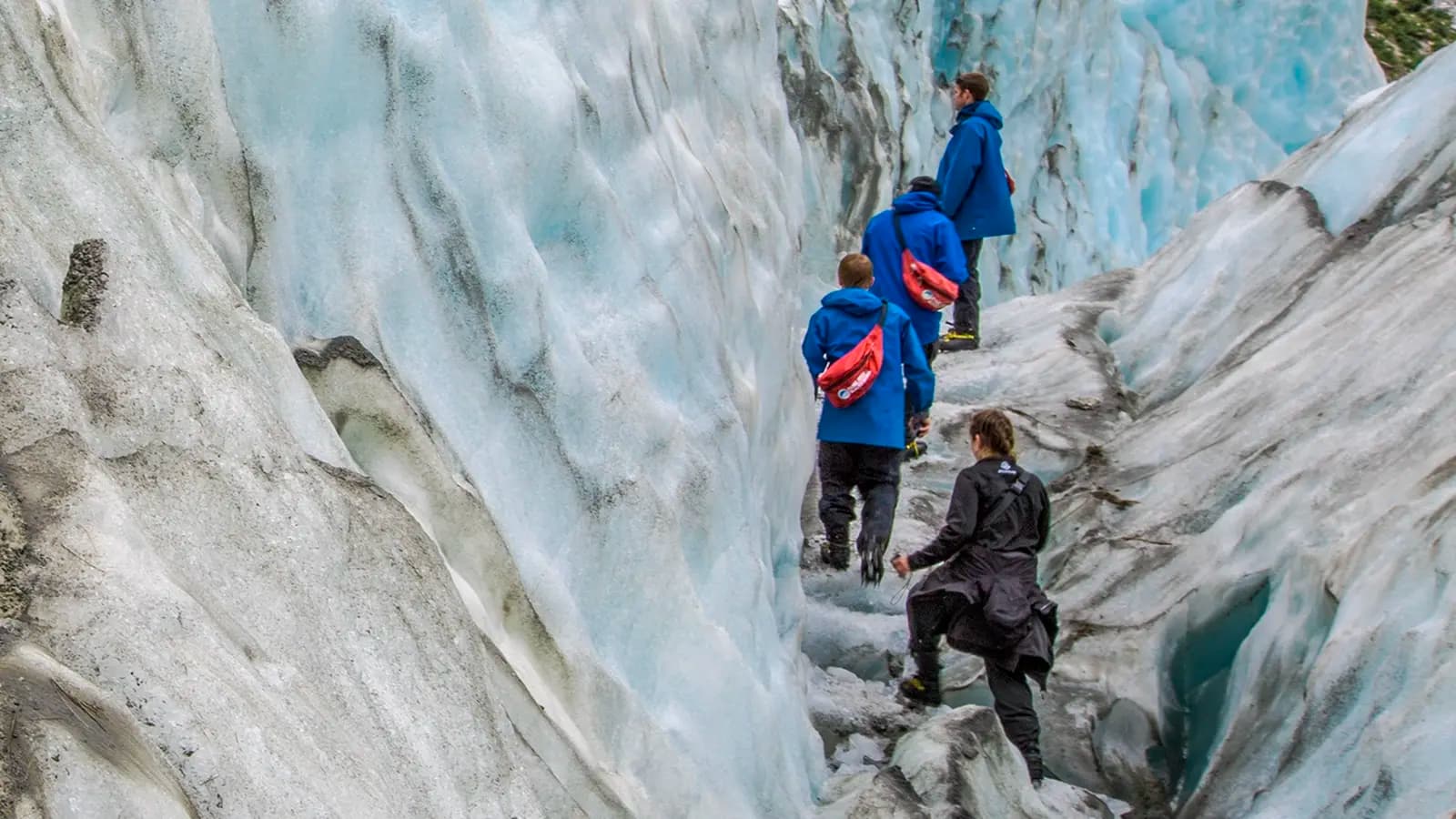
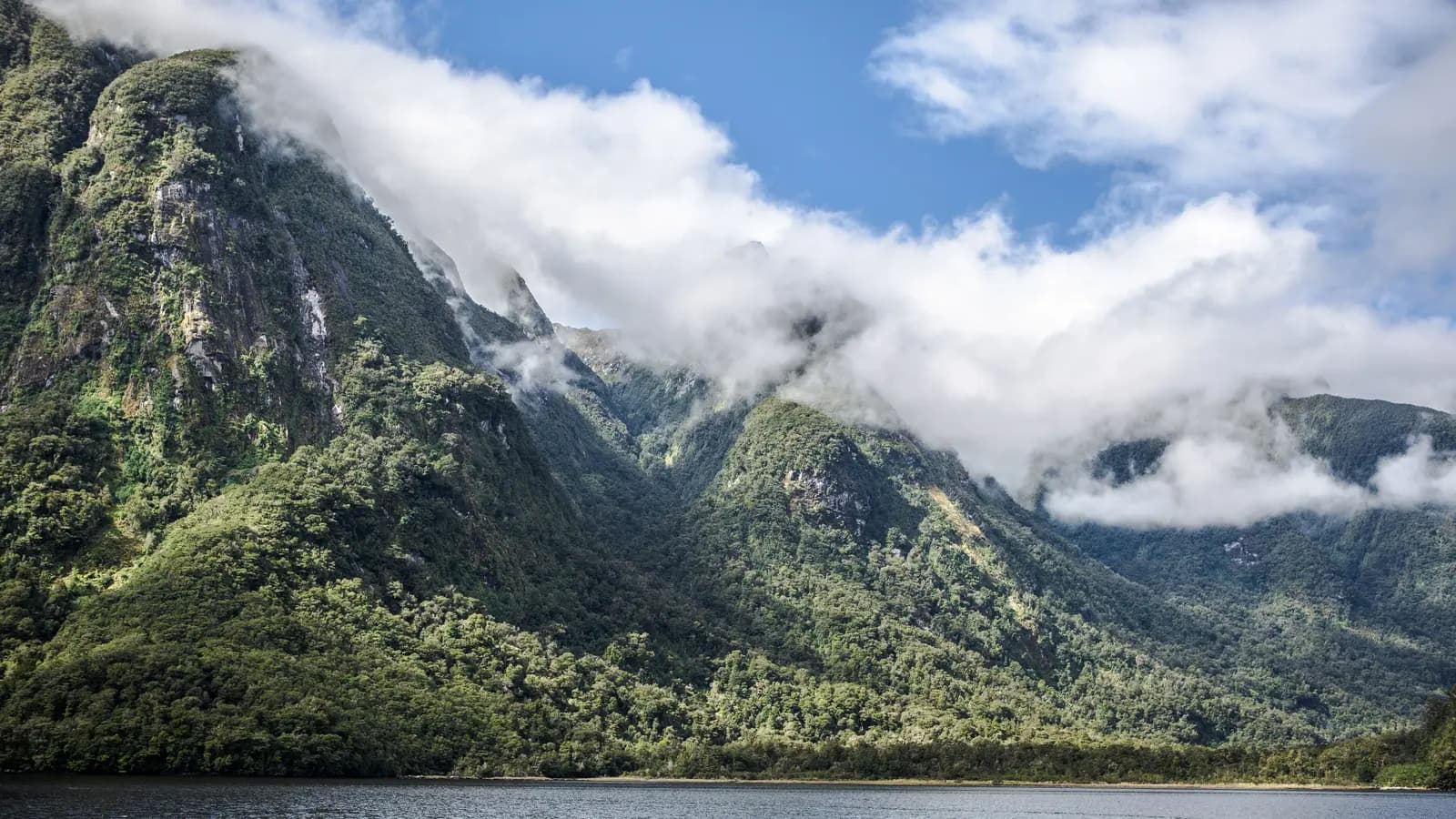
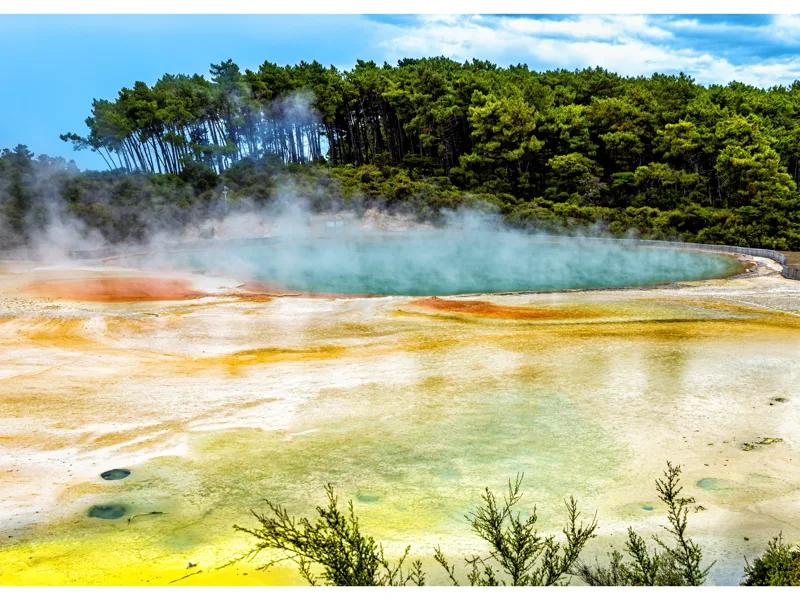
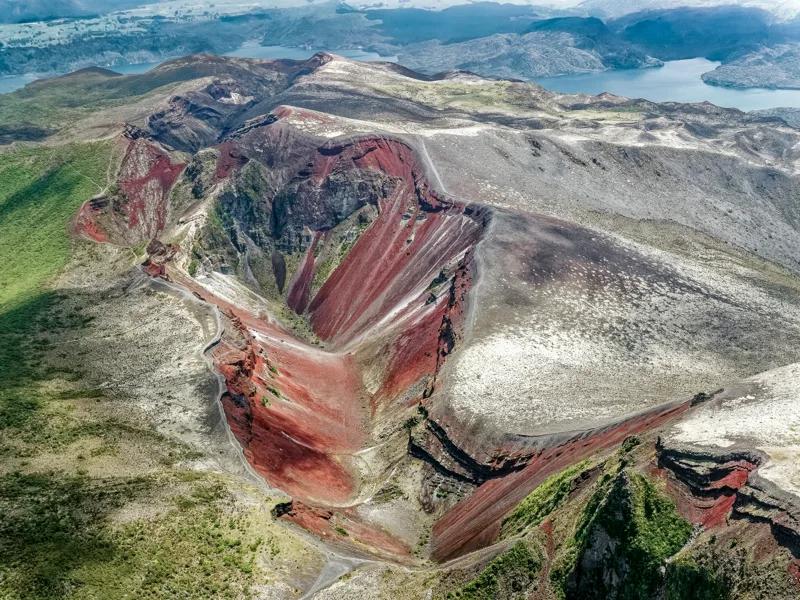
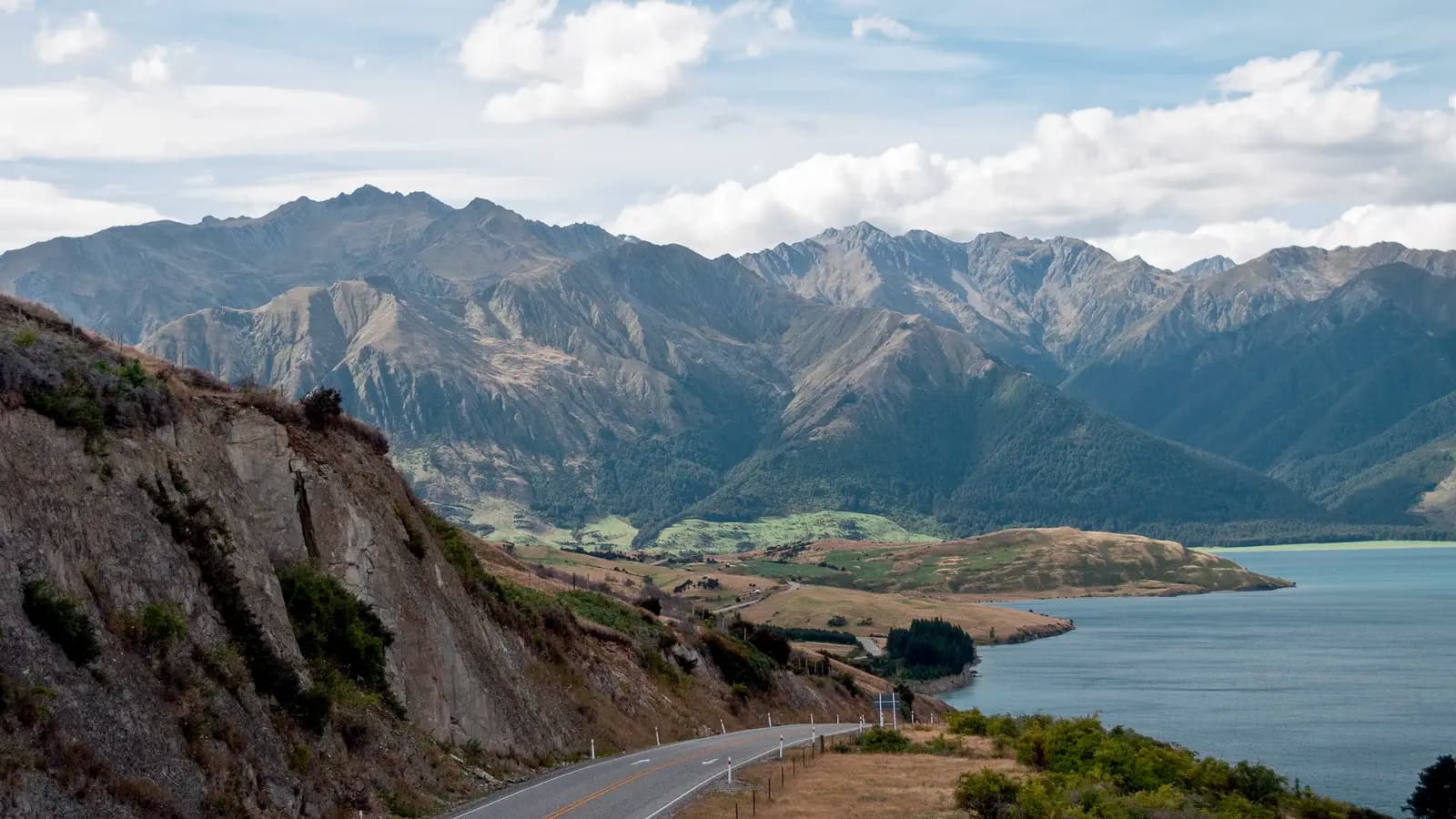
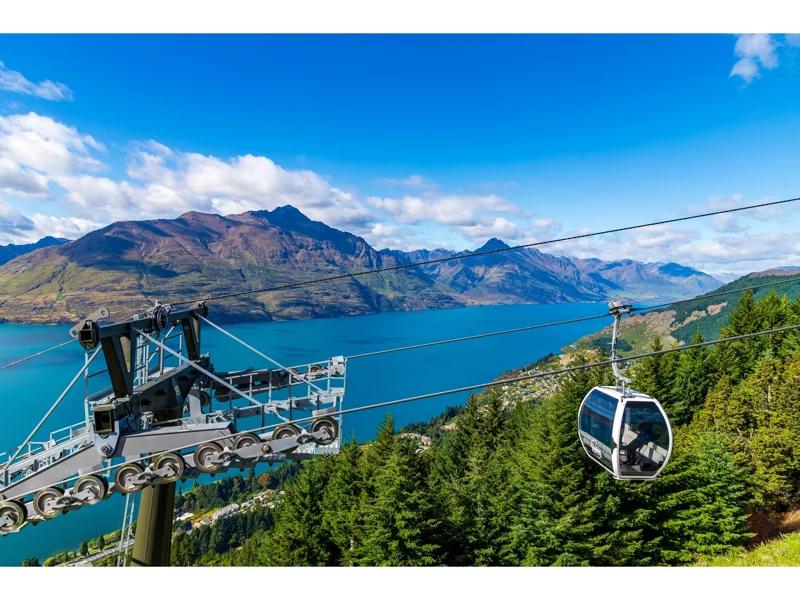
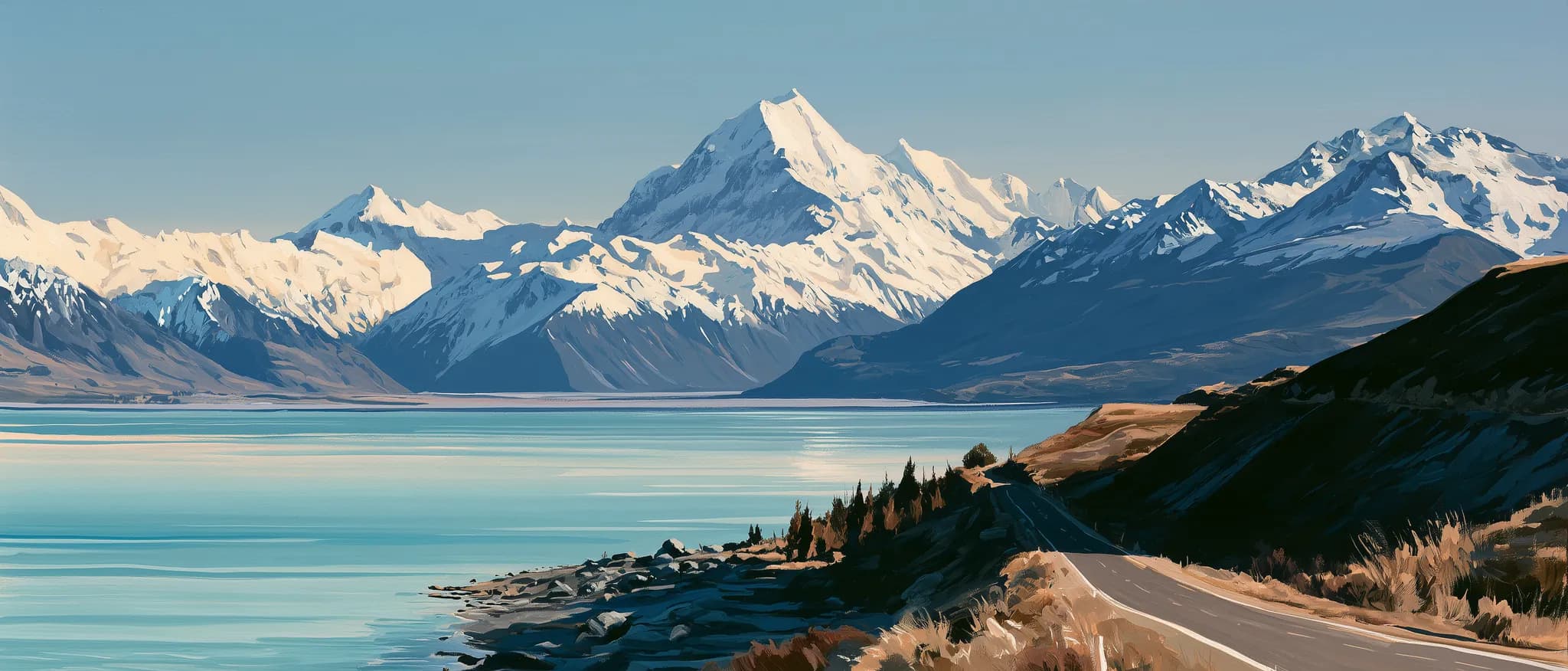
Most tours of New Zealand cover both islands in two to three weeks, and the two make a natural pair. The North Island is the volcanic one: Auckland on its harbour, the geysers, mud pools and Māori culture of Rotorua, Lake Taupō and the volcanoes of Tongariro, and Wellington, the capital, at its southern tip. A ferry across Cook Strait, through the Marlborough Sounds, leads to the South Island, which is the mountainous one: the Southern Alps running its length, glaciers coming down towards the rainforest of the West Coast, the lakes around Queenstown and Wanaka, and Milford Sound in the far south-west.
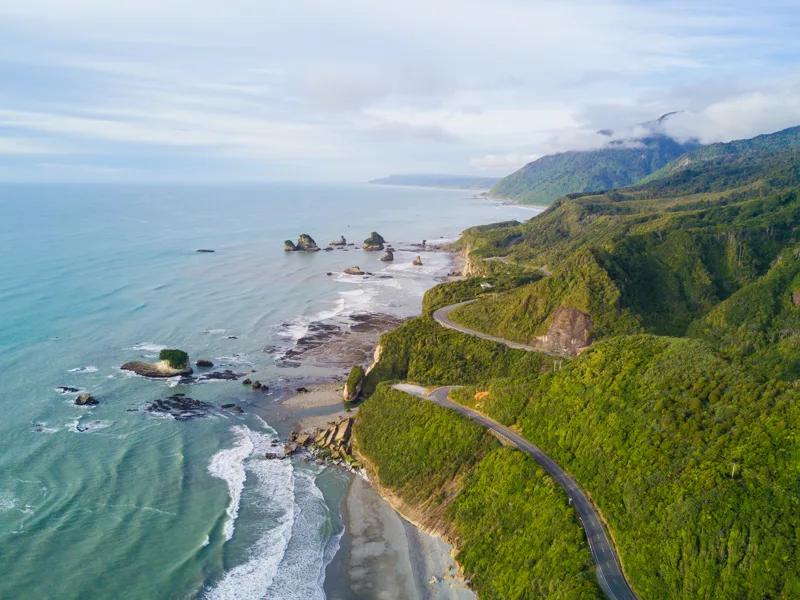
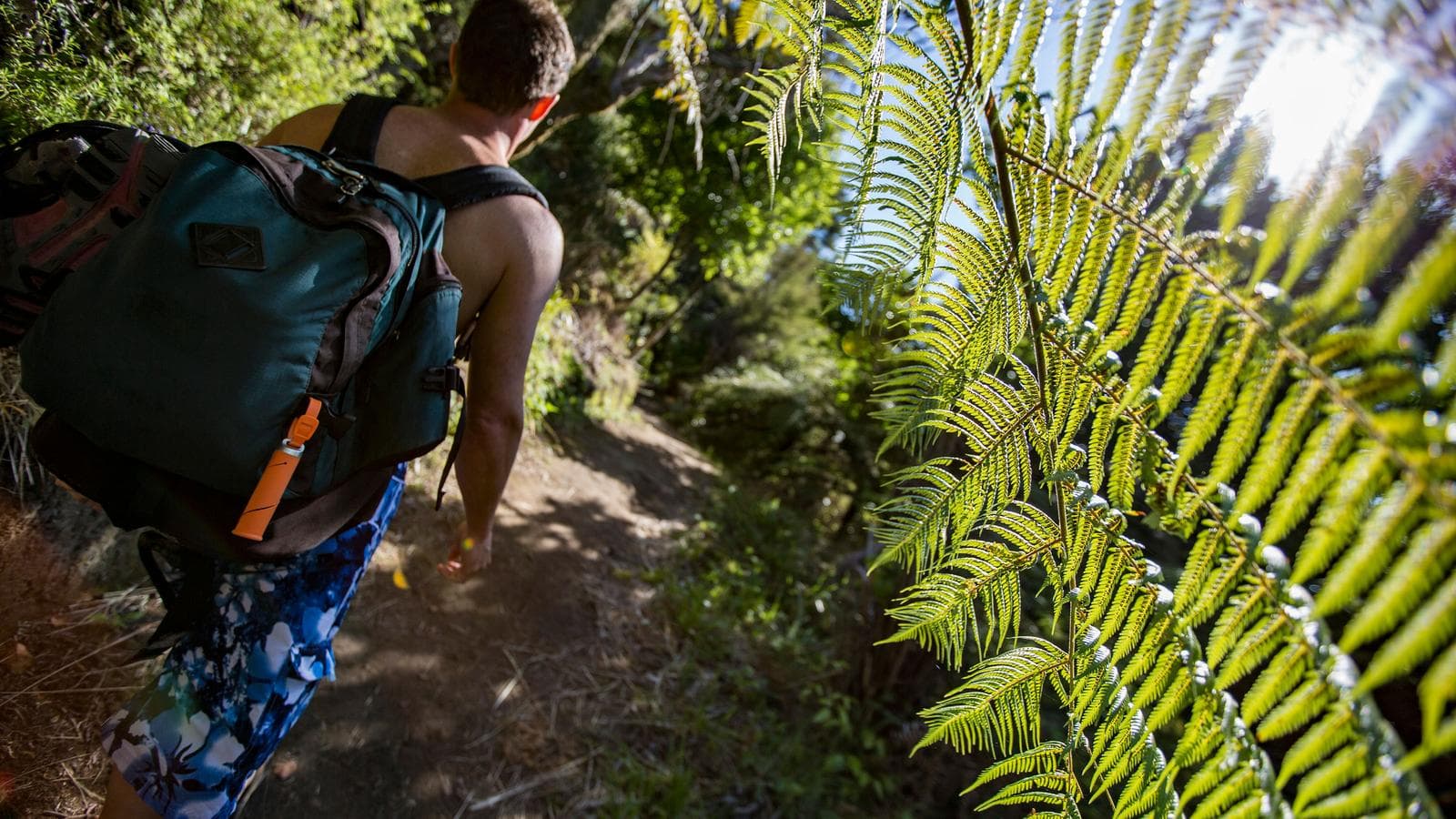
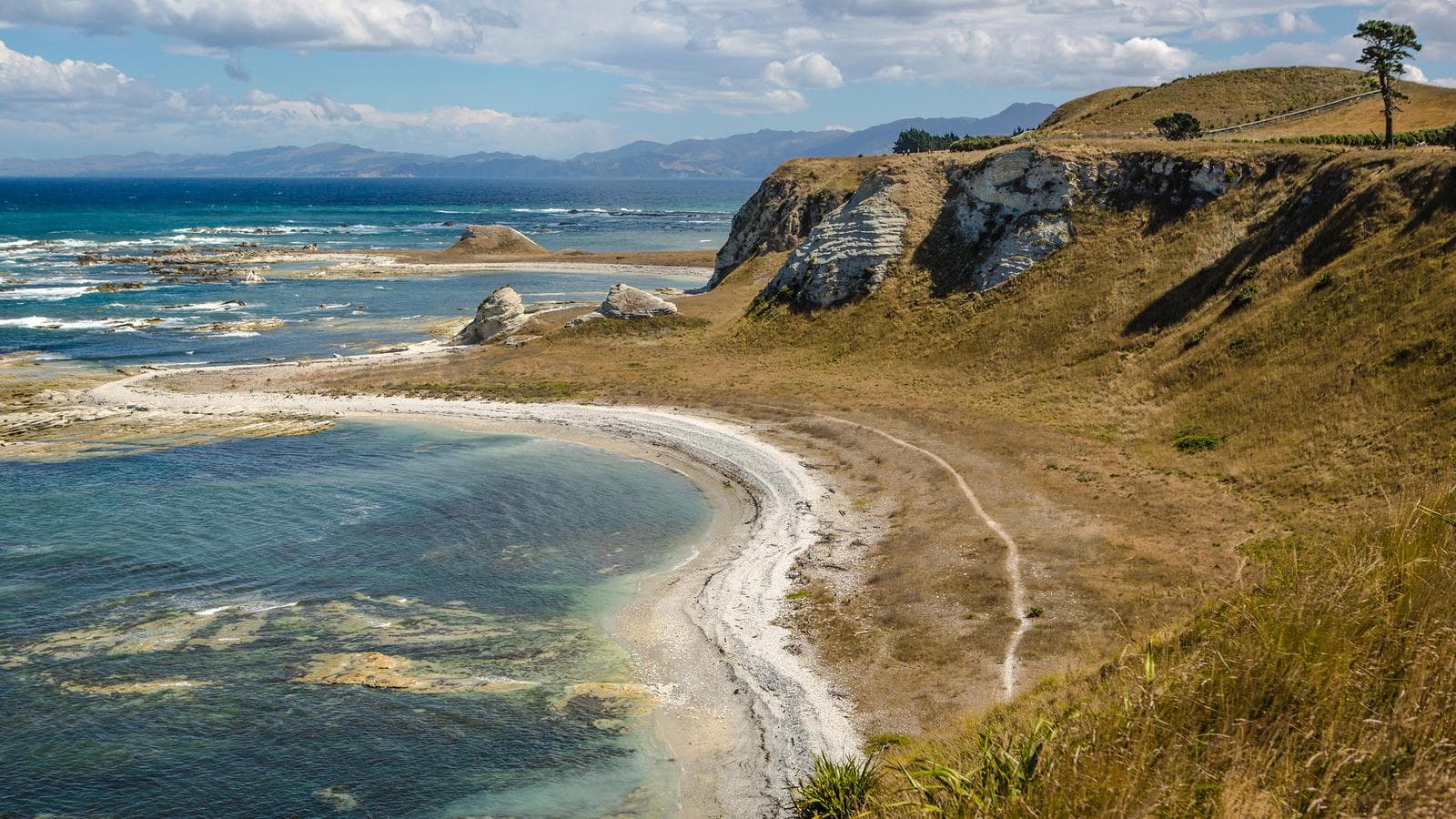
Distances look short on a map and take longer on the road. Roads wind through mountains and along coasts, many are single carriageway, and a day's drive of a few hundred kilometres is a full day. Tours break it up with stops, short walks and two-night stays, which is much of their appeal over driving yourself.
The seasons are the reverse of Britain's. Summer, from December to February, is warm and long-lit and very busy around Christmas and January, when New Zealanders take their own holidays. February, March and November are the best months for most tours: settled, warm and less crowded. Winter, June to August, is mild in the north and cold in the south, with snow closing some alpine roads, and most touring holidays run outside it. Weather in the mountains changes quickly in any season, and Fiordland is one of the wettest places in the world, which is why its waterfalls are so impressive.
Journeys
Reading about New Zealand
Finding holidays