Eastern Mediterranean
Turkey
A country large enough to hold a fairy-chimney valley, a travertine mountain and a city that sits on two continents at once, with enough well-preserved Greek and Roman ruins along its Aegean coast to rival Greece itself.
56 holidays go to Turkey
from £296.65 per person
Turkey
When to go
April
Wildflowers and comfortable temperatures for the ruins at Ephesus and Troy, and clear light in Cappadocia before the heat sets in.
Travelling in Turkey
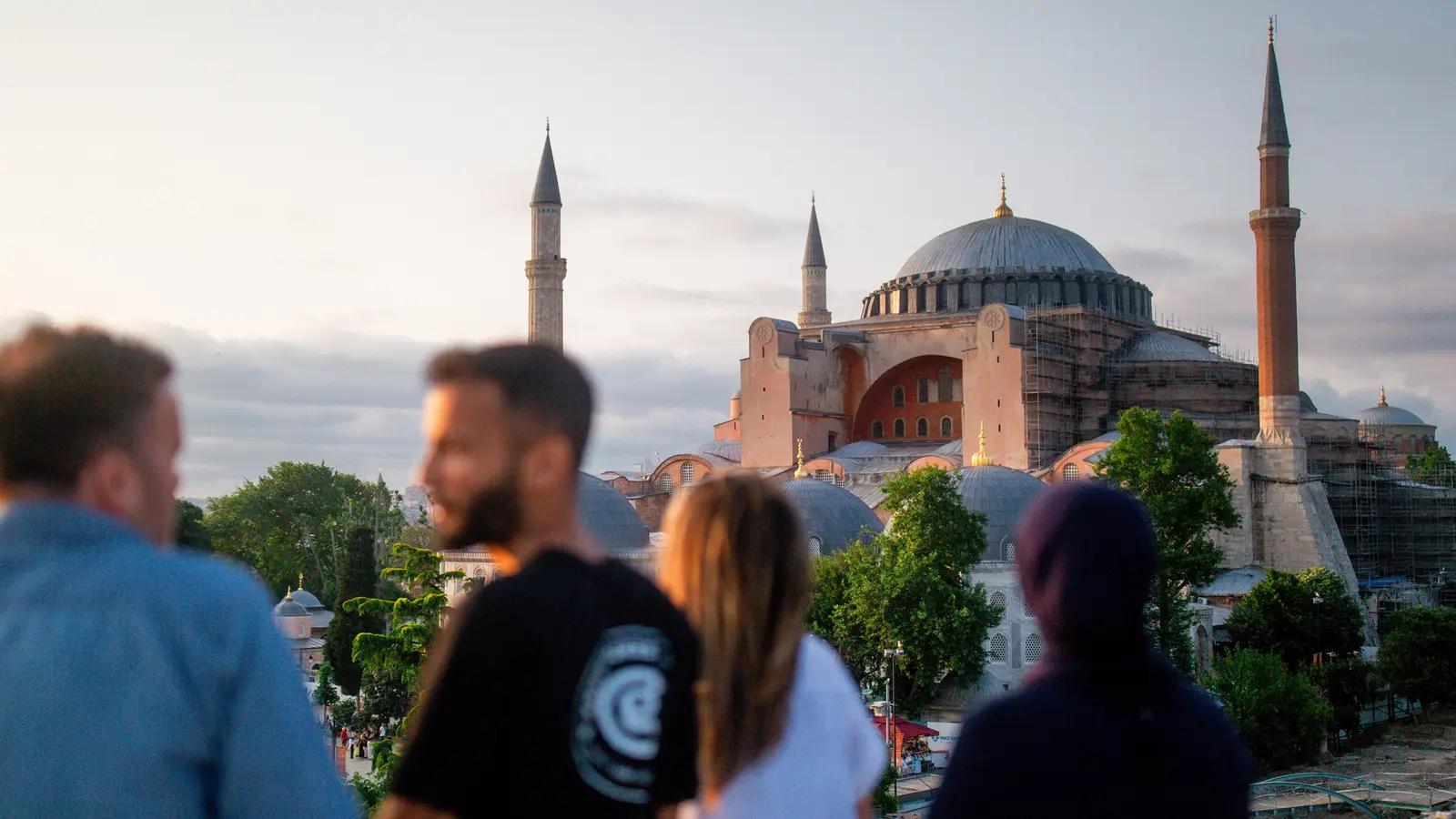
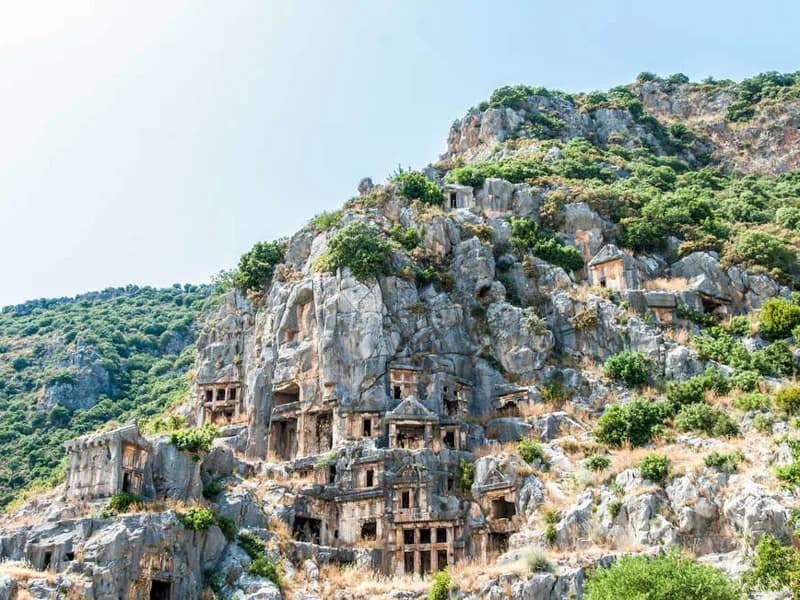
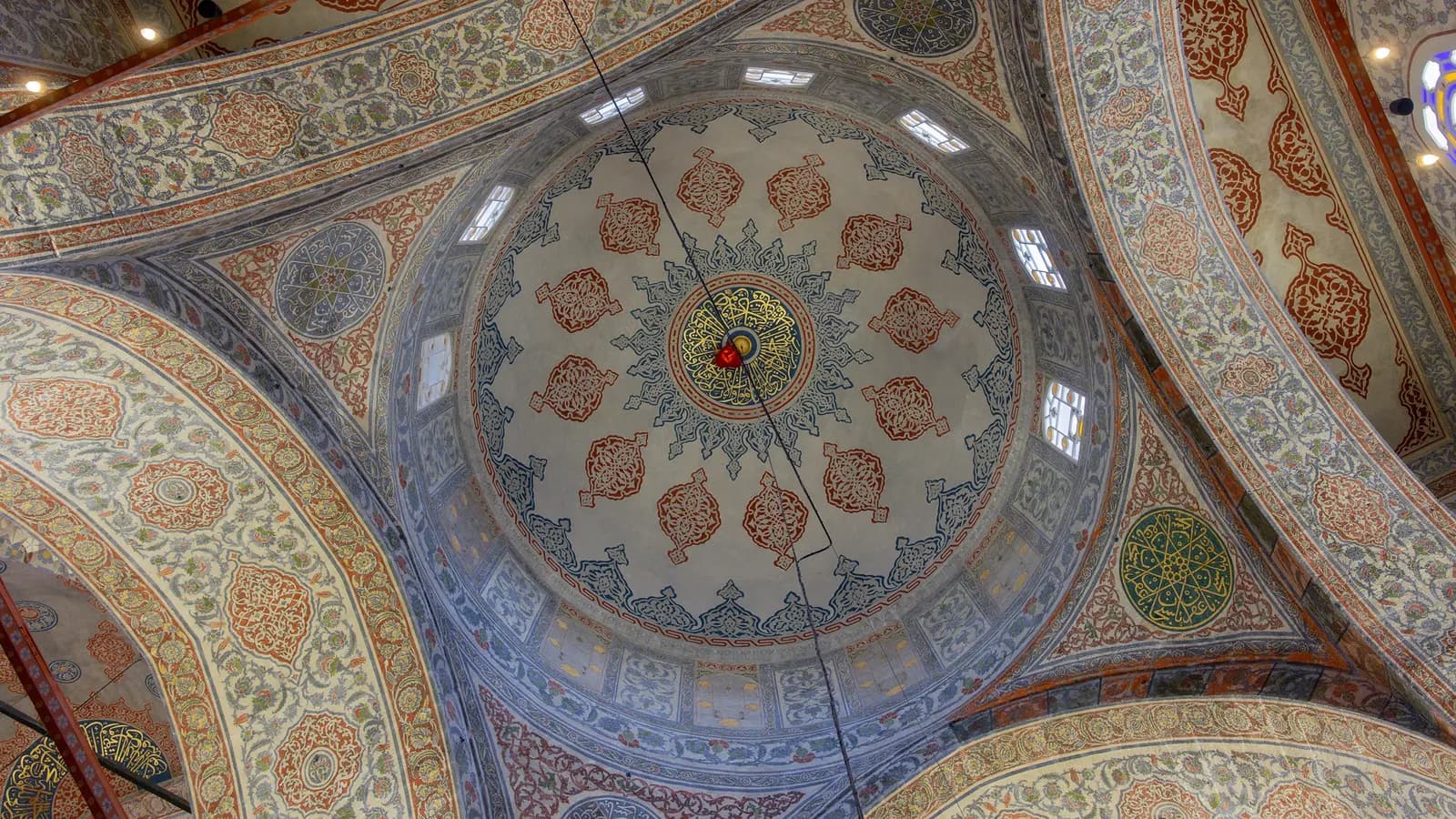
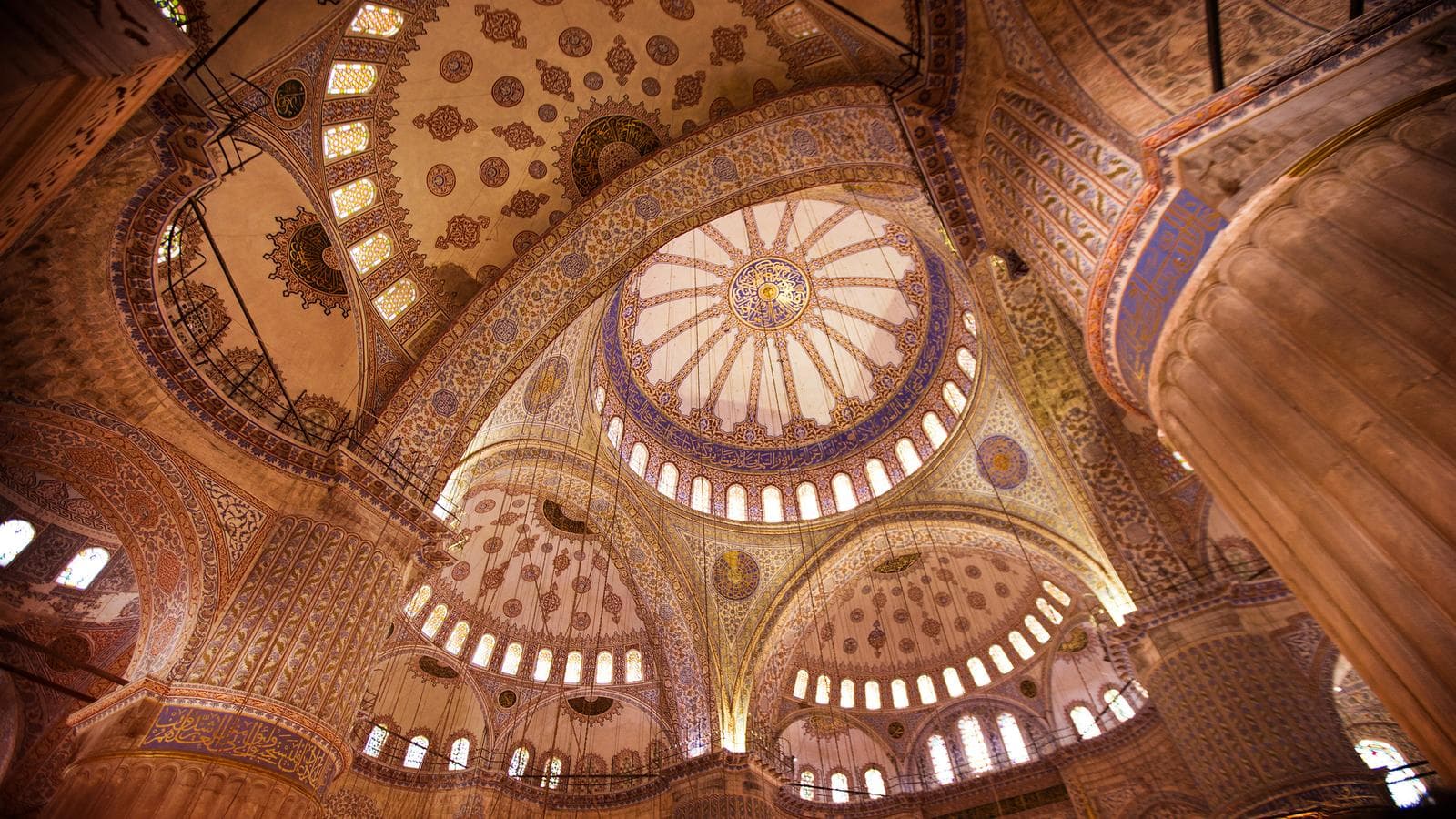
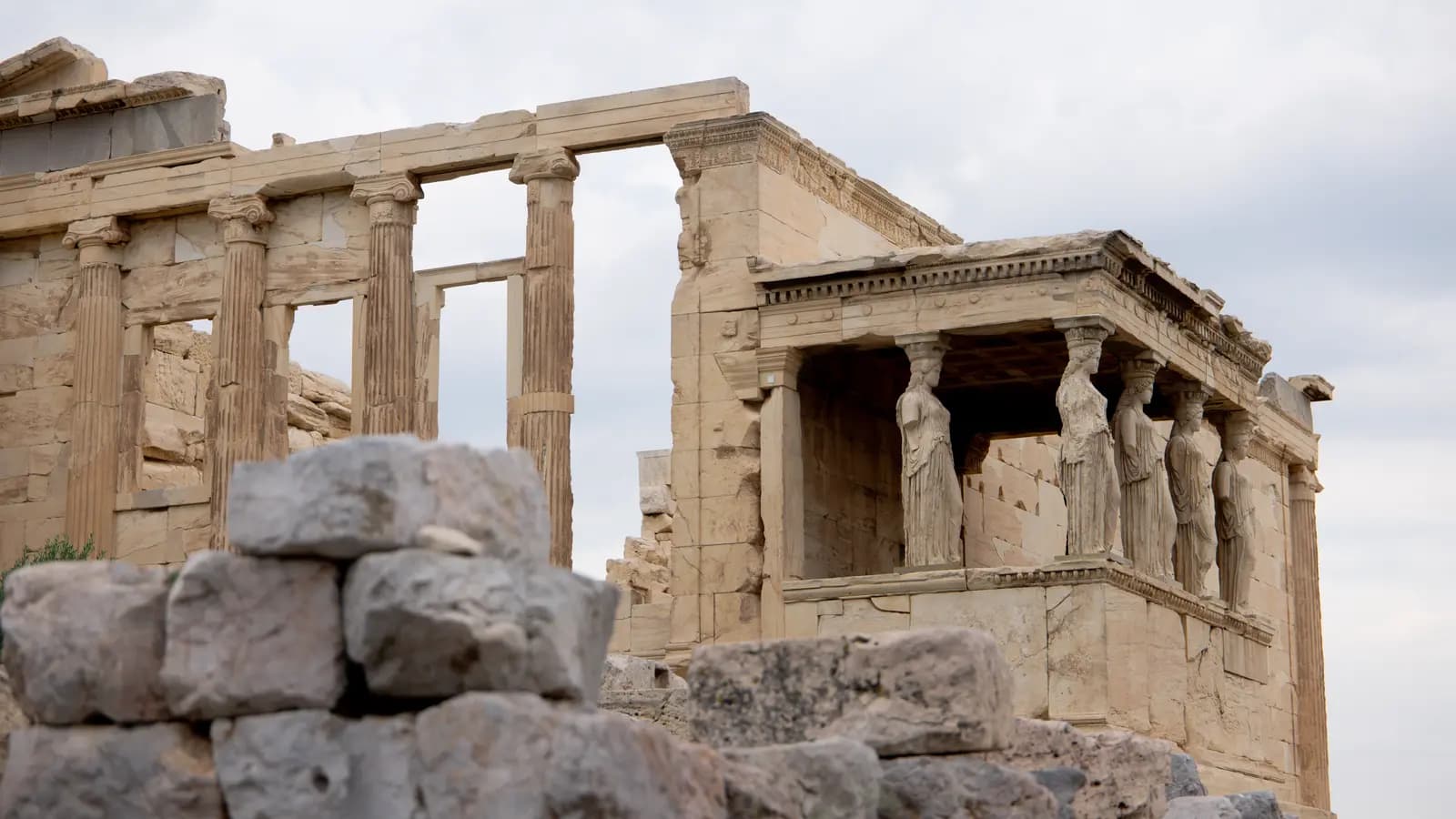
Turkey spans two continents, and the joins show. Istanbul sits astride the Bosphorus, the strait that separates Europe from Asia, and has done duty as the capital of the Roman, Byzantine and Ottoman empires in turn, leaving a skyline of domes and minarets built up in layers over more than fifteen centuries. Inland and to the west, the country holds one of the richest concentrations of Greek and Roman ruins anywhere in the Mediterranean, at Ephesus, Troy, Pergamon and beyond, a legacy of the centuries when this coast was as thoroughly Hellenic as the Aegean islands opposite it.
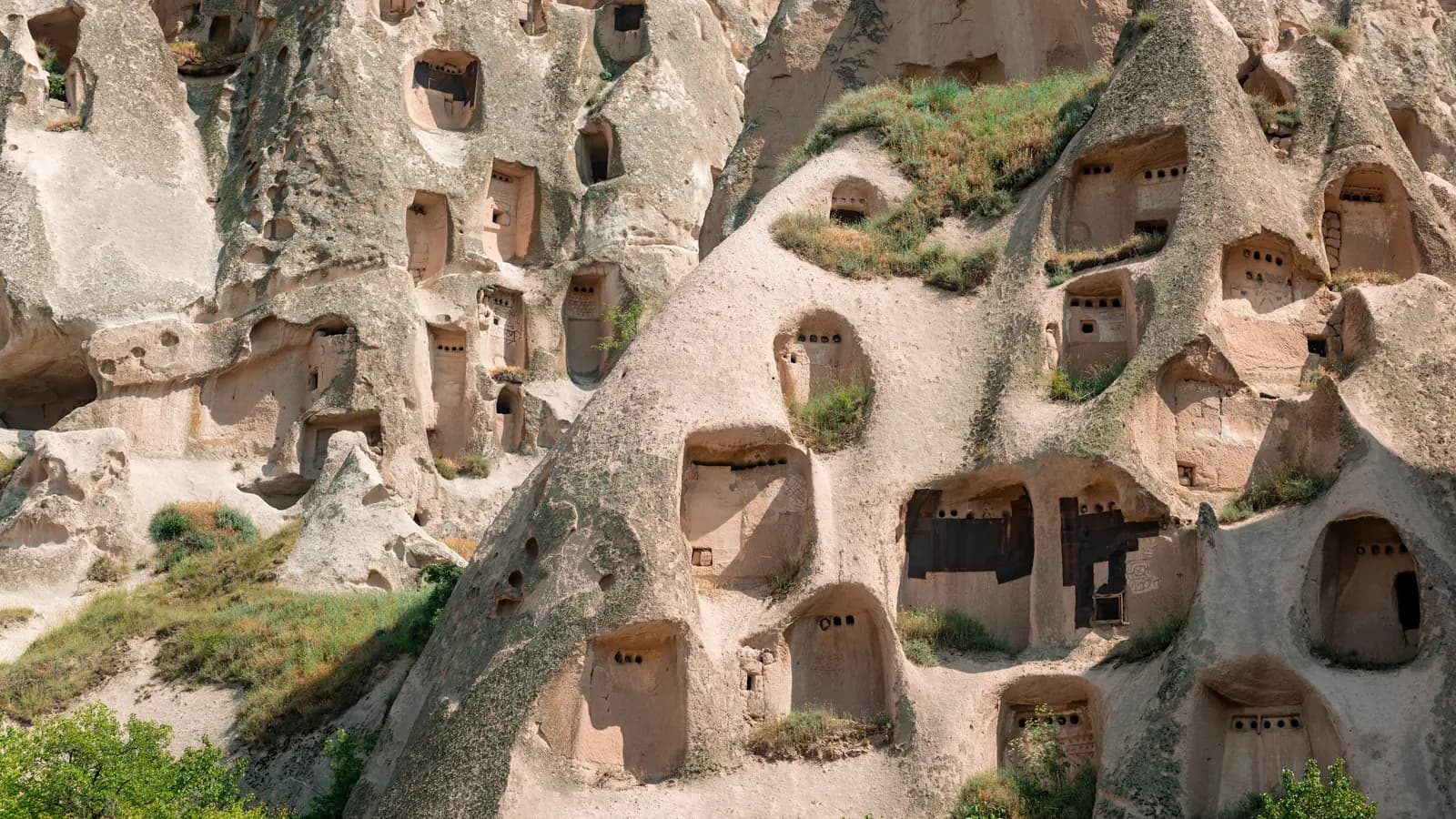
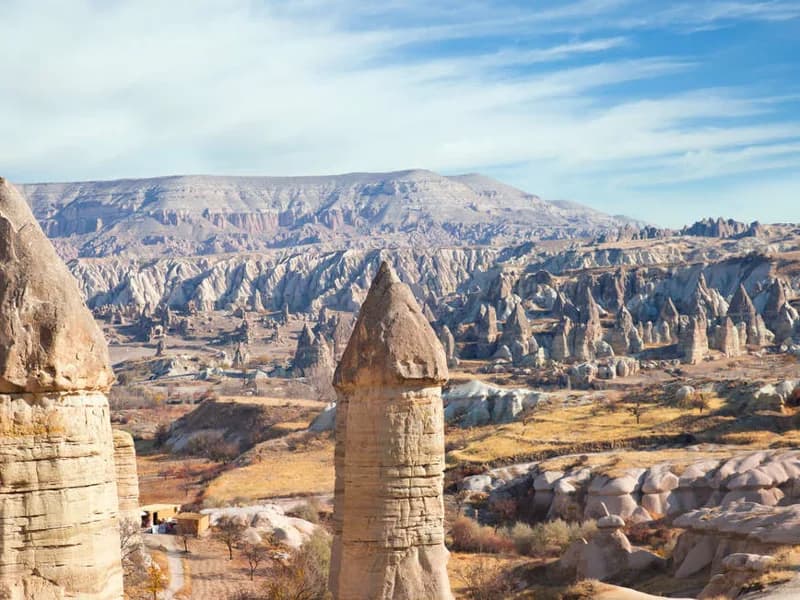
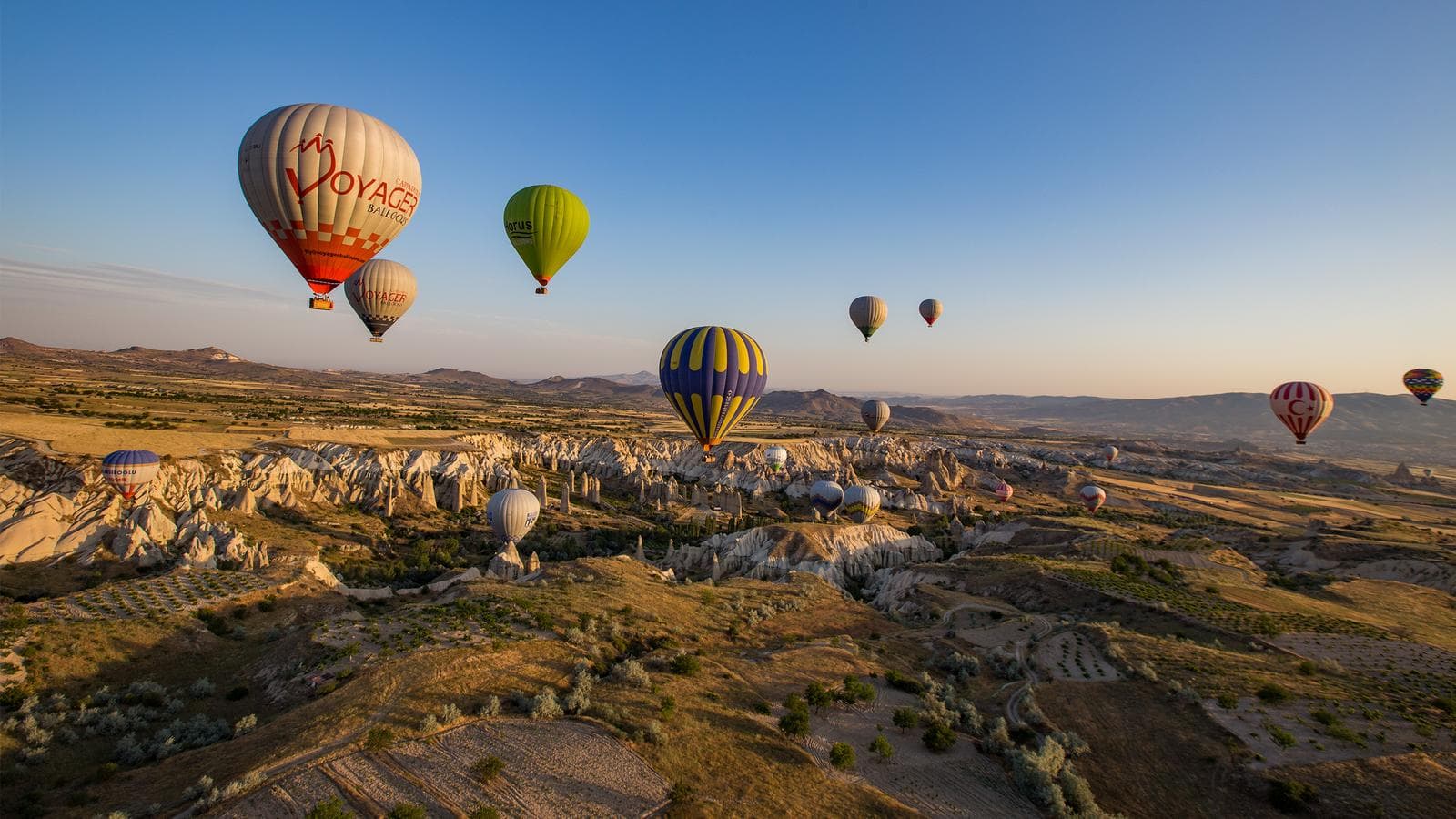
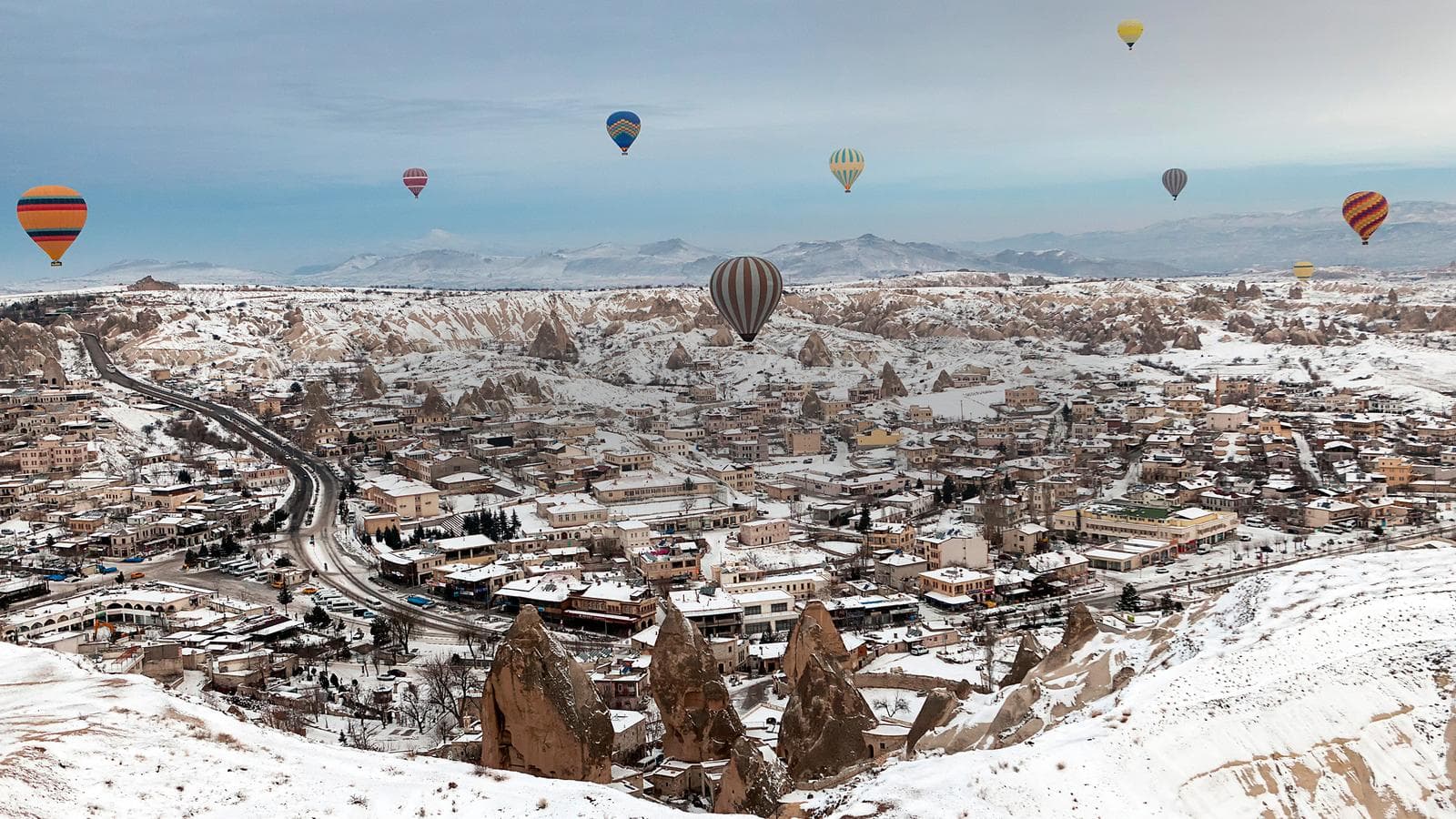
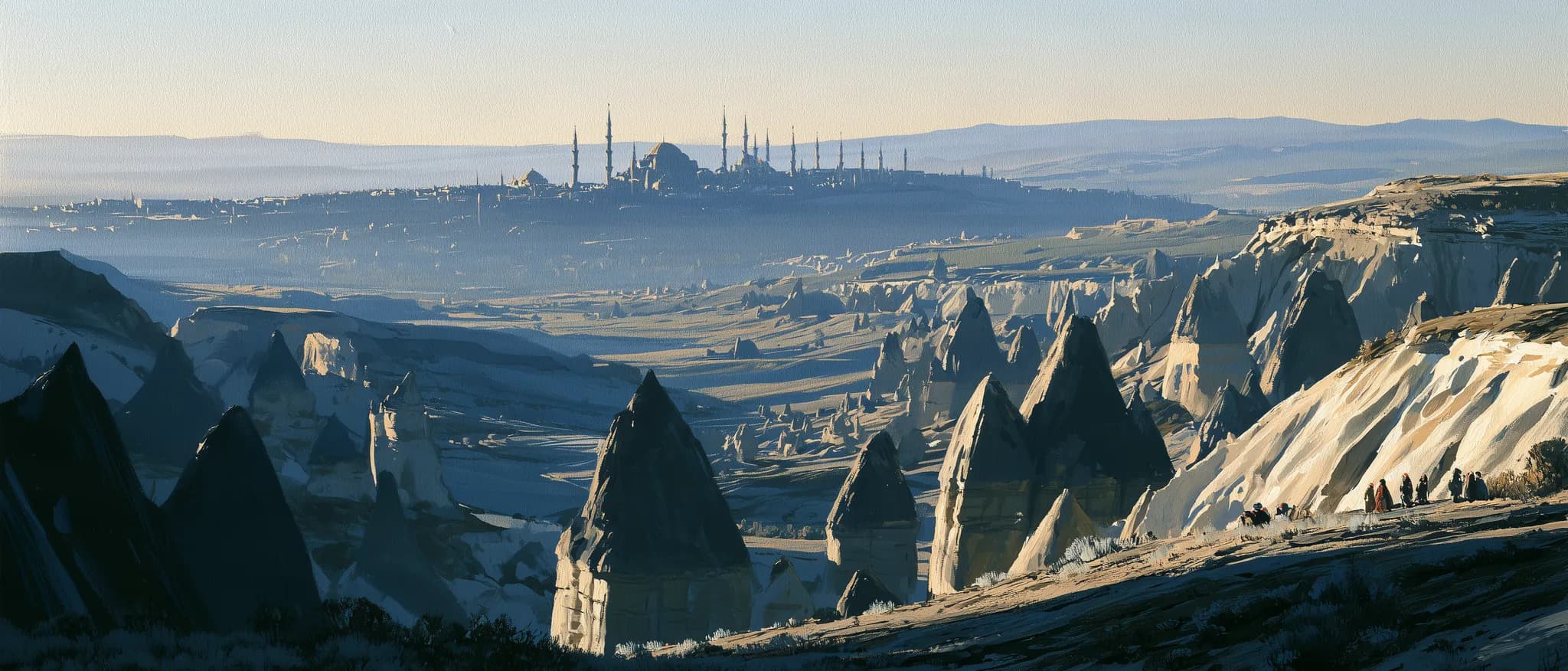
Further east, the landscape changes character entirely. Cappadocia's valleys, carved from soft volcanic rock into a landscape of cones and pillars, hid entire underground cities from view for centuries. The Anatolian plateau beyond it is drier and higher, given over to farmland and long views, a different Turkey again from the resort coast most British visitors know best.
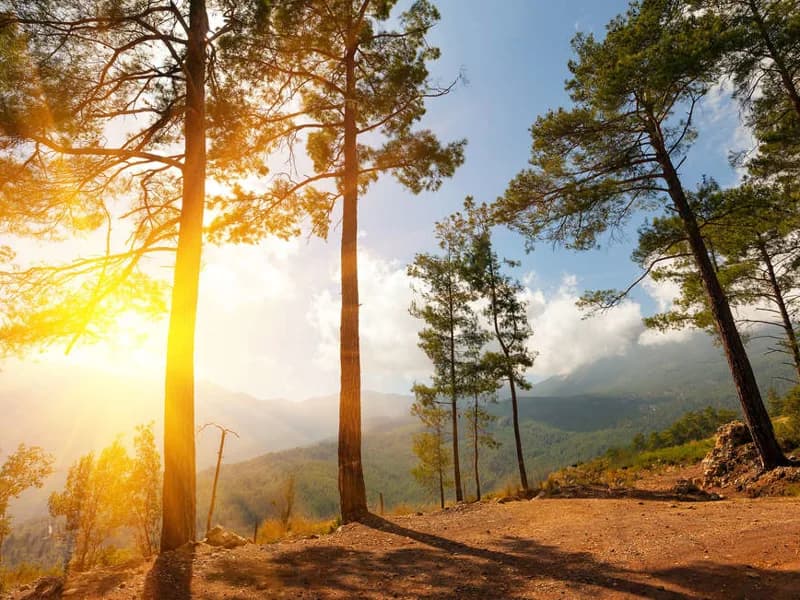
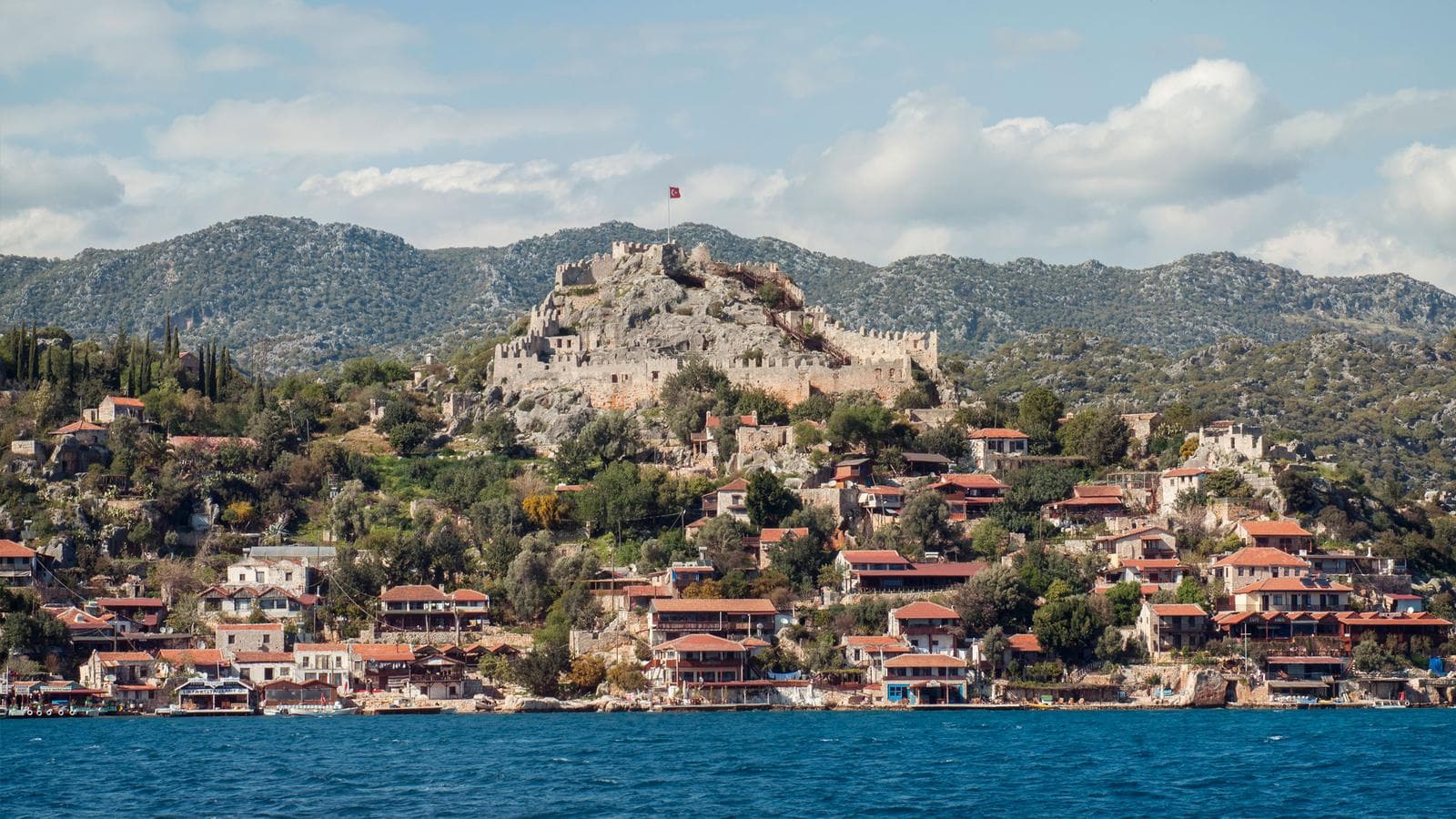
The coastline itself, the Turquoise Coast in the south-west and the Turkish Riviera further east, combines beaches with a startling density of ancient sites, many of them barely visited compared with their Greek or Italian counterparts. Walking routes along it, most notably the Lycian Way, follow paths used since antiquity between harbour towns that have changed remarkably little in outline, whatever has been added to the waterfront since.
Journeys
Reading about Turkey
Finding holidays