Wildlife
Chobe, and the elephants on the river's edge
Botswana has more elephants than any other country, and in the dry season many of them make their way to the Chobe River to drink, bathe and cross. Watching them from a boat in the late afternoon is one of the great wildlife experiences of Africa.
By Walter Pellow20 October 20264 min read
Botswana is home to the largest population of elephants in the world, by most estimates well over a hundred thousand animals. They range widely across the north of the country and into the neighbouring countries of Namibia, Zambia and Zimbabwe, moving with the seasons between the dry interior and the rivers. Many of them pass through Chobe National Park, in the north-east of Botswana. It was the country's first national park, established in the 1960s, and it is one of the best places in Africa to see elephants in large numbers.
The river
The Chobe River forms the park's northern boundary and the border with Namibia. In the dry season, from about May to October, when the waterholes inland have dried up, the river becomes a magnet for wildlife. Elephants come down to its banks in their hundreds, herds of mothers, calves and young males, to drink, bathe, wallow in the mud and cross to the islands and floodplains. Buffalo, zebra, giraffe, antelope and sometimes lions and leopards come to drink too. Hippos fill the shallows, and crocodiles bask on the banks.
The best way to see it is from a boat. Afternoon boat safaris on the river drift slowly along the banks, often only a few metres from elephants as they drink, play in the water and swim across the channel, trunks raised like snorkels. Seen from the water, at eye level, the scale and behaviour of the animals are quite different from the view from a vehicle. As the sun sets over the floodplains, the light turns gold, and the sounds of the river grow louder.
Game drives on land, along the riverfront roads, are the other way to see the park, and the two together give a full picture.
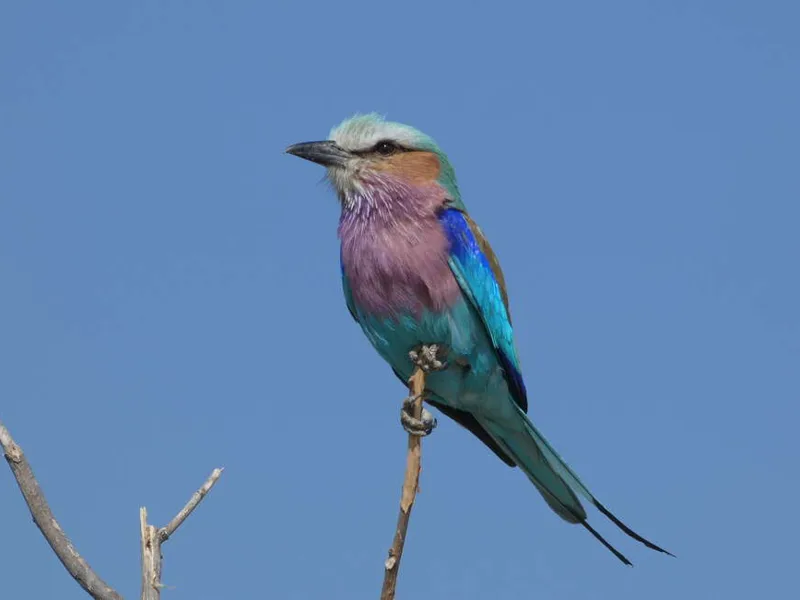
Chobe was Botswana's first national park, created in 1967, a year after the country's independence. The elephants are the main draw, but the river holds much else. Herds of buffalo graze the floodplain, hippos and crocodiles fill the water, and the puku, a small golden antelope rare elsewhere in Botswana, lives along the river. In the dry season it is not unusual to watch a family of elephants swim across the river between Botswana and Namibia, trunks raised above the water like snorkels. The birdlife is rich too, with carmine bee-eaters nesting in the sandy banks and African skimmers feeding low over the water in the evening.
Savuti
In the remote western part of the park, Savuti is a very different landscape: a wilderness of open grassland, dead trees, rocky outcrops and an old marsh. It is fed, unpredictably, by the Savuti Channel, which can flow for years and then dry up for years, for reasons that are still debated. Savuti is known for its predators. Its lions became famous through wildlife films that showed them hunting elephants, an unusual and dramatic behaviour. Spotted hyenas, wild dogs, cheetahs and leopards are also found. There are rock paintings on its hills, left by the San people. By road it is reached only on rough sand tracks, which adds to its sense of remoteness.
Kasane, and the border
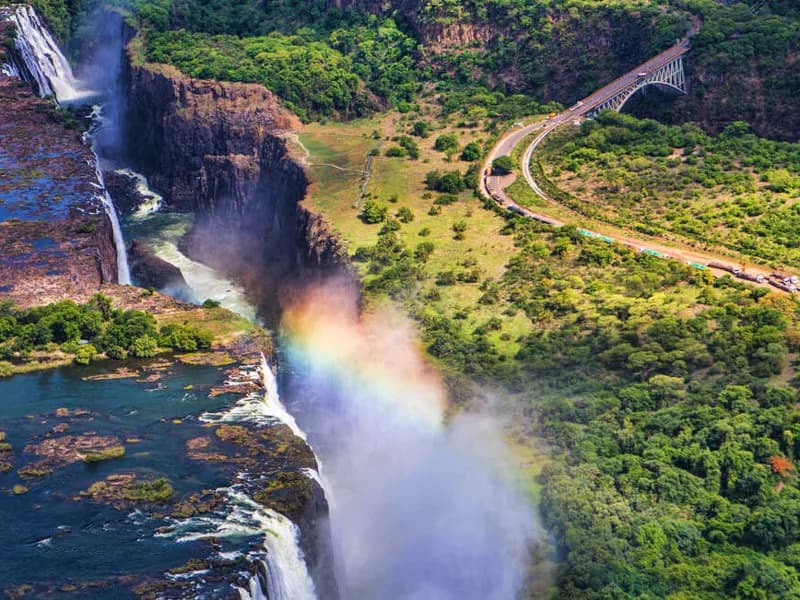
Kasane, the small town at the eastern end of the park, on the river, is the gateway to Chobe and a short drive from the borders of Namibia, Zambia and Zimbabwe, which meet near here. A bridge across the Zambezi at Kazungula, opened in recent years, links Botswana and Zambia. Victoria Falls, in Zimbabwe, is about an hour's drive away, and many trips combine the falls and Chobe.
Explore Worldwide's Botswana Wildlife Safari, thirteen nights, includes Chobe National Park and Savuti, with Victoria Falls, Moremi Game Reserve, Maun, the Okavango Delta, Shakawe, the Tsodilo Hills and the Caprivi Strip in Namibia.
Travelsphere's Livingstone's Africa: Victoria Falls, Botswana and Zimbabwe, eleven nights, includes Kasane, for Chobe, with Victoria Falls and Hwange. Explore Worldwide's Upgraded Botswana Wildlife Safari, eleven nights, includes Chobe National Park and Kasane, with the Okavango Delta, Moremi and the Tsodilo Hills.
The dry season, from about June to October, is the best time to see the elephants on the river. It is cold in the early mornings in June and July, and very hot in September and October. Keep a respectful distance, and let the elephants decide how close to come.
By Walter Pellow, the name Atlas & Passage’s editorial team writes under. Prices and dates in the trips below come from the operators and can change.