Walking
Madeira, a volcano that grew a garden
Portuguese sailors found Madeira uninhabited and thickly forested in the 1420s and named it for the wood they cut down to make room for farms. What the island grew back, helped along by five centuries of hand-built irrigation channels, is one of the best walking landscapes in the Atlantic.
By Arthur Penhallow26 September 20263 min read
Madeira means "wood" in Portuguese, and the name records a fairly blunt piece of early colonial history. When sailors under João Gonçalves Zarco found the island in the 1420s, it was uninhabited and covered, by most accounts, almost entirely in dense forest. Clearing enough of it for farmland took the early settlers years, and the wood itself became one of the island's first exports. The island's name has outlasted most of the trees it originally described.
What it has not outlasted is the ambition of what got planted in the clearings, or the engineering built to water it.
A garden fed by hand-cut channels
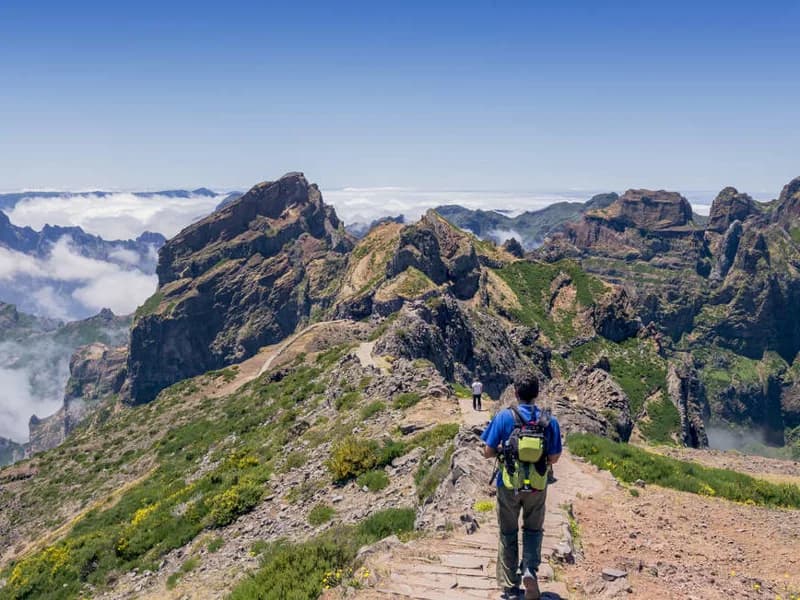
Madeira's terrain works against agriculture in an obvious way: the north of the island catches the rain, the south stays comparatively dry, and both are mountainous enough that water does not simply flow to where it is needed. Beginning in the sixteenth century, and continuing for hundreds of years after, Madeirans dug levadas, narrow irrigation channels that contour along the hillsides, sometimes carved directly into cliff faces, carrying water from the wet north to the terraced farms of the south. The network eventually grew to hundreds of miles, and while modern Madeira depends on it less than it once did for agriculture, the maintenance paths beside the channels have become the island's principal walking network, gentle in gradient by mountain standards precisely because the water they follow could not be made to run steeply either.
What the forest became
Away from the levadas and the terraces, pockets of the original laurisilva forest survive, dense, permanently damp woodland of laurel species that once covered much of the Mediterranean basin before the ice ages and now clings on in only a handful of places, this among the largest. UNESCO listed Madeira's laurisilva as a World Heritage Site in 1999, and walking through it, moss thick on every branch and mist caught permanently among the leaves, gives a fair sense of what the earliest Portuguese sailors would have had to hack their way through.
The island's name has outlasted most of the trees it originally described.
From the highest peaks to the highest cliffs
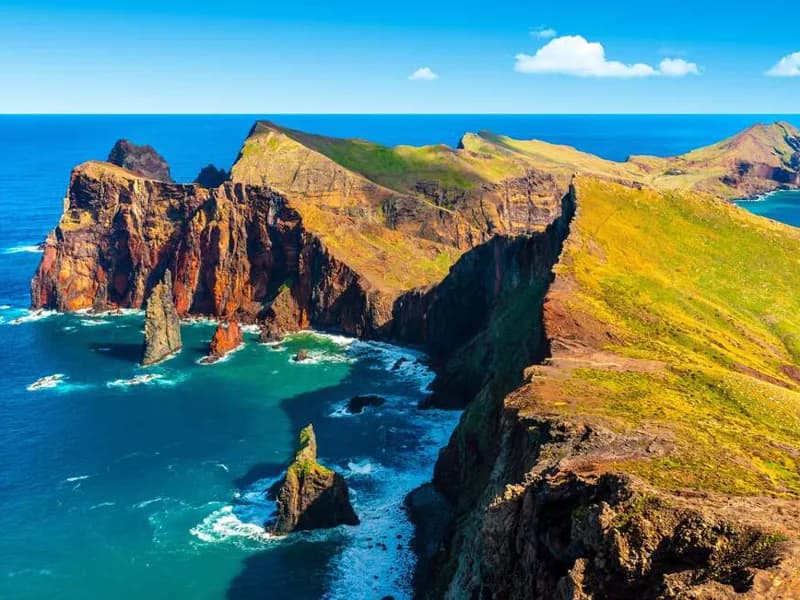
Madeira's volcanic spine rises to Pico Ruivo, at close to 1,900 metres the island's highest point, from where clear mornings offer views across most of the interior before cloud typically rolls in by early afternoon. On the south coast, Cabo Girão is reckoned one of the highest sea cliffs in Europe, dropping close to 600 metres almost sheer into the Atlantic; a glass-floored viewing platform now lets visitors stand out over the drop without quite trusting their own legs about it. Explore's upgraded island discovery tour takes in Cabo Girão, Pico do Arieiro and the levada paths together over a week, with more comfortable accommodation than the standard trip for walkers who would rather not rough it after a long day's climb.
Getting there
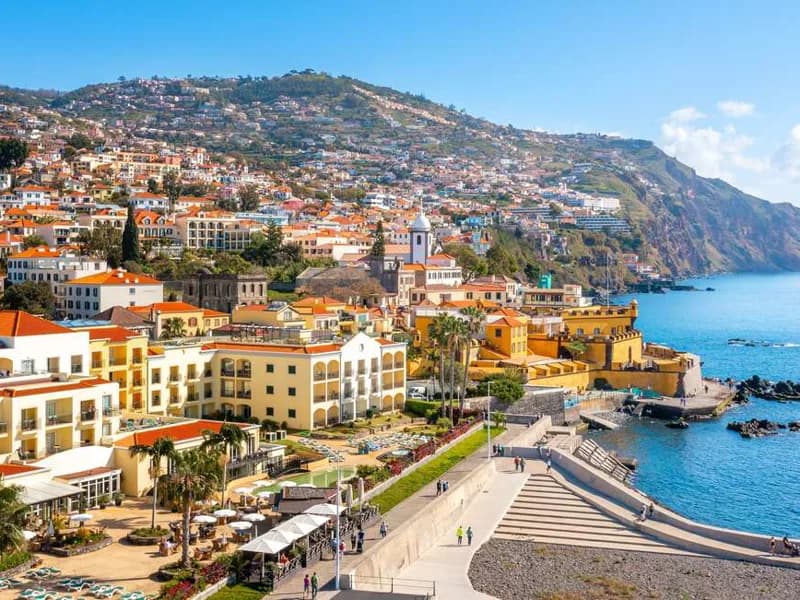
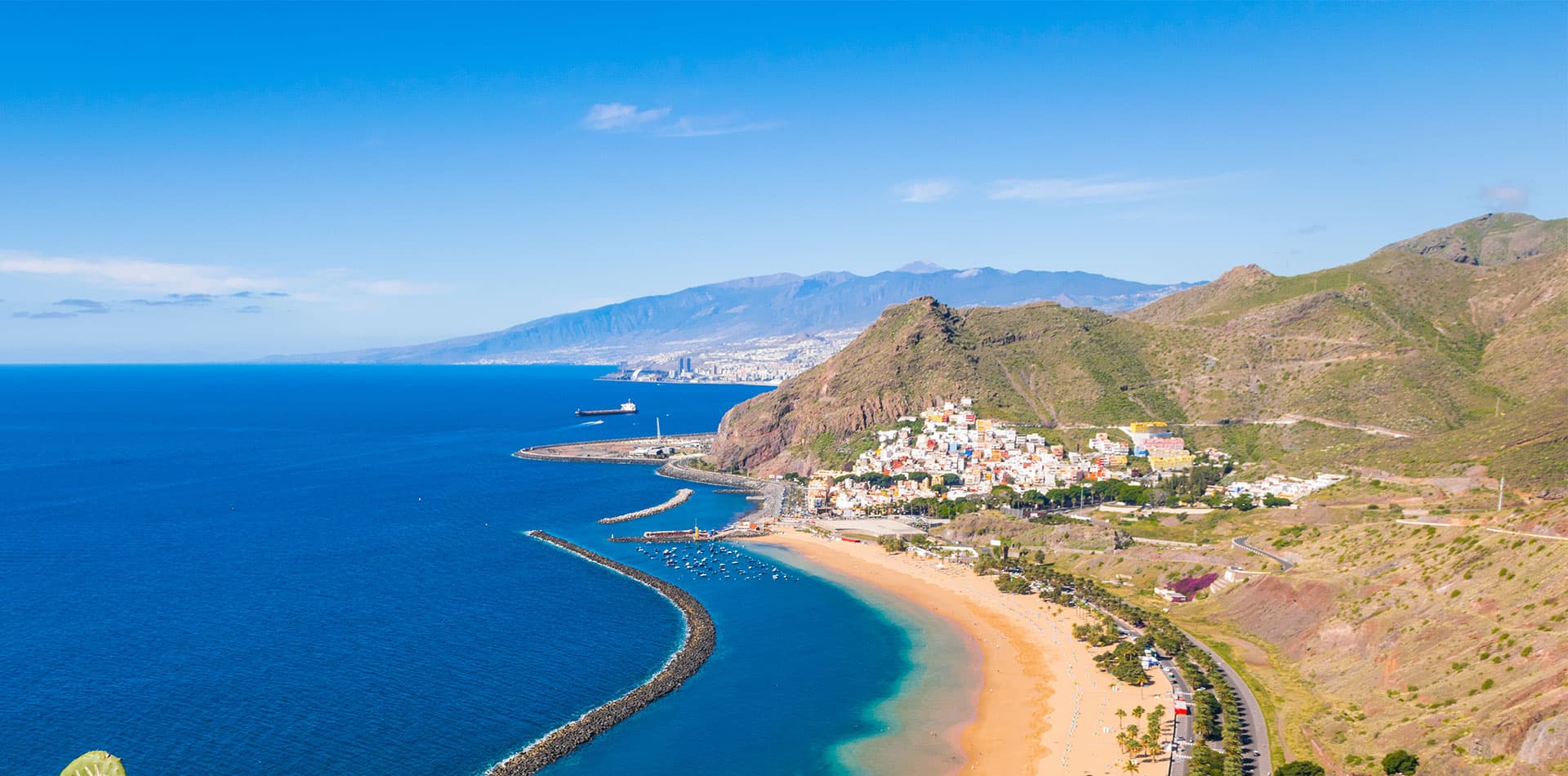
Madeira sits roughly a thousand miles south-west of Britain but keeps a mild, subtropical climate year-round, which makes it a popular winter cruise call as well as a walking destination in its own right; Fred. Olsen's fortnight from Liverpool pairs it with La Palma in the Canaries, giving two very different volcanic islands on a single trip. For families or first-time visitors who would rather have the walking arranged for them, Explore's week-long trips combine the levada paths with viewpoints, gardens and the coast, at a gentler pace than the island's more serious hiking routes demand.
Five centuries after the first clearance, Madeira has become an island where getting from one working farm terrace to the next, on foot, beside water that has been running the same course since before Portugal itself had settled its own borders, counts as an ordinary afternoon out.
It is a small island to have accumulated quite so much: a garden, a forest, a mountain range and a coastline, all packed into a landmass you could drive across in under two hours if the roads ran straight, which on Madeira they very rarely do.
By Arthur Penhallow, the name Atlas & Passage’s editorial team writes under. Prices and dates in the trips below come from the operators and can change.