Wildlife
Ngorongoro and the Serengeti, the crater and the plains
Northern Tanzania has two of the greatest wildlife places on earth side by side: a collapsed volcano whose floor is home to tens of thousands of animals, and an endless plain across which more than a million wildebeest move every year.
By Walter Pellow2 November 20264 min read
The northern safari circuit of Tanzania is one of the most famous in Africa, and with good reason. Within a few hours' drive of the town of Arusha lie a string of national parks and reserves of extraordinary variety: the baobab country of Tarangire, the lake and forest of Manyara, the volcanic highlands and crater of Ngorongoro, and beyond them the vast grasslands of the Serengeti, which stretch north into Kenya, where they become the Masai Mara.
Ngorongoro, the crater
The Ngorongoro Crater is the largest unbroken, unflooded volcanic caldera in the world, the remains of a huge volcano that collapsed millions of years ago. Its rim stands at about 2,300 metres, and its floor, some six hundred metres below, is a flat world of grassland, swamp, forest and a soda lake, about twenty kilometres across.
The crater floor is one of the densest concentrations of large animals in Africa. Its walls keep many of them in, and the grass and water keep them there all year: buffalo, zebra, wildebeest, gazelles, hippos, elephants, lions and spotted hyenas, and a small population of black rhinos, among the most accessible in East Africa. Flamingos gather on the lake. Driving down the steep road from the rim into the crater in the early morning, with the mist lifting off the floor, is one of the great moments of any safari.
The crater lies within the Ngorongoro Conservation Area, where Maasai herders live alongside the wildlife, grazing their cattle on the highlands.
Olduvai Gorge
Between the crater and the Serengeti lies Olduvai Gorge, a ravine in the plains where Louis and Mary Leakey and their colleagues found some of the most important early human fossils and stone tools ever discovered, from the 1950s onwards. Their finds helped to establish East Africa as the place where the human story began. A small museum at the gorge tells the story, and nearby are the Laetoli footprints, left in volcanic ash by early humans more than three and a half million years ago, though these are not on public view.
More than a million wildebeest move across the plains every year.
The Serengeti
The name Serengeti is usually said to come from a Maasai word for endless plains, and in its southern part the grassland does seem to go on for ever, flat and golden to the horizon, broken only by rocky outcrops called kopjes, where lions like to rest. Further north the land becomes more wooded and hilly.
The park is famous for the great migration, the annual movement of over a million wildebeest, along with hundreds of thousands of zebra and gazelle, in a vast circuit following the rains and the fresh grass. From around December to March the herds are on the short-grass plains of the south, where the wildebeest give birth, hundreds of thousands of calves in a few weeks. As the plains dry out, they move west and north, crossing the Grumeti and then the Mara rivers into Kenya around July to October, where the crocodiles wait, before returning south with the short rains. The timing varies from year to year with the weather, and no safari can guarantee the crossings.
The Serengeti is rich in predators, and lions, leopards and cheetahs are all regularly seen.
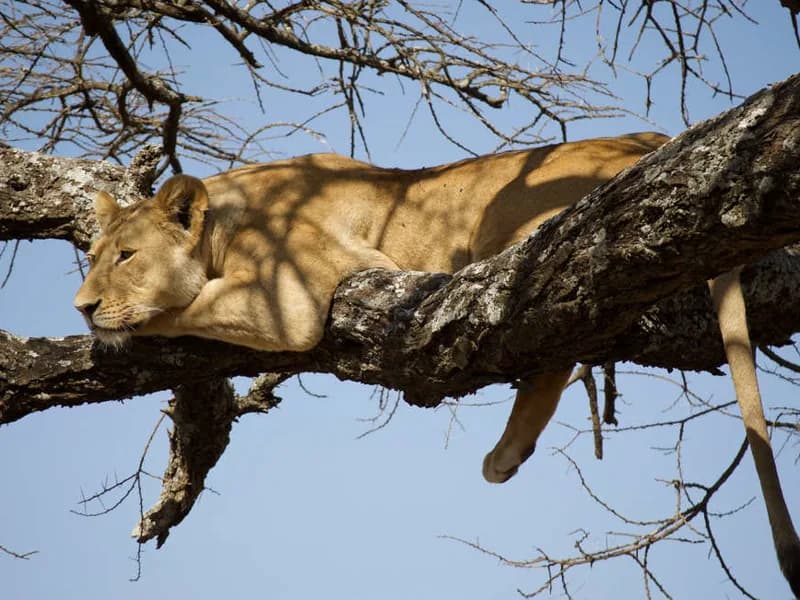
The northern circuit has two smaller parks that are often visited on the way. Tarangire is famous for its baobabs, huge swollen-trunked trees that can live for many centuries, and in the dry season for the large herds of elephants that gather along its river. Lake Manyara, beneath the wall of the Rift Valley escarpment, combines groundwater forest, grassland and a shallow soda lake often pink with flamingos, and its lions have a reputation for climbing trees, though they are not always obliging.
The safaris
Explore Worldwide's Serengeti Wildlife Experience, seven nights, follows the classic northern circuit from Arusha to Lake Manyara National Park, the Ngorongoro Conservation Area and Olduvai Gorge, the Serengeti and Tarangire. It runs in May, July, September and October.
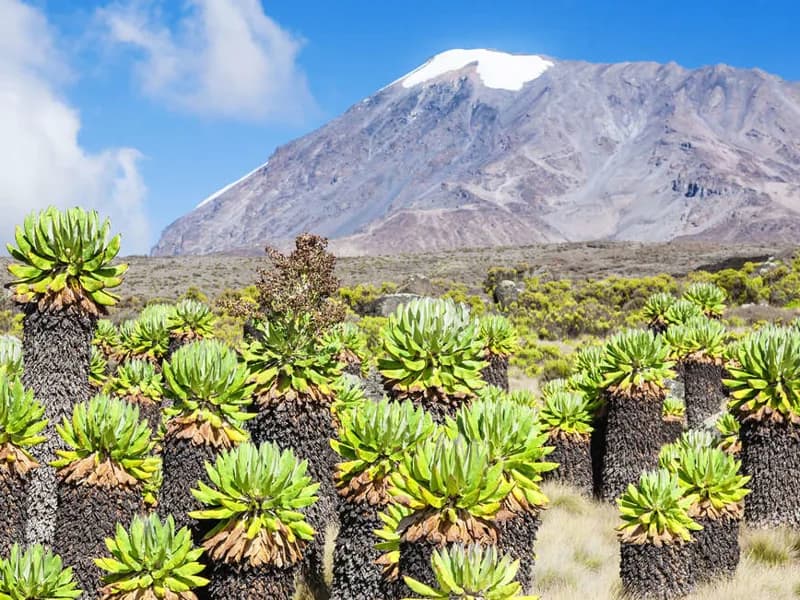
For those who want to climb as well, Explore's Kilimanjaro: Lemosho Trek + Safari Extension, twelve nights, climbs Africa's highest mountain from Moshi by the Lemosho route, and then adds a safari.
The northern parks can be visited all year. The long rains of April and May make some roads difficult and many camps close, but the crater and the plains are green and empty. The dry season, from June to October, is the classic safari season, when the animals gather around water and the grass is short.
By Walter Pellow, the name Atlas & Passage’s editorial team writes under. Prices and dates in the trips below come from the operators and can change.