Journeys
The Karakoram Highway, through the Hunza valley
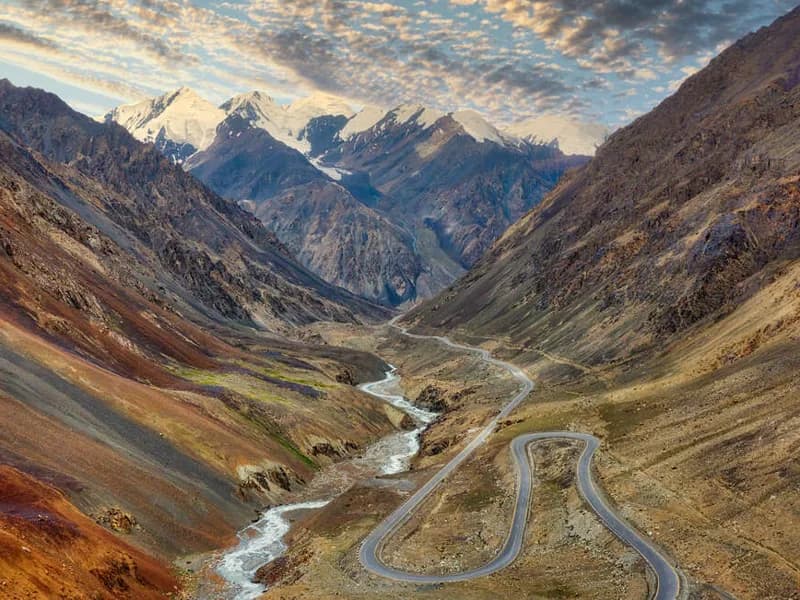
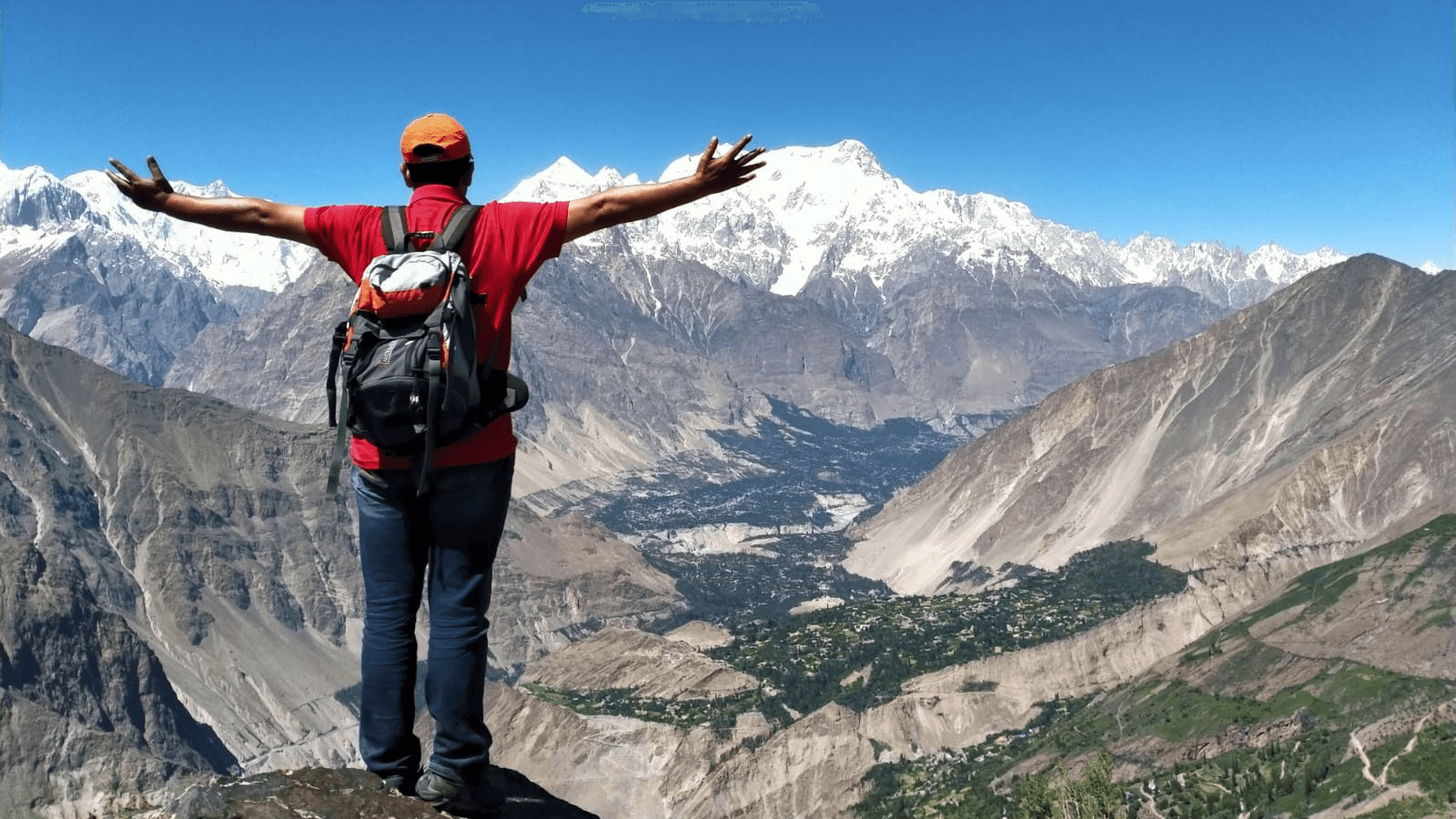
The road from Islamabad to the Chinese border climbs through some of the highest mountains on earth, past the point where three great ranges meet. In the Hunza valley, near its northern end, apricot orchards and old forts sit beneath peaks of seven thousand metres.
By Walter Pellow20 October 20264 min read
The Karakoram Highway is one of the great roads of the world. It runs north from the plains near Islamabad, through the mountains of northern Pakistan, to the Khunjerab Pass on the Chinese border, at nearly four thousand seven hundred metres, and on into China. It was built by Pakistan and China together over two decades, finished in the late 1970s, at a heavy cost in lives, through some of the most unstable and difficult terrain on earth. It roughly follows one of the old branches of the Silk Road, and it remains the only road link between the two countries.
Its scenery is extraordinary. Northern Pakistan holds more of the world's highest mountains than almost anywhere else, including K2, Nanga Parbat and dozens of other peaks over seven thousand metres. Near the town of Jaglot, the highway passes the point where three of the great mountain ranges of Asia meet: the Himalaya, the Karakoram and the Hindu Kush. Nanga Parbat, at over eight thousand metres one of the highest mountains in the world, can be seen from the road on a clear day.
Hunza
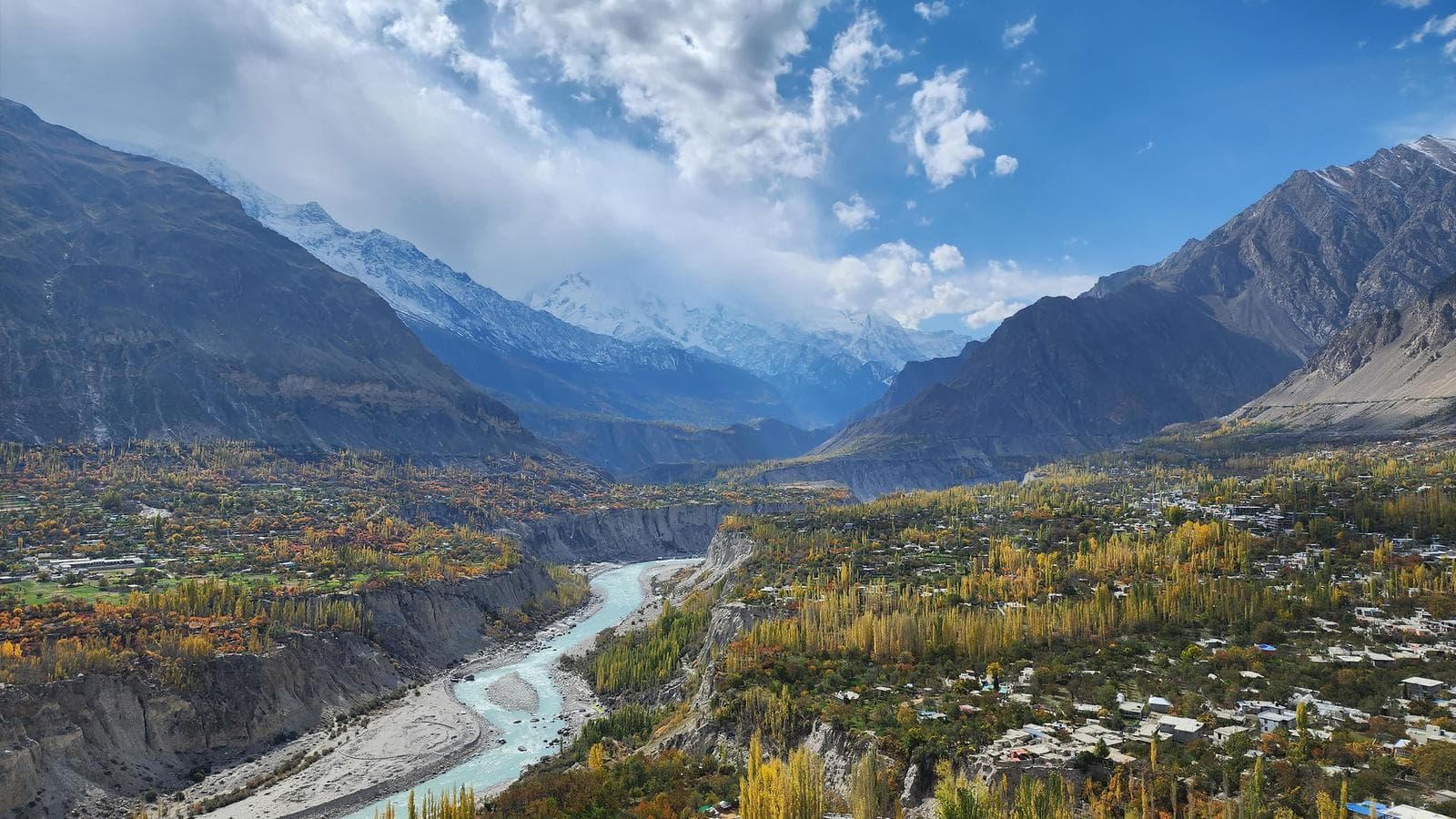
The Hunza valley, near the northern end of the highway, is the jewel of the route. It was for centuries a small independent mountain kingdom, ruled by its own hereditary mirs until 1974, and it has a character of its own. Its people are mostly Ismaili Muslims, followers of the Aga Khan, and the valley is known for its high rates of literacy and for the work of the Aga Khan's development agencies in restoring its heritage.
Karimabad, the main town, climbs a steep hillside above the valley, with views across to the great peak of Rakaposhi. Above it stands Baltit Fort, the old palace of the mirs, centuries old and restored as a museum. Altit Fort, nearby, is older still, perched on a cliff above the river. The valley's terraces are planted with apricot, cherry and walnut trees. In spring the apricot blossom is famous, and in autumn the poplars and orchards turn gold.
Attabad, Passu and the border
North of Karimabad, the highway passes Attabad Lake, a long turquoise lake created in 2010 when a huge landslide blocked the Hunza River and flooded the valley, swallowing villages and a section of the road. Beyond lies Gulmit and then Passu, where the jagged spires of the Passu Cones rise above the valley and the Passu glacier spills down almost to the road. The famous Hussaini suspension bridge, a precarious walkway of planks and cables over the river, is an adventure for those with a head for heights. Further north, Khunjerab National Park protects high-altitude wildlife, including Marco Polo sheep and snow leopards, on the way to the border.
The people of the valleys are famous for their hospitality. Visitors are welcomed into homes and offered tea, apricots, walnuts and bread. In Hunza, the food is distinctive: buckwheat and wheat breads, apricot oil, soups and dishes made with dried apricots, and a local walnut cake. Several village projects, supported by the Aga Khan's agencies, run small restaurants and guesthouses where visitors can eat home-cooked food.
Travelling the highway
The season is short. The high passes and the northern valleys are best from about June to September, and road conditions vary with landslides and weather. It is essential to check the latest travel advice from the Foreign, Commonwealth and Development Office before booking, since it covers parts of Pakistan, and to understand any restrictions on where visitors can go.
Explore Worldwide's Pakistan's Karakoram Highway, thirteen nights from June to September, includes Islamabad and Rawalpindi, Naran, Gilgit, Karimabad, Duikar, the Hunza valley, Hoper Nagar, Passu and Gulmit, and the Gupis and Yasin valleys.
G Adventures' Pakistan: Karakoram Highway, Local Eats and Village Life, twelve nights, includes Lahore and Islamabad, the Hunza valley and Baltit Fort, Gulmit, the Passu glacier, Lake Saif-ul-Muluk, Ayubia National Park and Nathia Gali, Khanabad village and Khunjerab National Park. G Adventures' Best of Pakistan: Lahore, Islamabad and Passu Glacier, ten nights, includes Passu, Karimabad, Hunza, and Baltit and Altit forts.
For anyone who loves mountains, few roads anywhere offer so much.
By Walter Pellow, the name Atlas & Passage’s editorial team writes under. Prices and dates in the trips below come from the operators and can change.