Wildlife
Blue whales off Mirissa, and the months they pass the south coast
Off Sri Lanka's southern tip the sea floor drops away close to shore, and blue whales, the largest animals known to have lived, feed within reach of a morning's boat trip. From December to April, Mirissa is the place to go out and look for them.
By Walter Pellow2 November 20263 min read
Most of the great whales are creatures of the open ocean, seen, if at all, after hours at sea. Off the southern tip of Sri Lanka, things are different. Here the continental shelf, the shallow shelf of seabed around the island, is unusually narrow: around seven or eight kilometres south of Mirissa it ends, and the sea floor plunges into the deep water of the Indian Ocean. Along that edge, where the deep water wells up, there is food, and where there is food there are whales. Among them are blue whales, the largest animals known to have lived.
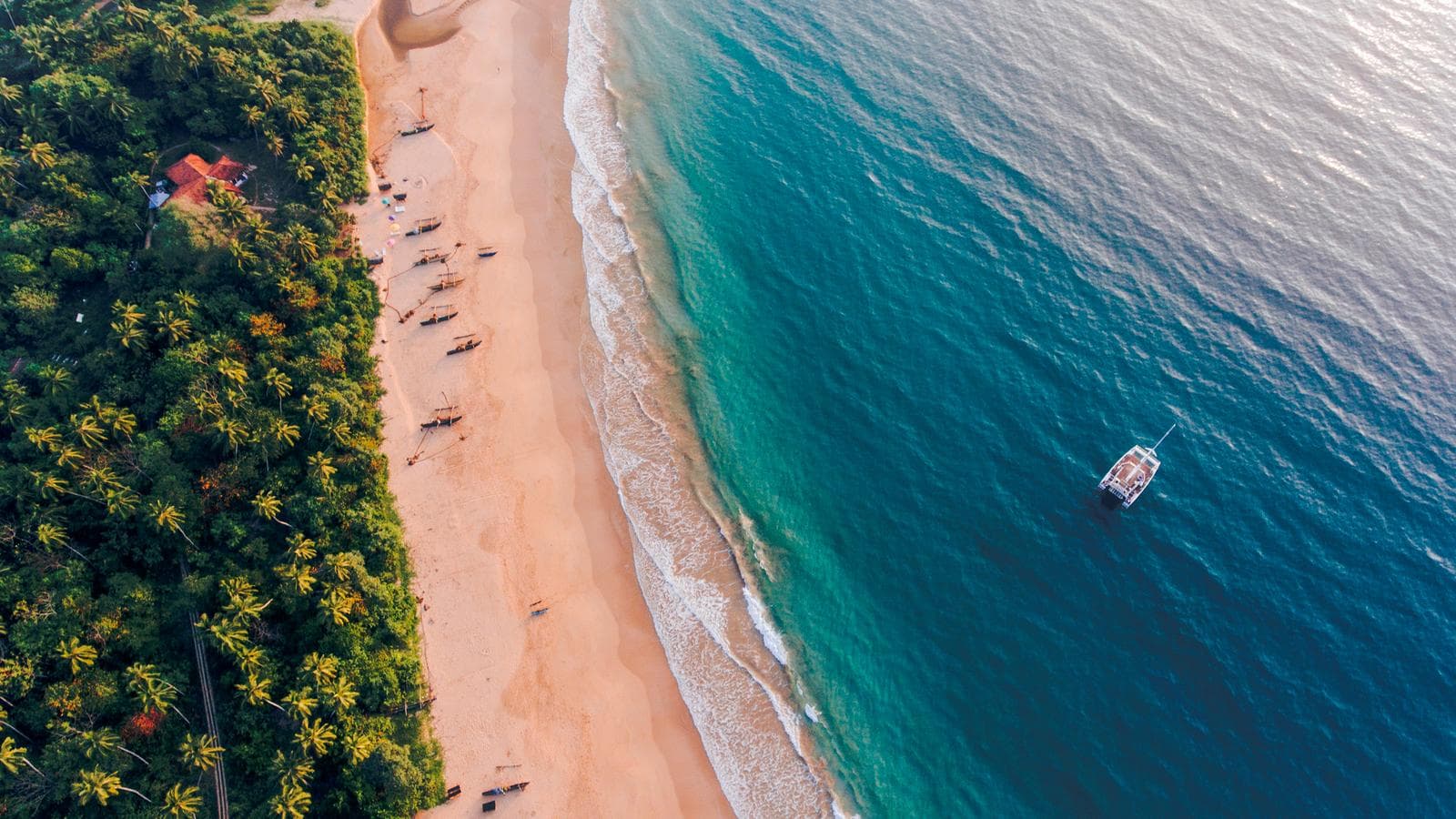
That makes Mirissa, a small fishing town and beach resort on the south coast, an unusually easy place to go and look for them: a morning's boat ride out from the harbour, rather than days at sea.
The season
The south coast's whale season runs roughly from December to April, when the seas off the south are calmer and the boats can go out. The season tails off as the south-west monsoon arrives from about May, roughening the sea. A study of the waters off Mirissa found a peak of calving in March and April.
From about May, the action moves around the island to the east coast, where Trincomalee has its own whale season during the south-west monsoon months, when its waters are calm. That gives Sri Lanka whale watching for much of the year, on one coast or the other.
Where there is food there are whales.
A morning on the water
Whale-watching boats leave the harbour at Mirissa early, usually around dawn, and head south towards the shelf edge and the shipping lanes beyond it. The trip lasts several hours, sometimes most of the morning, and much of it is spent scanning the sea for the tall, straight blow of a blue whale, which can be seen from a long way off.
When one is found, the boats slow and wait. A blue whale surfaces to breathe several times, its long blue-grey back rolling through the water for what seems an impossibly long time, before it raises its tail and dives, perhaps for many minutes. Sperm whales, with their angled blows and square heads, are also seen off Mirissa, along with dolphins. Like all wildlife, the whales keep their own schedule, and no sighting is guaranteed.
Choosing a trip
The quality of whale-watching boats varies a great deal, and it is worth taking care. Look for operators who keep a respectful distance from the whales, do not chase or surround them, and limit the number of boats around an animal. Bigger, steadier boats are more comfortable on a swell, and seasickness is common, so take precautions. Bring a hat, sun cream, water and a light layer for the early start, and binoculars if you have them.
Trips on the south coast
G Adventures' six-night Sailing Sri Lanka - South Coast is built around this coast: its places are Mirissa, Galle, Kudawella and Weligama Bay, and it departs in November, December and January.
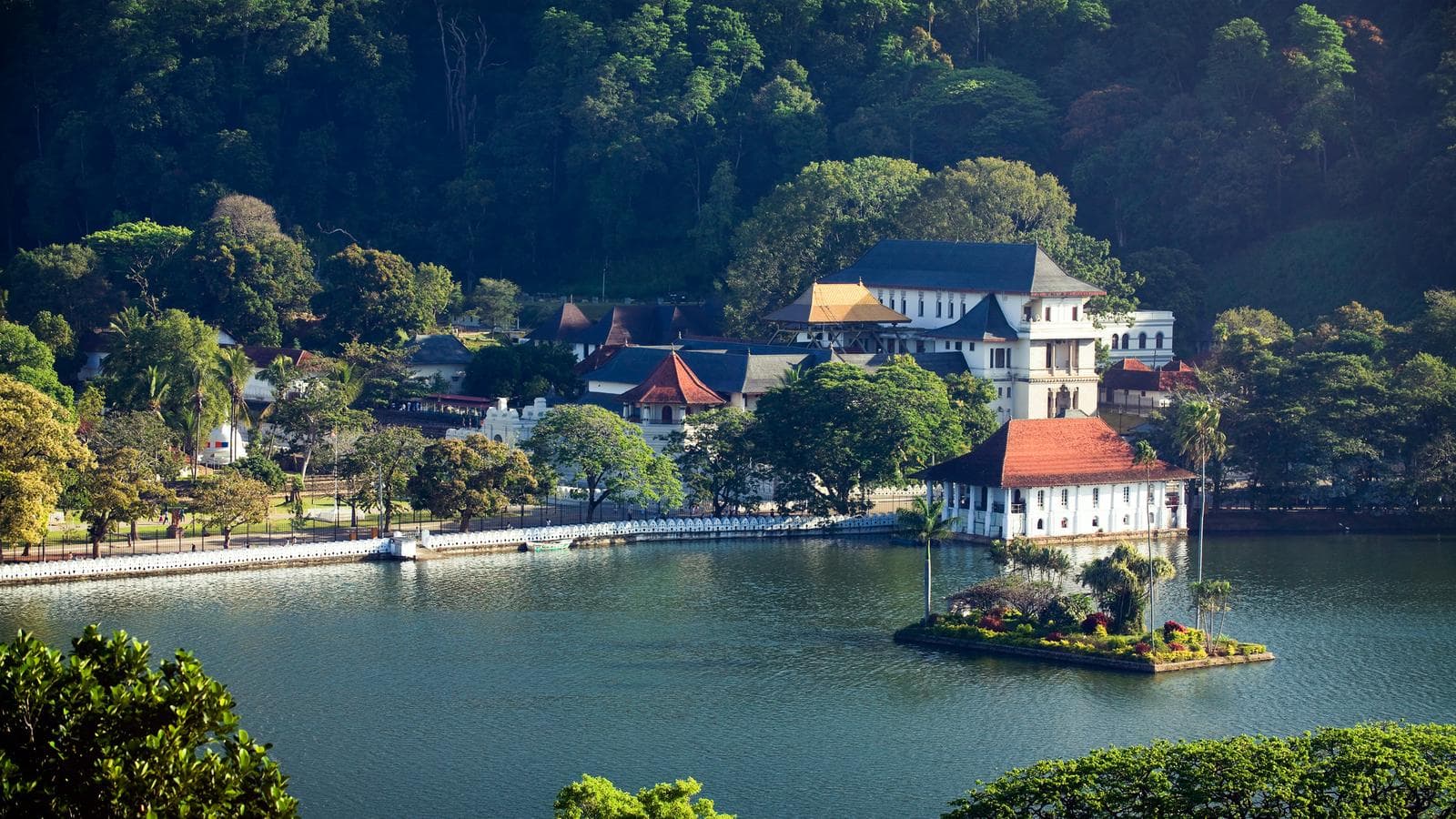
Explore's eight-night Family Highlights of Sri Lanka departs in March, April, July, August, October and December. It goes from Negombo to Wilpattu National Park, Habarana, Polonnaruwa, Sigiriya and Kandy, then Kitulgala, before reaching the south coast at Hikkaduwa, Weligama and Galle, and ending in Colombo.
G Adventures' seven-night Sri Lanka Express, departing in November and December, goes from Kandy to Udawalawe National Park and Ella, then to Galle and Unawatuna on the south coast.
None of these lists a whale-watching trip, so if seeing the whales matters to you, check whether one is included or arrange a morning on the water yourself while you are on the coast.
The south coast has plenty to fill the rest of a stay: Galle's walled Dutch fort, the long beaches of Weligama and Unawatuna, the stilt fishermen perched on poles in the shallows, and the tea country and national parks a few hours inland. But it is the whales that people remember. To see the back of a blue whale roll past a small boat, and its tail lift against the morning sky, is to understand for a moment how big the world is, and how little of it we see.
By Walter Pellow, the name Atlas & Passage’s editorial team writes under. Prices and dates in the trips below come from the operators and can change.