Seasons
The Maldives in the dry season, and what the monsoons change
The Maldives are warm all year, but two monsoons take turns over the islands, changing the wind, the rain, the sea and even where the mantas feed. Knowing which is which makes a real difference to a trip.
By Walter Pellow20 October 20264 min read
The Maldives lie close to the equator, and the temperature barely changes through the year: warm days, warm nights and warm sea, in every month. What changes is the wind and the rain. Like much of South Asia, the islands are governed by the monsoons, two great seasonal wind systems that blow from opposite directions at opposite times of year. The Maldivians have names for them. Iruvai is the north-east monsoon, which brings the dry season. Hulhangu is the south-west monsoon, which brings the wet.
The dry season
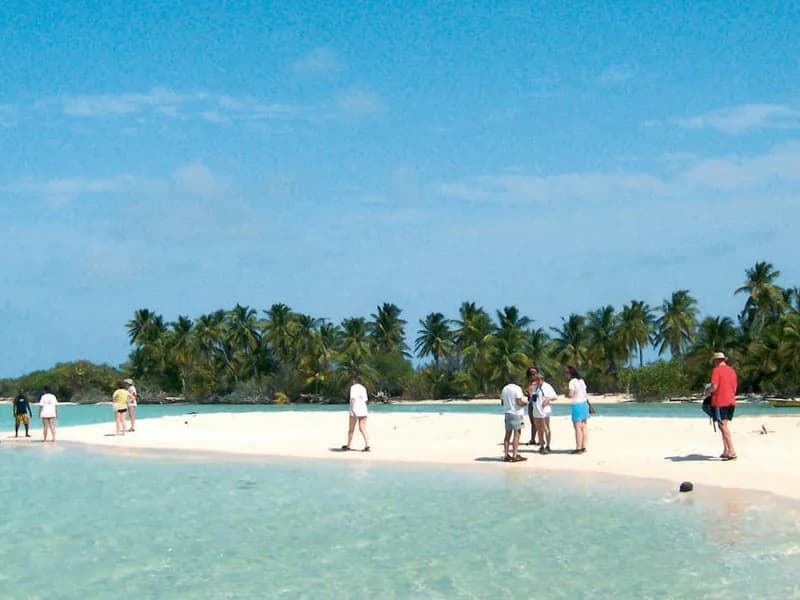
The north-east monsoon blows roughly from December to April. It brings dry air from the Asian continent, and with it the Maldives' classic weather: long hours of sunshine, light winds, calm seas and very little rain. The water is at its clearest, the sea at its calmest, and conditions for snorkelling, diving and sailing between the atolls are generally excellent. It is the peak season for visitors, especially around Christmas and in February, and the busiest time of year.
The wet season
The south-west monsoon blows from about May to November, bringing moist air from the Indian Ocean. It means more cloud, more rain and stronger winds, with rougher seas at times, especially from June to August. But it is rarely a washout. Rain usually comes in heavy showers or storms that pass, followed by sunshine, and there are many fine days. It is also the quieter season, as fewer visitors come.
The months between, April and November, are transitional, and their weather is variable: generally calm and warm, with the chance of showers.
Whatever the season, the sea is warm, usually between about twenty-seven and thirty degrees, so a wetsuit is rarely needed for snorkelling. The sun is fierce all year, being so close to the equator, and reef-safe sunscreen, a hat and a light long-sleeved top for snorkelling are essential. The heat is tempered by the sea breeze, which is constant in the dry season.
For those planning around holidays, the shoulder months of the dry season, such as early December or April, can offer the dry season's weather with fewer visitors than the peak weeks around Christmas and the February half-term. Late November, as the north-east monsoon begins, is also often settled. Whatever the month, the reefs are there, and the water is warm, which is why the Maldives work at almost any time of year for those who don't mind the odd shower.
What the monsoons change under water
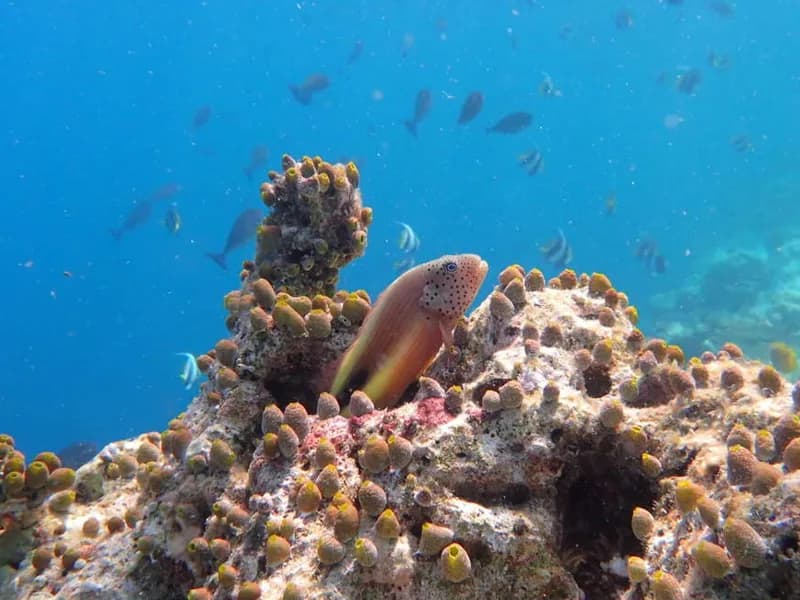
The monsoons shape life under the sea as well. The currents that flow through the channels of the atolls change direction with the wind. In the north-east monsoon, they flow from the east, carrying clear ocean water into the eastern side of the atolls, where visibility is at its best. In the south-west monsoon, they flow from the west, bringing nutrients and plankton to the western side, which draws the large filter feeders.
That is why manta rays gather in great numbers in some western atolls during the south-west monsoon. The most famous gathering is at Hanifaru Bay, in the Baa atoll, now protected within a UNESCO biosphere reserve. Whale sharks can be seen in parts of the Maldives through much of the year, especially around South Ari atoll. Surfers, meanwhile, come in the south-west monsoon, roughly from March to October, when swells from the southern Indian Ocean roll in onto the reefs.
The dhoni cruises, season by season
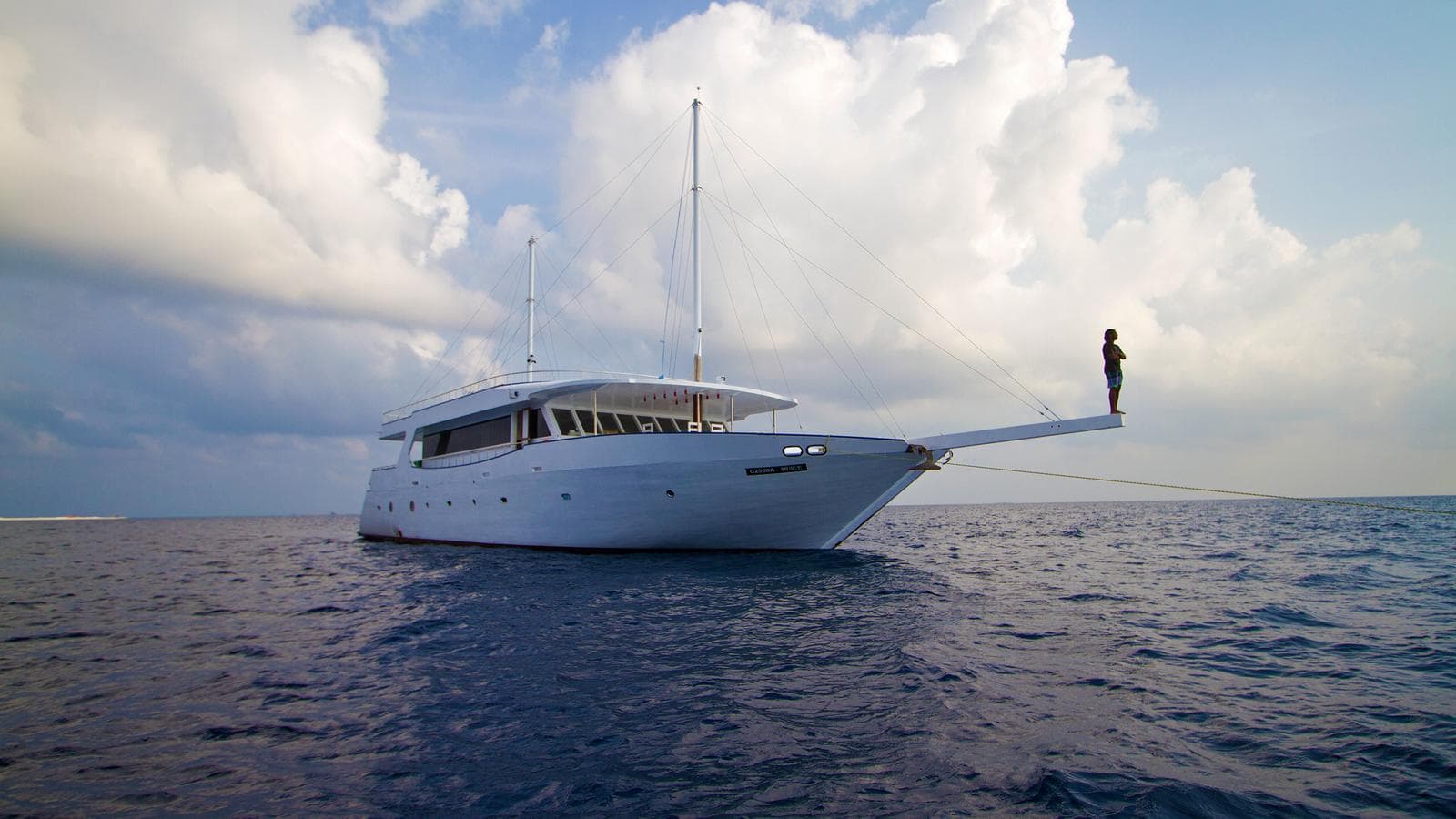
G Adventures' Maldives Dhoni Explorer, six nights from October to December, catches the transition into the dry season, sailing among the local islands of the Vaavu atoll, Fulidhoo, Felidhoo and Bodu Mora, from Malé.
Explore Worldwide's Maldive Dhoni Cruise, seven nights, runs through most of the year, both seasons included, through the South Malé, Vaavu and Meemu atolls. Explore Worldwide's Highlights of Sri Lanka with Maldive Dhoni Cruise, thirteen nights, combines a tour of Sri Lanka with a cruise from Malé by the Vaadhoo channel and the South Malé atoll. It has departures in March and from August to December.
The dry season is the safe choice for calm seas and sunshine. The wet season has its own rewards for anyone more interested in mantas, surf and fewer people than in guaranteed blue skies.
By Walter Pellow, the name Atlas & Passage’s editorial team writes under. Prices and dates in the trips below come from the operators and can change.