South Asia
Maldives
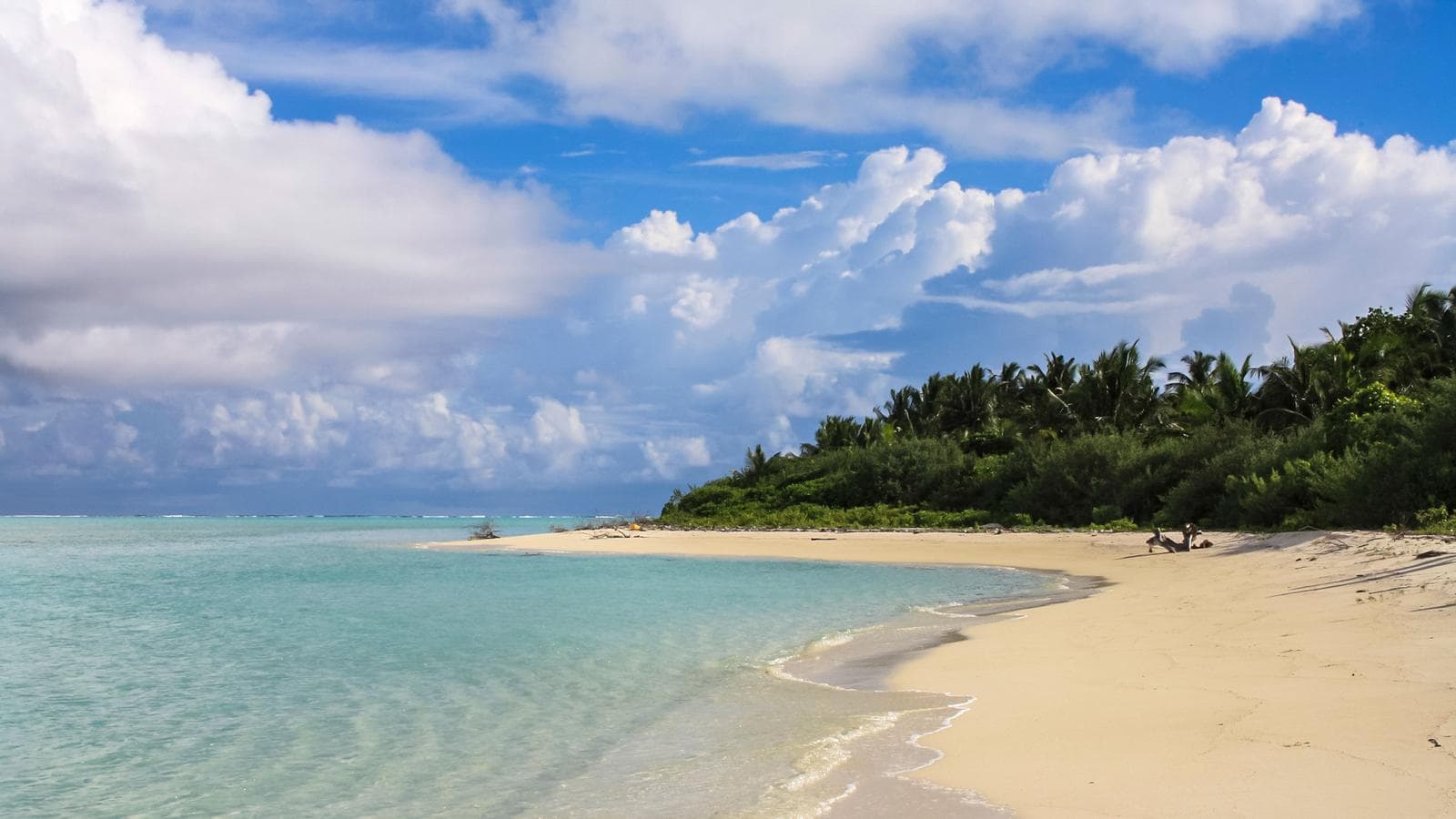
Nearly twelve hundred coral islands strung across the Indian Ocean in rings of reef, most of them uninhabited, and best seen not from one resort but from the deck of a boat moving between them.
9 holidays go to Maldives
from £1,189.30 per person
Maldives
When to go
January
The dry north-east monsoon: sunny, low humidity and calm water, with very clear seas for snorkelling.
Travelling in Maldives
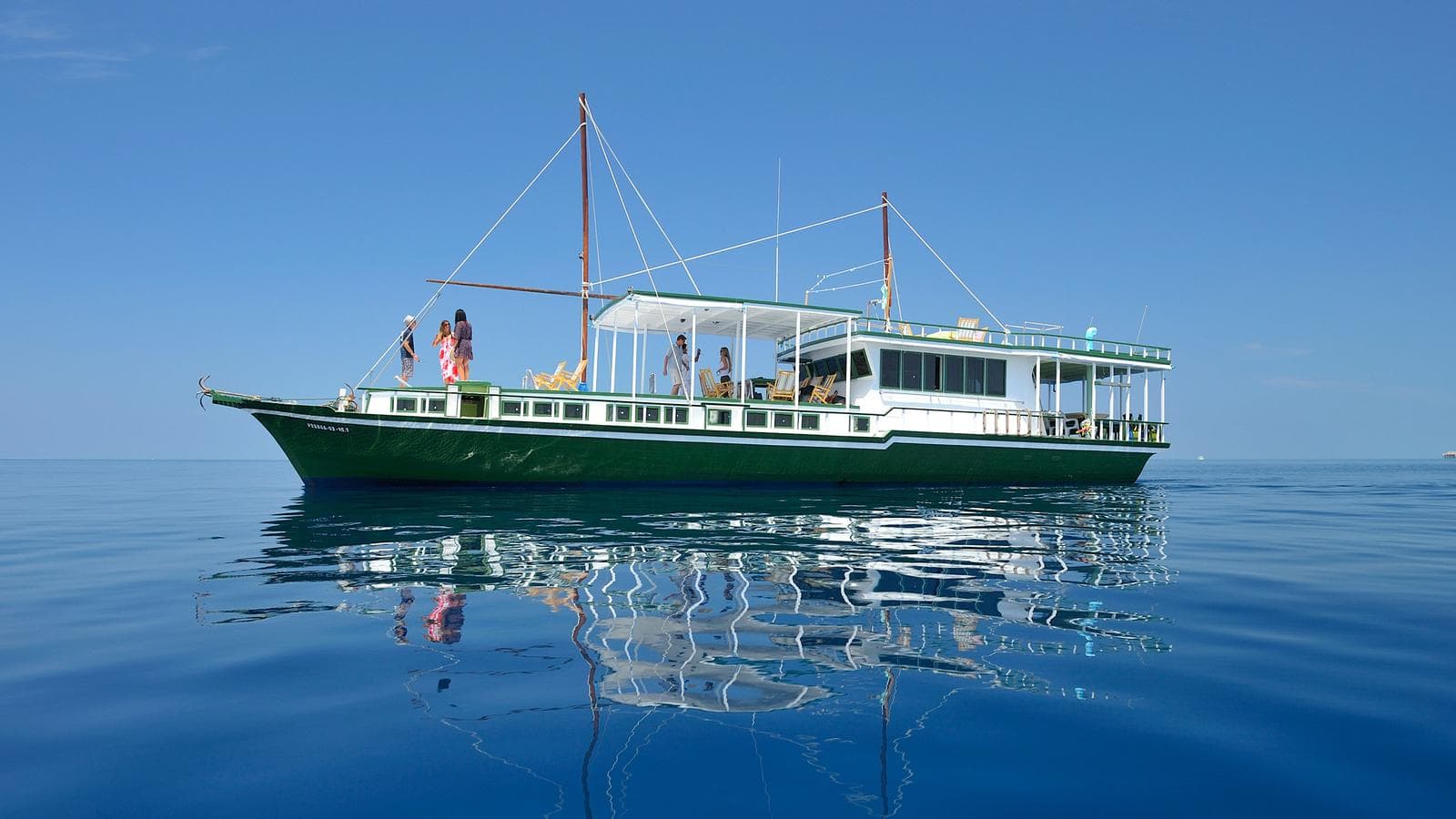
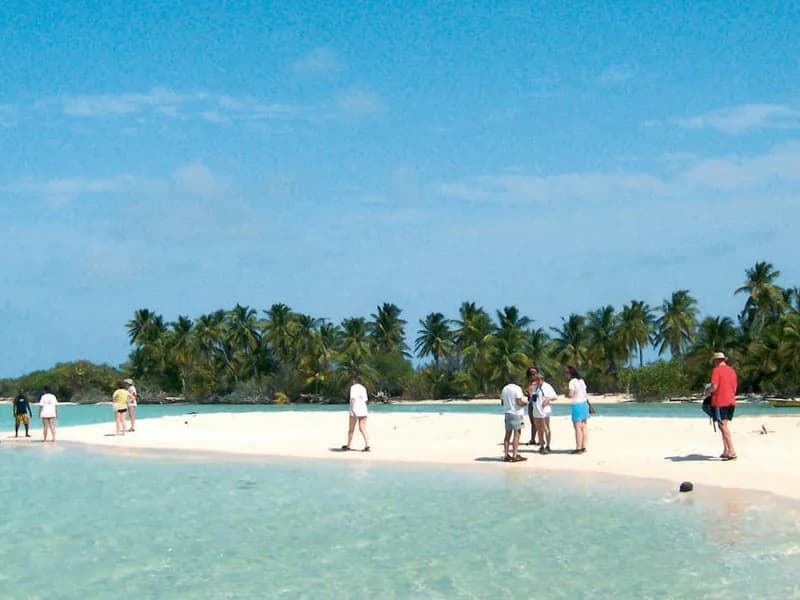
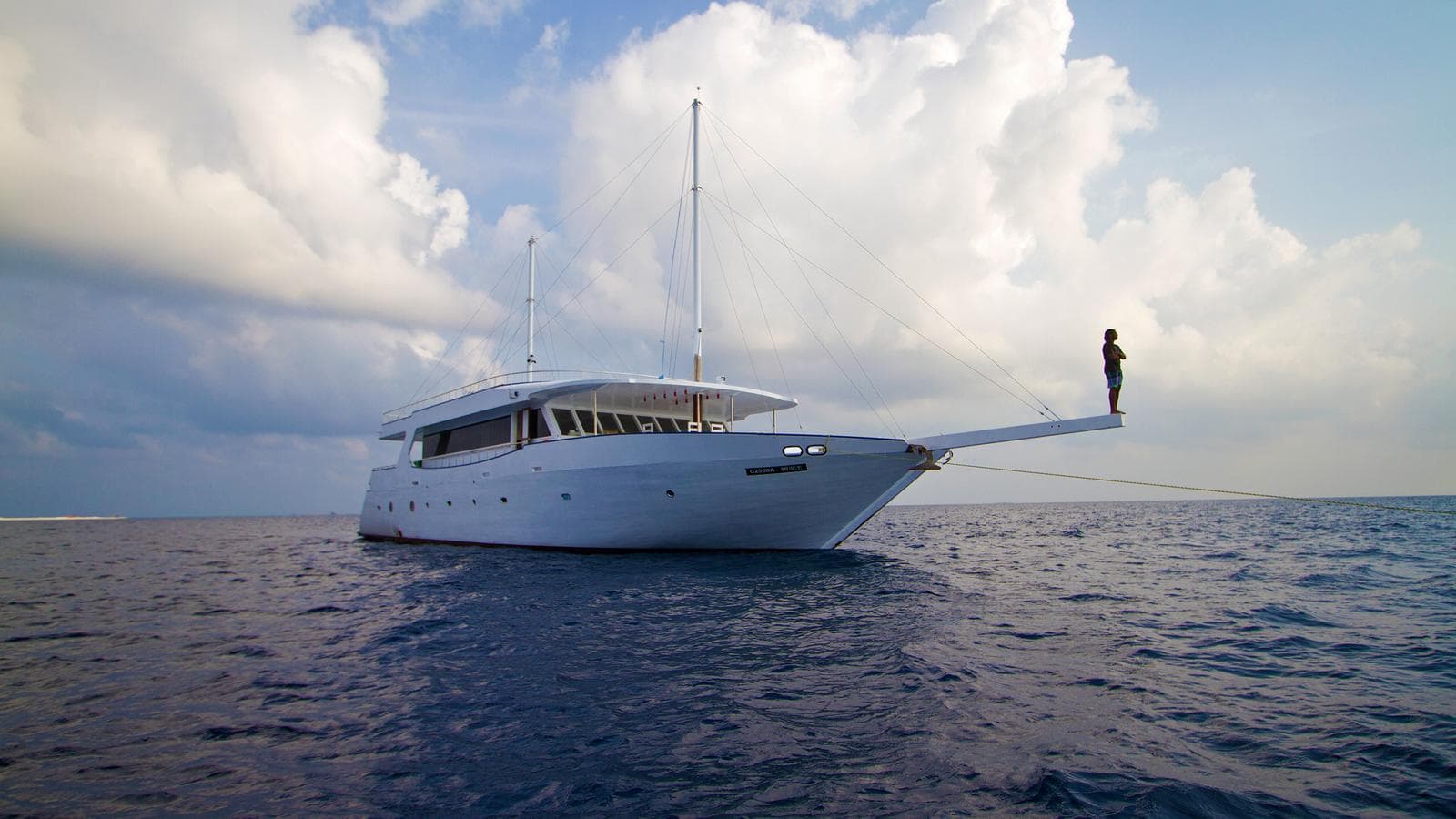
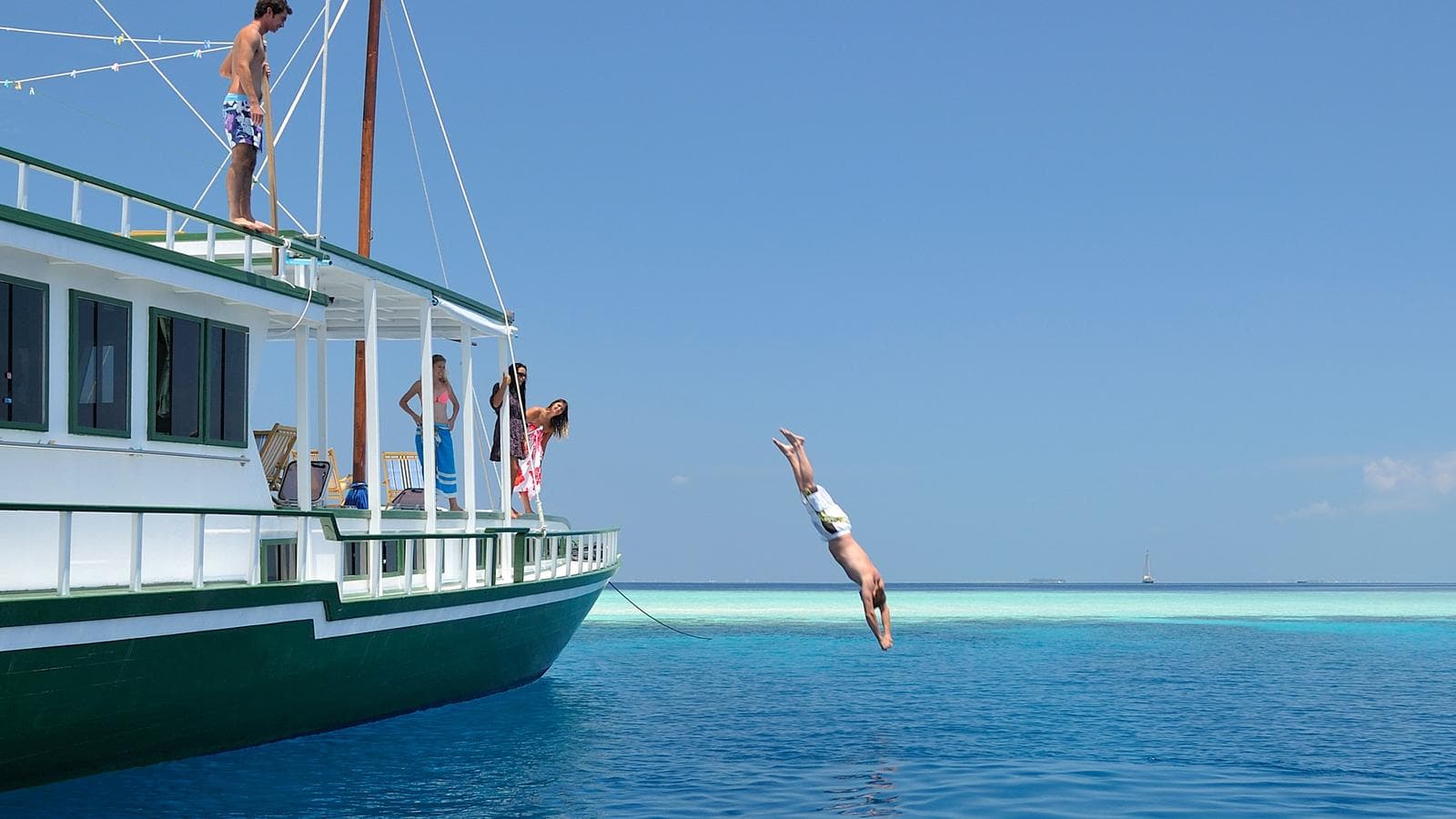
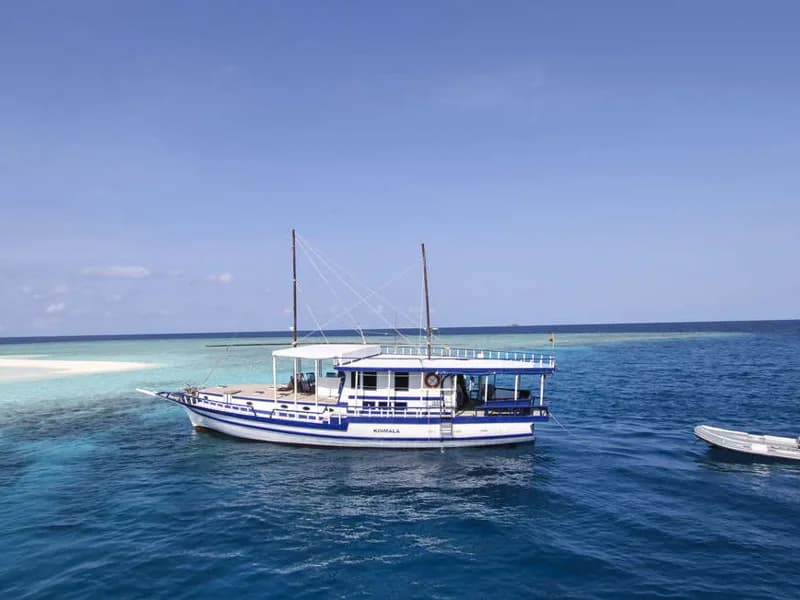
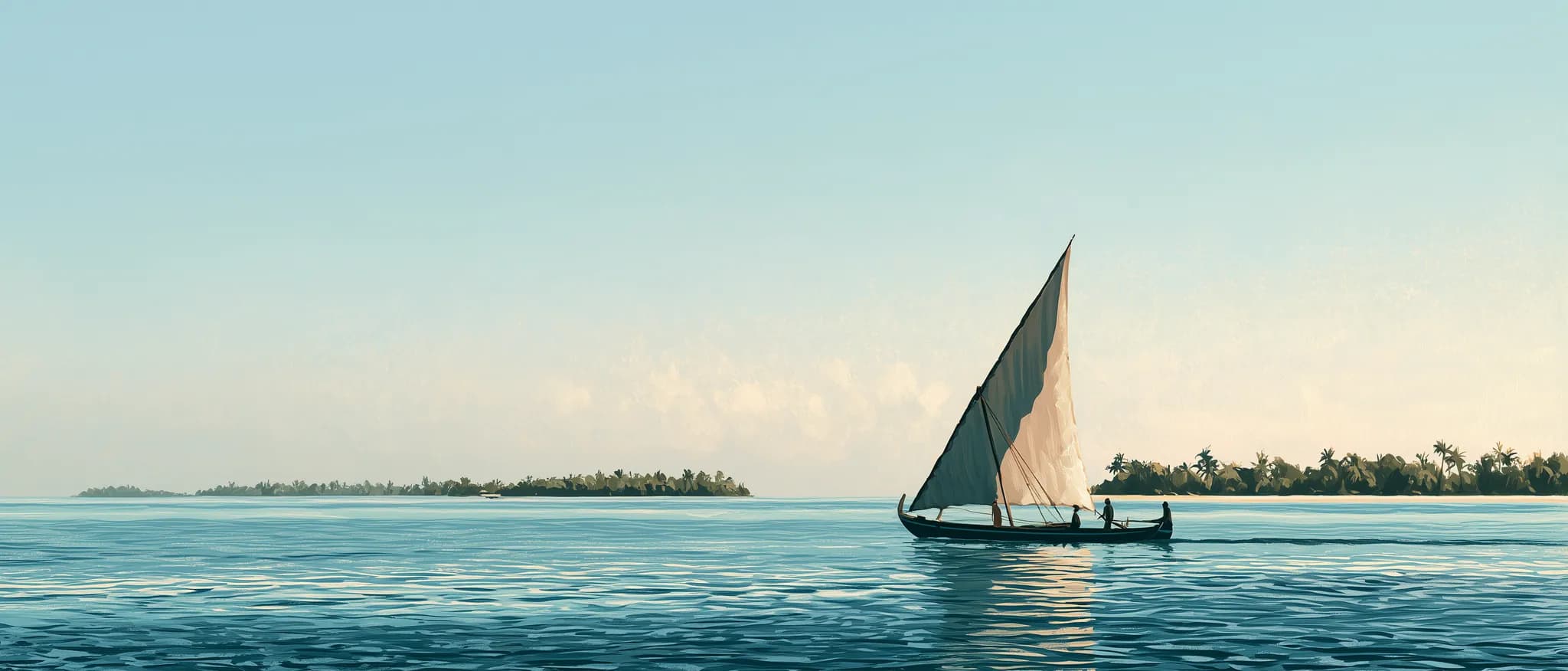
Most holidays in the Maldives are a week in one resort, on an island of its own, and that is not what ours are. Our holidays here are small-boat cruises on a dhoni, the traditional wooden boat of the islands, sailing for about a week through the atolls south of Malé. Days are spent snorkelling over the reefs, landing on sandbanks and visiting the small inhabited islands where Maldivians actually live, with a mosque, a school, a harbour and a handful of guesthouses. Several of our holidays add the cruise to the end of a tour of Sri Lanka or India, as the flight across is short.
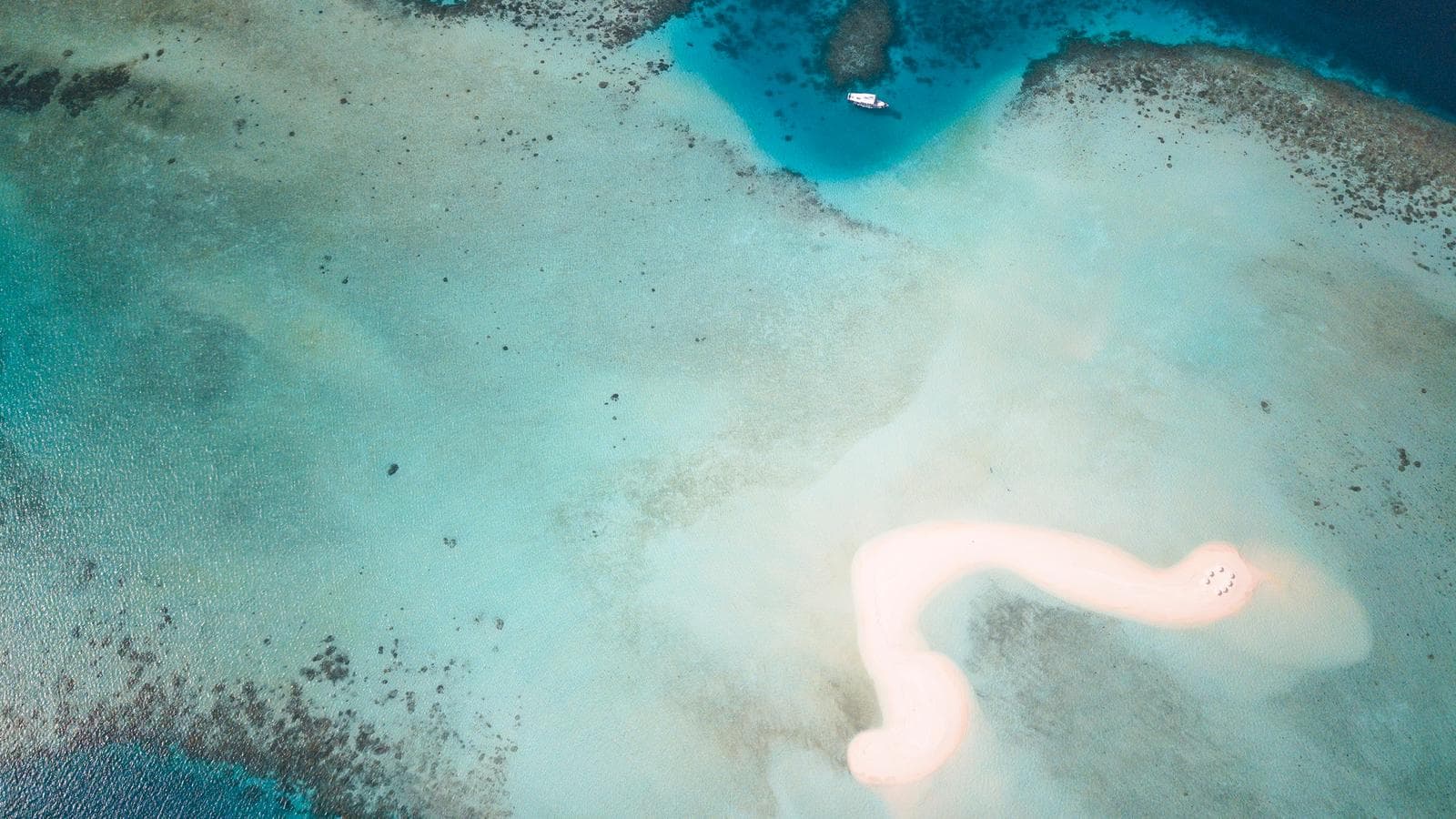
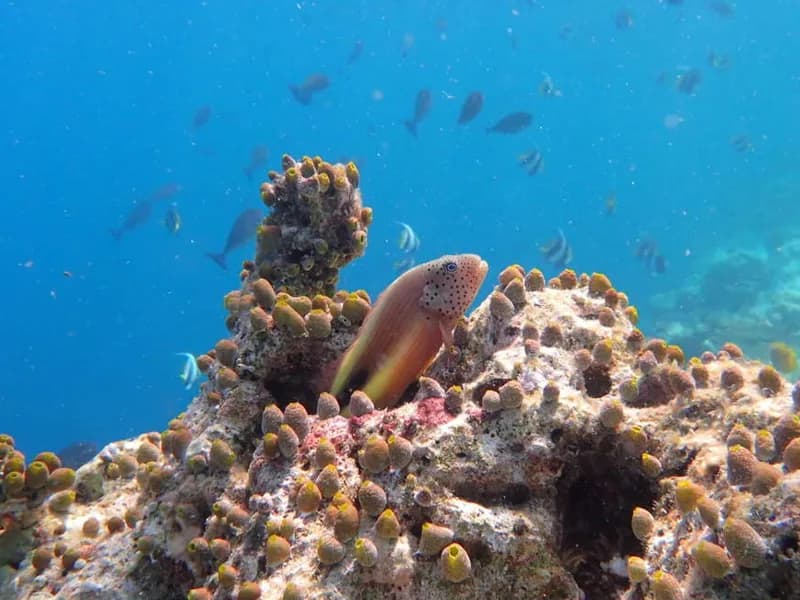
The atolls are rings of coral reef around shallow lagoons, and the country is almost entirely sea: the islands are small and low, and most are uninhabited. That makes snorkelling the main event. Reef fish, turtles, rays and reef sharks are common sights, and at some times of year manta rays and whale sharks come to feed.
The weather follows two monsoons. From about December to April the north-east monsoon brings the dry season, with sunshine, low humidity and calm seas, and February and March are the most settled months. From about May to November the south-west monsoon brings wind, rain and rougher crossings between atolls, though it rarely rains all day and the water stays warm. The Maldives is a Muslim country, and on inhabited islands alcohol is not served and visitors dress modestly away from the beaches set aside for tourists.
Journeys
Reading about Maldives
Finding holidays