North Atlantic
Iceland
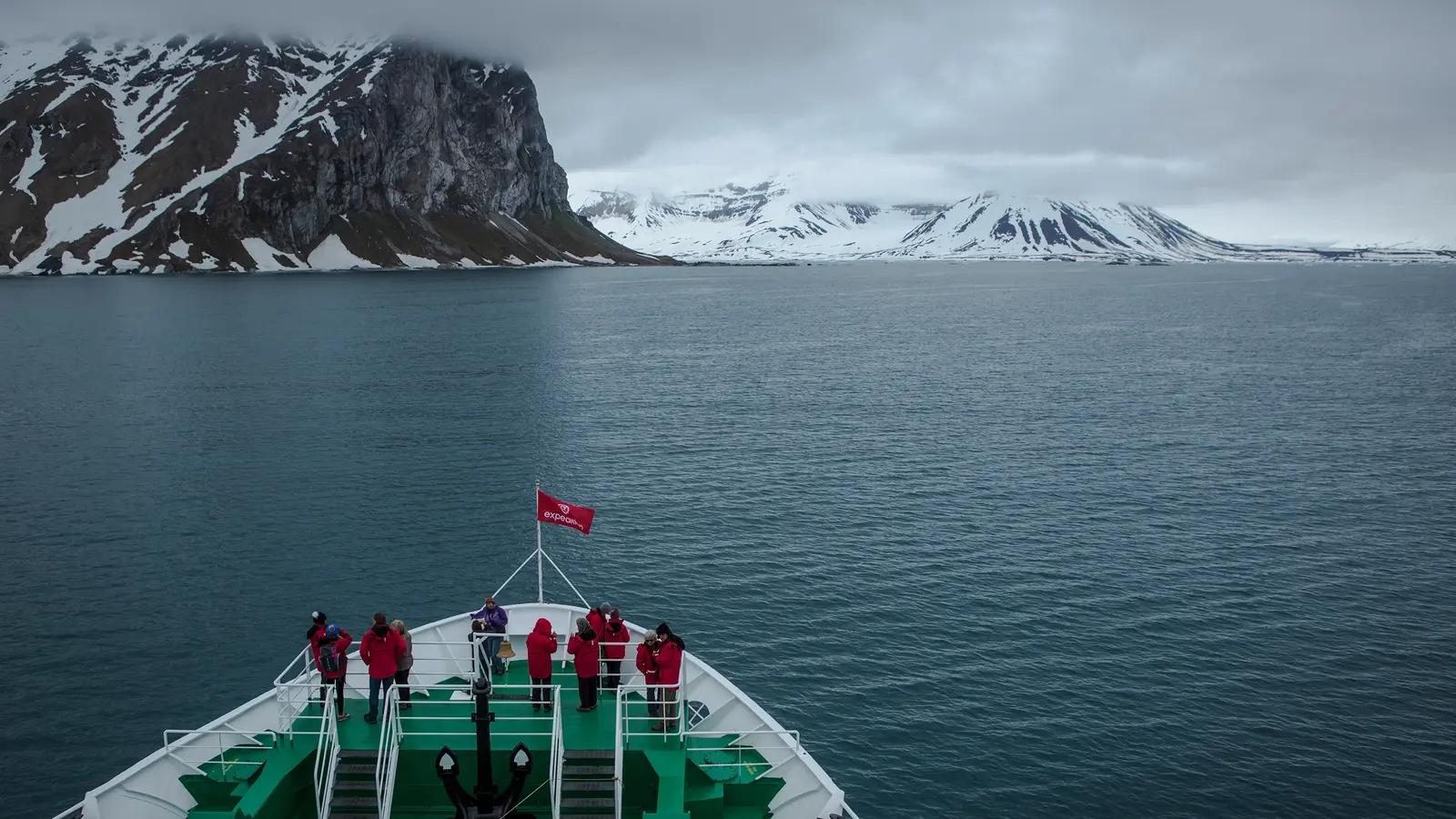
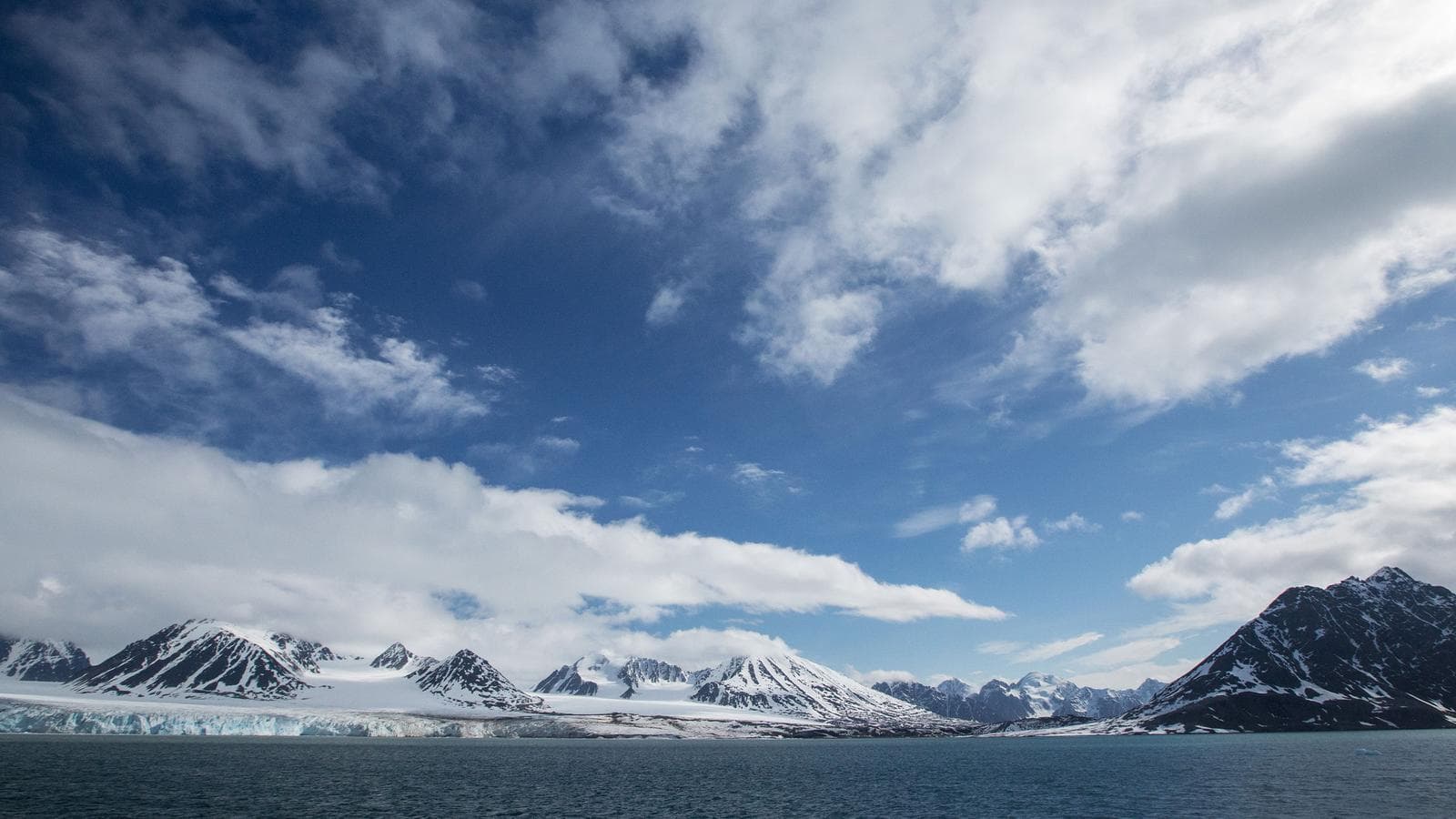
A country still being made by the same forces that shaped it: volcanoes, glaciers and a rift where two continents are slowly pulling apart. Most of it is empty, and most of what isn't is dramatic.
35 holidays go to Iceland
from £696.15 per person
Iceland
When to go
May
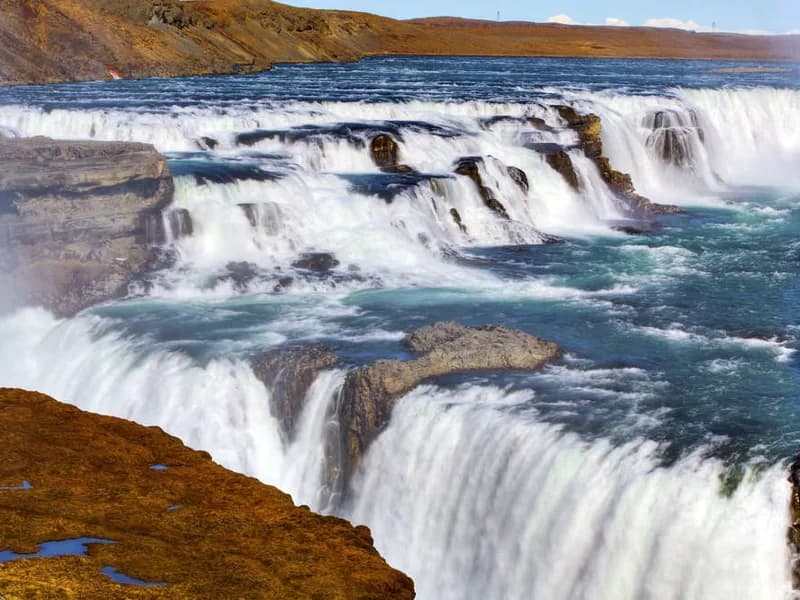
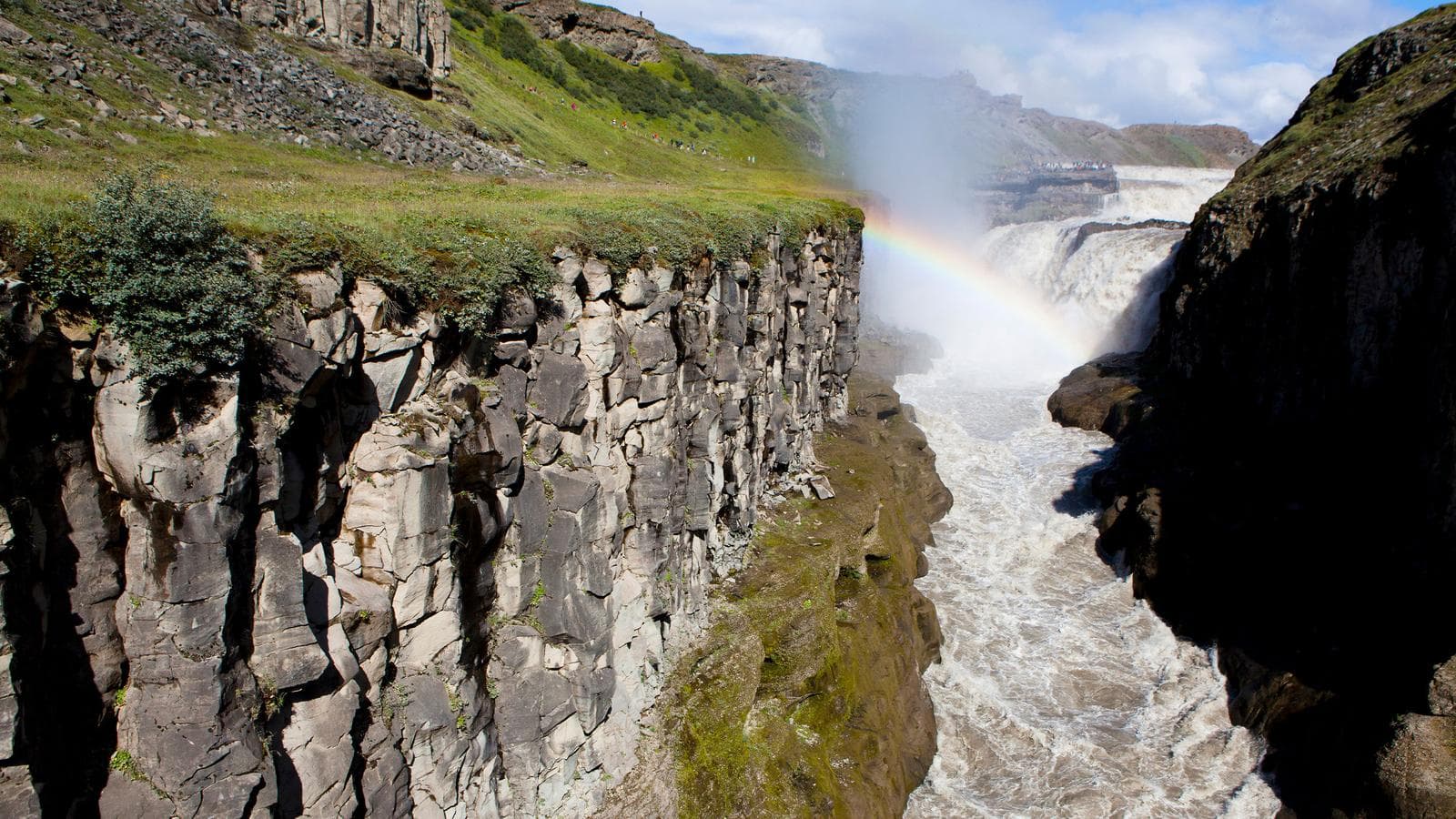
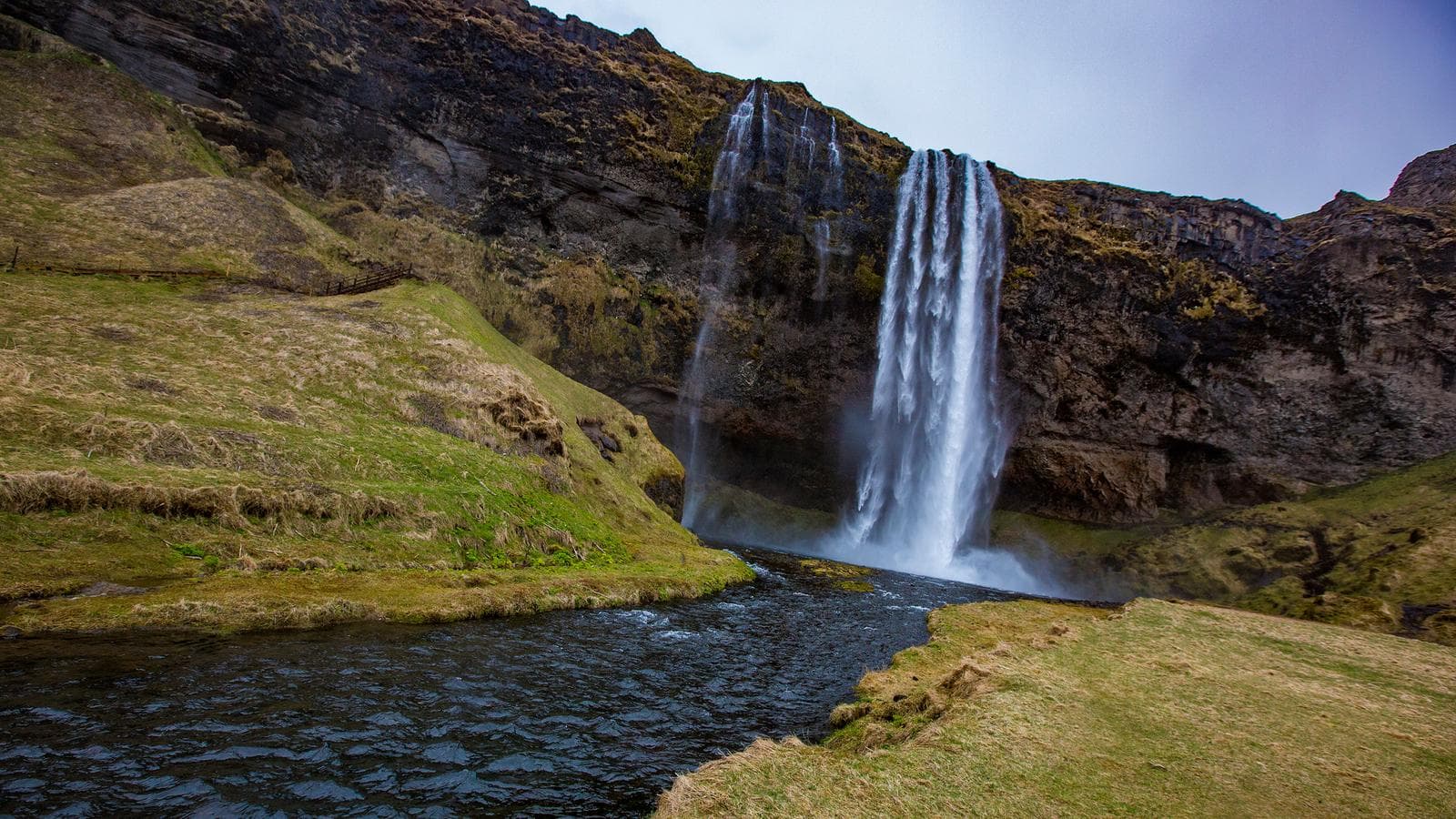
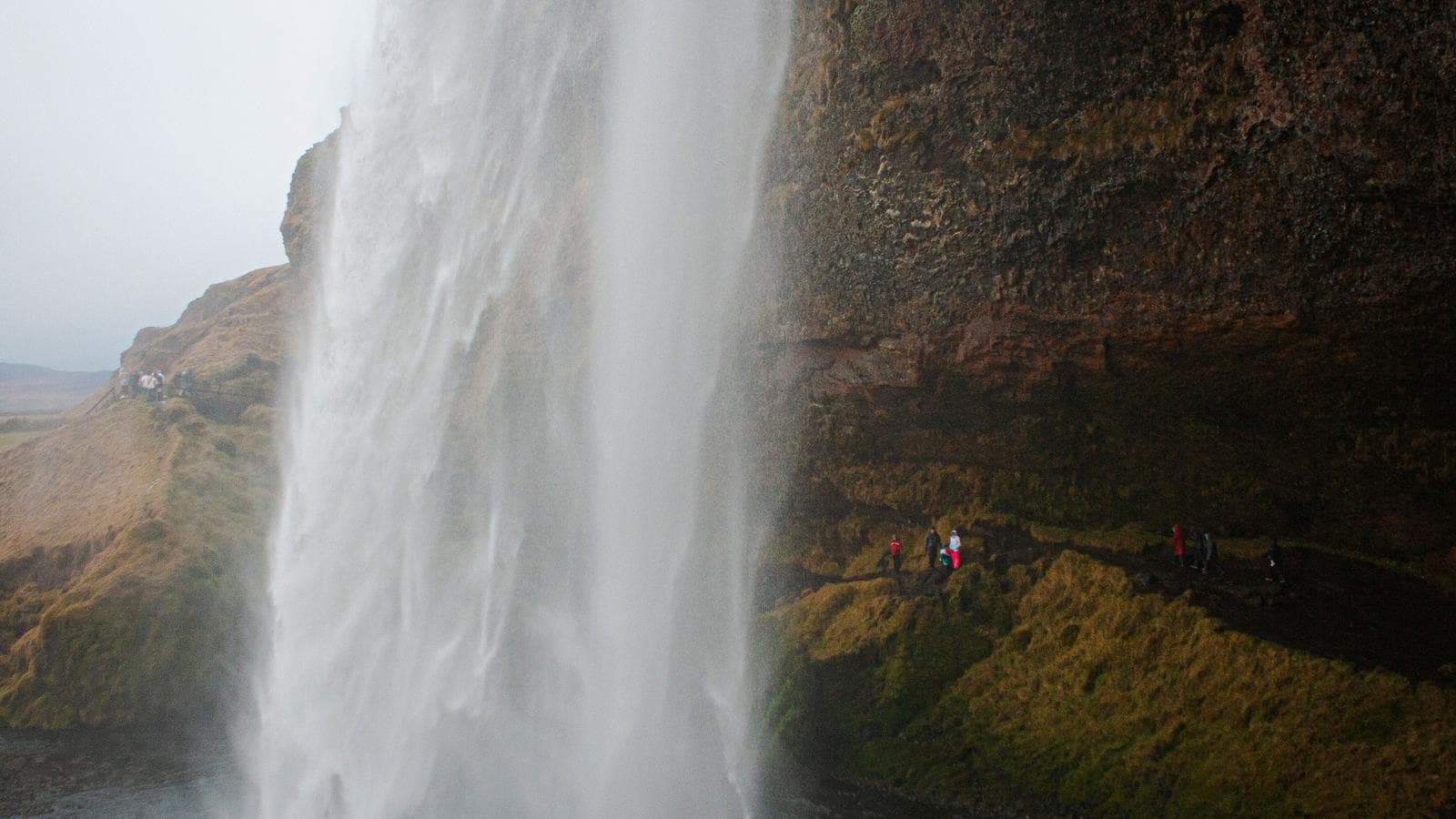
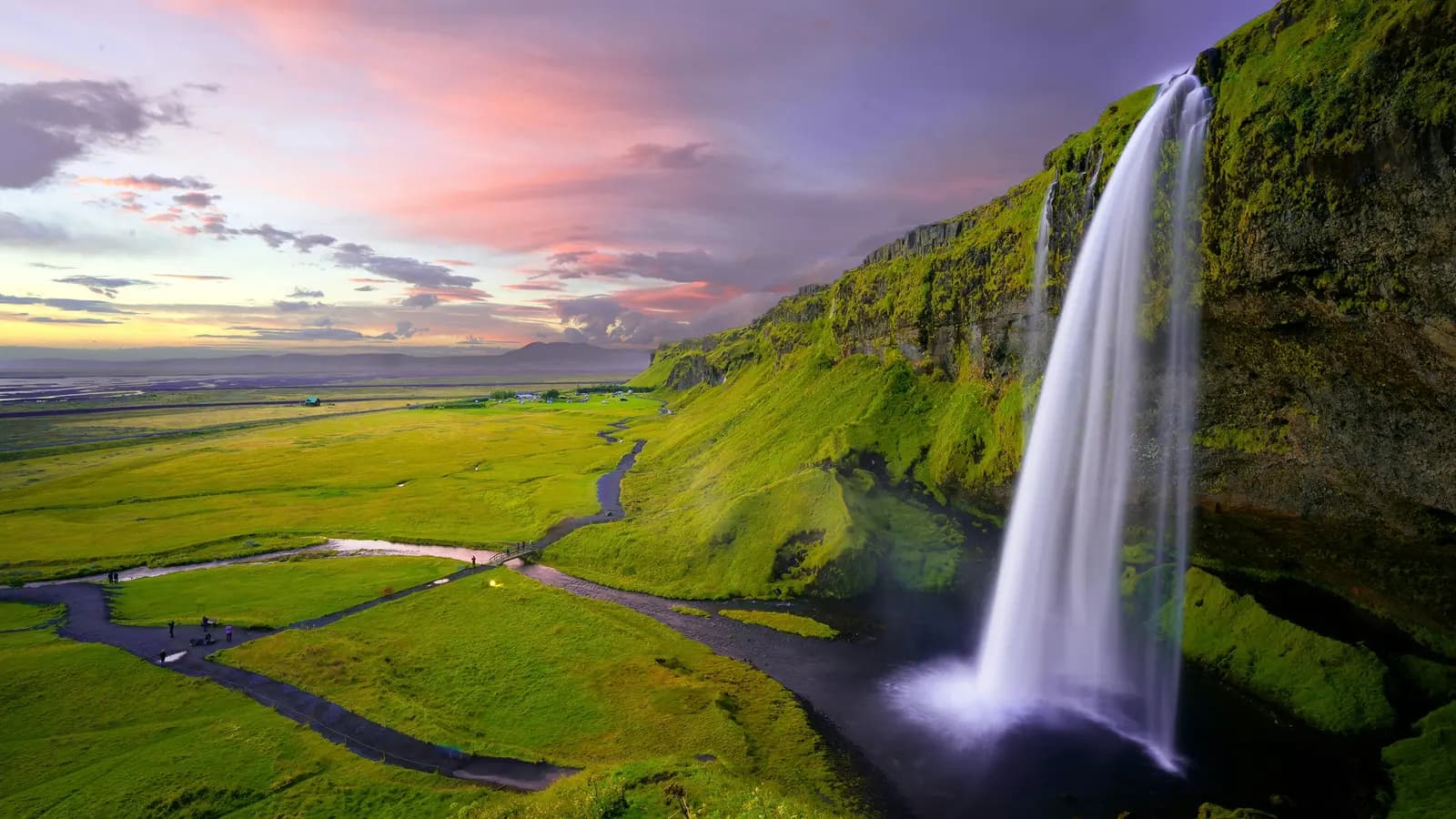
Waterfalls at full strength from the snowmelt, long evenings, and the summer crowds not yet arrived.
Travelling in Iceland
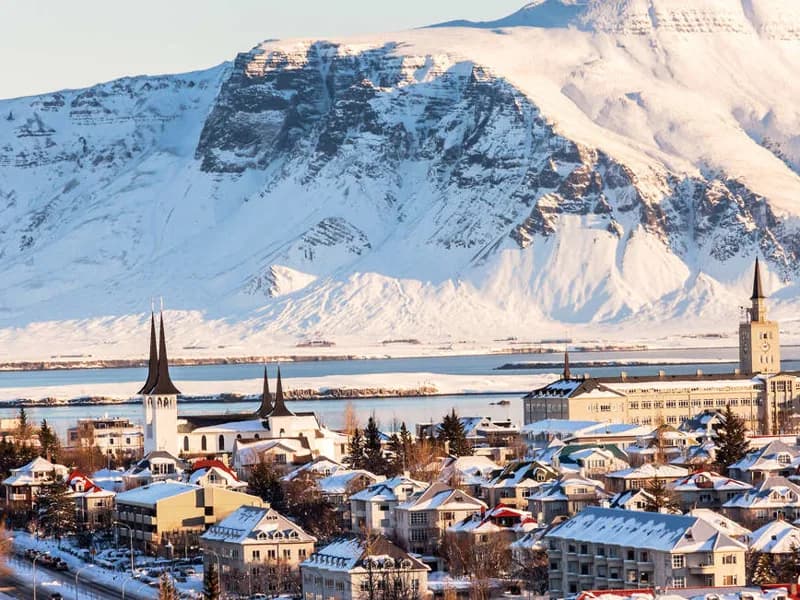
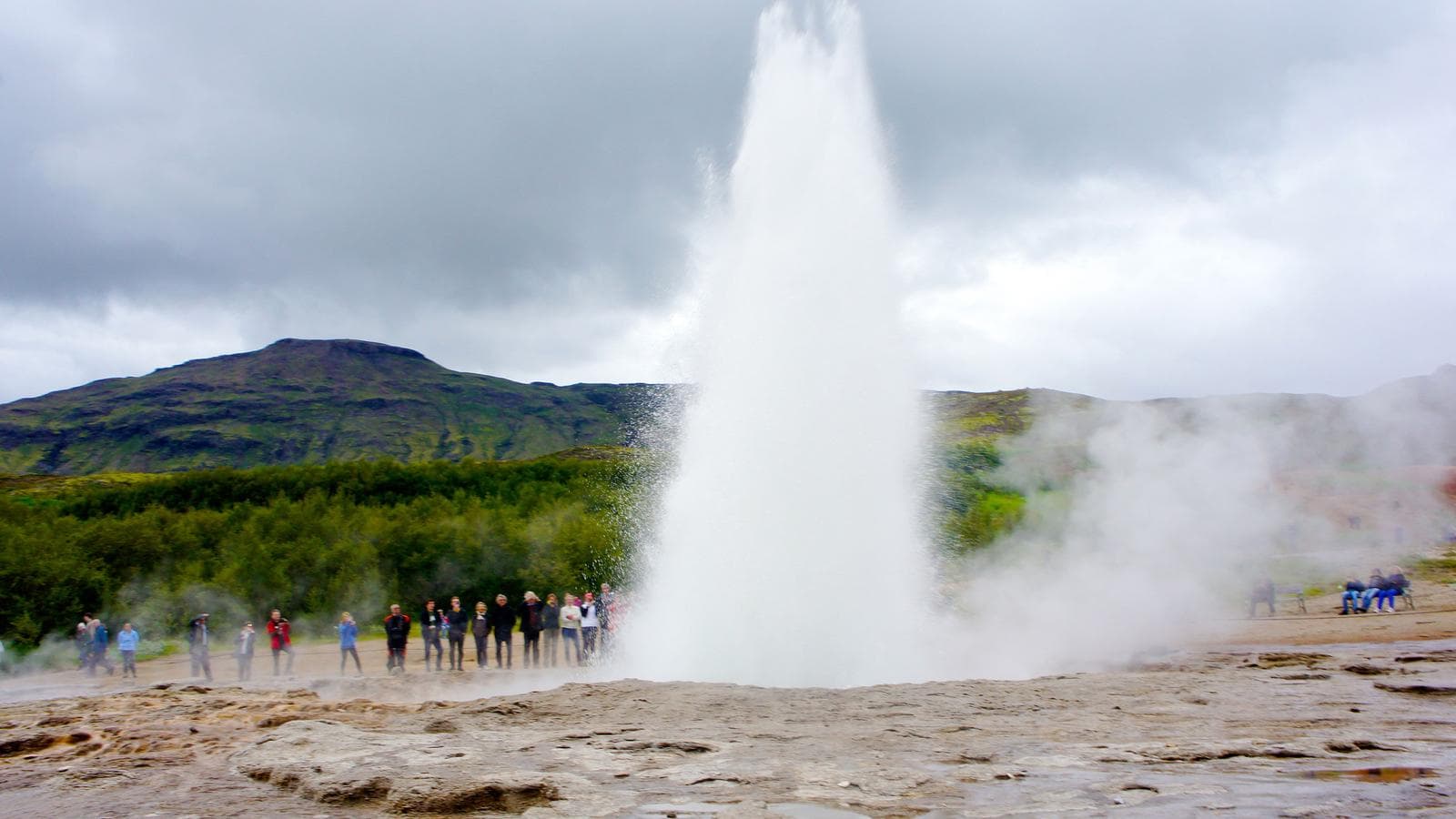
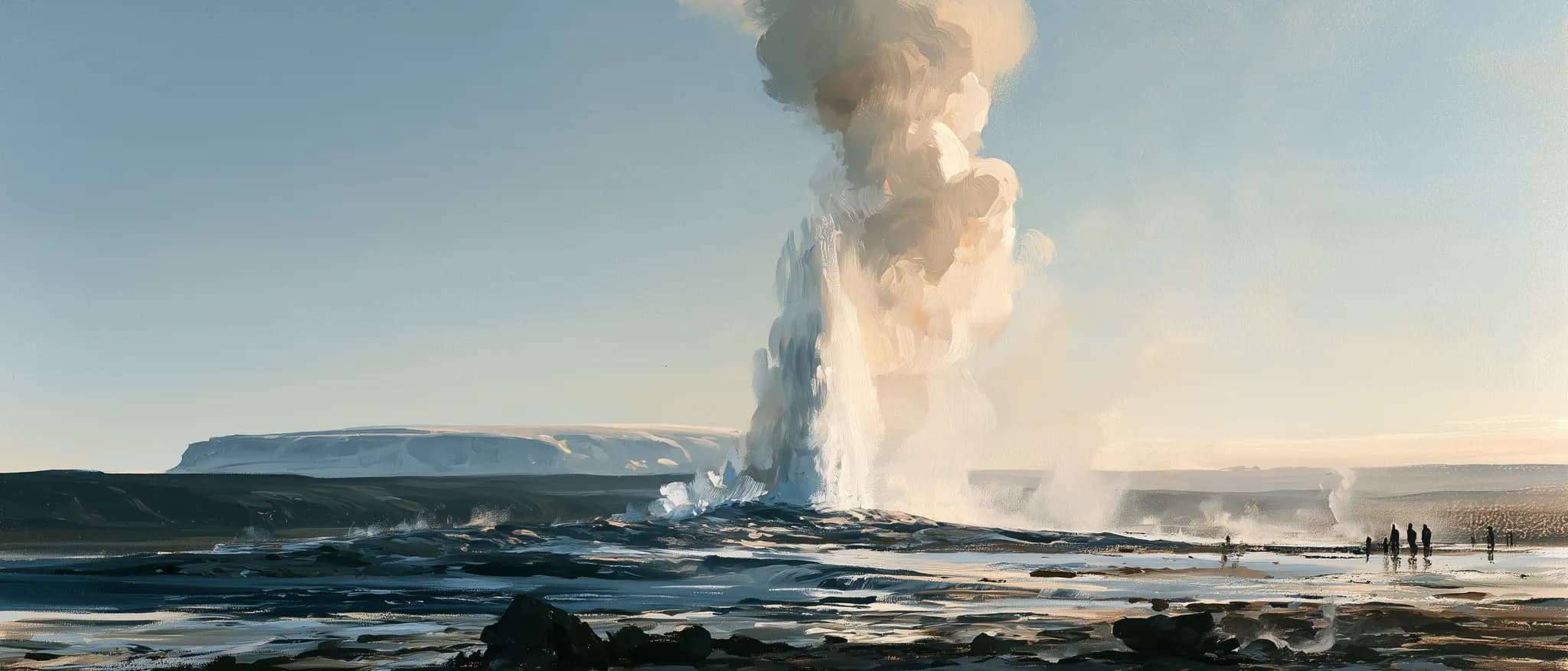
Iceland sits directly on the Mid-Atlantic Ridge, the boundary where two tectonic plates are pulling apart a few centimetres further every year, and almost everything distinctive about the country follows from that one geological fact: the volcanoes, the geysers, the hot springs, and a landscape that looks, in places, genuinely unfinished. It is a small country by population, a little over a third of a million people, spread across an island roughly the size of England, and most of that population lives in or around Reykjavík, leaving the rest of the country remarkably empty.
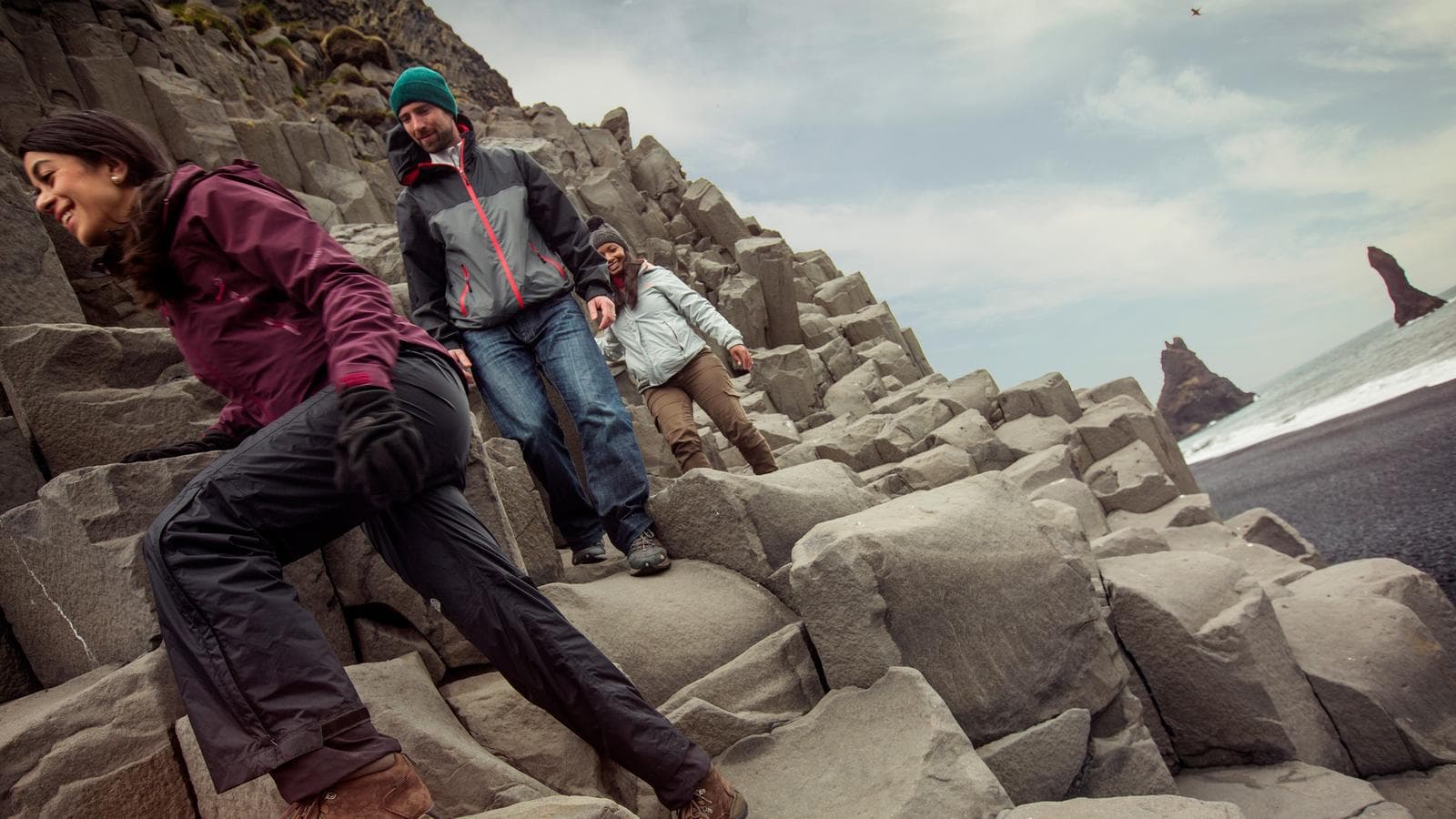
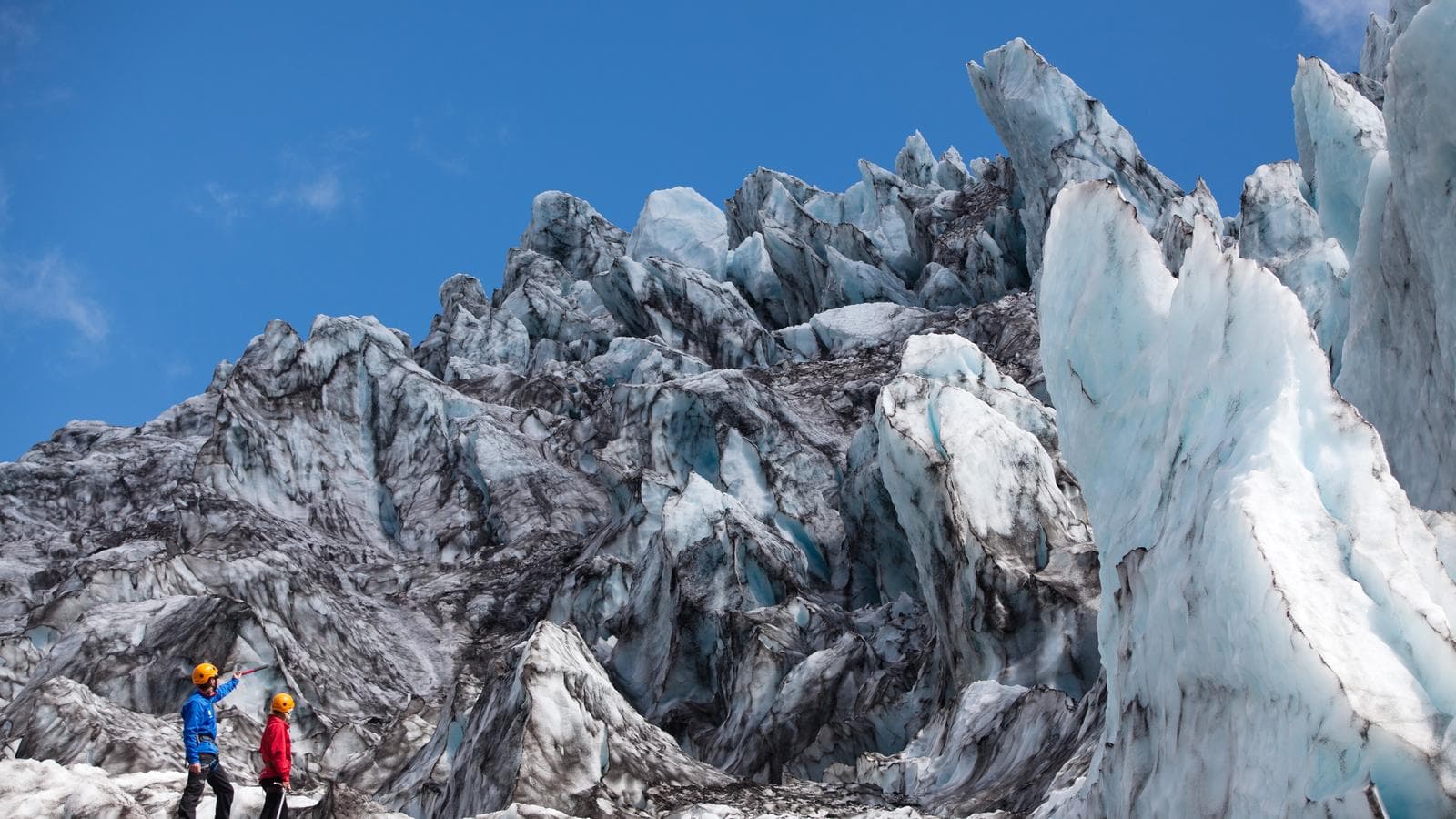
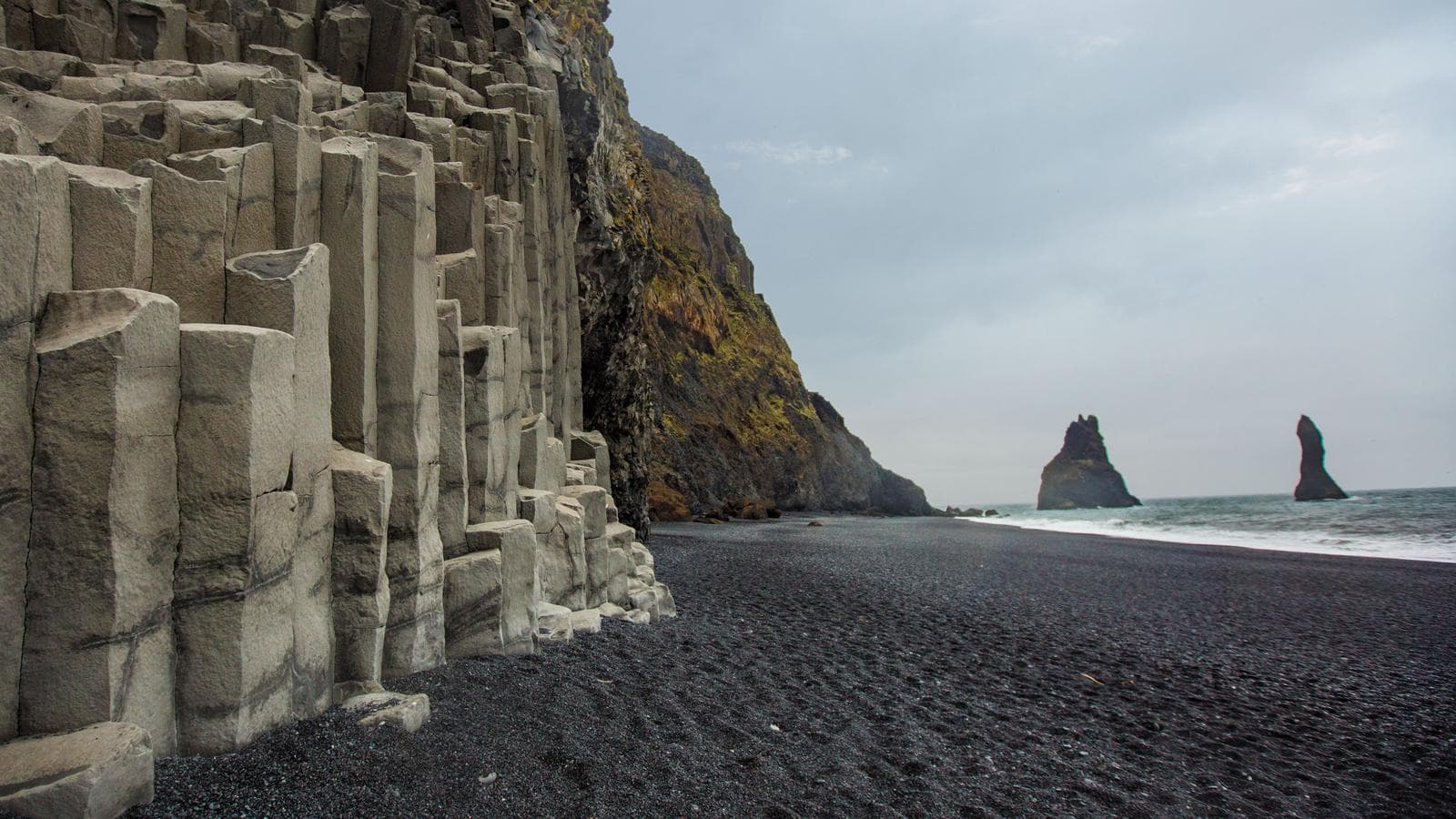
The Ring Road, completed as a continuous route only in 1974, circles the island and remains the natural spine of most visits, linking waterfalls, glaciers, black sand beaches and small fishing towns that for much of Iceland's history related to the capital and each other mainly by sea. Inland, the geothermal fields, ice caps and lava deserts that occupy much of the interior are wilder again, and considerably less visited than the coastal route most holidays follow.
Weather here changes quickly and is worth respecting rather than fighting; a clear morning can turn to driving rain by afternoon at any time of year, and the reward for accepting that unpredictability is a landscape that owes most of its character to exactly the same restless forces.
Journeys
Reading about Iceland
Finding holidays