Seasons
Nowruz, the spring new year of the Silk Road
On 21 March, around the spring equinox, much of Central Asia celebrates the new year. In Uzbekistan, Nowruz means a national holiday, music in the squares, and a sweet wheat pudding stirred all night.
By Walter Pellow2 November 20263 min read
Long before the Silk Road had a name, the people of Persia and Central Asia marked the new year not in the dead of winter but at the moment spring begins: the vernal equinox, when day and night are of equal length and the year turns towards the light. They still do. Nowruz, which means "new day", is celebrated across a great sweep of the world, from Iran and Azerbaijan to Afghanistan, the Kurdish lands and the countries of Central Asia, and in Uzbekistan it is one of the great holidays of the year.
A festival older than the faiths
Nowruz is older than Islam and older than the borders of the modern countries that keep it. Its roots lie in the Zoroastrian calendar of ancient Persia, and it has survived every change of religion and regime since, including the Soviet decades in Central Asia; in Uzbekistan it became a full national holiday again only after independence in 1991. It is a festival of renewal: of spring, of new growth, of cleaning the house, settling debts and forgiving quarrels, and of visiting family.
In 2009 UNESCO inscribed Nowruz on its list of the Intangible Cultural Heritage of Humanity, as a festival shared by several countries, and the list was later extended to more of them. In 2010 the United Nations General Assembly recognised 21 March as the International Day of Nowruz.
Nowruz in Uzbekistan
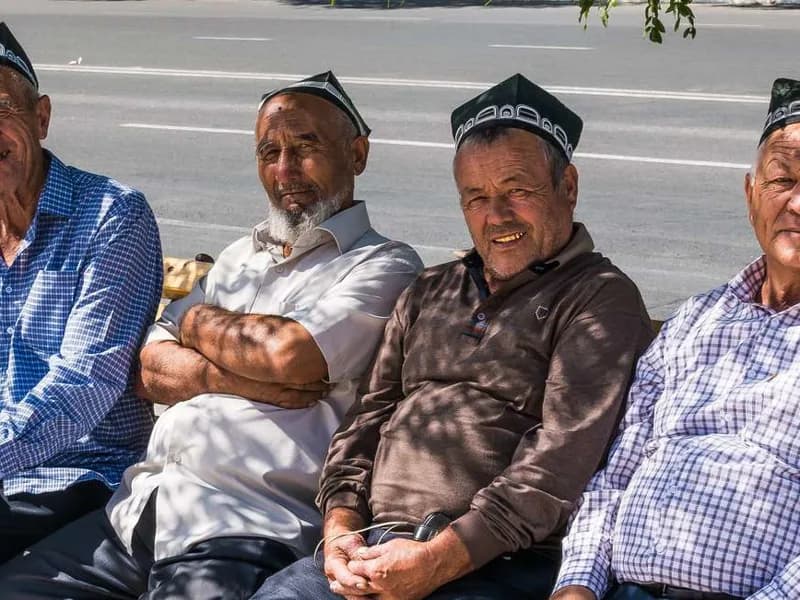
In Uzbekistan, 21 March is a public holiday, and the celebrations run for days around it. Towns and cities hold concerts and festivals in their squares and parks, with music, dancing, wrestling, horse games in the countryside, and stalls of food and crafts. People dress in their best clothes, and families gather for long meals.
The food of Nowruz is part of its meaning. The great dish is sumalak, a thick, sweet, brown pudding made from sprouted wheat, which is cooked slowly in a huge cauldron over a fire for many hours, often through the night, stirred in turns by the women of the neighbourhood, often with singing. It is a communal labour as much as a recipe, and the result is shared out among neighbours in the morning.
For a visitor, the holiday is easy to join. The concerts and fairs are public, the crowds are good-humoured, and a stranger who stops beside a cauldron of sumalak may well be handed a bowl. People greet each other with wishes for the new year, and it is good manners to return them. Expect some offices and shops to close on the day itself, and the main sights to be busy with families on holiday.
The Silk Road cities in spring
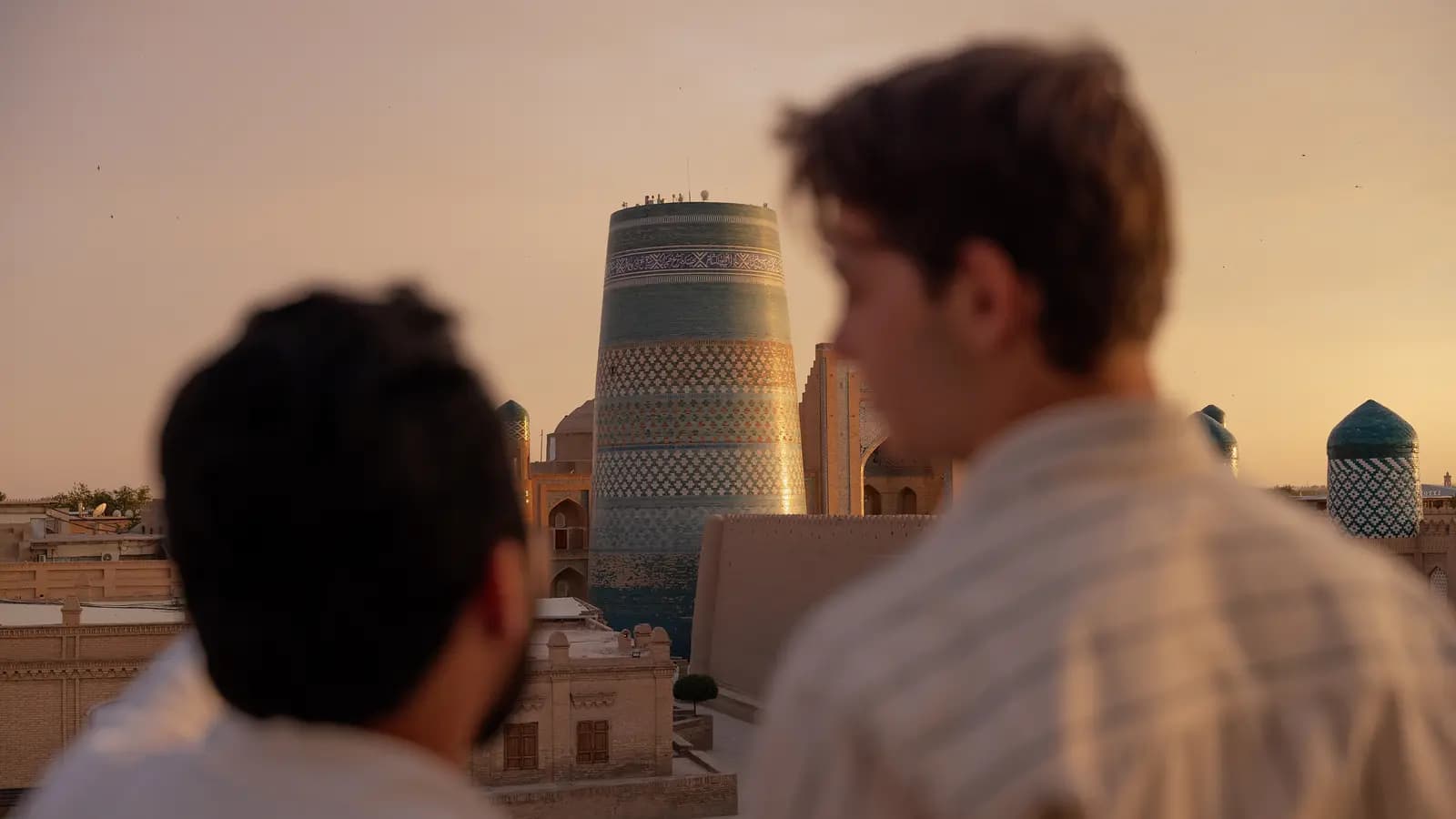
March is also a fine time to see Uzbekistan's great cities. The fierce heat of the Central Asian summer is months away, the trees are coming into leaf and blossom, and the blue-tiled domes of Samarkand, Bukhara and Khiva stand out against clear skies. Nights can still be cold, so bring a warm layer.
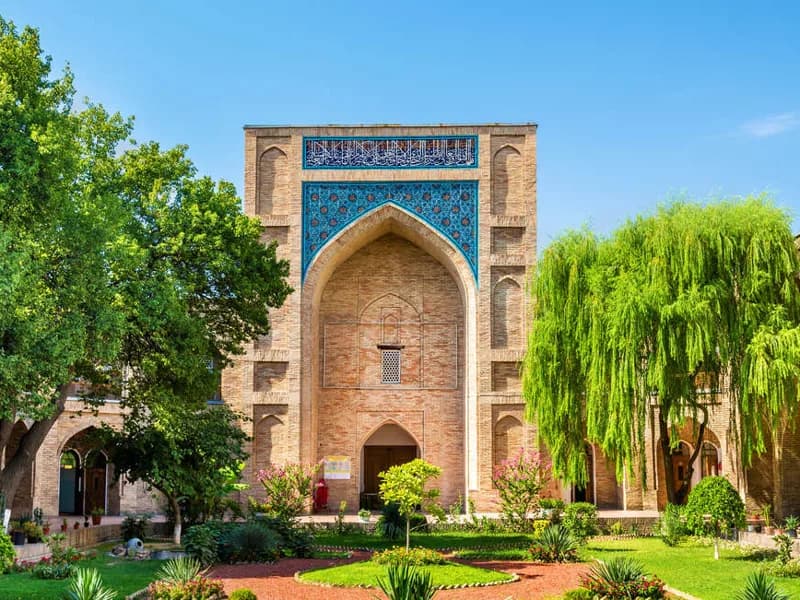
Samarkand, the capital of Timur, has the Registan, a square framed on three sides by vast tiled madrasas, and the turquoise domes of the Shah-i-Zinda necropolis. Bukhara is a city of mosques, madrasas, trading domes and old pools, and Khiva, far to the west, keeps a whole walled inner town, the Itchan Kala, almost intact. To see them in Nowruz week, with families in their finery and music in the squares, is to see them as living cities, not only monuments.
Tours in March
Explore's nine-night Upgraded - Treasures of Uzbekistan departs from March to October. It goes from Tashkent to Nukus and Khiva, then Bukhara and Samarkand.
G Adventures' eleven-night Solo-ish Uzbekistan also has March departures, with Tashkent, Nukus, Khiva, Bukhara and Samarkand in its list.
Explore's ten-night The Silk Road of Uzbekistan departs from March to November, and goes from Tashkent to Urgench and Khiva, Bukhara, the pottery town of Gijduvan, Nurata and Hayat Village, before ending in Samarkand.
None of these is built around Nowruz, so check whether a March departure will be in Uzbekistan on 21 March, and where. In a city, the holiday means concerts and crowds; in a village, perhaps an invitation to stir the sumalak. Either way, it is a good week to arrive somewhere at the moment the year begins again.
By Walter Pellow, the name Atlas & Passage’s editorial team writes under. Prices and dates in the trips below come from the operators and can change.