Ireland
Ireland
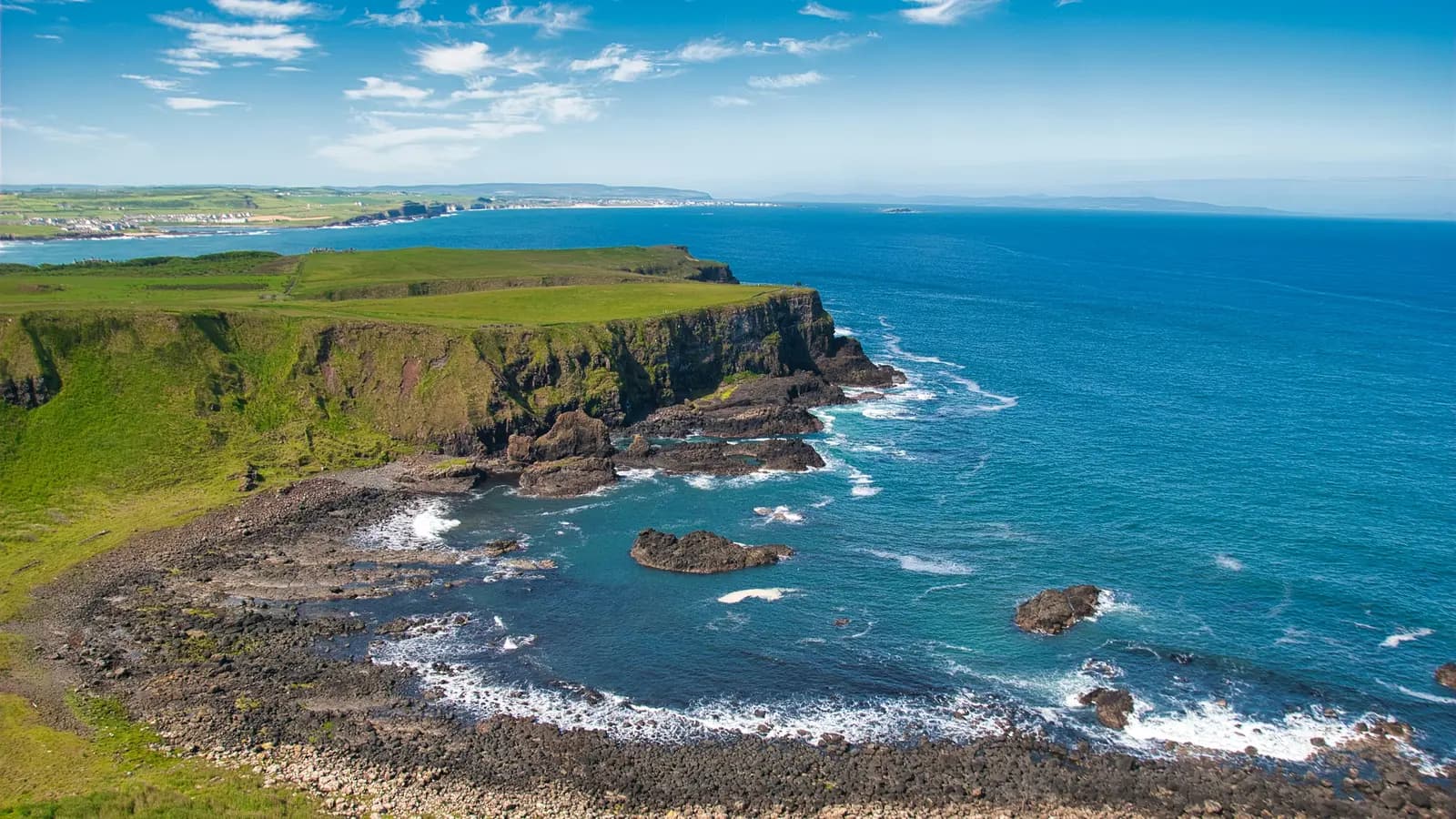
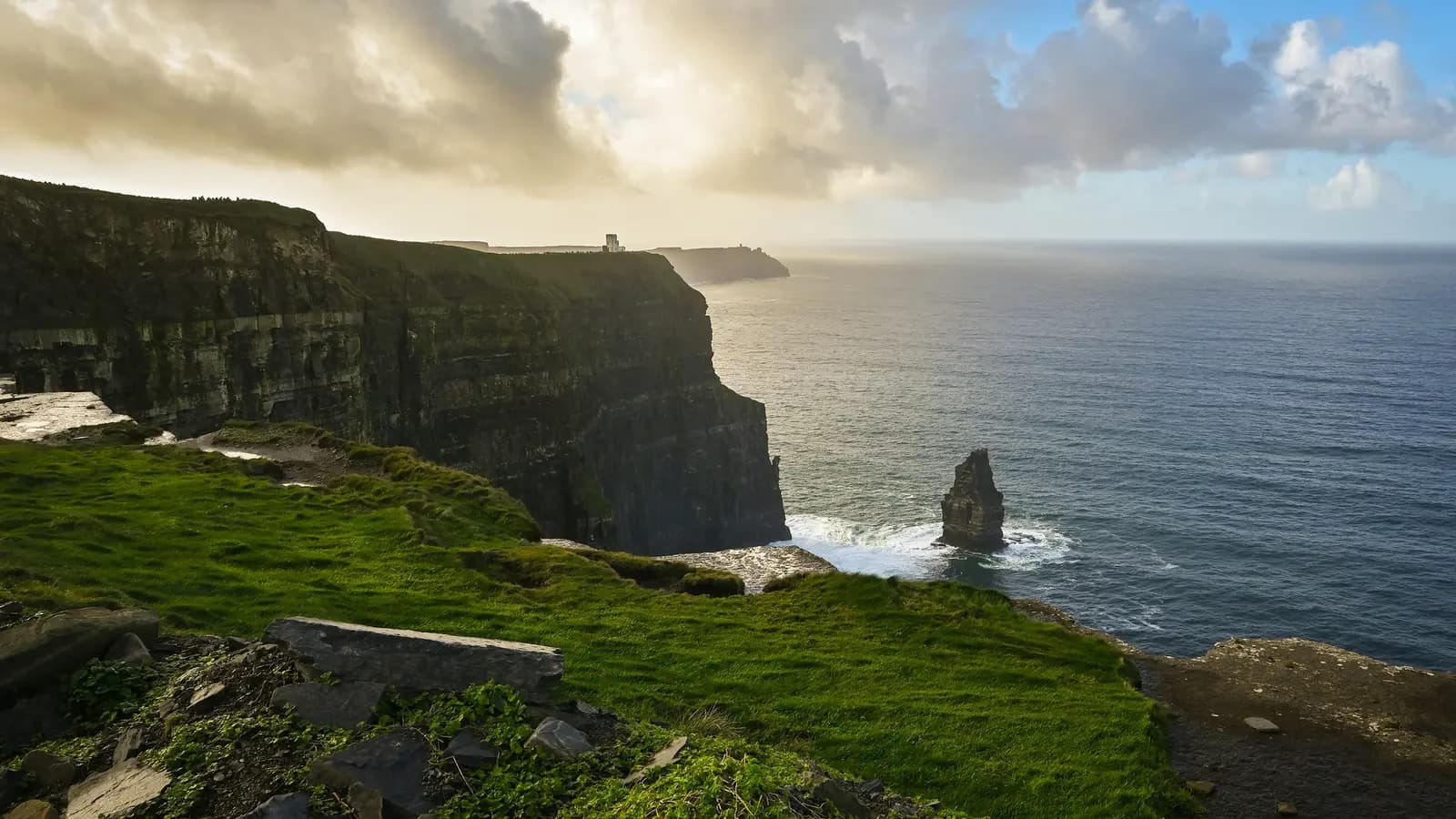
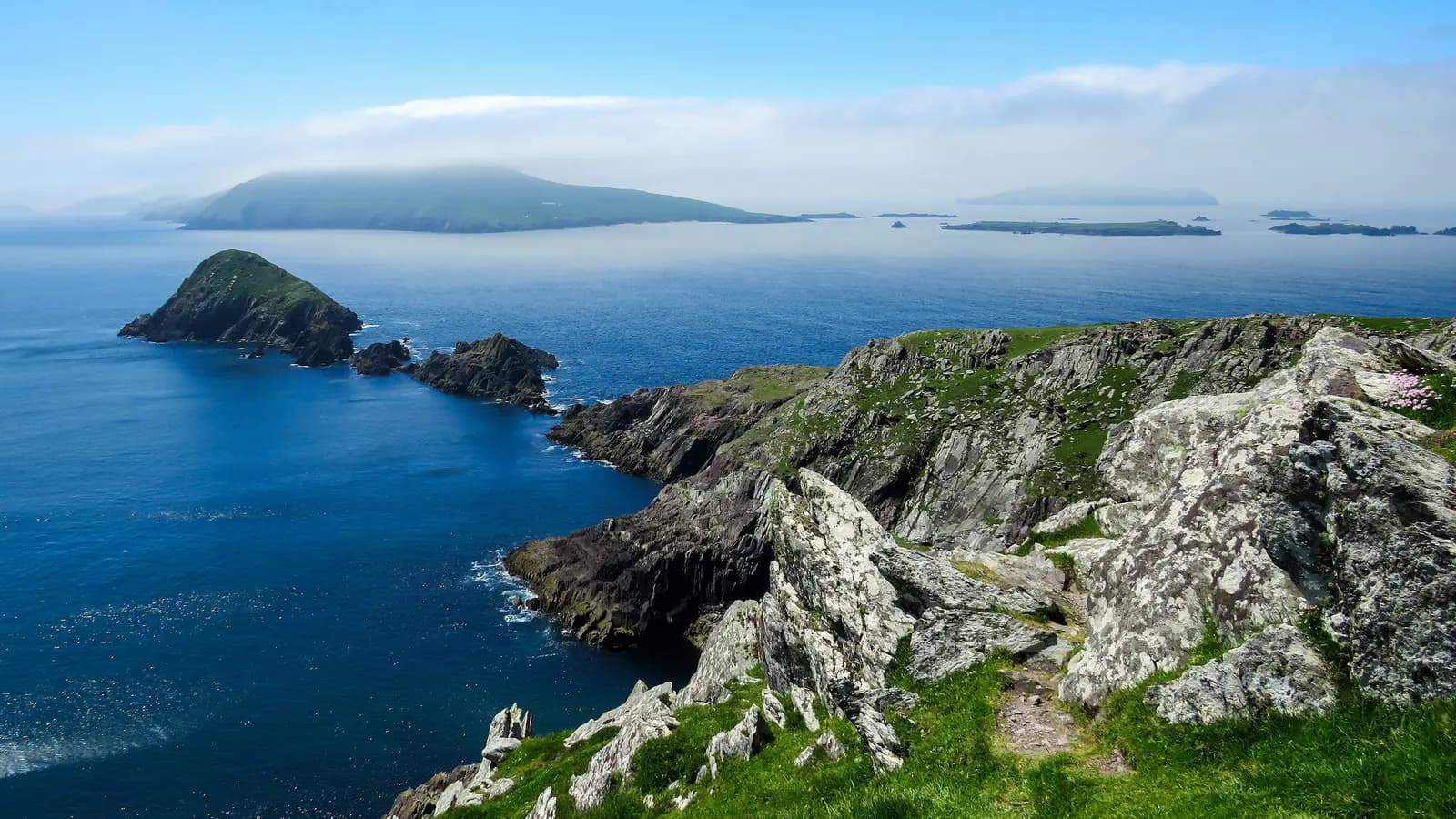
An island that keeps most of its drama along the edges: an Atlantic coast of cliffs, fishing harbours and Gaelic-speaking parishes to the west, and a gentler, greener interior that the sea rarely troubles.
25 holidays go to Ireland
from £729 per person
Ireland
When to go
May
Often the sunniest month on the west coast, with wildflowers on the cliffs and the crowds not yet arrived.
Travelling in Ireland
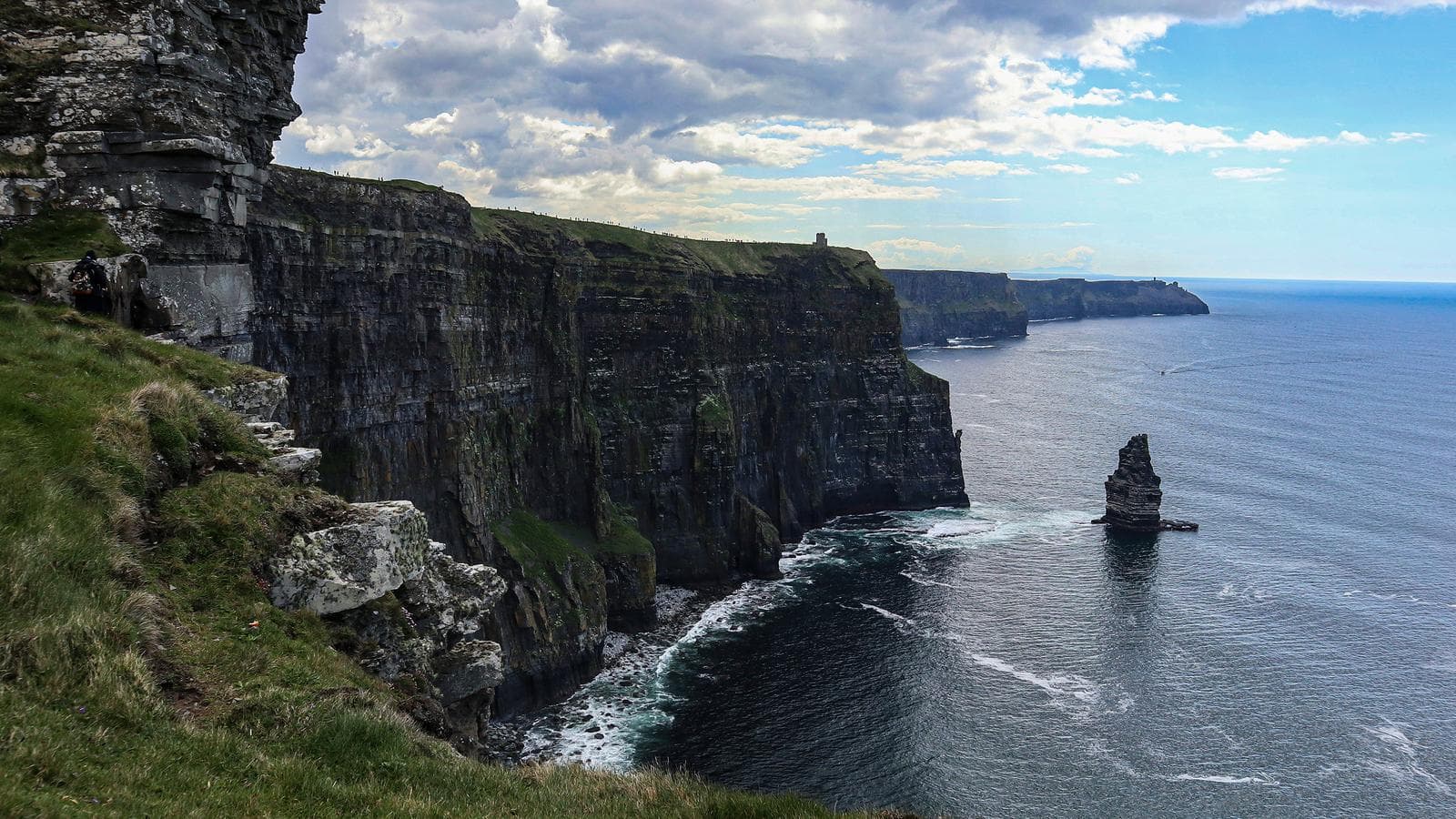
Ireland faces the Atlantic more directly than almost anywhere else in Europe, and its west coast has been shaped by that fact for as long as people have lived on it: cliffs at Moher and, higher still, at Slieve League in Donegal; fishing harbours built to survive weather that can turn without much warning; and a scatter of Gaeltacht parishes where Irish has never stopped being the language of the shop and the chapel rather than a museum piece. The east coast, sheltered by the width of the island itself, is calmer in every sense, home to Dublin's Georgian squares and its long literary reputation, and to the ferry town of Dún Laoghaire just along the coast from it.
Cork, on the south coast, gave the country Cobh, the port from which more Irish emigrants left for America than from anywhere else, a history the town remembers plainly rather than sentimentally. Galway, further west, grew rich as a merchant city trading with Spain and now trades chiefly on music, oysters and its position at the gateway to Connemara, one of the country's largest Irish-speaking regions.
Most cruise itineraries that include Ireland call along this western and southern arc, from Cobh and Cork in the south to Killybegs and Galway in the west, usually as part of a longer round-Ireland or round-Britain route rather than a single-country sailing. May, June and September tend to give the steadiest weather for it, though anyone who has spent much time on this coast will tell you that a forecast here is a suggestion rather than a promise.
Journeys
Reading about Ireland
Finding holidays