South America
Peru
A narrow strip of desert coast, an Andean spine running the length of the country, and the Amazon basin beyond it: Peru holds three climates side by side, and the dry season in one is rarely the dry season in another.
59 holidays go to Peru
from £405.30 per person
Peru
When to go
May
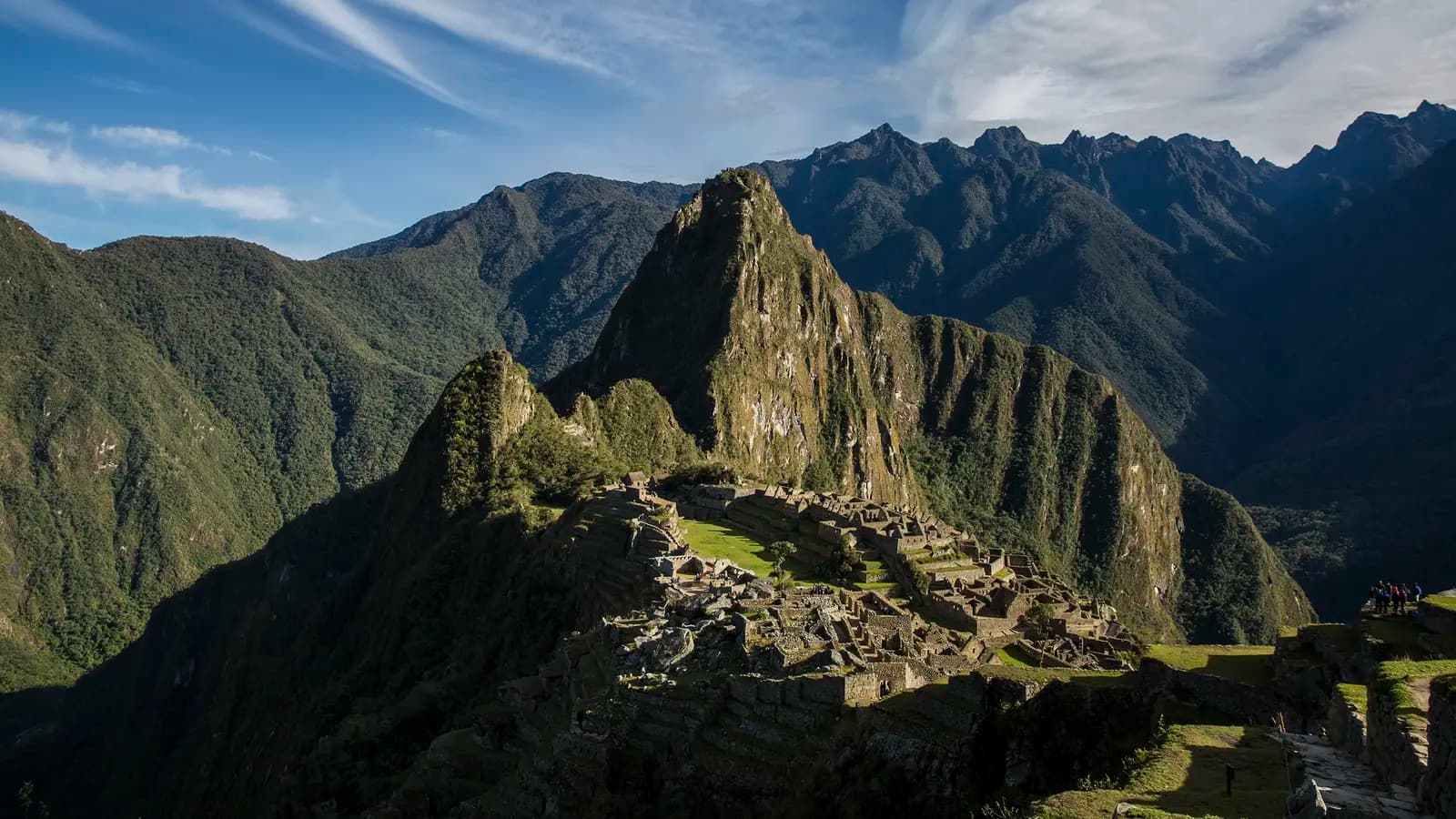
The Andean dry season begins in earnest: clear skies over Machu Picchu and the Sacred Valley, and comfortable trekking conditions.
Travelling in Peru
Most escorted tours through Peru follow the Andean spine: Lima on the coast, then Cusco, the Sacred Valley and Machu Picchu, before continuing south to Lake Titicaca on the Bolivian border. It is a sensible route, since it links the country's Inca heartland along a single, manageable line of travel, but it also means most visitors experience only one of Peru's three quite different climates.
The coast, arid for its entire length thanks to the cold Humboldt Current offshore, rarely sees rain at all; Lima itself is famous for a persistent grey overcast, known locally as garúa, that settles over the city for much of the southern hemisphere winter without ever quite producing a proper shower. The Andes run on an entirely different rhythm, a genuine wet season from roughly November to March and a dry season the rest of the year, with the dry months bringing the clear skies and reliable trekking conditions that make June to August the busiest time to visit Machu Picchu and the Inca Trail. Further east, the Amazon lowlands stay warm and humid year-round, with a somewhat drier and somewhat wetter half of the year rather than a sharp seasonal switch.
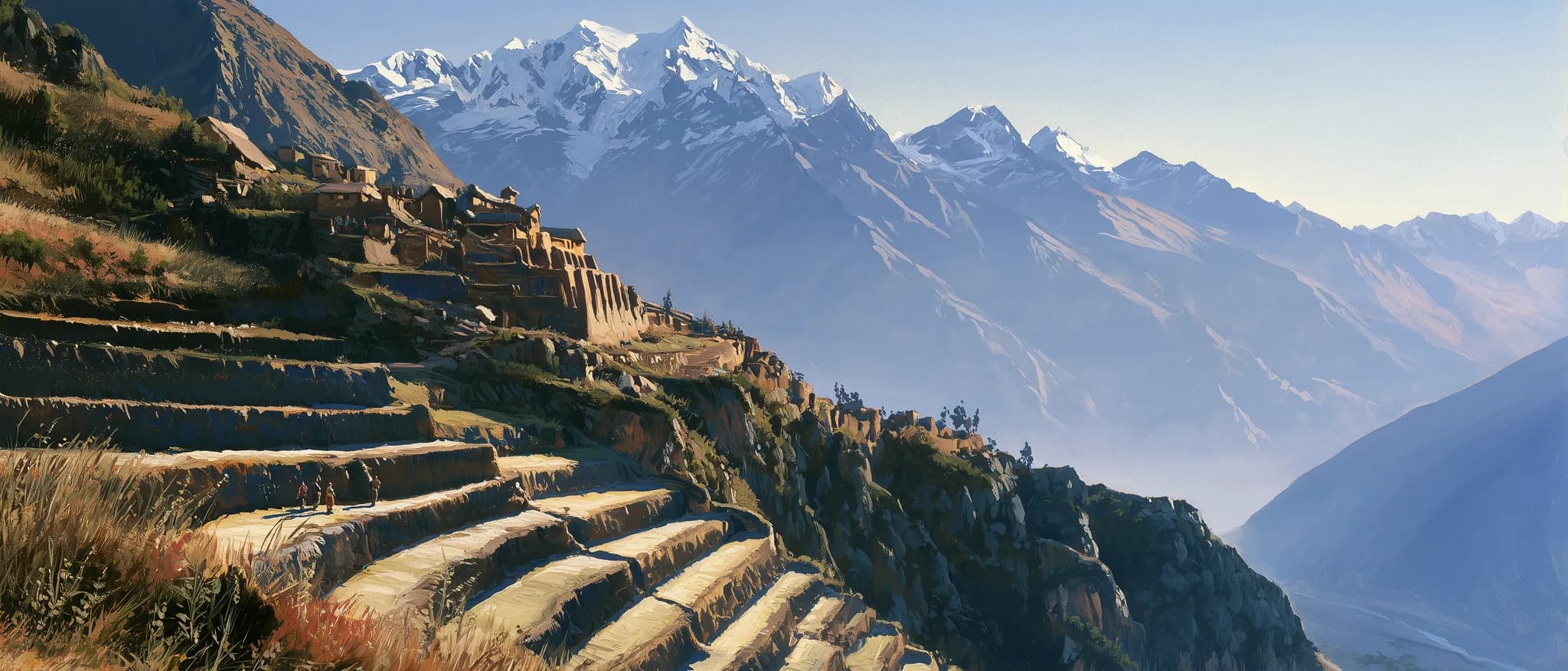
Altitude complicates the picture further. Cusco sits above 3,400 metres and Lake Titicaca higher still, cold enough overnight, in any season, to catch out travellers who arrive expecting South American warmth throughout. Acclimatising for a day or two before serious trekking or sightseeing is a sensible precaution rather than an overcautious one, whatever month the trip falls in.
Journeys
Reading about Peru
Finding holidays