Journeys
Flores and Wae Rebo, the village of cone-shaped houses
High in the mountains of western Flores, a village of tall, cone-shaped thatched houses sits in a clearing reached only on foot. It is one of the most remarkable places in Indonesia, and it sits within reach of the dragons of Komodo.
By Walter Pellow20 October 20264 min read
Flores is a long, mountainous island in the chain of Indonesian islands that runs east from Bali towards Timor. For most visitors, it is known for one thing: it is the gateway to Komodo National Park, home of the Komodo dragon. Most arrive at the small port of Labuan Bajo, on the western tip of the island, take a boat out to the dragons and the islands, and fly away again. They miss the rest of Flores, a rugged, green island of volcanoes, rice terraces and villages. Its people, largely Catholic since Portuguese missionaries arrived centuries ago, have kept many of their own traditions.
Wae Rebo
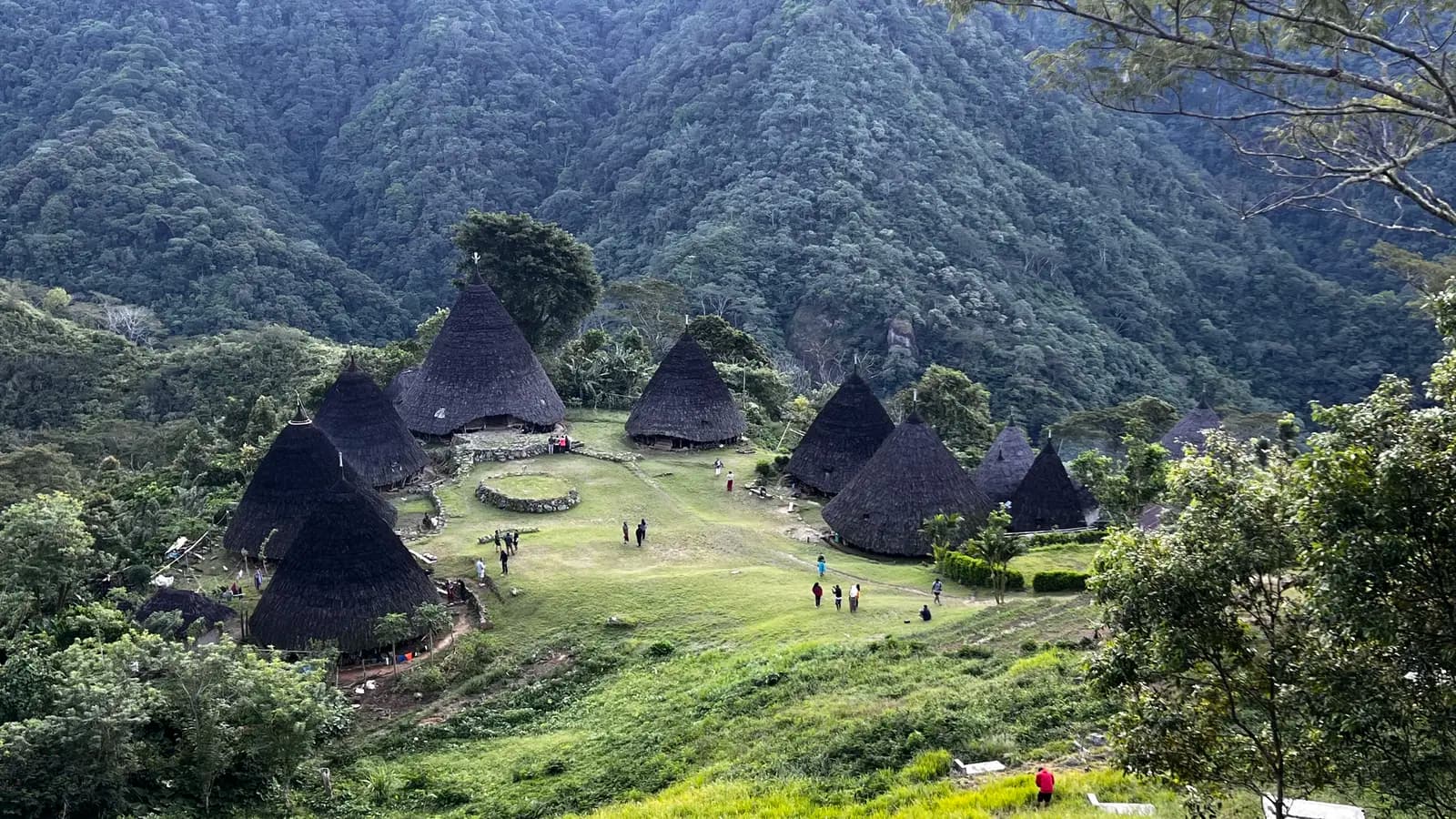
In the mountains of the Manggarai region, inland from Labuan Bajo, the village of Wae Rebo stands in a high valley at about eleven hundred metres, ringed by forested peaks. There is no road. The only way in is on foot, a walk of a few hours up a forest path from the nearest village, Denge, climbing through jungle, coffee gardens and bamboo groves.
When you come out of the forest at the top, the reason for the walk is laid out below. Seven tall houses stand in a circle around a stone altar on a grassy clearing. These are mbaru niang, the traditional houses of the Manggarai, shaped like tall cones and thatched from the ground to the peak with palm fibre. Each is several storeys high inside. The ground floor is the living space for several families, and the upper levels are used to store food, seeds and offerings to the ancestors.
The houses had fallen into disrepair, and by the early 2000s only a few were still standing. With help from Indonesian architects and a foundation, the villagers rebuilt them using traditional methods, a project recognised with a UNESCO heritage conservation award in 2012. Today the village welcomes visitors, who are received with a short ceremony asking the ancestors to accept them as guests. Many stay the night in one of the houses, sleeping on mats on the floor, waking to the mist in the valley and the sound of the village coming to life.
Manggarai country
The Manggarai region around Ruteng is also known for its lingko, rice fields laid out in a radial pattern like a spider's web, each segment belonging to a different family and divided according to custom. Seen from the hills above, they are an extraordinary sight. Villages such as Tado, near the coast, receive visitors through community tourism projects, a way to see daily life in Flores and to spend money that stays in the community.
Wae Rebo's coffee is part of its life too. The villagers grow and roast their own, and visitors are usually offered a cup of strong, sweet coffee on arrival. Weaving is another village craft, with the women making the distinctive Manggarai songke cloth, a black textile woven with fine coloured patterns, worn on ceremonial occasions and sold to visitors.
Komodo and the islands
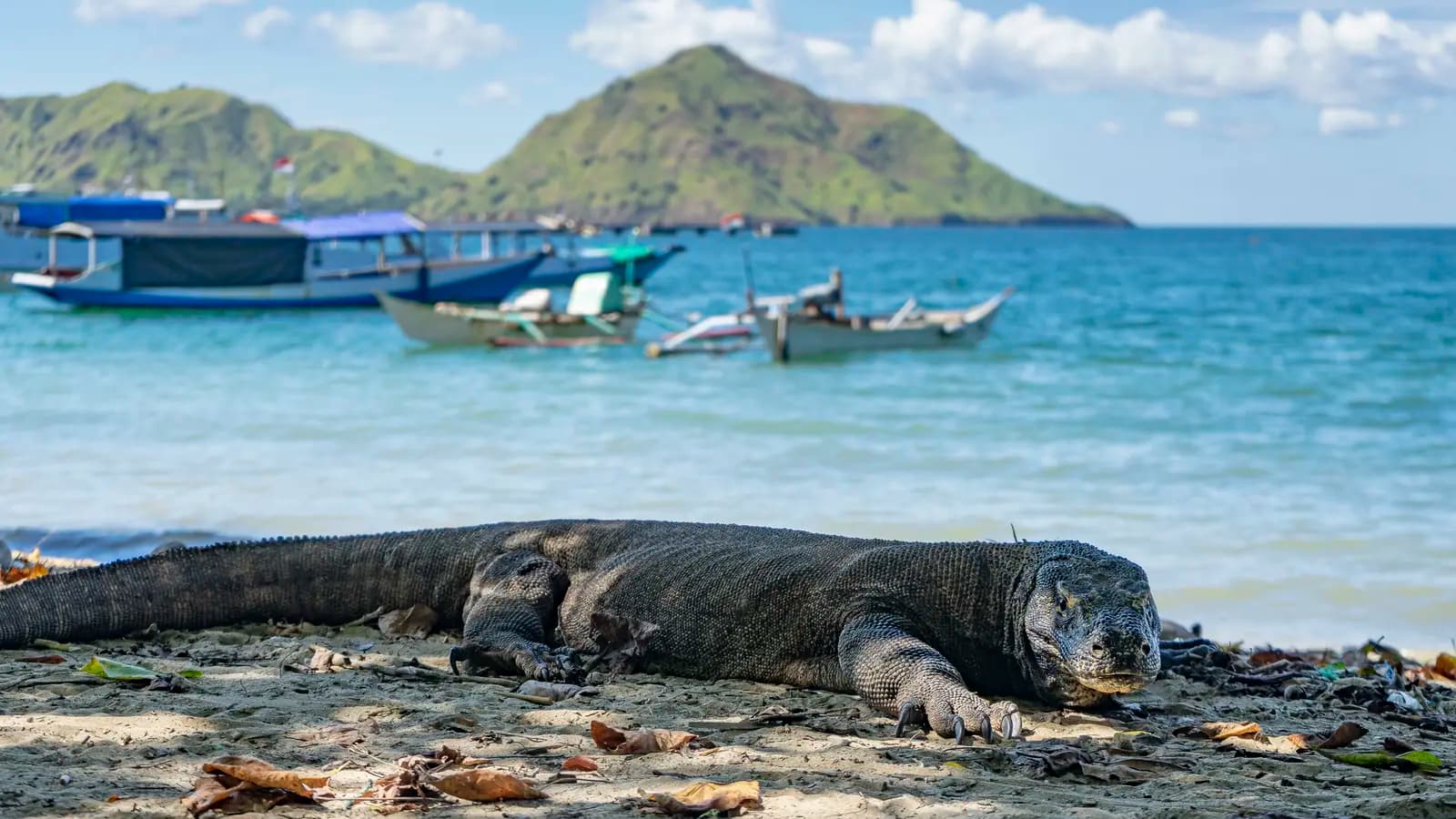
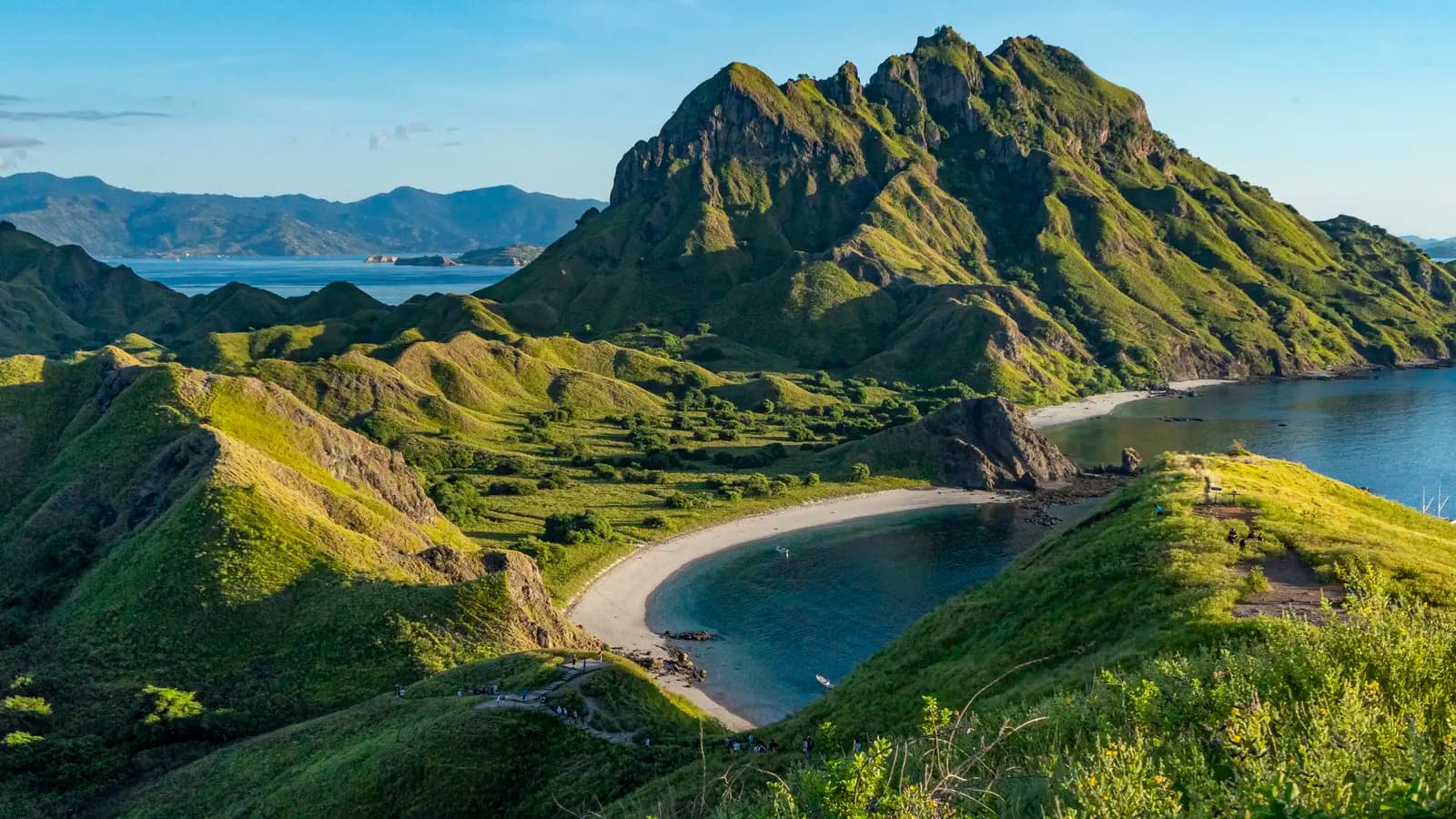
Komodo National Park, a World Heritage Site, protects a group of rugged, dry islands off the western tip of Flores. It is the home of the Komodo dragon, the largest living lizard in the world, which can grow to around three metres long. Dragons are usually seen on guided walks with rangers on Komodo or Rinca islands. The park's waters are rich in marine life, with coral reefs, manta rays and turtles, and the views from the hilltops over the islands and bays are spectacular.
G Adventures' Flores Frontier: Jungles, Villages and Komodo Quests, seven nights from May to August, includes Labuan Bajo, Tado, Wae Rebo village and Komodo National Park.
G Adventures' Ubud to Flores: Komodo Dragons, Beaches and Tribal Treks, nine nights, combines Ubud on Bali with Wae Rebo, Tado, Labuan Bajo and Komodo National Park. G Adventures' Bali to Flores: Trails, Tribal Villages and Dragon Lagoons, sixteen nights, adds Lombok's weaving villages and Gili Trawangan to Wae Rebo, Denge, Tado, Labuan Bajo and Komodo.
The dry season, from about May to September, is the time to go. The path to Wae Rebo is steep and can be muddy, so good shoes and a reasonable level of fitness are needed.
By Walter Pellow, the name Atlas & Passage’s editorial team writes under. Prices and dates in the trips below come from the operators and can change.