Walking
Lombok and Rinjani, Bali's quieter neighbour
Across a narrow strait from Bali, Lombok has its own great volcano, rice terraces and weaving villages, and a fraction of the visitors. Its slopes make some of the best walking in Indonesia.
By Walter Pellow20 October 20264 min read
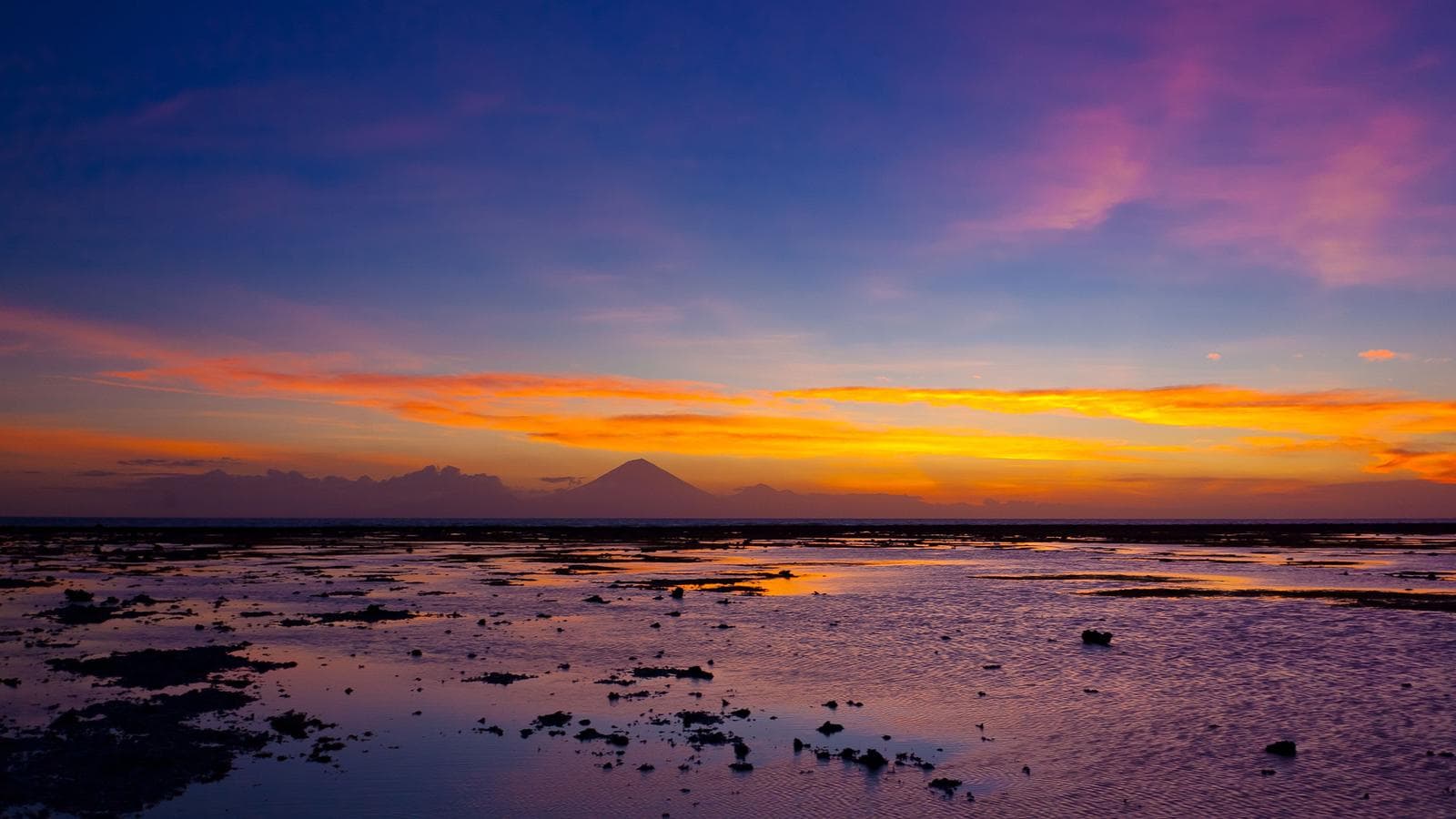
From the east coast of Bali, on a clear day, you can see the next island across the strait: Lombok, dominated by the great volcano of Rinjani. The two islands are close in distance and in landscape, but they are quite different in character. Bali is mostly Hindu, crowded with temples and, in its south, with visitors. Lombok's main people, the Sasak, are mostly Muslim, and the island is sometimes called the island of a thousand mosques. Its tourist industry is far smaller, concentrated on the Gili Islands and a few beaches, and much of the island still lives by farming, fishing and weaving.
The strait between the islands also marks a natural boundary. The deep channel between Bali and Lombok lies on the Wallace Line, the line identified by the Victorian naturalist Alfred Russel Wallace, where the wildlife of Asia begins to give way to that of Australasia.
Rinjani
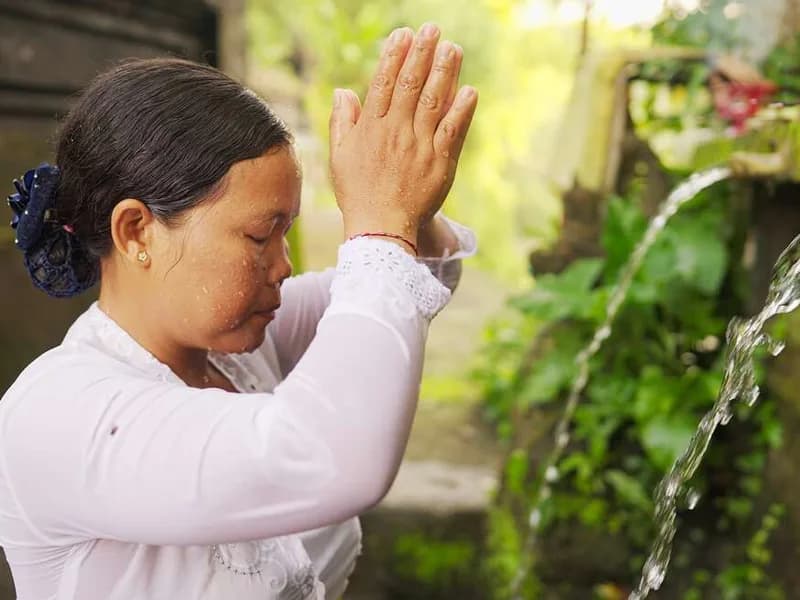
Mount Rinjani rises to more than three thousand seven hundred metres, the second-highest volcano in Indonesia. Its summit rim encloses a huge caldera holding a crescent-shaped crater lake, Segara Anak, whose name means "child of the sea". In the lake rises a newer volcanic cone, which has erupted several times in recent decades. Hot springs flow from the caldera walls, and Sasak and Balinese pilgrims come to the lake to make offerings. The mountain and the surrounding area are a national park and a UNESCO Global Geopark.
Climbing to the rim, the lake or the summit is a serious trek of two to four days, with steep, loose ground near the top and cold nights at altitude. It is usually started from the villages of Senaru on the northern slopes or Sembalun in the east. The park is closed to climbers during the wettest months, typically at the start of the year.
Not everyone needs to climb to the top to appreciate it. The lower slopes, around Senaru and Sembalun, offer walks through forest, coffee and vegetable gardens, and past waterfalls. Senaru has two fine falls, reached by a walk through the forest.
The Sasak have their own traditions of architecture, music and ceremony. In some villages traditional houses still stand, with high thatched roofs and floors made of packed earth. These were traditionally polished with a mixture that included buffalo dung, which kept the floors hard and the insects away. Weddings and other ceremonies are accompanied by processions with drums and gongs, and, in some parts of the island, by peresean, a ritual stick-fighting contest with rattan staves and leather shields, performed as a test of courage.
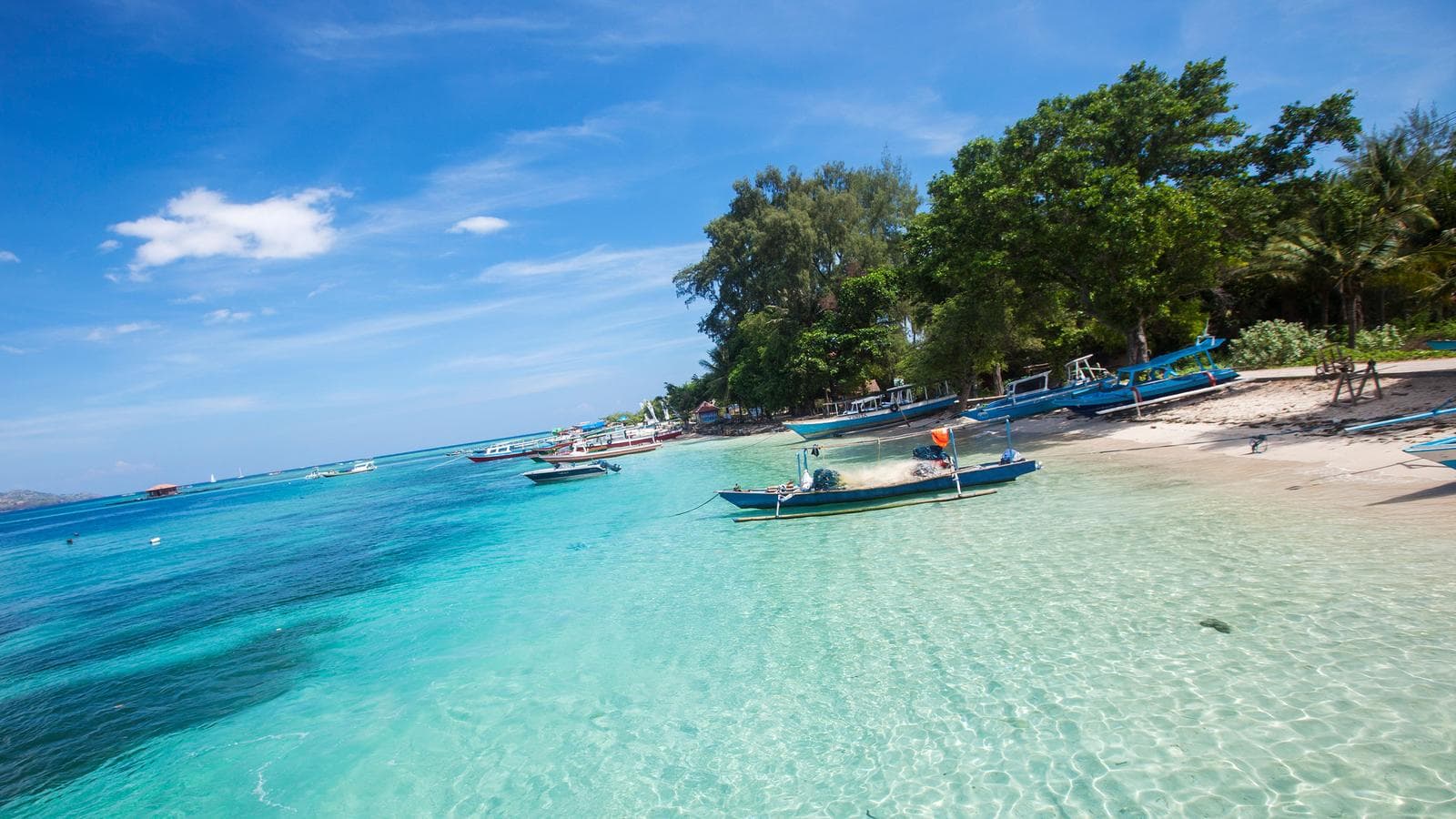
On Lombok's south coast, around the bay of Kuta, the beaches are long, white and much quieter than Bali's. They are backed by green hills, and popular with surfers. Some of the best breaks are reached by local fishing boat.
Villages and rice terraces
Lombok's villages are a large part of its appeal. In the weaving villages, such as Pringgasela, women weave intricate textiles on backstrap looms in the shade of their houses, a tradition handed down through generations. Tetebatu, on the southern slopes of Rinjani, is a village of rice terraces, tobacco fields and forest, a good base for gentle walks. The Sembalun valley, high on the eastern side of the mountain, is a cool, green farming valley ringed by peaks.
Walking tours on Bali and Lombok
Explore Worldwide's Walking in Bali and Lombok, nine nights in the dry season, includes the villages and highlands of Bali: Belimbing, Tabanan, Munduk, Bedugul, Kintamani and Sidemen. On Lombok its places include Bangsal, Senggigi, Sembalun and Tetebatu.
G Adventures' Indonesia: Candidasa, Mt Rinjani and the Gilis, eight nights, combines Candidasa on Bali's east coast with the foothills of Rinjani, Senaru, the weaving village of Pringgasela, Bonjeruk, the Gili Islands and Kuta on Lombok's south coast. G Adventures' Indonesia: Bali to Lombok, fourteen nights, lists Bali's temples, lakes and rice terraces among its places, and goes on to Lombok, as its name says.
The dry season, from about May to September, is the best time to walk, and the only season for the high trails. Lombok rewards those who come for its own sake rather than as a stop on the way to the Gilis.
By Walter Pellow, the name Atlas & Passage’s editorial team writes under. Prices and dates in the trips below come from the operators and can change.