Seasons
Hokkaido in winter: sea ice, snow festivals and hot springs
Japan's northern island is one of the snowiest inhabited places on earth. In late winter it has ice floes drifting in from Siberia, a city full of snow sculptures, and hot springs to sit in while the snow falls.
By Walter Pellow20 October 20264 min read
Hokkaido is Japan's frontier. The northernmost of the main islands, it was the home of the indigenous Ainu people and only lightly settled by Japanese until the second half of the nineteenth century. Then the Meiji government set out to colonise it, with help from American advisers, which is why its capital, Sapporo, is laid out on a grid and its farms look more like the American Midwest than rural Honshu. It is wide, empty and wild by Japanese standards, with volcanoes, caldera lakes and forests where brown bears still roam.
In winter it is transformed. Cold air from Siberia picks up moisture over the Sea of Japan and drops it as snow, and Sapporo is often described as one of the snowiest big cities in the world. Temperatures well below freezing are normal, and the countryside lies under deep, dry powder snow that has made the island famous among skiers. For anyone who isn't skiing, the season offers something quite unusual.
The drift ice
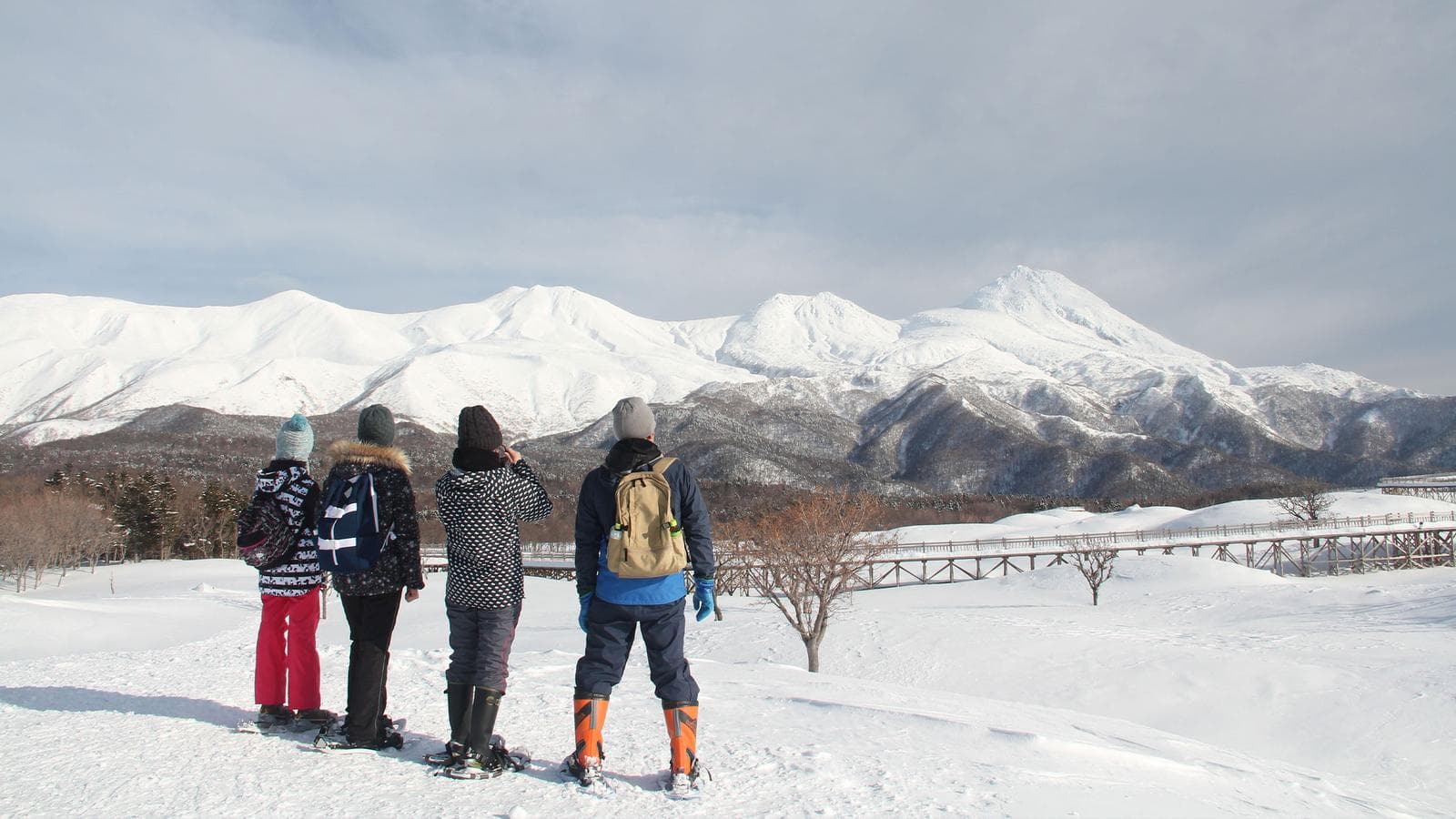
Every winter, sea ice forms in the Sea of Okhotsk, fed by fresh water from the great Amur river on the Russian side. Wind and currents push it south, and from around late January to early March it reaches the north-east coast of Hokkaido. That is the southernmost point in the northern hemisphere where sea ice regularly comes ashore. The coast around the town of Abashiri and the Shiretoko Peninsula, a World Heritage Site of volcanic mountains and forest running out into the sea, is the place to see it. When the ice is in, the sea becomes a white plain of broken floes stretching to the horizon, creaking and shifting, and the silence is remarkable.
The amount and timing of the ice vary a good deal from year to year, and in mild winters it arrives late or barely at all. February is generally the most reliable month.
Snow festivals
The Sapporo Snow Festival, held each year in early February, began in 1950 when local high school students built a few snow statues in the city's central park. It is now one of Japan's biggest winter events. Huge sculptures of snow and ice, some of them the size of buildings, line Odori Park in the middle of the city, along with hundreds of smaller ones, and they are lit after dark. Otaru, a former herring port near Sapporo with an old canal lined with stone warehouses, holds a gentler festival of snow lanterns and candles along its canal around the same time. Hakodate, in the south of the island, is known for its morning fish market and for the view of its lights from Mount Hakodate.
Hokkaido is Japan's frontier.
Lakes, Ainu culture and hot springs
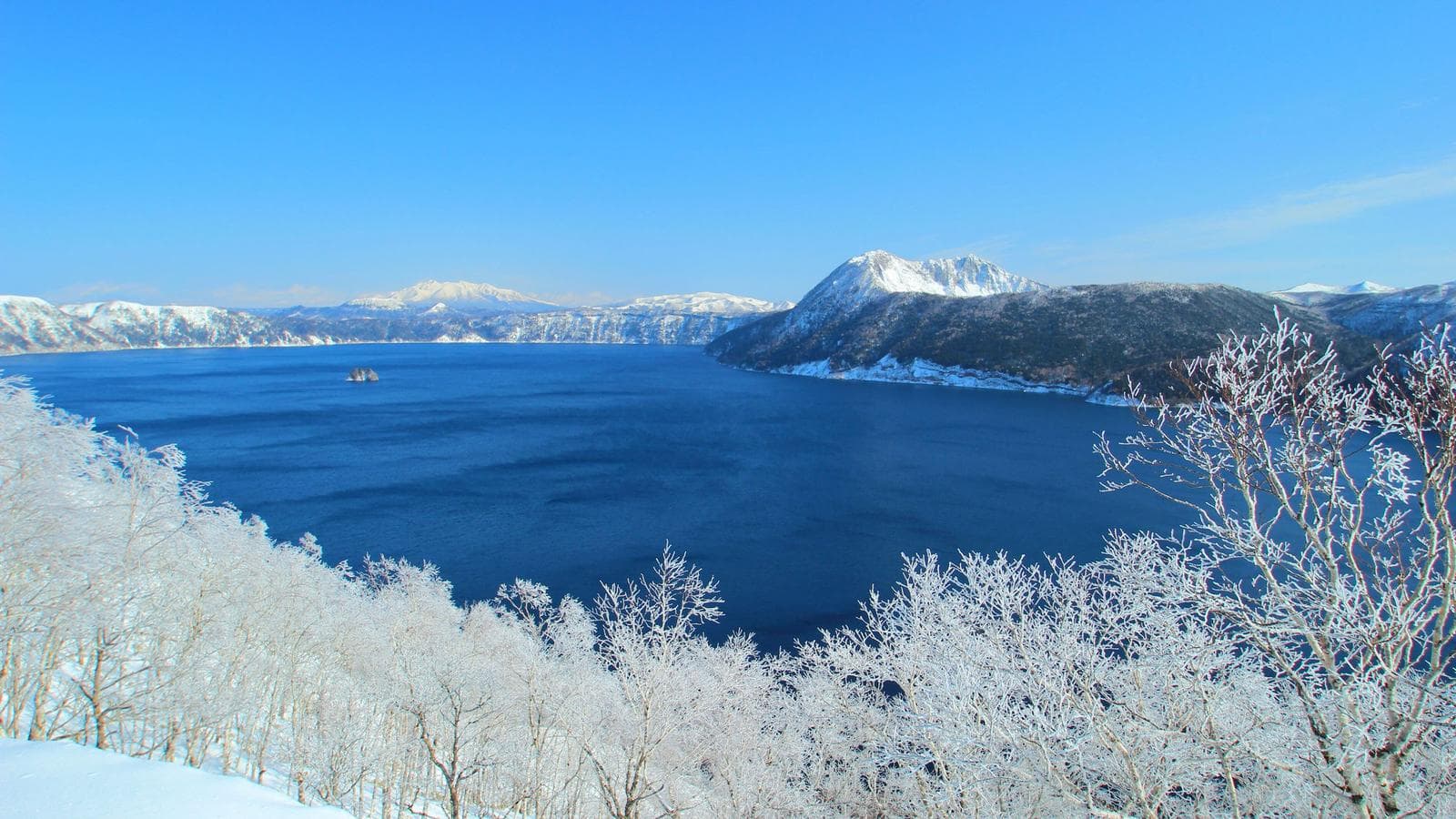
Eastern Hokkaido has a group of volcanic caldera lakes in Akan-Mashu National Park. Lake Kussharo is the largest caldera lake in Japan. Along its shore, hot springs warm the water and keep patches of it unfrozen, and whooper swans gather there in winter. Lake Mashu, ringed by steep crater walls, is famous for the clarity of its water, when it isn't hidden in fog. At Lake Akan there is an Ainu village, Ainu Kotan, with craft shops and a theatre where traditional dance is performed. The Ainu were formally recognised by Japanese law as an indigenous people only in 2019, and their culture is being actively revived.
At the end of a cold day, there is the onsen, the hot spring bath. Hokkaido has many, and soaking in an outdoor pool of hot mineral water while snow falls on the surface is one of the great pleasures of a Japanese winter. Near Lake Kussharo, Iozan, Sulphur Mountain, steams and hisses with yellow fumaroles. At Daisetsuzan, the high volcanic range in the middle of the island, the peak of Asahidake rises above a ropeway into a world of snow and steam vents.
The winter tours
G Adventures' Active Japan: Hokkaido in Winter, Sea Ice to Onsens, eight nights from January to March, is built around this landscape. It goes from Abashiri and the Shiretoko Five Lakes to Lake Akan and Ainu Kotan, Lakes Kussharo and Mashu, Sulphur Mountain, Asahikawa and Asahidake in Daisetsuzan, and Sapporo.
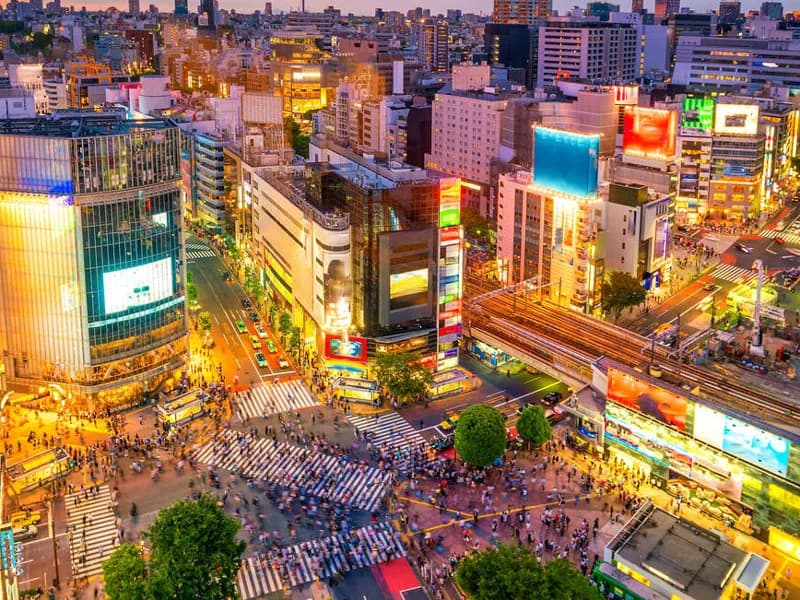
Explore Worldwide's Japan Sapporo Snow Festival, ten nights in February, combines Tokyo with Abashiri, Sapporo, Otaru and Hakodate, and adds the temples of Kyoto and Nara. G Adventures' Active Northern Japan: Winter in Tokyo and Hokkaido, ten nights in February and March, pairs Tokyo's Asakusa, Harajuku, Ueno Park and the Imperial Palace with the lakes and the Shiretoko Five Lakes of the east, and Sapporo and Asahikawa.
Pack properly: thermal layers, waterproof boots with a good grip, a hat that covers the ears. Hokkaido's winter is not the gentle kind. It is also among the most beautiful winters anywhere.
By Walter Pellow, the name Atlas & Passage’s editorial team writes under. Prices and dates in the trips below come from the operators and can change.