First time
Japan for the first time: Tokyo, Kyoto and the train between
Japan's two great cities were each the capital for centuries, and they still behave like it. A first trip is mostly a matter of the two of them, and of the line that joins them.
By Walter Pellow20 October 20264 min read
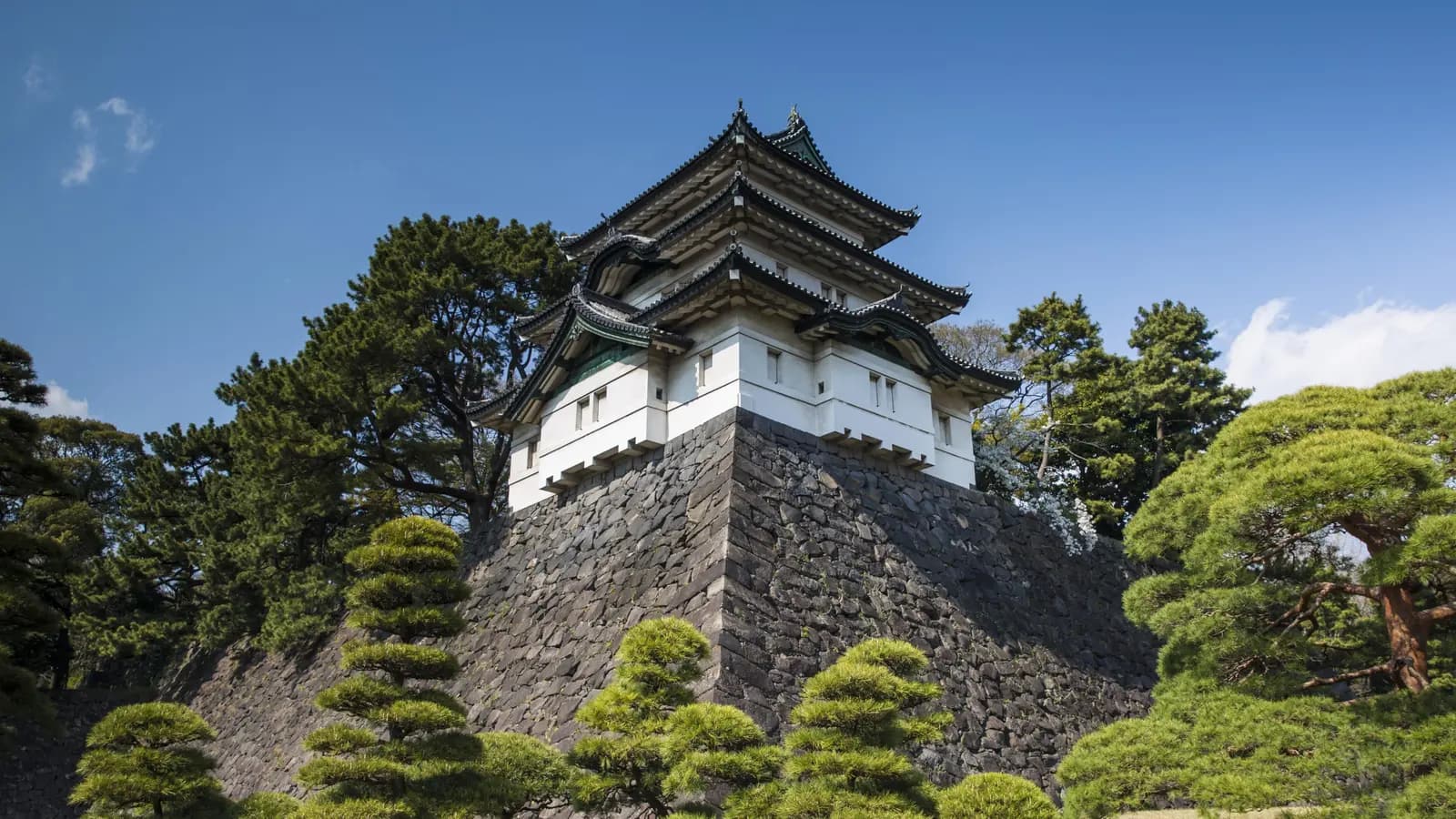
Kyoto was Japan's imperial capital for more than a thousand years, from the end of the eighth century until 1868. Then the young Emperor Meiji moved to Edo, the shoguns' castle town in the east, which was renamed Tokyo, "eastern capital". Almost every first trip to Japan is built on that move. One city is the place power went to, and the other is where it had been for a very long time. Seeing both, in that order or the other, is the most sensible introduction the country offers.
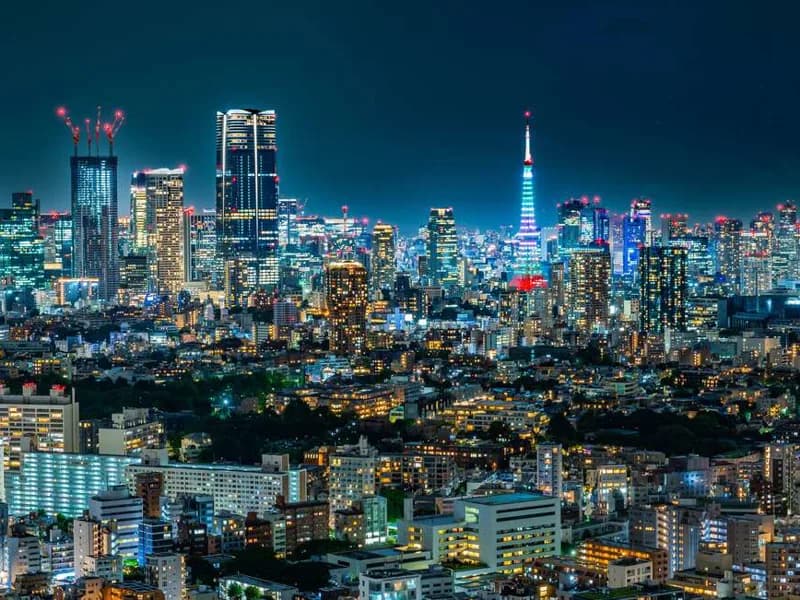
Tokyo, which is many towns at once
Tokyo's size is the first thing people mention and the least useful thing to know about it. On the ground it doesn't feel like one enormous city. It feels like dozens of neighbourhoods joined by railway lines, each with its own station, shops and character. The famous ones are what they say they are. Shibuya has its scramble crossing, where several roads empty their pedestrians into one junction at once. Shinjuku has its towers, its station and, behind them, the tiny bars of the narrow alleys.
The older Tokyo survives in pockets, and that is where to start. Asakusa grew up around Sensō-ji, the city's oldest temple, approached along a lane of small shops. Ueno has its park and museums, and the Ameyoko market under the railway tracks. Yanaka is a quiet district of temples, cemeteries and wooden houses that escaped much of the destruction of the twentieth century. Between them they explain Edo better than any museum. A day spent walking these districts is worth more than a day trying to see the whole city, which is not possible.
The line between them
The Tōkaidō Shinkansen opened in 1964, just before the Tokyo Olympics, as the world's first high-speed railway line. It now takes a little over two hours to cover the roughly five hundred kilometres between Tokyo and Kyoto, running so frequently and so punctually that the timetable becomes a sort of background reassurance. It is worth sitting on the right-hand side of the train going west: on a clear day, within the first hour out of Tokyo, Mount Fuji appears beyond the suburbs and the tea fields, at 3,776 metres the highest mountain in the country and a near-perfect cone.
Clear days are not guaranteed. Fuji is often in cloud, especially in summer, and many visitors who come for the view see only the lower slopes. The clearer, cooler months, from late autumn through winter, give the best chance. Tours that spend a night in the Fuji Five Lakes area, at Lake Kawaguchiko, give the mountain more than one chance to appear.
Kyoto, which kept its temples
Kyoto was largely spared the bombing that destroyed much of Tokyo and other Japanese cities in the Second World War, and so it has kept more of its old fabric than anywhere else of its size in Japan. It has well over a thousand temples, more than anyone can see. Most first visits settle on a handful: the golden pavilion of Kinkaku-ji, reflected in its pond; the thousands of vermilion gates of Fushimi Inari climbing a wooded hill; the wooden stage of Kiyomizu-dera, looking out over the city. In Gion, the old entertainment district, you may glimpse a geiko or maiko hurrying to an evening appointment. Photographing them is now restricted in parts of the district, and rightly so.
Nara, less than an hour away, was the capital before Kyoto, for most of the eighth century. It has a great bronze Buddha in Tōdai-ji, one of the largest wooden buildings in the world, and a park full of deer that have learned to bow for crackers. Many tours fit it in as a day, and it is worth it.
Crowds are the honest drawback. Kyoto's best-known sights are busy almost all year and very busy in the blossom of late March and early April and the maples of November, which are also the most beautiful times to see them. The answer is to start early, before the coaches, and to spend some time in the side streets, where the city is quieter and just as old.
Tours that join the two
Explore Worldwide's Essential Japan is a short introduction at seven nights, with Tokyo's older districts, the country around Mount Fuji and Suruga Bay, and Kyoto. It runs in spring and autumn.
G Adventures' Discover Japan takes thirteen nights and a wider route: from Tokyo to Lake Kawaguchiko, then the old towns of Takayama and Kanazawa in the mountains and on the Sea of Japan coast, Kyoto, and Hiroshima and Miyajima in the west. Just You's Japan Revealed, eleven nights for solo travellers, adds Nara, Osaka, Kobe, Okayama and the hot-spring resort of Atami to the two cities, with Hiroshima and Miyajima Island at the far end.
Whichever you choose, give Tokyo less time than you think and Kyoto more. Tokyo will keep.
By Walter Pellow, the name Atlas & Passage’s editorial team writes under. Prices and dates in the trips below come from the operators and can change.