Wildlife
The largest lizard alive, and the islands that kept it secret
The Komodo dragon was unknown to Western science until the twentieth century, and it still lives almost nowhere but the small, dry islands east of Flores.
By Arthur Penhallow26 September 20263 min read
For an animal that can grow to three metres and weigh as much as an adult man, the Komodo dragon kept itself remarkably well hidden. Rumours of a "land crocodile" on a few remote islands east of Flores reached Dutch colonial officials in the early twentieth century, and it was not until 1910 that a Dutch army lieutenant, sent to investigate, confirmed the animal existed and sent back a specimen. Formal scientific description followed in 1912. Local communities, naturally, had known about it for considerably longer.
An island too small to share
The Komodo dragon, Varanus komodoensis, is the largest living lizard, and it survives today almost entirely on a small cluster of islands: Komodo, Rinca, Gili Motang and part of western Flores. It is not a coincidence that it exists nowhere else. Islands this size and this dry produce large predators rarely, because there is rarely enough prey to support them, and the dragon has adapted to that scarcity by being an opportunist rather than a specialist, eating carrion, deer, wild pig and, on occasion, water buffalo, using a bite that combines mechanical damage with a venomous component identified only in the last two decades. It can go for weeks between substantial meals.
A national park built around one animal
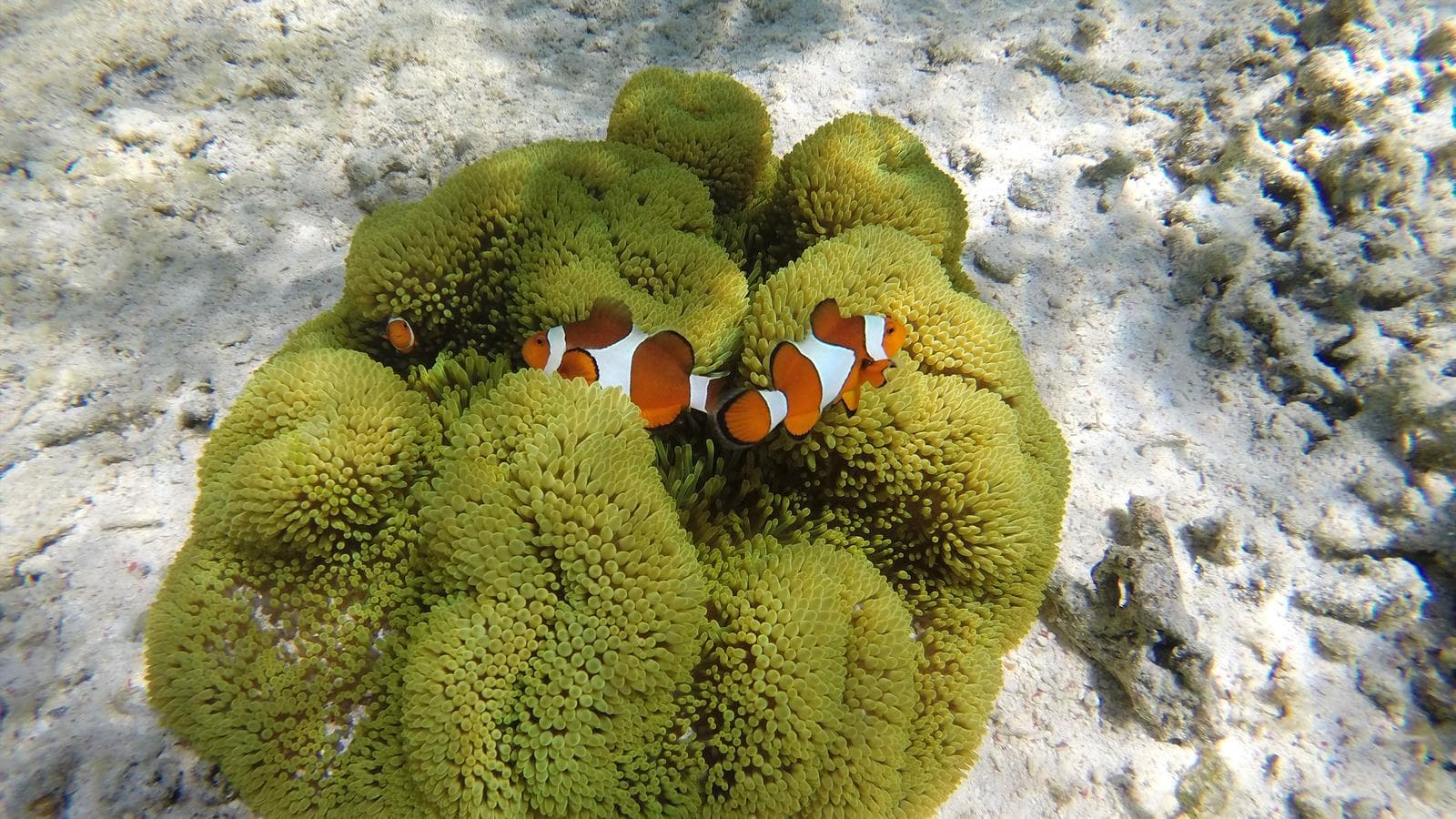
Komodo National Park was established in 1980, initially to protect the dragon itself, and was later expanded to include the surrounding marine environment, one of the richer stretches of reef in the region, and listed as a UNESCO World Heritage Site in 1991. Rangers lead all dragon-viewing walks, partly for visitor safety and partly because the animals are genuinely wild rather than habituated performers. Padar Island, within the park, has become known for a distinctive layered landscape of bays and ridges, and Pink Beach, nearby, owes its colour to fragments of red coral mixed into the white sand, a natural effect rather than a curated one.
Getting there, and when
Labuan Bajo, on the western tip of Flores, is the usual gateway: a small port town that has grown quickly around the tourism the park now generates, and the departure point for the boat trips that reach Komodo and Rinca. The islands themselves sit within a strait known for strong currents, and sailing conditions are noticeably calmer and more reliable in the dry season, roughly April to October, than in the wetter months either side of it, when swells make some crossings impractical.
A bite built for patience, not speed
For decades, the dragon's bite was assumed to kill through bacterial infection alone, the animal biting prey once and then trailing it for days until sepsis finished the job. Research published in the early 2010s complicated that picture considerably, identifying venom glands in the lower jaw that produce compounds affecting blood clotting and blood pressure, working alongside serrated teeth built for tearing rather than piercing. The likely truth is a combination of both mechanisms, venom and infection together, though the details remain debated among specialists in a way that is unusual for an animal this famous. What is not debated is the outcome for prey too large to be swallowed in one attempt: a bitten deer or pig rarely escapes far, and dragons are known to track wounded animals by scent for a considerable distance before finishing the job.
Beyond the dragon
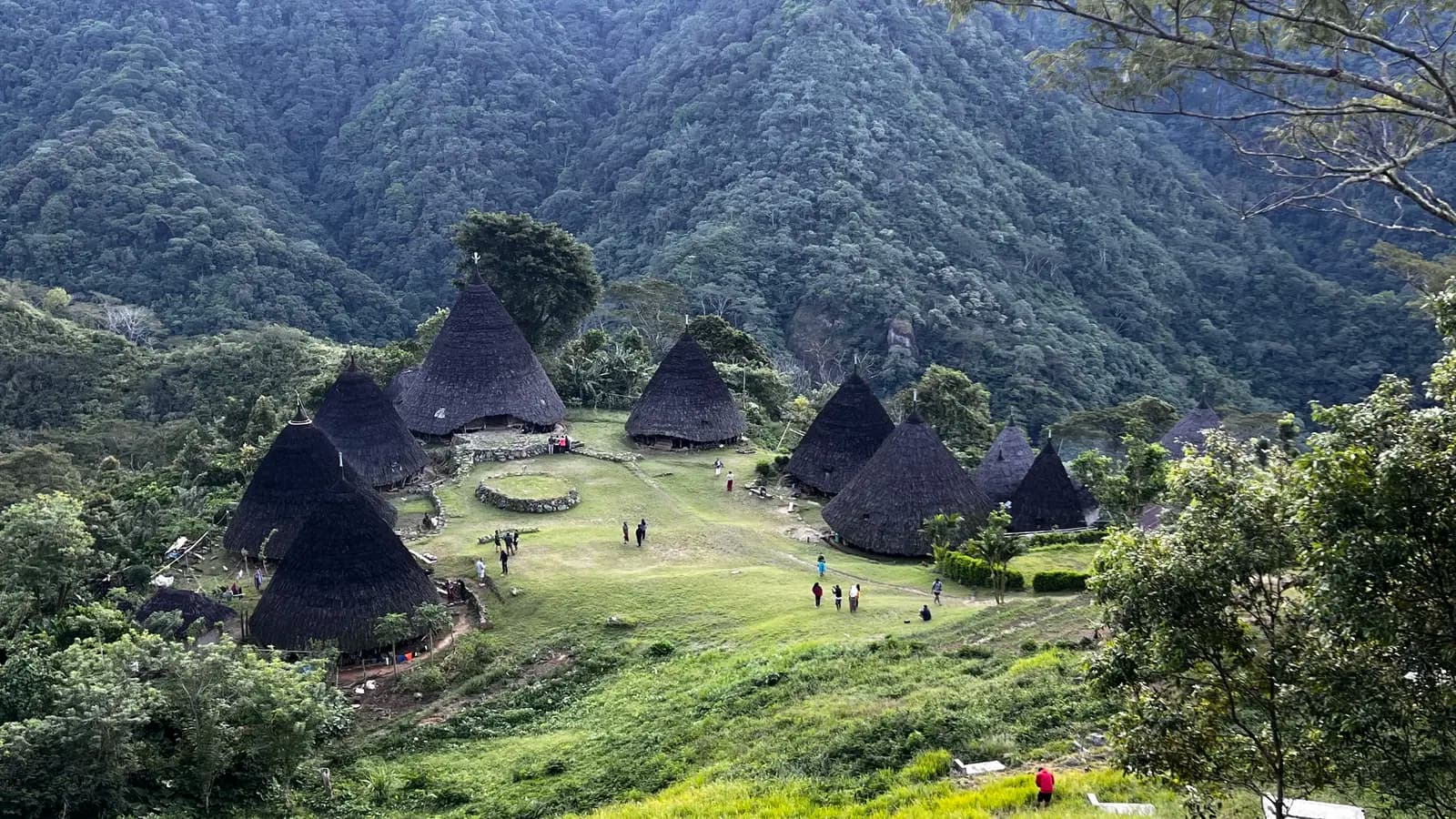
Flores itself, often treated as little more than a stopover en route to Komodo, has its own claim on attention: the stilted, conical houses of Wae Rebo, a traditional Manggarai village reached on foot through cloud forest, and a scattering of villages practising crafts and rice-farming methods largely unchanged by the boats passing offshore. A handful of itineraries combine Bali, Lombok and Flores into a single loop, treating the dragon not as an isolated curiosity but as one stop, admittedly an unusual one, on a longer route east through islands that get progressively less visited the further they sit from Bali.
By Arthur Penhallow, the name Atlas & Passage’s editorial team writes under. Prices and dates in the trips below come from the operators and can change.