Seasons
Where to go in February, the shortest and most underrated month
February is the month of snow sculptures in Sapporo, returning light in Arctic Norway, almond blossom in Morocco and Pompeii with the streets to yourself. It is short, and it is better than its reputation.
By Arthur Penhallow26 September 20264 min read
February has a public relations problem. It is too late for Christmas, too early for spring, and it is commonly remembered for being wet. Yet for the traveller it has three considerable virtues: the high-season crowds have not arrived anywhere, the far north is getting its light back, and in several places February is not an awkward in-between month at all but the very best time of year.
Snow, done properly, in Hokkaido
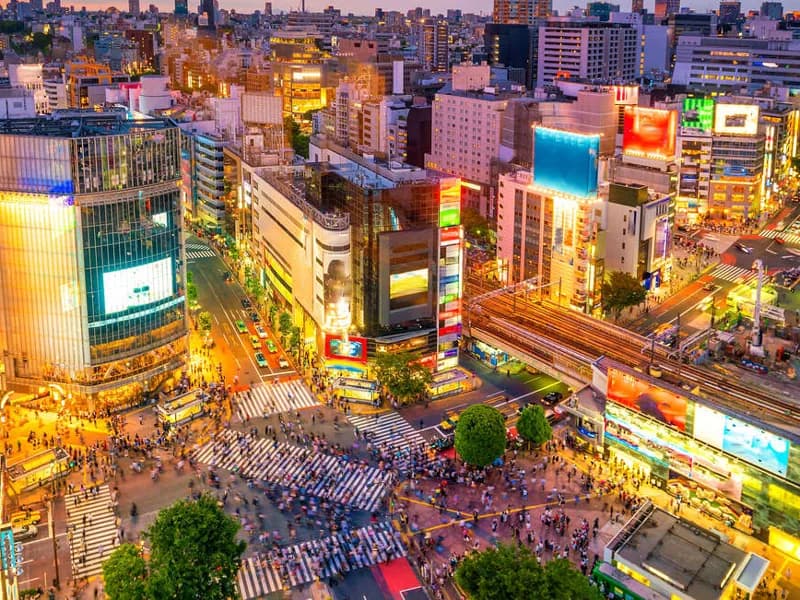
Japan's northern island of Hokkaido takes its winter seriously. Cold air coming off Siberia picks up moisture over the Sea of Japan and drops it as deep, dry snow, and the island has made rather a speciality of the result. The Sapporo Snow Festival began in 1950, when local school students built a handful of snow statues in Odori Park. It is now held every February and draws visitors in their millions to see sculptures the size of buildings, carved with the precision the Japanese bring to most things.
Explore's February tour is built around it, and goes well beyond Sapporo. The route takes in Otaru, an old herring and trading port with a canal lined with stone warehouses; Hakodate, one of the first Japanese ports opened to foreign trade in the 1850s; and Abashiri on the Sea of Okhotsk, the coast where drift ice arrives in late winter, said to be the most southerly sea ice in the northern hemisphere. Tokyo and Kyoto bookend the trip.
The return of the light in Arctic Norway
In Tromsø the sun does not rise at all from late November until the middle of January. By February it is back, low and pink for a few hours a day, and the snow-covered fjords take on colours that seem to have been mixed rather than lit. The nights are still long and dark enough for the northern lights, which is why late winter is such a good time to go looking for them: you get daylight to see the landscape and darkness to see the sky.
Ambassador's Chasing the Aurora in Arctic Norway sails from Tilbury in February for fifteen nights, going all the way up to Honningsvåg for the North Cape and calling at Narvik, Bodø and Tromsø, then coming home by way of Trondheim, Ålesund and Bergen. The honest caveat applies, as it always does: the aurora depends on the sun's activity and on clear skies, and no one can promise it. A fortnight in the right latitude simply gives you a good number of chances.
You get daylight to see the landscape and darkness to see the sky.
Morocco before the heat
For warmth, the nearest reliable answer is North Africa. Morocco in February is mild by day, cool at night, and at its greenest; in the south, the High Atlas usually carries snow on its summits, which gives Marrakech a backdrop it lacks in summer. It is a month for walking about cities rather than hiding from them.
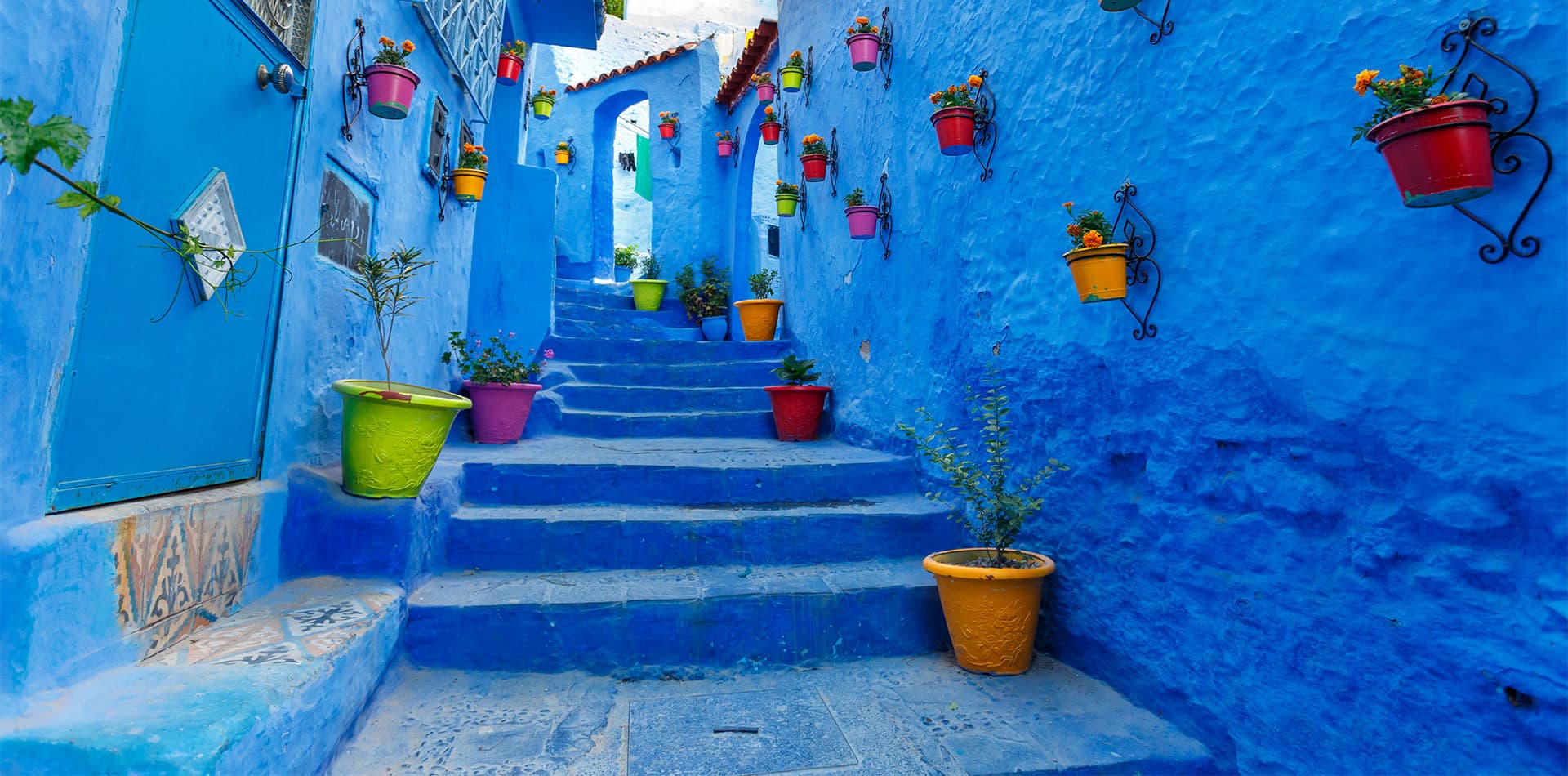
Fred. Olsen's twelve-night Colours & Cultures of Morocco leaves Southampton in February, spends three days crossing to Cádiz, then calls at Tangier, Ceuta and Casablanca before heading home by way of Matosinhos, for Porto. The places it lists include Chefchaouen, the blue-washed town in the Rif mountains, and the royal city of Rabat, as well as Marrakech. Tangier, at the mouth of the Mediterranean, has been looking across the strait at Spain since antiquity and has a medina that repays getting lost in.
Pompeii without the crowds
The fourth February idea is the gentlest. Southern Italy in winter is not warm, exactly, but it is often bright, and it is empty in a way it never is in summer. Pompeii, buried by Vesuvius in AD 79 and one of the most visited archaeological sites in the world, is a different place without the heat and the queues: you can stand in the Forum and hear yourself think.
Just You's tour for solo travellers runs in February and March, flying to Naples and basing itself at Minori, a small town on the Amalfi coast that is much less known than its neighbours Amalfi and Ravello. The days listed cover Pompeii, Sorrento and a good deal of time at leisure.
Which February is yours
If you like your winter spectacular, go to Hokkaido; the snow festival is a genuine one-off, and there is nothing quite like it in Europe. If you want the northern lights, February and March are among the best months to try. If you want to be warm, Morocco is closer than it looks on the map, and closer still if you let the ship do the travelling. And if you simply want to see a great place without being jostled, go to Pompeii now, and let everyone else go in August.
By Arthur Penhallow, the name Atlas & Passage’s editorial team writes under. Prices and dates in the trips below come from the operators and can change.