First time
Ryokan and onsen: the quiet etiquette of a Japanese inn
A night in a traditional Japanese inn, with a long dinner, a hot spring bath and a futon on the tatami, is one of the great experiences of a trip to Japan. It comes with a few customs worth knowing before you arrive.
By Walter Pellow20 October 20264 min read
Japan sits on a volcanic arc, and the same heat beneath the ground that produces its earthquakes and volcanoes also produces a vast number of hot springs. Bathing in them, in the open air or in wooden or stone baths indoors, has been part of Japanese life for well over a thousand years. Around the springs grew the ryokan, traditional inns where travellers stayed, ate and bathed. Staying in one is quite unlike a hotel. It is a whole evening's ritual, from arrival to breakfast, and for many visitors it is the most memorable night of a trip.
None of the customs are difficult, and Japanese hosts are generally forgiving of foreigners' mistakes. But knowing them makes the experience more relaxed for everyone.
Arriving, and the room
At the entrance, shoes come off and are left in the hall, or taken away by the staff, and you are given slippers. The slippers come off in turn before you step onto the tatami, the woven straw mats that cover the floor of your room. A separate pair of slippers is usually kept at the door of the toilet, to be worn only there. Forgetting to take these off on the way out is the classic mistake, and everyone makes it once.
The room is simple and spare: tatami, a low table, cushions on the floor, sliding paper screens, perhaps an alcove with a scroll and a flower arrangement. There is usually no bed. In the evening, while you are at dinner or in the bath, the staff lay out futons on the floor, and they put them away again in the morning.
In the room you will find a yukata, a light cotton robe, and often a jacket to wear over it. It is perfectly acceptable to wear it around the inn, to the bath and to dinner. One rule: wrap it left side over right. Right over left is how the dead are dressed for burial.
It is a whole evening's ritual, from arrival to breakfast, and for many visitors it is the most memorable night of a trip.
The bath
The onsen bath is the heart of the ryokan. Most baths are separated by sex, with blue and red curtains for men and women, and in some inns the two baths swap over at night so that guests can try both. You go in naked. Swimming costumes are not worn.
The essential rule is that you wash before you get in. In the changing room you leave your clothes in a basket and take only a small towel. In the bathing area, there are low stools and taps or showers along the wall. Sit down, wash thoroughly with soap, and rinse off completely before entering the bath. The bath itself is for soaking, not washing, and is shared, so it must stay clean. The small towel doesn't go in the water. People fold it on their heads or leave it at the edge. Long hair should be tied up. It is a quiet place, so talk softly, don't splash, and don't stay in too long if you are not used to the heat.
One point to check in advance is tattoos. Because of their old association with organised crime, many onsen and ryokan refuse entry to people with visible tattoos. Attitudes are changing, some baths now admit small or covered tattoos, and many ryokan have private baths that can be reserved. It is worth asking before you book.
Dinner, and where to try it
Dinner at a ryokan is often a kaiseki meal, a long sequence of small, carefully arranged dishes of seasonal and local food, sometimes served in your room, sometimes in a dining room, at a fixed time. Breakfast, also traditional, means rice, grilled fish, miso soup and pickles.
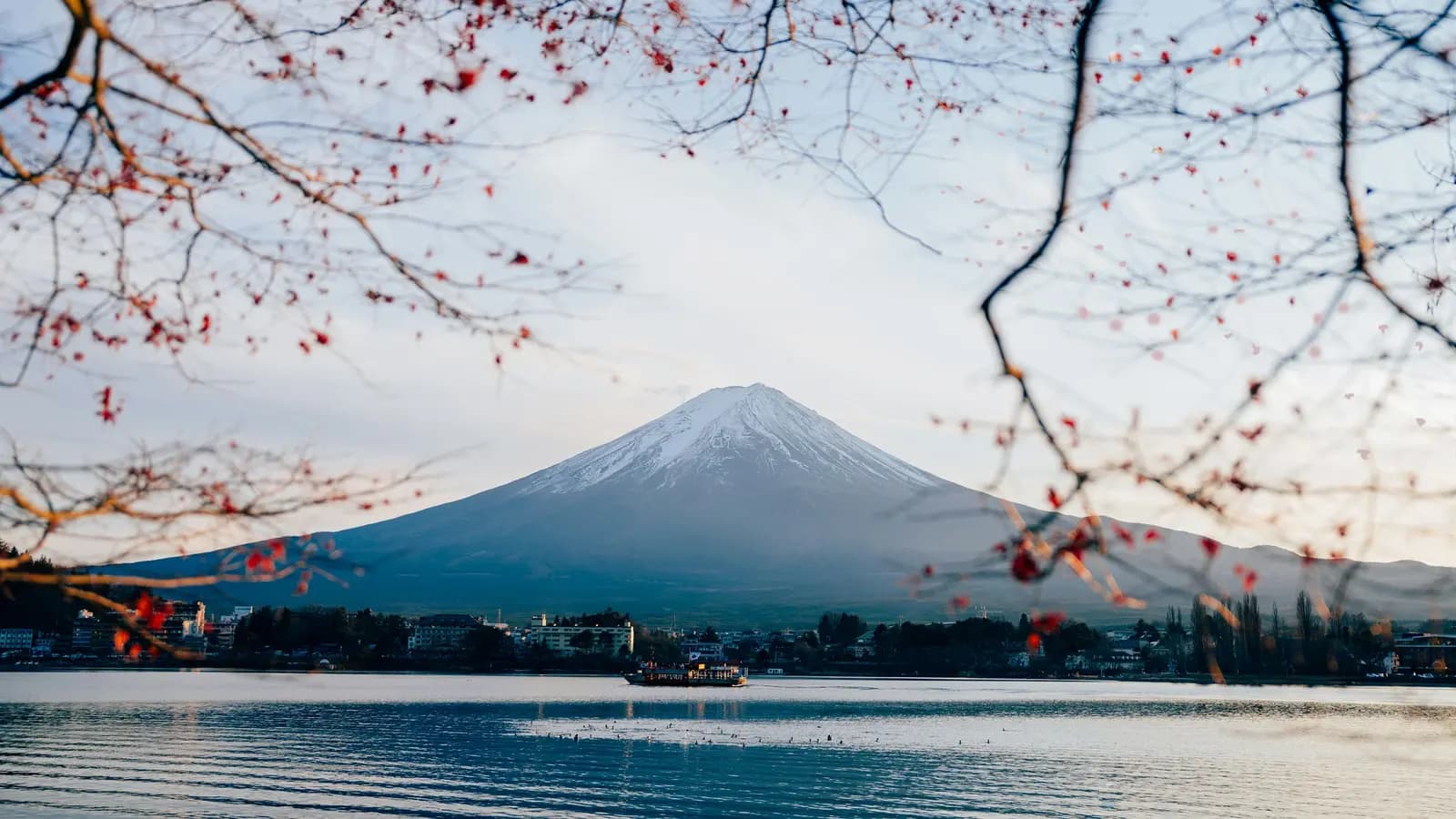
Whether a tour includes a ryokan night is in its own itinerary, and worth checking. But several pass through famous hot spring areas. Travelsphere's Japan, Land of the Rising Sun, twelve nights, includes Hakone, the hot spring resort in the hills near Mount Fuji, on a route through Takayama, Matsumoto, Shirakawa-go, Kyoto, Nara and Hiroshima. G Adventures' Signature: Japan's Tokyo, Kyoto and Osaka, eleven nights, includes Hakone-machi too.
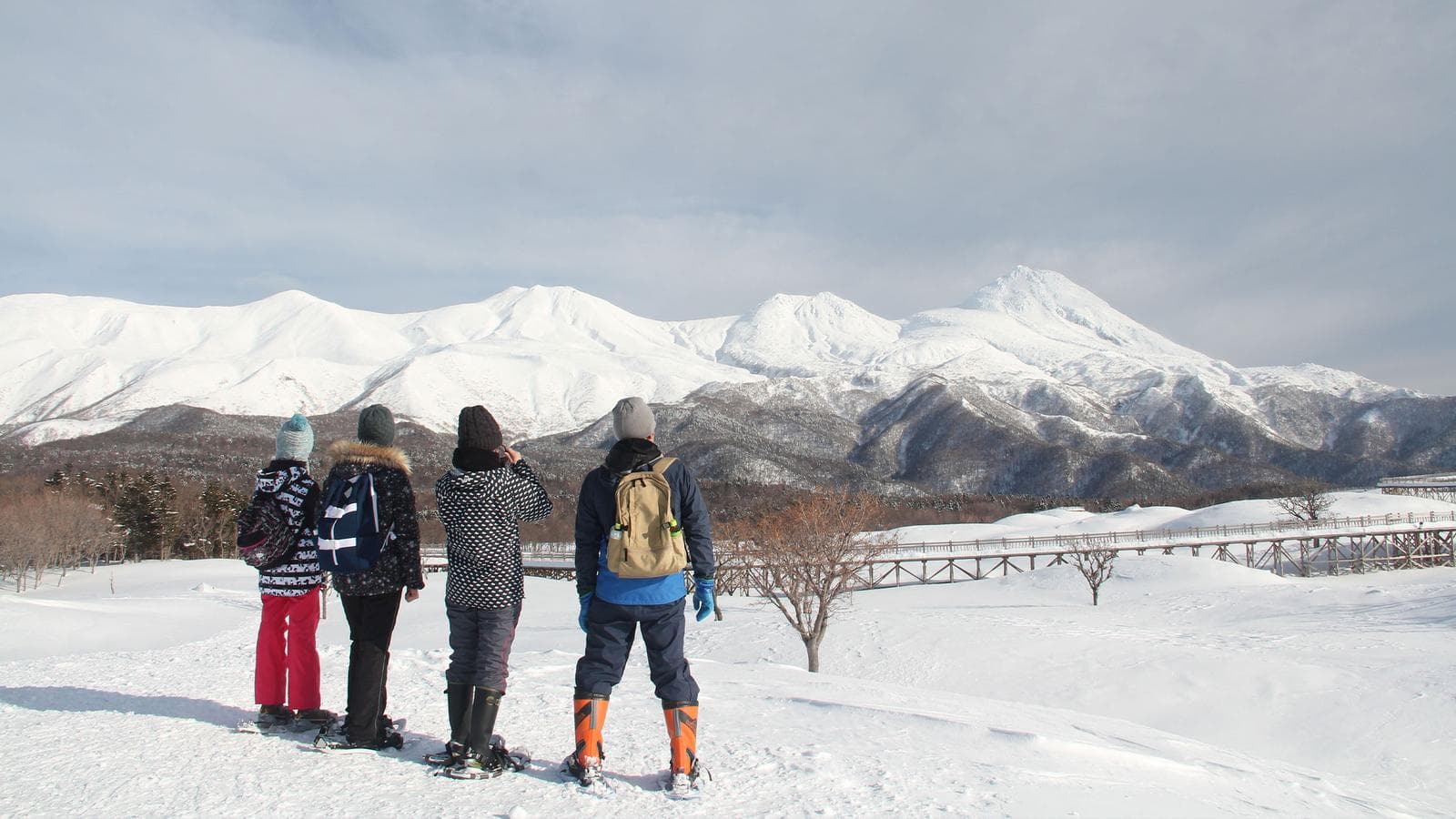
In the north, G Adventures' Active Japan: Hokkaido in Winter, Sea Ice to Onsens, eight nights from January to March, has hot springs in its name. Its route takes in the volcanic country around Lake Kussharo, Sulphur Mountain and Daisetsuzan, where sitting in hot water as snow falls is the reward at the end of a cold day.
Take your time. A ryokan isn't somewhere to rush in and out of. Arrive in the afternoon, bathe before dinner, bathe again before bed, and once more in the morning, and you will understand why the Japanese have been doing it for so long.
By Walter Pellow, the name Atlas & Passage’s editorial team writes under. Prices and dates in the trips below come from the operators and can change.