First time
Beijing, Xi'an, Shanghai, a first week in China
Three cities, a couple of internal flights and roughly a thousand years between each stop. It is a sensible shape for a first look at a country too large to see properly in one visit.
By Arthur Penhallow26 September 20263 min read
China does not lend itself to a single defining first visit the way some countries do. It is too large, too varied by region, and its history too long for any one itinerary to stand in for the whole. What most first-time tours settle for instead is a deliberate sample: Beijing for the imperial and Communist-era capital, Xi'an for the empire that came before either, and Shanghai for the version of China built mostly in the last century and a half. Between them, the three cities cover roughly two and a half thousand years and three quite different ideas of what a Chinese city is for.
Beijing, built and rebuilt as a seat of power
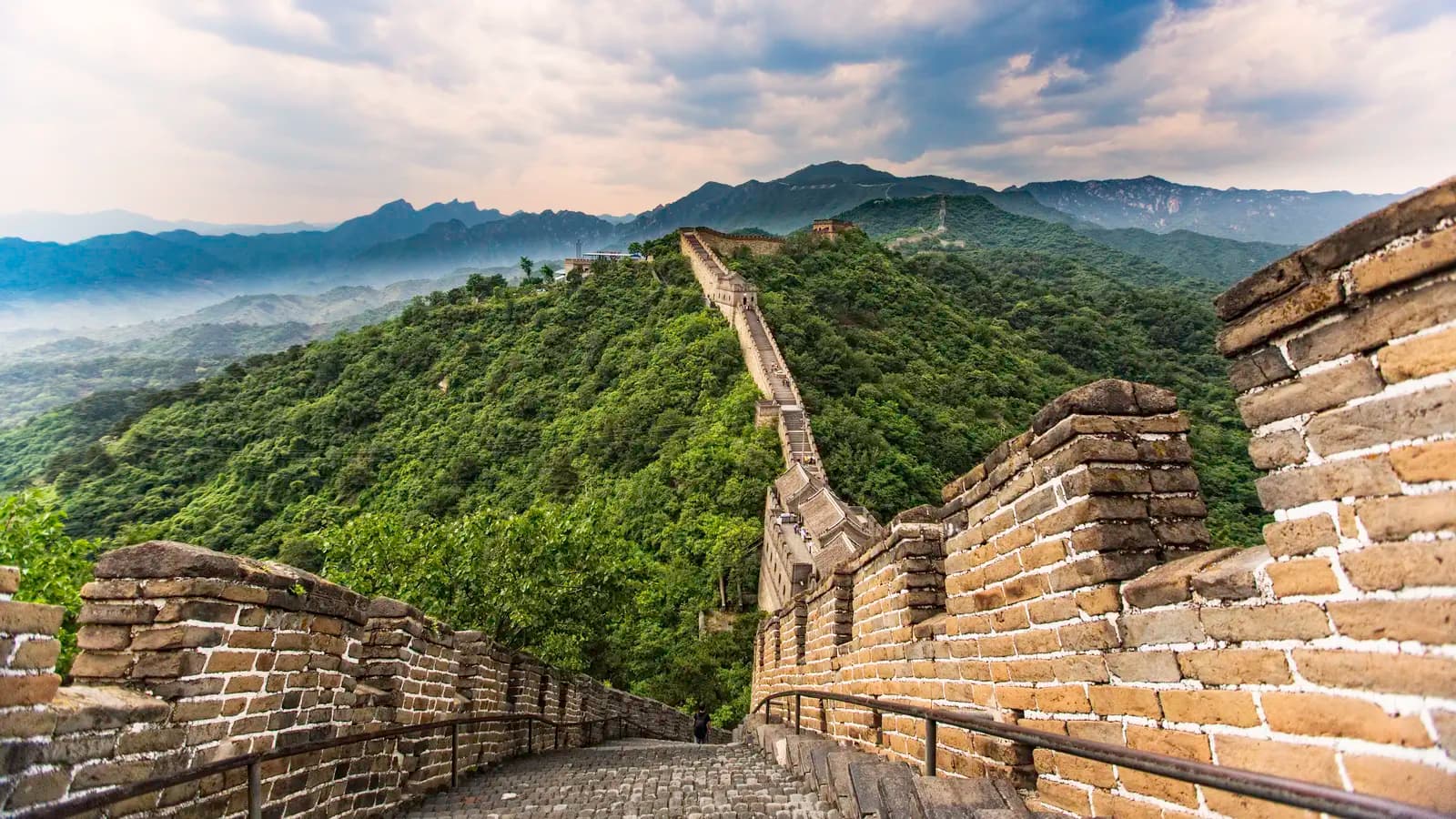
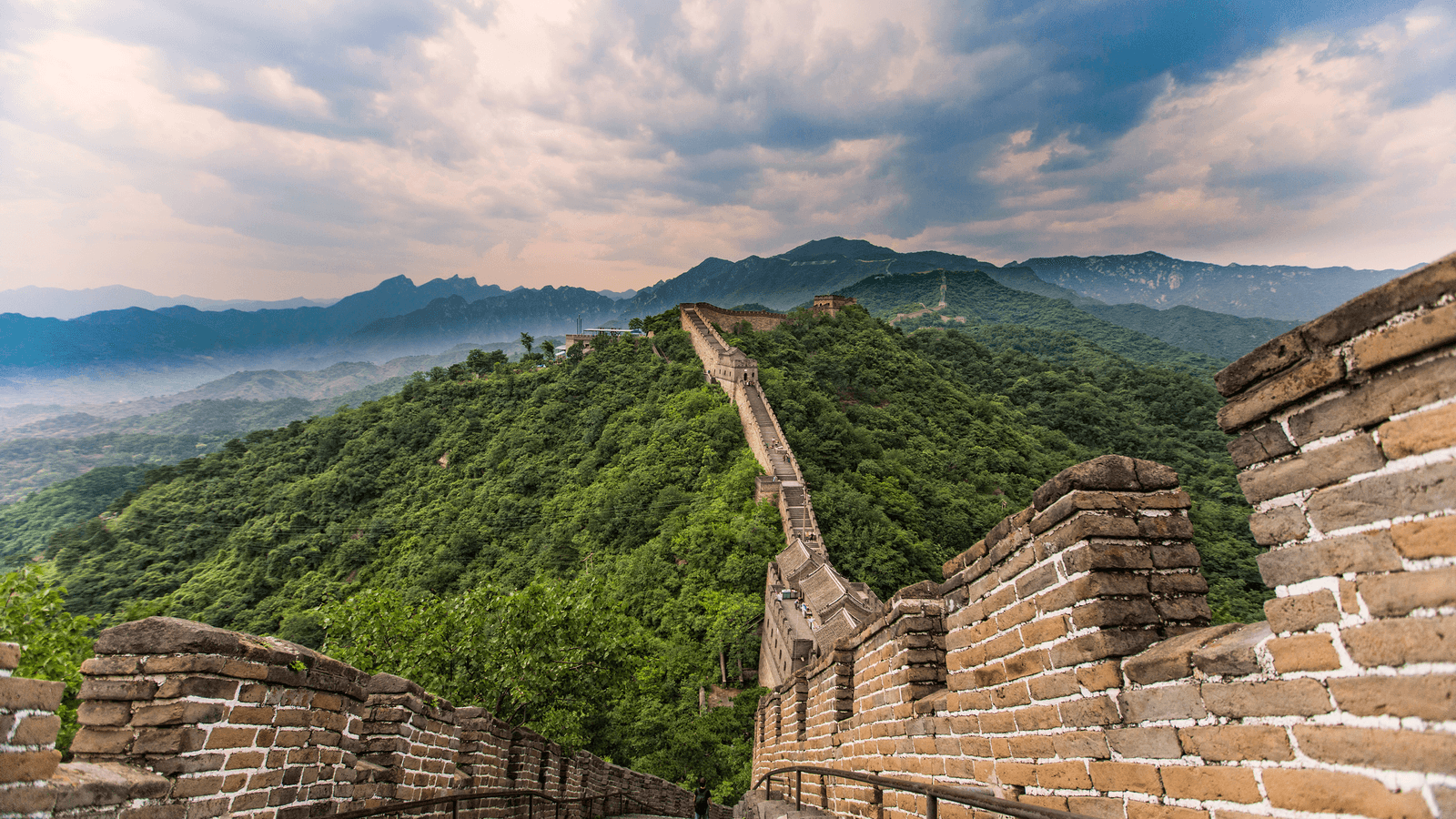
Beijing has served as a capital, on and off, since the thirteenth century, and its layout still shows the hand of deliberate imperial planning: the Forbidden City at its centre, a walled palace complex from which Ming and Qing emperors ruled for nearly five hundred years, surrounded by the broad avenues and monumental scale of a capital designed to impress rather than simply to function. Tiananmen Square, immediately to the south, has been the site of some of the most consequential moments in twentieth-century Chinese history. A day trip north reaches Mutianyu, a well-preserved stretch of the Ming-dynasty Great Wall, close enough to the capital to fit comfortably into a broader city-based itinerary.
Xi'an, and the empire before Beijing existed
Xi'an, known for most of its history as Chang'an, was the capital of a unified China more than a thousand years before Beijing took on the role, and for long stretches of that history was among the largest and most cosmopolitan cities on Earth, the eastern terminus of the Silk Road trading routes that connected China to Central Asia, Persia and, eventually, Europe. Its most famous attraction, the Terracotta Army guarding the tomb of the first emperor, sits a short drive outside the modern city, but Xi'an itself, with its intact Ming-era city wall and its old Muslim Quarter, holds enough history to justify more than a single day.
Shanghai, the newest of the three by far
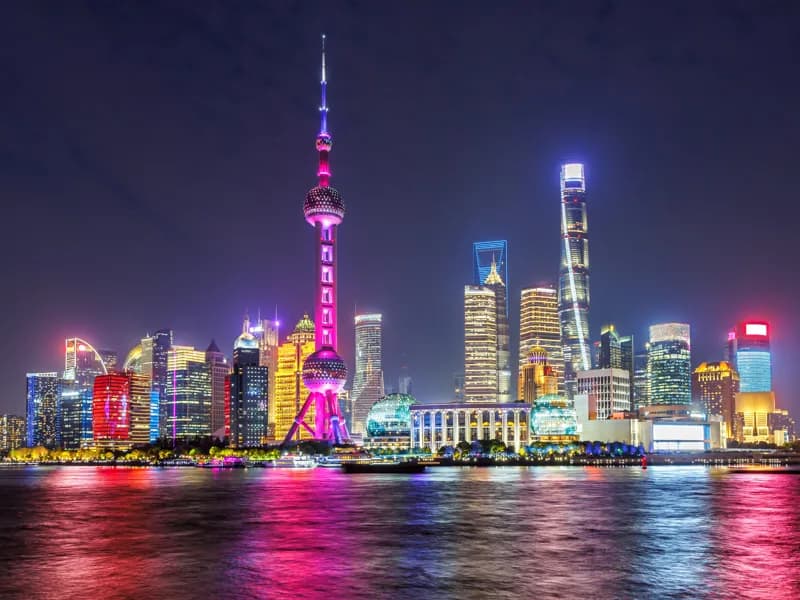
Shanghai's transformation into a major city happened largely in the nineteenth and twentieth centuries, accelerated by its status as a treaty port after the Opium Wars, when Britain and other foreign powers secured trading concessions along its waterfront, the Bund, where the grand European-style buildings from that era still stand facing the river. Across the water, the Pudong skyline, built almost entirely since the 1990s, makes the contrast between old and new about as explicit as a city can manage: colonial-era stone banks on one bank, glass towers on the other, with the river doing the work of a century in between.
Making the shape work as a week
The logistics of this route are straightforward by China's standards: internal flights or high-speed rail connect all three cities in a matter of hours, and most escorted itineraries build in a rest day or two rather than treating the whole trip as a sprint. Some extend the same shape slightly further, adding Suzhou, a canal city west of Shanghai known for centuries for its classical gardens, small enough to fold into a day trip and different enough in character from all three main stops to earn its place.
What a week like this cannot do is stand in for the rest of the country. The Tibetan plateau, the southern karst hills and the far northwest are all a different kind of trip entirely, but as an introduction to how three very different eras built three very different cities, it is hard to improve on.
Spring and autumn suit all three stops reasonably well, avoiding Beijing's driest, coldest winter months and the humid haze that settles over Shanghai and Xi'an in summer. Public holiday periods, especially the first week of October, are worth checking against, since all three cities are popular with domestic travellers at the same time as everyone else.
By Arthur Penhallow, the name Atlas & Passage’s editorial team writes under. Prices and dates in the trips below come from the operators and can change.