Culture
Kyoto's temples, and how to see them before the crowds
Kyoto has more than a thousand temples and shrines and, on a busy day, what feels like as many visitors at each. Getting the best of it is a matter of timing, of choosing, and of knowing where the quieter Kyoto begins.
By Walter Pellow20 October 20264 min read
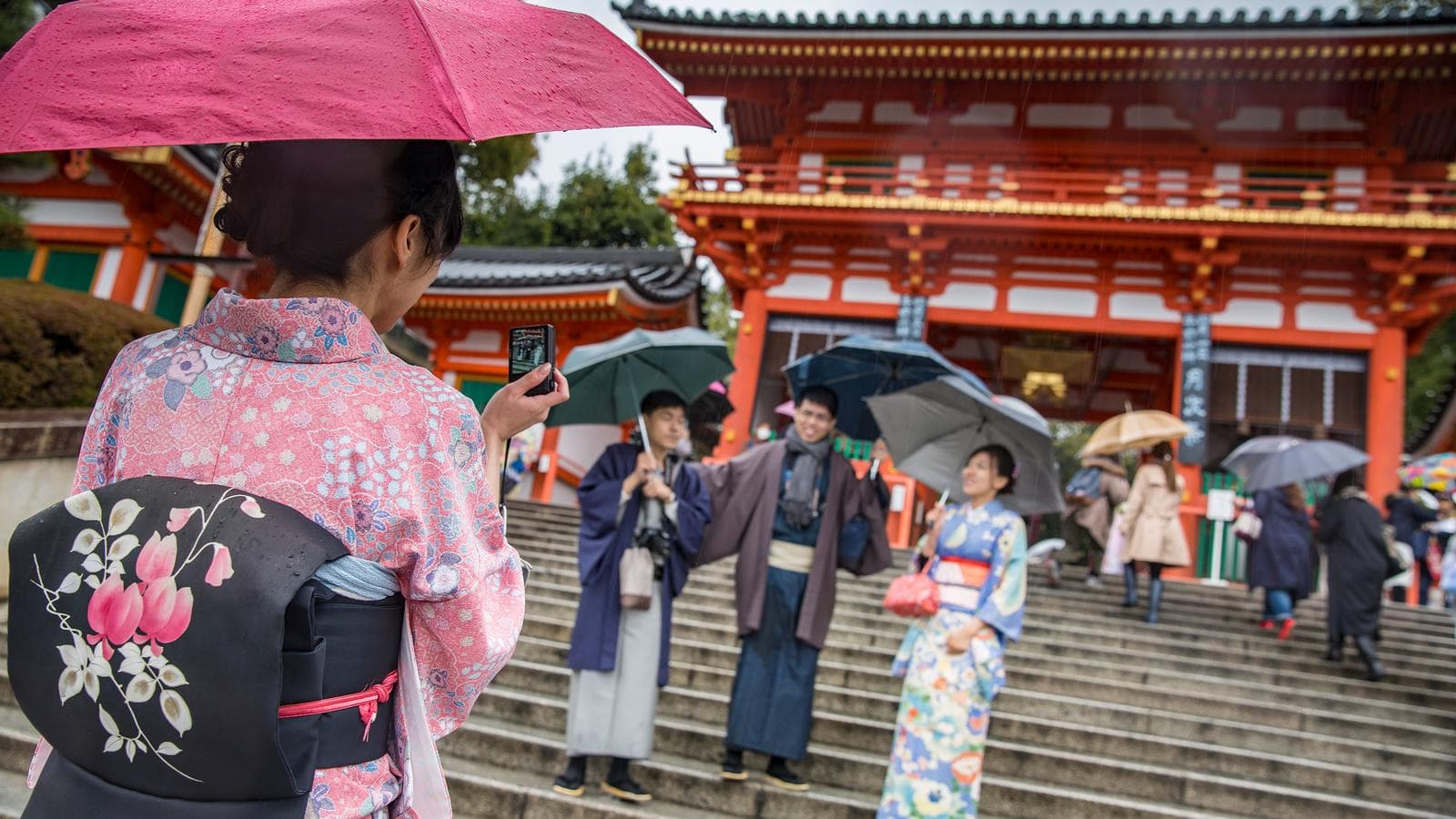
Kyoto is a victim of its own beauty. For more than a thousand years it was the imperial capital, and it has a concentration of temples, shrines, palaces and gardens unmatched anywhere else in Japan. Seventeen sites in and around the city are listed together as a single World Heritage Site. It is also one of the most visited cities in Asia, and in the cherry blossom season of spring and the maple season of autumn, the most famous temples are packed from opening to closing. The city has had to take measures against the pressure, restricting access to some of the private lanes of Gion and adding buses for visitors to keep local services usable.
None of this means Kyoto is spoiled. It means that seeing it well takes a little thought.
Go early, or late
The single most useful thing is to start early. The coach parties and day trippers from Osaka typically arrive mid-morning, and the hour or two after a temple opens can be completely different from the middle of the day. Fushimi Inari, the great shrine of the rice god Inari in the south of the city, is the obvious case. It is famous for its thousands of vermilion torii gates, donated by businesses and individuals, which form tunnels up the wooded slopes of Mount Inari. The grounds are open around the clock. At dawn, the lower tunnels are almost empty, and the higher you climb, the quieter it gets at any hour. Most visitors turn back near the bottom.
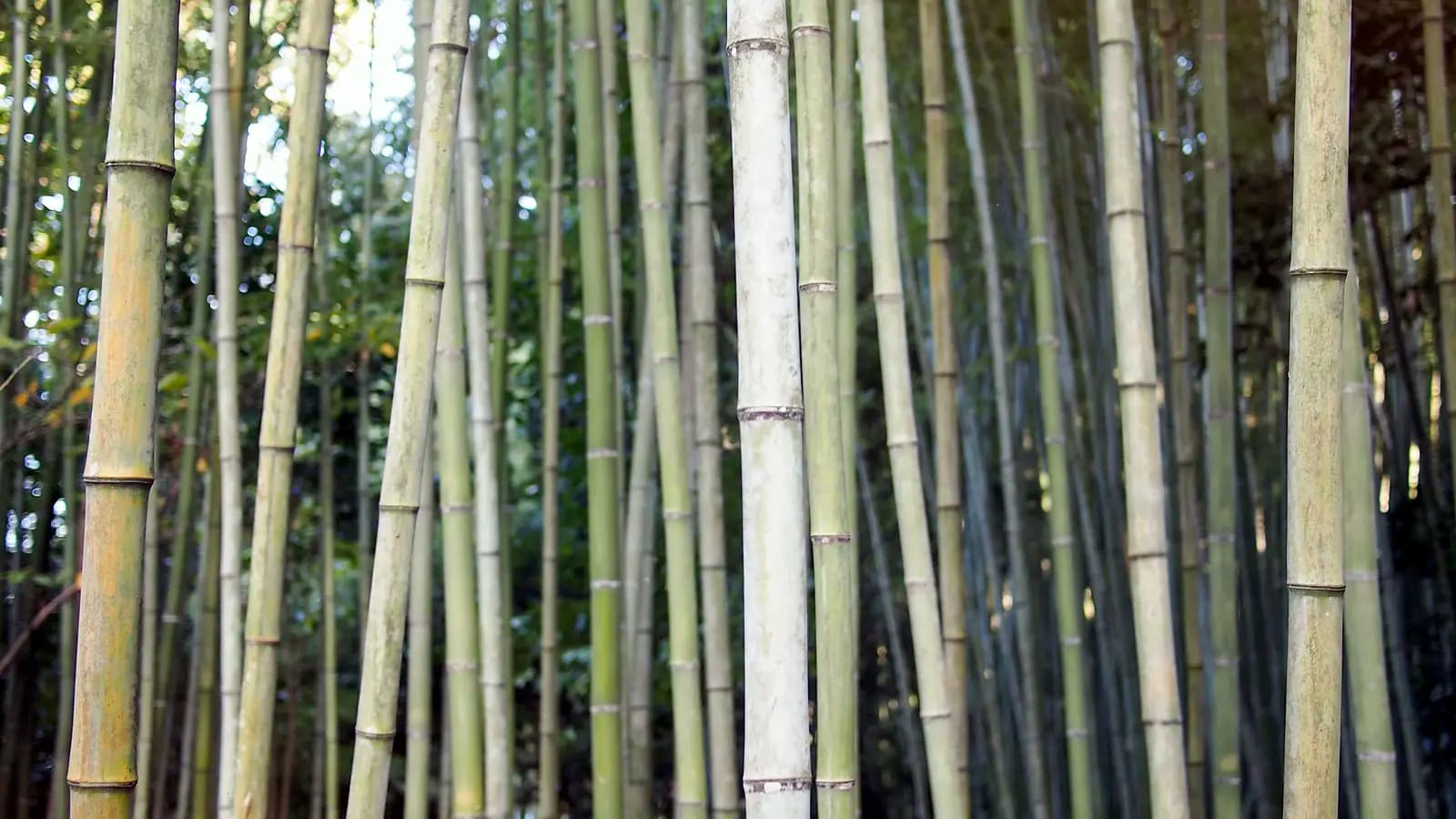
Kiyomizu-dera, the temple whose wooden stage juts out over the hillside on a framework of huge pillars, is similar. Early in the morning you can stand on the stage looking over the city with only a handful of others. By the afternoon the approach lanes are shoulder to shoulder. Arashiyama's bamboo grove, in the west of the city, is best at first light, before the paths fill.
Choose the quieter ones
The second trick is to look beyond the obvious list. Kyoto has so many fine temples that some of the most beautiful are comparatively little visited. Daitoku-ji, in the north of the city, is a large walled complex of Zen sub-temples. Several of them are open to visitors, with small dry gardens of raked gravel and rocks of great refinement, and it is often peaceful even when the centre is crowded. Nanzen-ji, at the foot of the eastern hills, has a massive wooden gate and a nineteenth-century brick aqueduct running incongruously through its grounds, built to bring water from Lake Biwa. From there, the Philosopher's Path, a stone walk beside a canal under cherry trees, leads north to Ginkaku-ji, the Silver Pavilion, whose garden of sculpted sand cones and moss is one of the most subtle in the city.
Ryōan-ji's famous rock garden, fifteen stones in raked white gravel, is best seen in the early morning, when it is possible to sit on the veranda and look at it in something like the silence it was designed for.
Stay late, and stay over
The third trick is to be in Kyoto in the evening. Most day visitors leave in the late afternoon, and the old districts of Higashiyama and Gion are at their best at dusk, when the lanterns come on in the wooden streets and the temples on the hills are silhouetted against the sky. Staying the night, rather than visiting from Osaka, gives you both the evening and the early morning, which is to say the best of the city.
G Adventures' Japan: Tokyo Nights and Kyoto Temples, five nights in December, is a short introduction pairing Tokyo with Takayama and Kyoto. December, after the maples and before the New Year, is one of the quieter months in Kyoto.
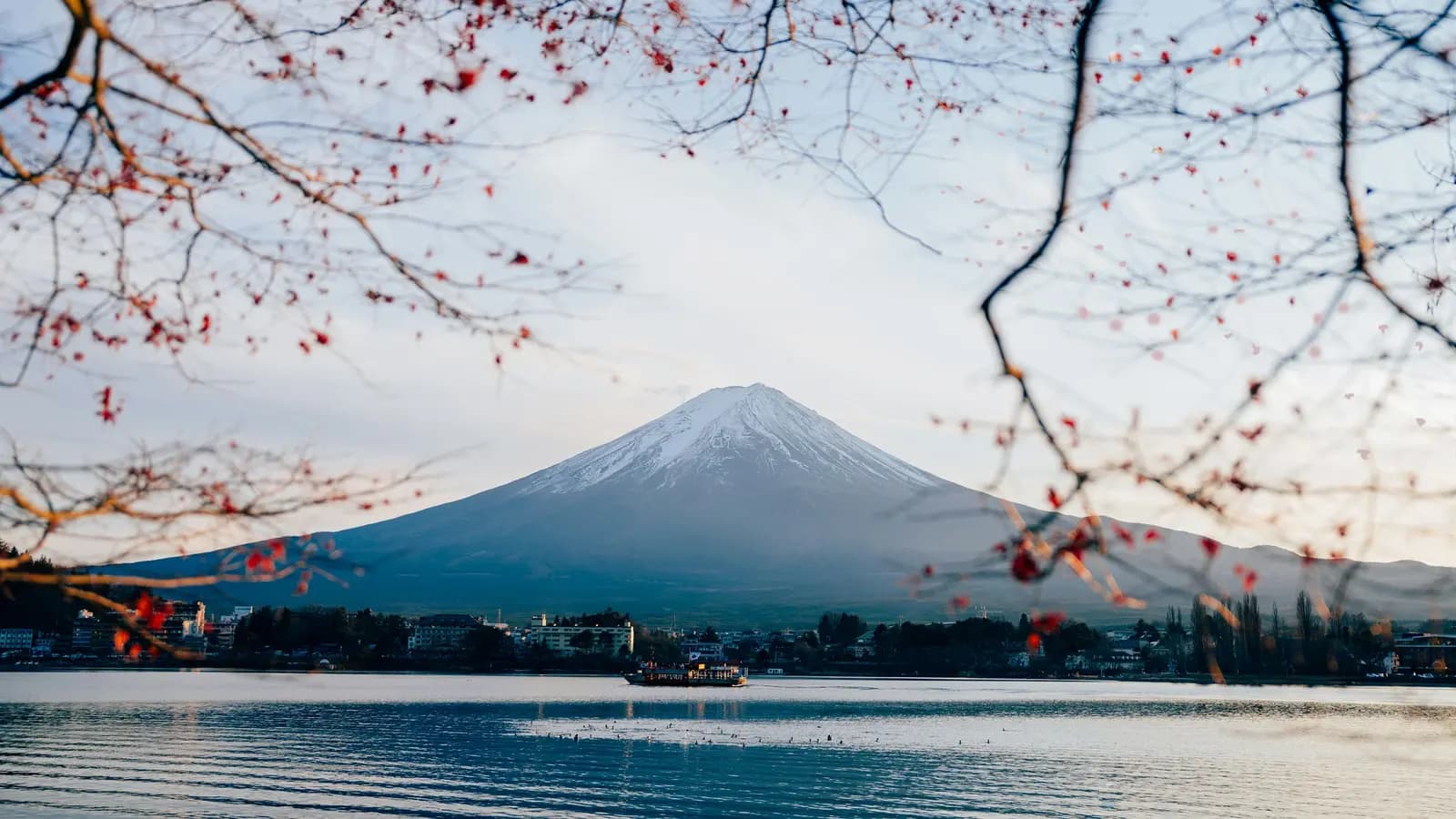
G Adventures' Signature: Japan's Tokyo, Kyoto and Osaka, eleven nights, runs in spring and early autumn. Its route goes from Tokyo and Asakusa to Hakone, the old castle town of Hagi, Kyoto, Hiroshima, and Osaka with its Dotonbori food district. G Adventures' Japan: Osaka, Kyoto, Mount Fuji and Tokyo, six nights in May and June, is a short journey between the three cities, with Lake Kawaguchiko beneath Mount Fuji.
Kyoto rewards patience and an alarm clock. It is not that the famous sights are overrated. They are as fine as everyone says. It is that they are better shared with the morning light than with a crowd.
By Walter Pellow, the name Atlas & Passage’s editorial team writes under. Prices and dates in the trips below come from the operators and can change.